
Reviewed · DMZ TOURS
From Seoul: DMZ Tour and North Korea Experience Hall
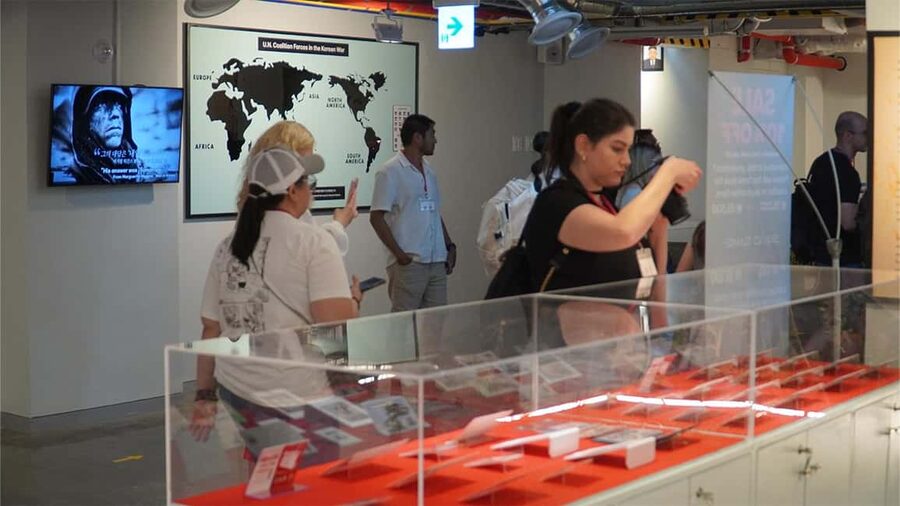
The unusual heart of this day is the North Korea Experience Hall, where you see replicas of homes, classrooms, and household objects before meeting a North Korean defector for a live question session. I like that the tour pairs this personal account with Imjingak and the DMZ’s major viewpoints, so the border is not treated as a quick photo stop. I also like the clear value: transport, an English-speaking guide, and entry to the main sites cost $40, though lunch is extra.
The main caution is the long and sometimes changeable route. A group can include up to 30 people, visibility at Dora Observatory depends on weather, and the published stops appear to cover more ground than an 8 to 9-hour day comfortably allows. Confirm the exact route before booking, and bring your passport.
Key points at a glance
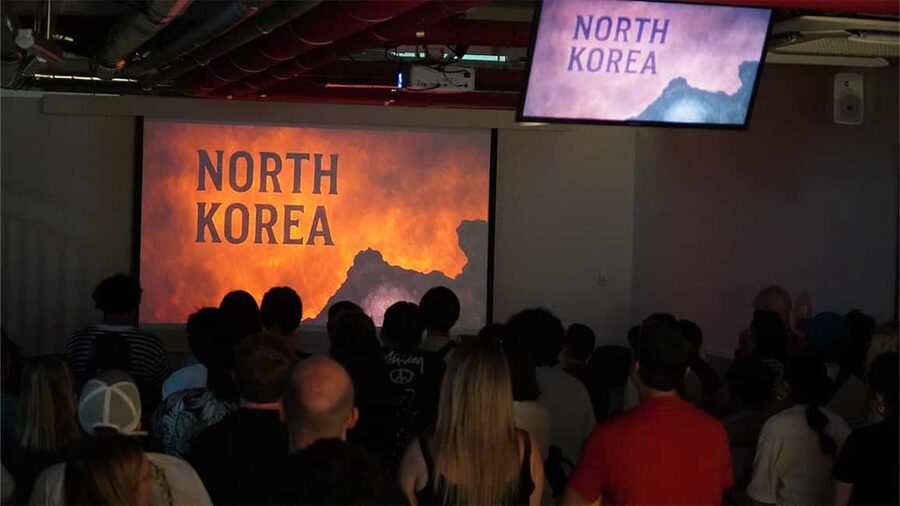
- North Korea Experience Hall: See recreated rooms, household items, and documentary footage before a live Q&A with a North Korean defector.
- Imjingak and Freedom Bridge: Get the human story of separation, family loss, and the armistice rather than only looking across a fence.
- Third Tunnel of Aggression: Add an underground stop that shows the practical military side of the divided peninsula.
- Dora Observatory: Look toward North Korea when weather and security conditions allow, but expect visibility to vary.
- Central Seoul pickup: Choose Myeongdong Station, City Hall Station, or Hongik University Station Exit 3.
- Good $40 value: Transport and guiding are included, while meals, drinks, and optional hotel pickup cost extra.
Why the North Korea Experience Hall changes the day

A standard DMZ visit can leave you with a view, a few military facts, and plenty of unanswered questions. The North Korea Experience Hall helps fill that gap by showing parts of ordinary life across the border.
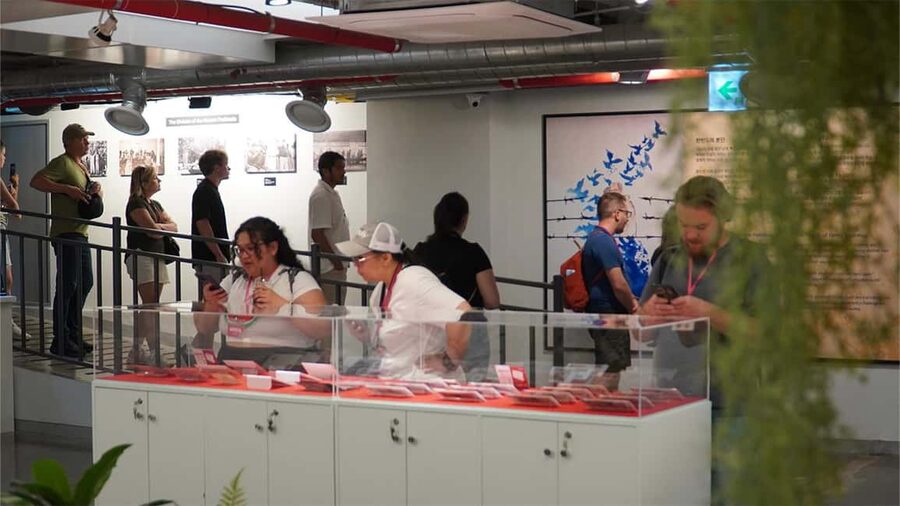
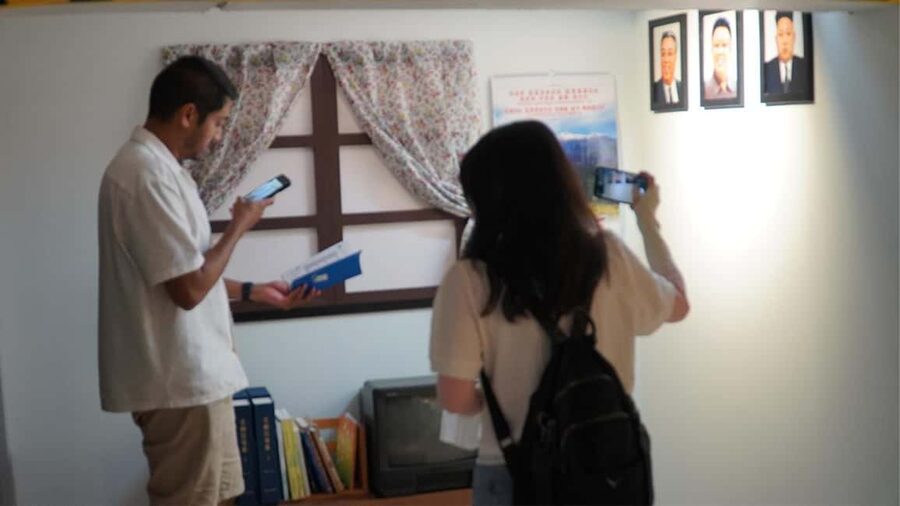
The displays include photo areas modeled on a North Korean home and classroom, along with everyday household objects. These details matter because they shift the focus away from missiles, guards, and political slogans. You get a visual sense of how the tour wants you to think about daily life, education, and family routines.
Documentary screenings add another layer. They are intended to show life in North Korea through filmed accounts and scenes, not just through a guide’s explanation. I would treat the material as an introduction rather than a complete picture, but it gives you useful questions to ask during the live session.
The most distinctive part is the meeting with a North Korean defector. You can ask questions directly and hear personal experiences in a way that a display panel cannot provide. A commemorative photo with the speaker is also offered, which some people will value as a personal record of the day. Ask permission and be respectful when taking part. This is not a theatrical performance, and the subject matter can be serious.
The guide’s role matters here. Guides named in the tour feedback include Han, Sophia, Yoon, Katie, KC, and Mimi, though you will not know your assigned guide until the day. The strongest accounts describe guides who explained the Korean War clearly, answered questions patiently, and kept the day on time. Katie was singled out for detailed explanations, while Sophia was praised for being friendly, punctual, and helpful.
A few more DMZ trips worth comparing
- Best DMZ Tour Korea from Seoul (Red Suspension Bridge Optional)
★ 5.0 · 41,422 reviews - DMZ Tour: 3rd Tunnel, Option(Suspension Bridge, Boat) from Seoul
★ 5.0 · 21,373 reviews - DMZ tour south Korea from Seoul (NK experience hall, defector)
★ 5.0 · 20,599 reviews
Starting from central Seoul
The tour offers three pickup points: Myeongdong Station Exit 10, City Hall Station, and Hongik University Station Exit 3. After pickup, expect about an hour in the van before reaching the DMZ area.
That first ride is useful preparation time. Your guide can set out the basic history of the Korean War, explain the division between North and South Korea, and tell you how the day’s security rules work. The van also saves you the trouble of arranging separate transport to the border area.
Hotel pickup is not part of the standard $40 price. It can be arranged for an additional KRW 15,000 if your hotel is in Jongno-gu, Jung-gu, Yongsan-gu, Mapo-gu, Seodaemun-gu, or Dongdaemun-gu. If you use one of the station meeting points, arrive ready for a prompt departure and watch for individual pickup instructions.
The vehicle is not a place for smoking, alcohol, or drugs. Traffic can slow the journey, particularly in busy seasons, so avoid scheduling a tight evening reservation after the tour.
Imjingak and Mangbaedan: the human cost of division
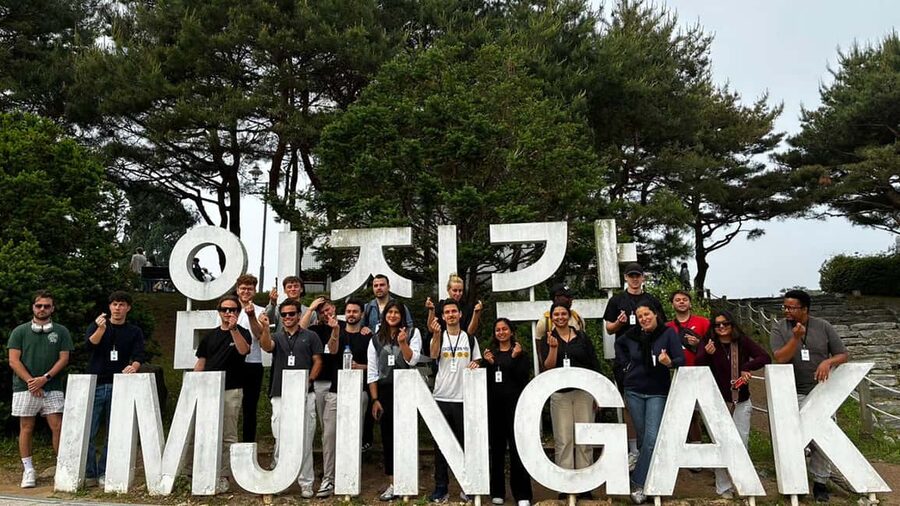
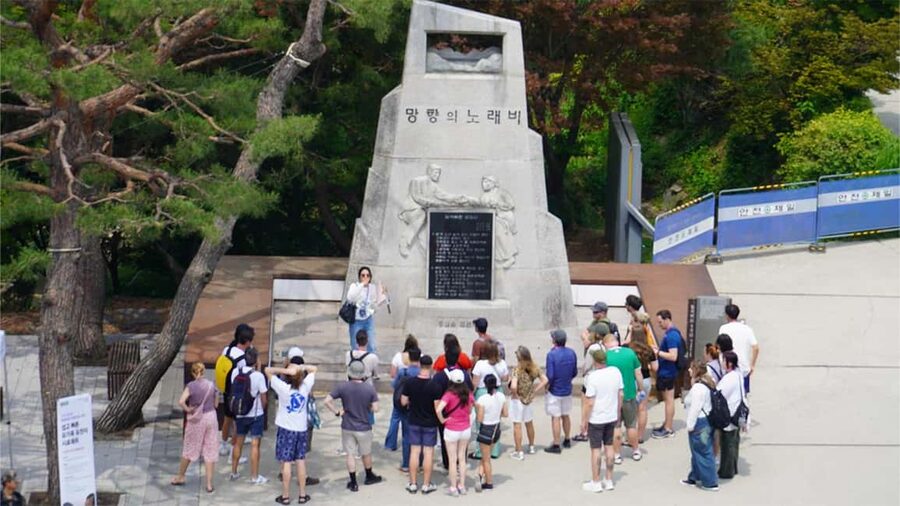
Imjingak is one of the most meaningful early stops because it connects the military border with families separated by the division. The park includes Mangbaedan, a memorial site where people have honored relatives they cannot visit in North Korea.
Your guide’s commentary is important here. Without context, Imjingak can look like another open public park with monuments and photo areas. With an explanation of divided families and the long-term effects of the Korean War, the site becomes more personal.
Allow time to walk, take photos, and listen. The schedule lists about an hour at Imjingak, followed by a guided visit to Mangbaedan. The precise order or length can change according to local conditions.
This is also a good point to keep your expectations in check. The DMZ is not a theme park, and the emotional weight of the site may be greater than its physical appearance suggests. I like this stop because it gives you a reason to care about the people affected by the border, not only the politics behind it.
Freedom Bridge and the meaning of a simple crossing
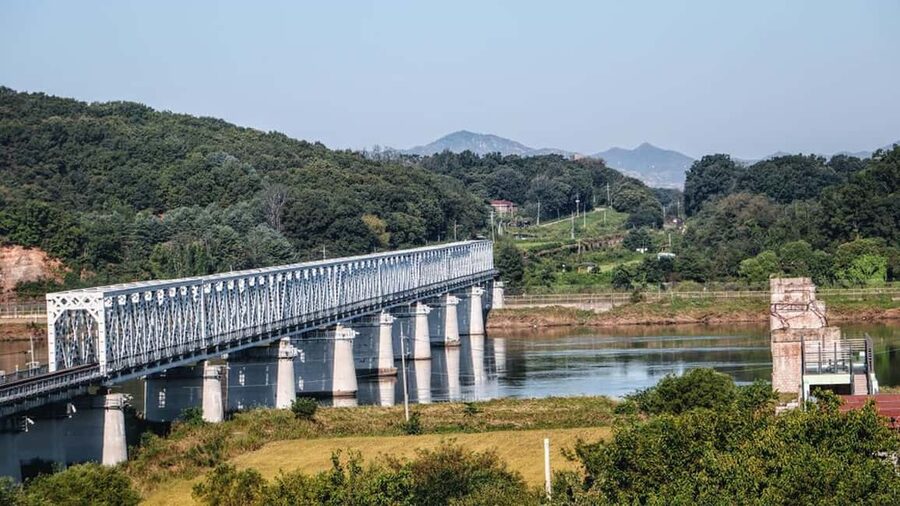
Freedom Bridge is one of the tour’s strongest historical stops. The bridge is associated with prisoners of war and people returning to the South after the Korean War. Its name carries more weight once you understand how limited movement became after the conflict.
Your guide explains what the bridge represents and how the armistice shaped the border. You will have time for photos, but this is a place where listening first makes sense. The setting can look peaceful, which makes the story of separation and military tension feel especially stark.
The stop also helps connect the wider history to the present. The Korean Peninsula remains divided, and the DMZ is not simply an old battlefield preserved for visitors. Access, viewing areas, and the route may change because the region is still under security controls.
Same base, a completely different sort of day:
- DMZ Insider Tour: 3rd Tunnel, NK Defector Meet & Red Bridge
★ 4.9 · 15,214 reviews - Seoul: DMZ Tour with Optional Suspension Bridge
★ 4.8 · 5,277 reviews - Signature DMZ Tour: Exclusive Defector Talk & Suspension Bridge
★ 5.0 · 4,459 reviews - Thrilling Korean DMZ 3rd Tunnel Tour from Seoul + Red Bridge Rush
★ 5.0 · 3,097 reviews
The Third Tunnel of Aggression
The Third Tunnel adds a more physical understanding of the conflict. It is an underground passage associated with an attempted North Korean military route toward the South. The guide explains its purpose and the wider network of tunnels discovered in the area.
The visit can involve walking and may be tiring for some people. The tour specifically advises against booking if you have mobility impairments, back problems, heart problems, or are pregnant. Wheelchair users and people over 70 are also listed as unsuitable for this activity, and children under 10 are not accepted.
I would wear practical shoes and bring only what you need. The tunnel is not the place for a large bag or casual footwear. A passport is required to enter the DMZ, so keep it accessible rather than buried in your luggage.
The tunnel is valuable because it turns an abstract security story into something you can physically picture. You are not merely told that the border was dangerous. You see the scale and design of a passage built for military purposes.
Dora Observatory and the limits of the view
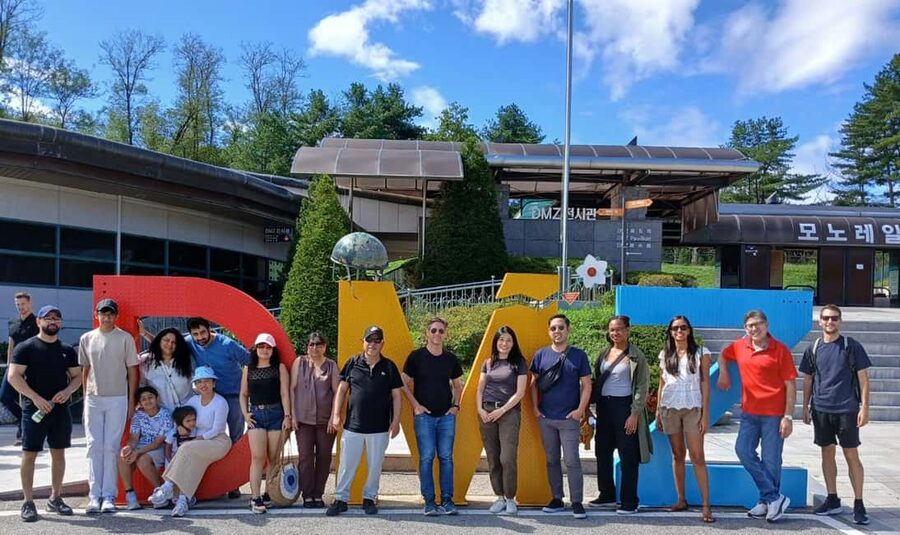
Dora Observatory is the stop most people picture when they imagine a DMZ tour. From here, you look toward North Korea, with the guide identifying points of interest when conditions allow.
Weather makes a real difference. Rain, haze, and poor visibility can reduce the view, so I would choose the clearest day available if you have flexibility. One visitor specifically found that rainy conditions made the view toward North Korea difficult. Even on a clear day, this is not guaranteed sightseeing in the usual sense. Security rules and access can affect what you see.
The value of Dora Observatory is partly visual and partly symbolic. You are standing at a controlled viewpoint looking toward a country that is geographically close but politically difficult to reach. Your guide’s explanation gives the view meaning, especially after you have visited the tunnel and Freedom Bridge.
Bring a camera, but do not let the perfect photograph become the whole purpose of the stop. The view can be limited, and the guided context is what makes the visit worthwhile.
Gamaksan, Aegibong, and the route question
The day’s stated route also includes Gamaksan Suspension Bridge and Aegibong Peace Eco Park. Gamaksan offers a photo stop and guided visit, while Aegibong is listed for about two hours of guided exploration.
These additions could appeal to you if you want more scenery and a broader look at border-region sites. They also make the day more ambitious. A route that includes Imjingak, Mangbaedan, Freedom Bridge, the Third Tunnel, Dora Observatory, Gamaksan, and Aegibong requires careful timing, especially with an hour of travel each way.
The published schedule also lists a two-hour guided visit to Gyeongbokgung Palace, which does not fit neatly with every other stop in an 8 to 9-hour DMZ day. Some parts may reflect alternate routes or a broader operating schedule rather than one guaranteed sequence. Ask the provider which stops are included on your date before you pay, especially if Gamaksan, Aegibong, or Gyeongbokgung is important to you.
This is one of the few points where I would not book blindly. The core DMZ route is clear, but the extra attractions need confirmation. Tour plans can change because of security conditions, road traffic, and access restrictions.
Transport, group size, and the real value of $40
At $40 per person, this is a strong deal if your main goal is a guided DMZ visit with the North Korea Experience Hall included. You receive transportation from central Seoul, an English-speaking guide, access to the exhibition hall, and visits to major DMZ sites. Booking the same combination independently would be difficult, especially because border access is controlled and routes can change.
The price does not include lunch or drinks. Pack food or plan to buy something if a meal break is available, but do not assume a restaurant stop. The day lasts 8 to 9 hours, so bring water and a small snack.
The maximum group size is 30. That is not intimate, and a large group can make it harder to hear or move quickly at busy stops. Groups may be split during the day, though the operator aims to keep people together.
The guide can help before and after certain scheduled activities, but will not participate during the session itself. This matters if you expect constant personal attention. You will get the most from the day by staying close, listening carefully, and asking questions when the guide opens the floor.
The activity has a 4.7 rating from 34 bookings, with strong praise for organization, punctuality, guide care, and historical explanations. The repeated names include Han, Sophia, Katie, KC, Mimi, and Yoon. Guide assignments vary, but the pattern is useful: the quality of the day depends heavily on who leads it and how clearly that person explains a complicated subject.
What to bring and how to prepare
Bring your valid passport. You cannot enter the DMZ without it, and a photograph or photocopy is not listed as an alternative.
Wear comfortable shoes and clothing suitable for walking. The Third Tunnel and the border sites can make for a physically demanding day, and the tour is not suitable for people with several mobility or medical limitations.
Keep your schedule flexible. Pickup times and the exact route may change on site. Traffic during peak periods can cause delays, and border access is not entirely under the tour operator’s control.
I would also prepare a few questions before you go. The North Korea Experience Hall and the defector session are much more useful when you think beyond the usual headlines. Ask about daily routines, education, family separation, or how life differs from the image presented by state media. Keep questions respectful and avoid treating personal hardship as entertainment.
Children under 10 are not suitable for the activity, and anyone under 14 must be accompanied by a guardian. Photos taken during the day may be used for promotional purposes, so ask the provider if you have concerns about appearing in them.
Should you book this DMZ and North Korea experience?
I would book it if you want more than a quick border photo. The combination of the North Korea Experience Hall, a defector Q&A, Imjingak, Freedom Bridge, the Third Tunnel, and Dora Observatory gives you both personal and military context. The $40 price is fair, especially with transport and an English-speaking guide included.
I would hesitate if you need a relaxed day, guaranteed clear views, or a short, tightly defined route. The schedule is long, the group may be large, and the additional stops listed for Gamaksan, Aegibong, and Gyeongbokgung need confirmation.
For most history-minded visitors, this is a practical first visit to the DMZ. Book it with your passport in hand, carry your own lunch money, choose a clear-weather day if possible, and confirm the exact stops before departure.
FAQ
How long does the tour last?
The tour lasts about 8 to 9 hours, including roughly one hour of travel each way between Seoul and the DMZ area. Traffic and on-site conditions can affect the timing.
Where can I meet the tour?
Pickup is available from Myeongdong Station Exit 10, City Hall Station, and Hongik University Station Exit 3. Individual pickup details and timing are provided before the tour.
Is hotel pickup included?
Standard pickup is from the listed central Seoul meeting points. Hotel pickup is available for an additional KRW 15,000 at hotels in Jongno-gu, Jung-gu, Yongsan-gu, Mapo-gu, Seodaemun-gu, or Dongdaemun-gu.
Do I need my passport?
Yes. A valid passport is required to enter the DMZ, so bring it with you on the day.
Are food and drinks included?
No. Meals and drinks, including lunch, are not included in the tour price.
Can children or people with mobility limitations join?
Children under 10 are not suitable for this activity, and participants under 14 must have a guardian. The tour is also not suitable for wheelchair users, people with mobility impairments, people with back or heart problems, pregnant women, or people over 70.
Newest DMZ trips on the site
- Seoul: DMZ & Live Talk with North Korean Defector★ 4.9 · 50 reviews
- Seoul: DMZ Tour with Japanese-Speaking Guide★ 5.0 · 28 reviews
- Seoul: DMZ 2nd Tunnel and Suspension Bridge Tour★ 4.8 · 56 reviews
- Seoul: DMZ, 3rd Tunnel, Odusan or Suspension Private Tour★ 5.0 · 4 reviews
- Seoul: Closest DMZ Observatory with North Korea View (1.4km)★ 4.9 · 10 reviews
- From Seoul: Private DMZ and Odusan Observatory Full-Day Tour★ 4.9 · 34 reviews
- Private DMZ SPY Tour from Incheon Airport★ 4.6 · 7 reviews
- DMZTour from Seoul:3rd Tunnel,North Korea View&UNESCO Valley★ 5.0 · 3 reviews
DMZ Tours, compared.
Best DMZ Tour Korea from Seoul (Red Suspension Bridge Optional)
Read our review →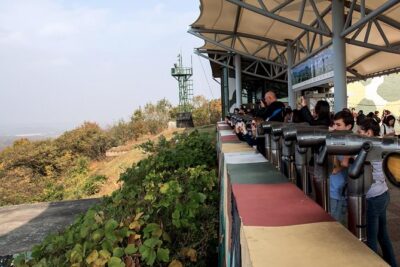
DMZ Tour: 3rd Tunnel, Option(Suspension Bridge, Boat) from Seoul
Read our review →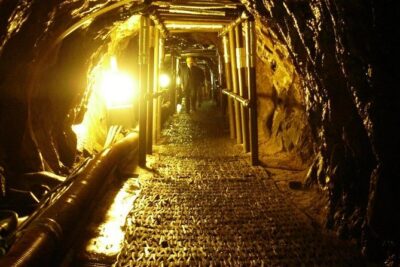
DMZ tour south Korea from Seoul (NK experience hall, defector)
Read our review →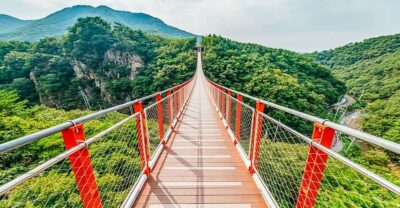
DMZ Insider Tour: 3rd Tunnel, NK Defector Meet & Red Bridge
Read our review →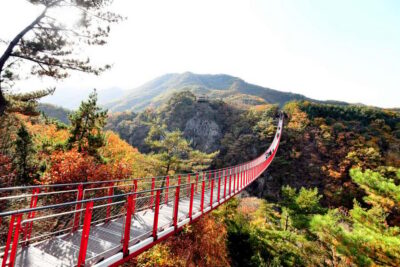

Signature DMZ Tour: Exclusive Defector Talk & Suspension Bridge
Read our review →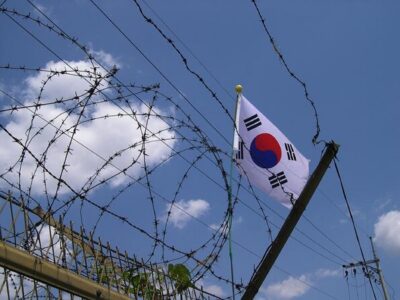
Thrilling Korean DMZ 3rd Tunnel Tour from Seoul + Red Bridge Rush
Read our review →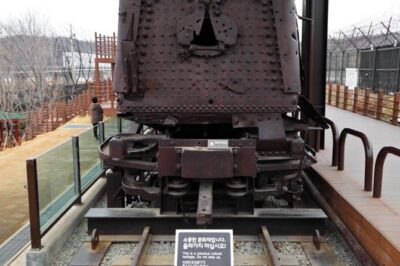
DMZ Past and Present: Korean Demilitarized Zone Tour from Seoul
Read our review →Browse the lists this tour appears in