
Reviewed · SEOUL TOURS
Korean Cooking at Seoul Cooking Club
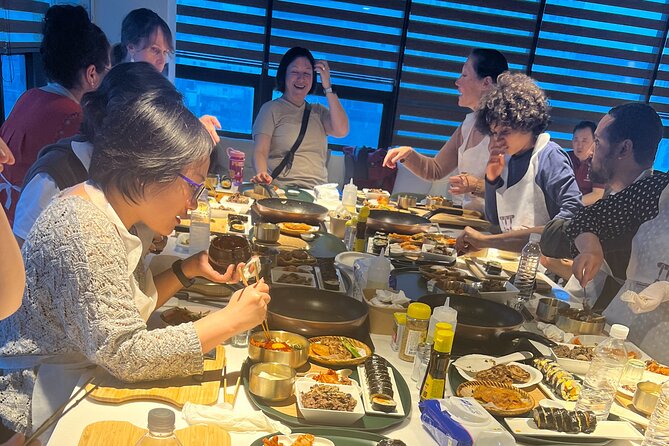
Korean Cooking at Seoul Cooking Club is less about watching a chef work and more about getting your hands into the food. In roughly 2.5 hours, you may prepare classics such as bulgogi, bibimbap, gimbap, japchae, several kinds of jeon, and dessert, then sit down to eat the results.
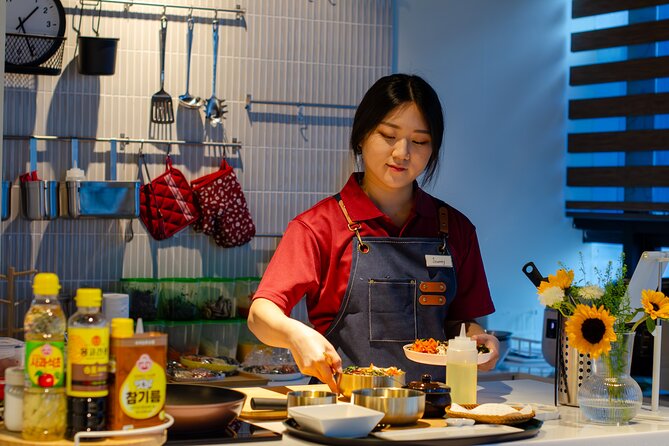
I like the wide spread of dishes, which gives you a useful introduction to Korean flavors in one sitting. I also like the friendly teaching style associated with instructors such as Olivia, Sally, Elly, and Grace, who explain techniques clearly and help beginners keep pace.
The main consideration is that this suits a first Korean cooking lesson more than an advanced culinary workshop. Much of the preparation may already be done, so you may assemble and finish dishes rather than start every recipe from raw ingredients.
Key points to know before booking
- Seven or more Korean dishes may appear on the menu: Common examples include bulgogi, bibimbap, gimbap, japchae, three types of jeon, and dessert.
- You get a full meal, not just samples: The portions are generous, and many people have food left to take away.
- The group is capped at 12: That keeps the lesson personal enough for questions and individual help.
- Dietary needs can be accommodated: Vegan, vegetarian, pescatarian, gluten-free, halal, and some allergy-related requests are supported.
- You receive useful take-home extras: A cookbook is provided, and some sessions also include a small tote bag.
- The location is central and easy to reach: Meet at 71-6 Jongno 2(i)-ga in Jongno District, near public transportation.
A Korean meal built around variety
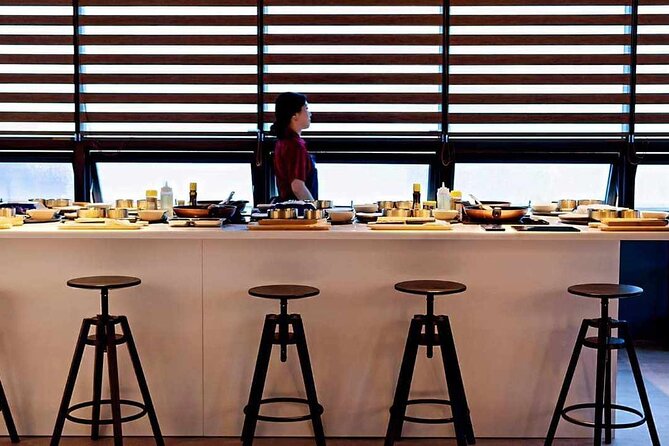
The appeal here is simple: instead of spending two hours on one difficult recipe, you get a broad look at Korean home-style and restaurant-style food. The class is described as a three-course meal with around ten Korean flavors, including appetizers, main dishes, and dessert.
The exact menu can vary, but the recurring lineup gives you a good sense of the range. Bulgogi brings sweet and savory marinated meat. Bibimbap shows how rice, vegetables, seasoning, and sauce work together. Gimbap teaches a different kind of balance, with fillings rolled inside seasoned rice and seaweed.
Japchae adds slippery glass noodles and a soft, savory texture. Jeon, often described as Korean pancakes, gives you something crisp and pan-cooked. Several types may be prepared in the same session, making the class feel especially generous for the price.
You are not simply handed a plate at the end. You help prepare the food, taste the dishes, and learn how ingredients affect the final result. That matters because Korean cooking can look mysterious on a restaurant menu. After this class, names such as japchae, gimbap, bibimbap, and bulgogi have more meaning.
More Cooking Classes in Seoul:
- Local Home Korean Cooking Class & Market Adventure in Seoul
★ 5.0 · 1,024 reviews - Master Korean traditional cooking with a Kimchi chef
★ 5.0 · 385 reviews - Seoul: Korean Cooking Class at a Local Home and Market Tour
★ 5.0 · 348 reviews
What happens during the 2.5-hour class
The experience is offered as brunch, lunch, or dinner, so you can fit it around a day of sightseeing in Seoul. You meet at 71-6 Jongno 2(i)-ga, in the Jongno District, and return to the same location when the activity ends.
The class begins with instruction and preparation. The instructors explain the ingredients, show the basic methods, and guide you through the work. The teaching is designed for mixed abilities, so you do not need to arrive as a confident cook.
Expect a social format. With no more than 12 people, you have a chance to ask questions without being lost in a large demonstration. The small size also makes it easier to work alongside a partner, family group, or other people visiting Seoul.
As the dishes come together, you taste what you have made and learn how Korean flavors fit together. Korean beverages, tea, water, and sujeonggwa may also be served. Sujeonggwa is a sweet cinnamon and ginger punch, and it makes a refreshing change from the savory food.
At the end, you sit down to share the meal. This is where the class earns much of its value. You are not rushing from one recipe to another with a tiny tasting spoon. The food is substantial, and several people have enough left over to take back for another meal.
What the cooking is really like
If you want a professional kitchen lesson with advanced knife work, sauce development, and every ingredient measured from the beginning, this may feel basic. Some ingredients are prepped or precooked, and one participant described the session as closer to assembling and finishing than full-scale cooking.
That is not necessarily a flaw. It keeps the class moving and lets you cover a large number of dishes in a short time. Beginners can focus on seasoning, shaping, rolling, pan-frying, mixing, and presentation instead of struggling with every preliminary task.
I would think of this as a practical introduction to Korean food rather than a rigorous chef-training course. You learn the foundations and the names of important dishes, but the main goal is a fun, successful meal.
The class also gives you a useful lesson in Korean flavor balance. Several dishes may use familiar building blocks such as soy sauce, sesame, vegetables, rice, noodles, and savory marinades, yet they taste quite different when combined in new ways. The instructors explain why ingredients are used, not only where to put them.
That context helps when you eat elsewhere in Seoul. A menu becomes easier to understand, and you can recognize the difference between a rice dish, a noodle dish, a pancake, and a roll. You also leave with recipes that can help you recreate some of the food at home.
The instructors make a real difference
The class has featured Olivia, Sally, Elly, and Grace, along with support staff. The most consistent strength is the teaching style: clear demonstrations, patient help, and an easy willingness to answer questions about Korean food and culture.
Olivia is described as friendly, clear, and particularly helpful for beginners. Sally is praised for making the process simple and keeping the mood light. Elly is associated with careful explanations of gimbap and useful tips for the other dishes, while Grace is noted for explaining the foundations of Korean flavor and the reasons behind particular ingredients.
Names and staffing can change, so you should not book on the assumption that one particular instructor will lead your session. Still, the teaching approach appears consistent: practical, encouraging, and focused on helping you succeed.
That matters for a cooking class aimed at international visitors. You may be working with unfamiliar ingredients and techniques, and clear instruction prevents the session from becoming confusing. The instructors also help bridge the cultural gap by explaining how the food connects with menus, street food, and everyday Korean eating.
A few more Seoul trips worth comparing
- Seoul: Gyeongbok Palace, Bukchon Village, and Gwangjang Tour
★ 4.9 · 2,321 reviews - Full Day Tour In The Soop BTS Ver in PyeongChang Filming Location
★ 5.0 · 1,709 reviews - Best Seoul City Tour (Gyeongbokgung Palace,Insadong,Namsan Tower)
★ 5.0 · 1,647 reviews - Small-Group Royal Palace and Seoul City Tour (hotel pick-up)
★ 5.0 · 1,474 reviews
Dietary options and food restrictions
The class specifically offers vegan, vegetarian, pescatarian, gluten-free, and halal options. It can also address some individual dietary restrictions and allergies when communicated in advance.
One participant with a peanut allergy and restrictions against beef and pork was able to eat all the prepared food. That is encouraging, but you should still provide your requirements when booking and confirm them before the class. Dietary substitutions can affect the menu, so the final dishes may differ from the standard session.
This flexibility is one of the strongest reasons to consider the experience if your group has mixed diets. You can cook together rather than sending one person off to find a separate meal.
Do not assume that every ingredient will suit you simply because an option is listed. Be specific about allergies and restrictions, and ask the provider to confirm what can be prepared safely. The available information supports accommodation, but it does not promise that every request can be handled in every session.
How much food do you receive?
Come hungry. The food is not an afterthought, and the class is built around a proper shared meal.
Depending on the menu, you may prepare seven or more dishes plus dessert. A typical session can include gimbap, three kinds of jeon, bibimbap, japchae, bulgogi, and a sweet finish. The advertised experience also refers to ten Korean flavors, including both savory and sweet items.
That amount of food changes the way you should plan the day. A large breakfast before a brunch class or a heavy lunch before an evening class would be a mistake. You can expect to eat repeatedly during the session and then sit down for a more complete meal afterward.
Leftovers are another practical benefit. Several participants were able to package extra food for later, which is useful if you are staying in a hotel or apartment. The amount you take away will depend on the group and the portions, but you should not expect to leave hungry.
The cookbook adds value too. It gives you a way to repeat the dishes at home, although you may need to find Korean ingredients or suitable substitutes after returning home.
Is $109 a fair price?
At $109 per person, this is not the cheapest food activity in Seoul. Its value depends on what you want from the class.
If you only want to taste Korean food, you can spend less at a market or restaurant. If you want a serious, ingredient-by-ingredient culinary course, you may prefer a smaller specialist workshop. This class sits between those options.
You are paying for 2.5 hours of instruction, a substantial meal, a small group, a broad menu, drinks or tea, dietary flexibility, and recipe materials. The number of dishes is the key value point. Seven dishes plus dessert can make the price reasonable, especially when the food doubles as lunch or dinner.
The experience is also a good choice for a first day in Seoul. It gives you an early introduction to Korean food, helps you meet other people, and teaches you enough vocabulary to make later restaurant visits less confusing. The mobile ticket makes arrival simpler, and the meeting point is near public transportation.
For a family, the class can work well because the cooking is accessible and the food is served afterward. A family of five can take part together, though you should consider the total cost carefully. For a solo visitor, the small group creates an easy setting for meeting people without committing to a long tour.
Who will enjoy this most?
I would recommend the class to first-time visitors who want a hands-on cultural activity without a full-day commitment. It is also well suited to people who enjoy eating more than they enjoy difficult cooking.
Beginners should feel comfortable. The instructions are broken into manageable steps, and the staff helps you along the way. You do not need advanced kitchen skills to take part.
It works particularly well for:
- Couples looking for an evening activity
- Families who want a shared experience
- Solo visitors hoping to meet other people
- Food lovers who want to understand Korean menu items
- Visitors with dietary restrictions who need advance accommodation
- Cooks who want a practical introduction to Korean techniques
Experienced home cooks may find the preparation too limited. Because ingredients can be prepped ahead of time, you may not learn every stage of each recipe. The reward is variety and a successful meal, not a demanding culinary challenge.
Practical details that matter
The activity lasts approximately 2 hours and 30 minutes and ends at the starting point. It is near public transportation, which makes it easier to combine with sightseeing in central Seoul.
The group maximum is 12 people. That is large enough for a social atmosphere but small enough for individual help. A mobile ticket is provided, and confirmation is received at booking.
Service animals are allowed. If you have food allergies or follow a vegan, halal, vegetarian, pescatarian, or gluten-free diet, communicate that requirement before attending rather than waiting until the class begins.
Free cancellation is available when you cancel at least 24 hours before the local start time. Cancellations or changes made within 24 hours are not accepted for a refund.
Should you book Seoul Cooking Club?
Book it if you want a friendly, food-heavy introduction to Korean cuisine, especially if you are new to Korean cooking. The combination of bulgogi, bibimbap, gimbap, japchae, jeon, dessert, drinks, and a recipe book gives you plenty to eat and plenty to remember.
I would skip it if your main goal is advanced technique or complete control over every ingredient from raw preparation onward. The class favors an easy pace, broad variety, and social fun over intense culinary training.
For most visitors, the best reason to book is the mix of dishes. In one short session, you learn how several of Seoul’s most familiar foods are made, taste the results, and leave with a better sense of what to order during the rest of your trip.
FAQ
How long does the Korean cooking class last?
The experience lasts approximately 2 hours and 30 minutes.
Where does the activity begin and end?
You meet at 71-6 Jongno 2(i)-ga in Seoul’s Jongno District. The activity ends back at the same meeting point.
What dishes might be prepared?
The menu can include bulgogi, bibimbap, gimbap, japchae, several types of jeon, appetizers, main dishes, and dessert. The experience includes around ten Korean flavors, though the exact menu may vary.
Can dietary restrictions be accommodated?
Yes. Vegan, vegetarian, pescatarian, gluten-free, and halal options are available. Some allergies and additional restrictions can also be accommodated when communicated in advance.
How many people can join the class?
The maximum group size is 12 people.
What is the cancellation policy?
You can receive a full refund if you cancel at least 24 hours before the experience start time. Cancellations or changes made less than 24 hours before the start time are not refunded.
Newest Seoul trips on the site
- Seoul : Must-see & Hidden Gems Private Walking Tour★ 4.9 · 8 reviews
- Seoul: Lotte World Aquarium Ticket★ 4.5 · 10 reviews
- Seoul: Max Out Must Visit City Highlights Panoramic Day Tour★ 5.0 · 7 reviews
- Seoul: K-Fashion Shopping Tour with a Professional Stylist★ 5.0 · 5 reviews
- From Seoul: Korea Spring Cherry Blossom Day Tour★ 4.8 · 6 reviews
- Seoul: Guided Street Food Tour at Namdaemun Market★ 5.0 · 10 reviews
- Seoul: Jisan Forest Winter Ski Day Tour with Basic Lesson★ 4.4 · 6 reviews
- Jisan Forest Resort: Ski Full-Day Tour or Shuttle from Seoul★ 5.0 · 4 reviews
Seoul Tours, compared.
Gyeongbok Palace, Bukchon Village, and Gwangjang Tour
Read our review →
Full Day Tour In The Soop BTS Ver in PyeongChang Filming Location
Read our review →
Best Seoul City Tour (Gyeongbokgung Palace,Insadong,Namsan Tower)
Read our review →
Small-Group Royal Palace and Seoul City Tour (hotel pick-up)
Read our review →
Seoul City Sightseeing Tour Including Gyeongbokgung Palace, N Seoul Tower, and Namsangol Hanok Village
Read our review →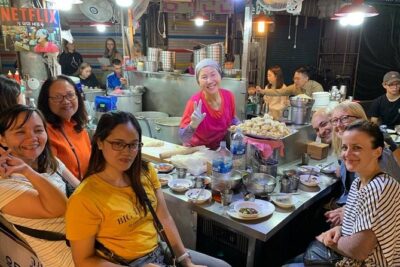
Gyeongbok Palace, Bukchon Village, and Gwangjang Tour
Read our review →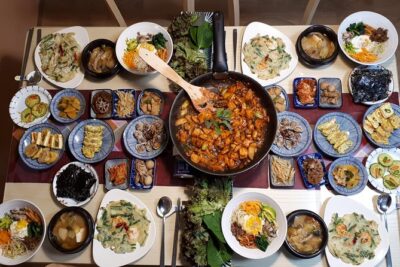
Local Home Korean Cooking Class & Market Adventure in Seoul
Read our review →Browse the lists this tour appears in