
Reviewed · DMZ TOURS
Ultimate Korea DMZ Tour from Seoul (Gondola & Suspension Bridge)
The most striking part of this DMZ tour from Seoul is the mix of serious history and hands-on sights. You walk through the Third Tunnel, peer toward North Korea from Dora Observatory, cross the Imjin River by gondola, and see memorials built around the hope of reunification. It is not just a bus ride to a border fence.
I like the wide range of stops and the guides’ personal style. Nancy, Emily, Diane, Alex, and several other guides receive repeated praise for clear explanations, humor, good timing, and a warm connection to Korea’s divided past. I also like that the price includes transportation and admission fees at about $35 per person.
The main drawback is the pace. You cover a lot in roughly seven and a half hours, and the Third Tunnel and suspension bridge require real walking, including uphill sections. Lunch is not included, and you return to central Seoul rather than to your hotel.
Key points to know before booking
- The Third Tunnel is physical: Expect a long walk downhill into a narrow tunnel, followed by a tiring uphill return.
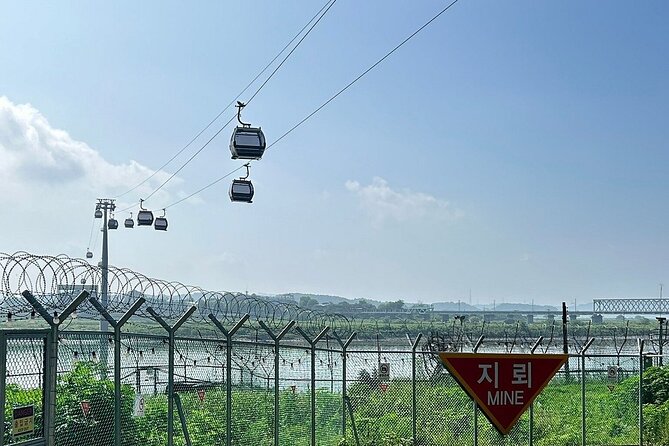
- The gondola adds a rare viewpoint: The Paju Imjingak Peace Gondola crosses the Imjin River beyond the Civilian Control Line.
- The guides make the difference: Nancy, Emily, Diane, Alex, Gogo, Hana, and others are praised for strong English, historical context, and keeping large groups on time.
- The schedule is packed: You see memorials, bridges, observatories, a steam locomotive, the tunnel, a village, and a suspension bridge in one day.
- You need identification: Bring your passport, military ID, or South Korea-issued ARC for the Unification Bridge checkpoint.
- You finish in central Seoul: Drop-off is at Hongdae, Seoul City Hall, or Myeongdong, not at your hotel.
Why this DMZ day trip is worth your time
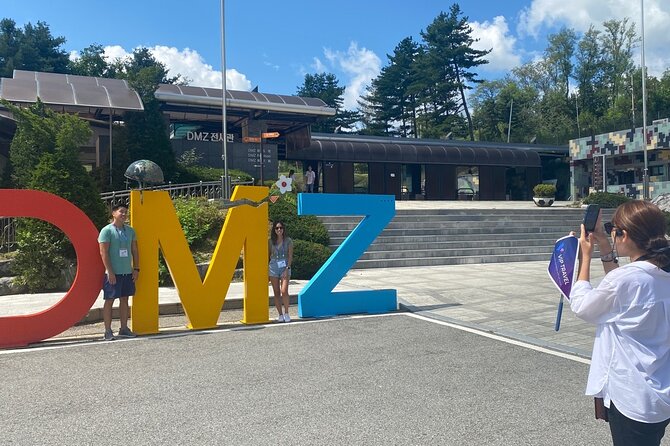
The Korean Demilitarized Zone is a 4-kilometer-wide strip created after the 1953 armistice. It separates North and South Korea, but it also preserves a strange mixture of military tension, family grief, wildlife, memorials, and hopes for peace.
This tour gives you several ways to understand that divide. You hear about the Korean War while riding north from Seoul, then see places tied to prisoners of war, separated families, military checkpoints, and attempted infiltration. The result is more useful than simply looking across a distant border.
At $35, the value is strong. Round-trip transport, a guide, and admission fees are included. The day also covers sights that would be awkward to link together by public transport, especially the checkpoint areas and the gondola crossing.
The low price comes with a trade-off. This is a group tour, with a maximum of 150 people, and the schedule has little spare time. You get range rather than a slow, private visit.
More Cable Car Rides in the DMZ
- DMZ Guided Tour with Suspension Bridge / Gondola from Seoul
★ 5.0 · 876 reviews - Seoul: DMZ Guided Tour with Suspension Bridge and Gondola
★ 4.9 · 553 reviews - DMZ Guided tour from Seoul with Suspension Bridge or Gondola
★ 5.0 · 319 reviews
Meeting in Seoul and riding north
You can meet the group at Myeongdong Subway Station Exit 9, Seoul City Hall Subway Station Exit 6, or Hongdae Subway Station Exit 3. These are practical central locations, but check your meeting instructions carefully because the group may leave earlier than the posted time to reach the DMZ before crowds build.
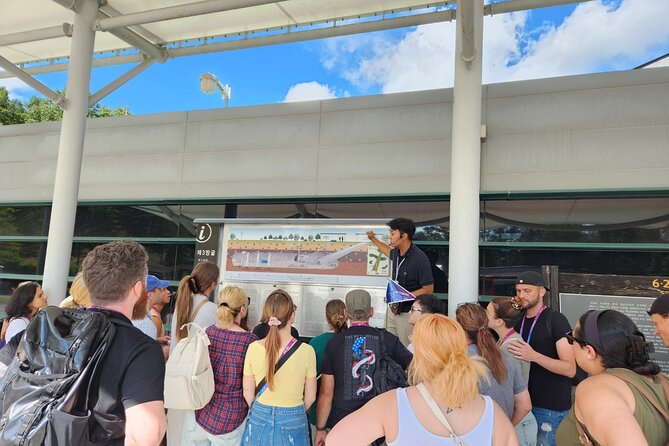
The air-conditioned vehicle matters here. You spend a fair amount of time on the road, and the bus gives your guide room to explain the war, the armistice, and the political meaning of the sites ahead.
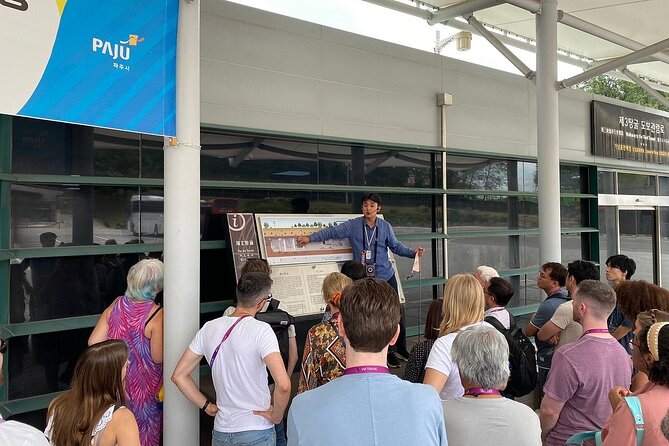
Guides such as Nancy and Alex are praised for keeping the group moving while still adding stories and family connections. That skill matters on a route with many timed stops. A guide who gives a clear meeting point and a firm return time can save you from missing the bus.
Imjingak Peace Park: where memory becomes public
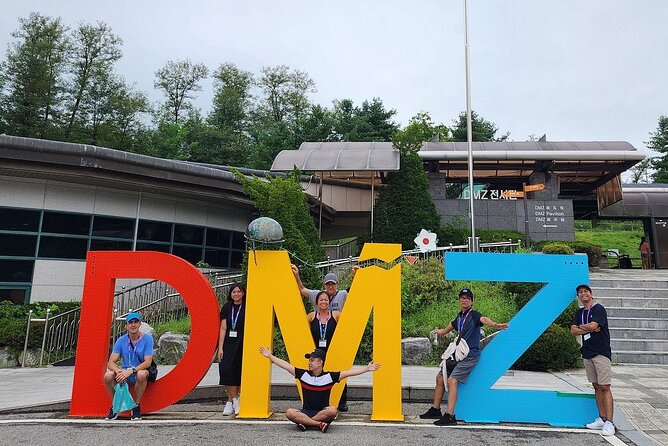
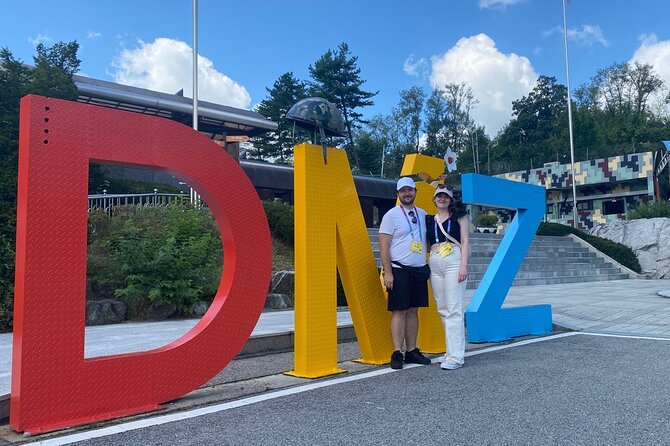
Your first major stop is Imjingak Pyeonghwa-Nuri Park, a place built around peace and reunification. The setting combines open grounds, exhibits, memorials, bridges, and objects from the Korean War.
You may see the rusted steam locomotive associated with Jangdan Station, a reminder of the railway that once linked the Korean Peninsula. You also visit the Peace Bell, a 21-ton bronze bell cast in 2002, and Mangbaedan Memorial Altar, where families remember relatives who remained in North Korea.
These stops can feel symbolic at first, but your guide helps connect them to ordinary people. The division is not only a military issue. It separated families, interrupted rail routes, and turned holidays into moments of mourning for people who could not return home.
The park also includes Dokgae Bridge and Seoul Battleship Park. The variety keeps the opening part of the tour from becoming one long lecture. You move between outdoor sights, historical objects, and places for reflection.
Give yourself enough time for photographs, but listen closely for instructions. Military rules can affect where you may take pictures, especially when North Korean territory or security facilities are visible.
The Peace Gondola across the Imjin River
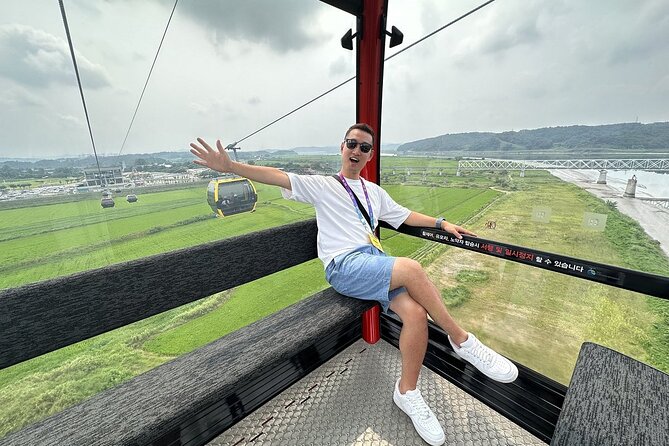
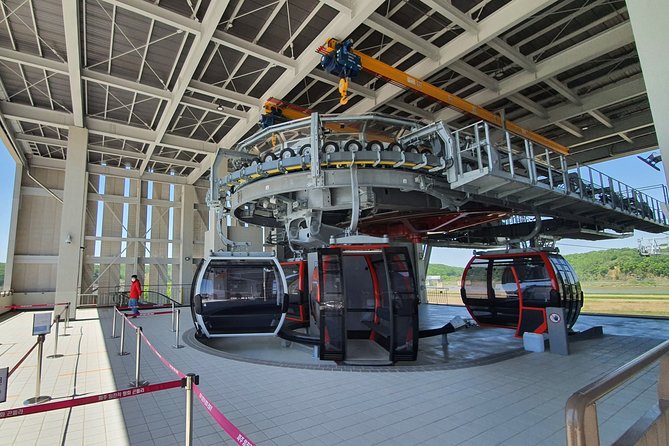
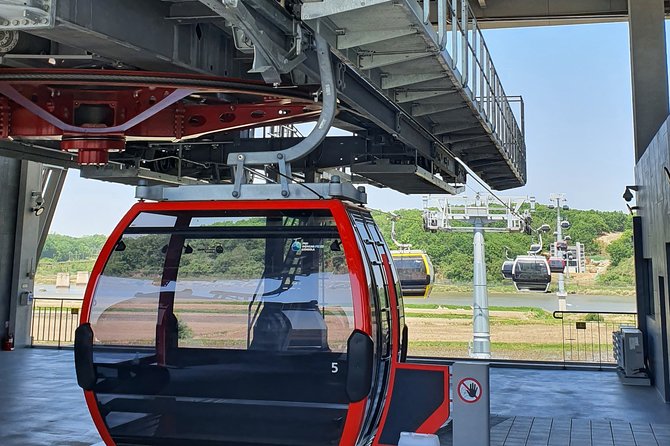
The Paju Imjingak Peace Gondola is one of the tour’s most unusual features. Completed in 2020, it crosses the Imjin River and travels beyond the Civilian Control Line, giving you a view of an area that is not normally open for casual exploring.
The ride lasts about an hour as part of the stop. From the cabin, you see the river and the guarded zone from above rather than from a roadside viewpoint. That change in angle helps you understand how close the border is to ordinary South Korean communities.
The gondola is marked optional in the schedule, so confirm how it applies to your booking. The supplied tour details list admission fees as included, but optional activities can sometimes depend on the day’s route or operating conditions.
I would choose it if available. The ride is short compared with the full day, yet it provides one of the clearest visual links between the memorial park and the DMZ beyond it.
Same base, a completely different sort of day:
- Best DMZ Tour Korea from Seoul (Red Suspension Bridge Optional)
★ 5.0 · 41,422 reviews - DMZ Tour: 3rd Tunnel, Option(Suspension Bridge, Boat) from Seoul
★ 5.0 · 21,373 reviews - DMZ tour south Korea from Seoul (NK experience hall, defector)
★ 5.0 · 20,599 reviews - DMZ Insider Tour: 3rd Tunnel, NK Defector Meet & Red Bridge
★ 4.9 · 15,214 reviews
Bridges, trains, and the meaning of return
The Bridge of Freedom has a strong human story. Built as a temporary wooden crossing after the armistice, it carried 12,773 prisoners back to South Korea in 1953. Its name points to a simple wish: that movement across the border might one day become normal again.
At Dokgae Bridge, you see another crossing damaged by war. The bridge once connected North and South across the Imjin River, but today it carries the weight of a divided peninsula rather than regular traffic.
The locomotive at Jangdan Station adds another layer. This weathered steam engine once ran along the Gyeongui Line before the war stopped the railway. For me, this is the kind of object that makes history easier to grasp. A ruined train can explain a broken connection faster than a page of dates.
The Peace Bell and Mangbaedan altar shift the mood again. One expresses hope for reunification, the other the pain of families who cannot visit ancestral homes. The tour works best when you allow these quieter stops time to sink in.
The Unification Bridge checkpoint
The bus briefly stops at the Unification Bridge military checkpoint. Soldiers inspect the vehicle and verify identification, so keep your passport, military ID card, or South Korea-issued ARC easy to reach.
This is not a theatrical border crossing. It is a working security procedure, and the rules are part of the experience. You should expect instructions about photography and movement, and you need to follow them without argument.
The bus then crosses the Imjin River. The area has been protected from ordinary development since the armistice, and the route may offer views of birds and other wildlife. Do not expect a wildlife tour, but the quiet river corridor gives you a sharp contrast with Seoul’s dense streets.
The Third Tunnel: memorable, but physically demanding
The Third Tunnel of Aggression is often the day’s hardest stop. North Korea dug the tunnel toward South Korea, and the passage was later discovered and opened as a historic site.
You walk down into the tunnel and then face the return climb. The passage is narrow, so you need to watch your head and manage your pace. The uphill walk back is the part that catches people off guard. Several tour comments point to the effort required, and one guide made a point of warning that the tunnel return is difficult.
I would not choose this tour if you cannot handle steep walking or confined spaces. There are limited options for anyone with mobility concerns, and the route does not offer a simple bypass for every physical challenge.
The tunnel’s final viewing area can also feel modest after the effort. You may spend much of the stop walking for a brief look toward the sealed section. The site museum and displays can provide more context than the final window, so use your available time wisely.
Still, the tunnel gives the DMZ a physical dimension. You are not only hearing that the border was contested. You are standing inside a passage built for that conflict.
Dora Observatory and the view toward North Korea
Dora Observatory offers one of the closest official views of North Korea from the South Korean side. Rebuilt in 2018, it sits on Mount Dora and looks across the border region.
The view depends on weather and visibility. On a clear day, telescopes help you study the North Korean side, including settlements and distant terrain. You may find that the view feels less dramatic than expected, because distance and security restrictions limit what you can see.
That is part of the lesson. The border is close, but access remains controlled. Photography is restricted in certain areas, so do not assume you can photograph everything visible through the telescopes.
The tour description also refers to Mount Odu Unification Observatory, including the chance to see North Korea through a telescope and buy North Korean products. The detailed route identifies Dora Observatory instead. If that distinction matters to you, confirm the exact observatory included on your departure date.
Tongilchon village and the optional suspension bridge
Tongilchon-gil takes you to a village near the Civilian Control Line, where local products include Jangdan soybeans. This stop gives the day a more ordinary community setting after the military sites and memorials.
Lunch is not included. Some departures may include time for a meal in the Unification Village, but you should budget separately and ask your guide what food arrangements apply that day. One comment found the restaurant meal acceptable but wished the food had been explained more clearly.
The optional Gamaksan Red Suspension Bridge is a different sort of stop. Built in 2018, the bridge stretches 150 meters and honors Korean War heroes. It is 1.5 meters wide and crosses a wooded setting near the DMZ.
You need a reasonable level of fitness here. The bridge itself is not the only issue. The approach can involve uphill walking, and the timetable allows about an hour. If you enjoy views and a little height, this is one of the day’s most enjoyable additions.
Majang Lake is another optional suspension bridge stop. Its bridge crosses a reservoir and is longer at 220 meters. The bridge may bounce slightly as you walk, and the water and surrounding greenery offer a welcome change after the war memorials and concrete military sites.
Because the route is already full, confirm whether your booking includes Gamaksan, Majang Lake, or a choice between them. The schedule describes both as optional.
Guides, group size, and the pace of the day
The strongest part of this experience is the guiding. Nancy receives repeated praise for energy, humor, useful shopping tips, and clear reminders about military rules. Emily is praised for strong historical explanations and courteous help. Diane, Alex, Gogo, Hana, Crystal, Jenny, Ray, Moon, Kelly, and Alice are also singled out for warmth, organization, or clear English.
That range suggests a consistent guide team, but your exact guide is not guaranteed. The important thing is to expect active commentary throughout the bus ride and at each stop, not a silent transfer between attractions.
The schedule moves quickly. Keep your belongings together, note the bus location, and return before the meeting time. This is especially important when your group includes many people.
The tour can suit families because the sights are varied, but younger children may struggle with the tunnel, the long bus day, and the need to follow military instructions. Adults interested in modern history, divided nations, and Korean politics will get the most from it.
What to bring and how to prepare
Bring your passport or accepted identification. Wear sturdy shoes for the tunnel, observatory paths, and suspension bridge approaches.
Plan for changing weather, since several stops are outdoors. Keep lunch money available, and do not count on hotel drop-off at the end. You return to Hongdae, Seoul City Hall, or Myeongdong, all useful places for dinner or onward sightseeing.
The cancellation policy is simple: you can receive a full refund if you cancel at least 24 hours before the start time. Changes or cancellations inside that window are not accepted for a refund.
Should you book this DMZ tour?
I would book it if you want a broad, efficient introduction to the DMZ and prefer having transport, a guide, and entrance fees handled together. The $35 price is hard to fault for a full day that includes the Third Tunnel, Dora Observatory, Imjingak, military checkpoints, and the gondola or suspension bridge options.
I would skip it if you need a slow schedule, hotel pickup and drop-off, or a fully accessible route. The day is packed, lunch costs extra, group sizes can be large, and the tunnel and bridge sections demand stamina.
For most first-time visitors to Seoul, this is a strong use of one day. Choose it for the combination of history and unusual viewpoints, not for a relaxed sightseeing pace.
FAQ
How long does the DMZ tour last?
The tour lasts approximately 7 hours and 30 minutes.
Where can I meet the tour in Seoul?
Meeting points are Myeongdong Subway Station Exit 9, Seoul City Hall Subway Station Exit 6, and Hongdae Subway Station Exit 3.
Where does the tour end?
Drop-off is available at Hongdae, Seoul City Hall, or Myeongdong. Hotel drop-off is not included.
Is transportation included?
Yes. Round-trip transportation in an air-conditioned vehicle is included.
Is lunch included?
No. Lunch is not included in the tour price.
Do I need to bring my passport?
Yes. At the Unification Bridge checkpoint, you must have your passport, military ID card, or South Korea-issued ARC for identification checks.
Is the gondola included?
The Paju Imjingak Peace Gondola is listed as an optional activity. The tour details state that admission fees are included, but you should confirm the gondola arrangement for your specific departure.
Is the suspension bridge included?
The Gamaksan Red Suspension Bridge and Majang Lake bridge are listed as optional stops. Confirm which option applies to your booking.
Is the Third Tunnel difficult?
Yes. The route includes a downhill walk into the tunnel and a tiring uphill walk back. The passage is also narrow.
Can I cancel for a full refund?
You can cancel for a full refund at least 24 hours before the experience start time. Cancellations or changes made less than 24 hours before the start time are not refunded.
Newest DMZ trips on the site
- Seoul: DMZ & Live Talk with North Korean Defector★ 4.9 · 50 reviews
- Seoul: DMZ Tour with Japanese-Speaking Guide★ 5.0 · 28 reviews
- Seoul: DMZ 2nd Tunnel and Suspension Bridge Tour★ 4.8 · 56 reviews
- Seoul: DMZ, 3rd Tunnel, Odusan or Suspension Private Tour★ 5.0 · 4 reviews
- Seoul: Closest DMZ Observatory with North Korea View (1.4km)★ 4.9 · 10 reviews
- From Seoul: Private DMZ and Odusan Observatory Full-Day Tour★ 4.9 · 34 reviews
- Private DMZ SPY Tour from Incheon Airport★ 4.6 · 7 reviews
- From Seoul: DMZ Tour and North Korea Experience Hall★ 4.7 · 34 reviews
DMZ Tours, compared.
Best DMZ Tour Korea from Seoul (Red Suspension Bridge Optional)
Read our review →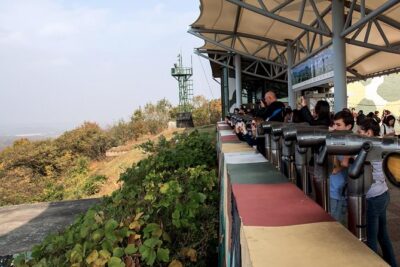
DMZ Tour: 3rd Tunnel, Option(Suspension Bridge, Boat) from Seoul
Read our review →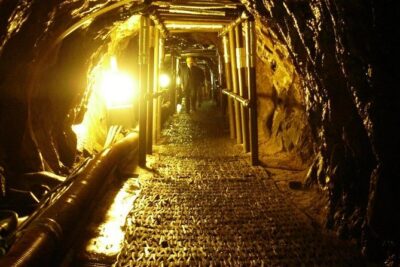
DMZ tour south Korea from Seoul (NK experience hall, defector)
Read our review →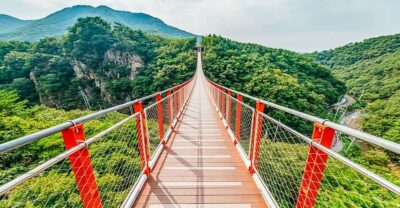
DMZ Insider Tour: 3rd Tunnel, NK Defector Meet & Red Bridge
Read our review →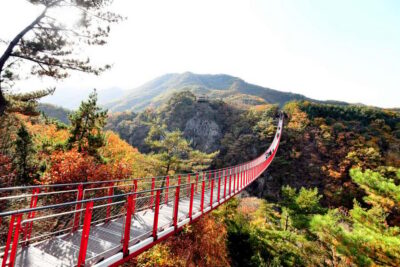

Signature DMZ Tour: Exclusive Defector Talk & Suspension Bridge
Read our review →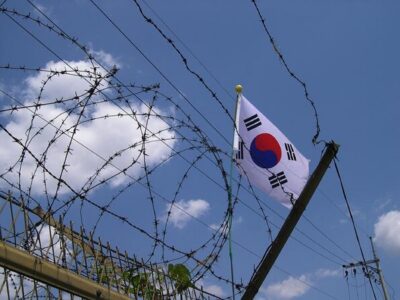
Thrilling Korean DMZ 3rd Tunnel Tour from Seoul + Red Bridge Rush
Read our review →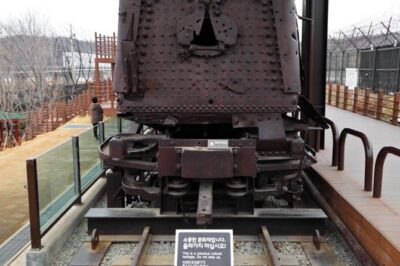
DMZ Past and Present: Korean Demilitarized Zone Tour from Seoul
Read our review →Browse the lists this tour appears in