
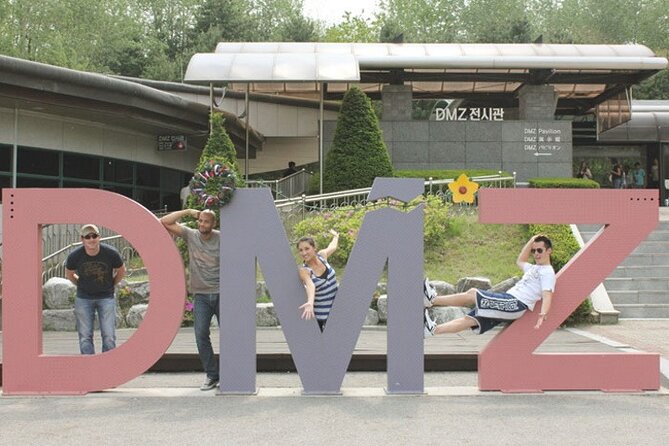
Reviewed · DMZ TOURS
365-day DMZ Special Tour including Monday & Public Holiday
The most striking part of this day is the sudden change from Seoul’s busy streets to a restricted military zone where the Korean War still shapes daily life. You can look toward North Korea from Dora Observatory, walk near the Freedom Bridge, and hear the story behind the Third Tunnel. I like the strong historical focus, and I also like the practical pickup from central subway stations. Guides such as Sookhee, Young, Roy, Chloe, and Veronica are praised for keeping the day clear, warm, and well organized.
The key catch is that Mondays and public holidays follow a different route because the Third Tunnel and several DMZ sites close. You still get a meaningful day, but you will see the DMZ through memorials, viewpoints, and the gondola rather than the standard tunnel itinerary. The schedule also moves briskly, so comfortable shoes and a willingness to walk matter.
What makes this DMZ tour worth considering
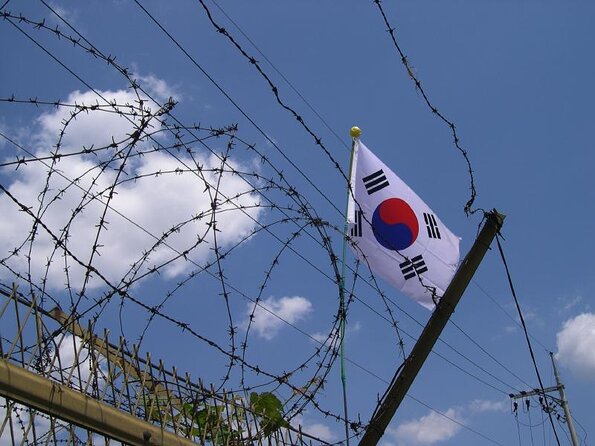
- A rare look across the border: Dora Observatory gives you a chance to see toward North Korea from the western front.
- Two distinct itineraries: Tuesday through Sunday includes the Third Tunnel and Unification Village, while Mondays and public holidays use the DMZ gondola, Gloster Hill, and Heroes Suspension Bridge.
- A guide-led history lesson: English-speaking guides explain the Korean War, the division of the peninsula, and the meaning of each memorial.
- Useful Seoul pickup: You meet at selected subway stations instead of arranging your own transport to the DMZ.
- A full but manageable day: The tour lasts about nine hours and usually returns to central Seoul around 3:30 p.m.
- Good value for a border excursion: At $59 per person, transport and a professional guide are included, though lunch is not.
Why the DMZ makes a strong day trip from Seoul
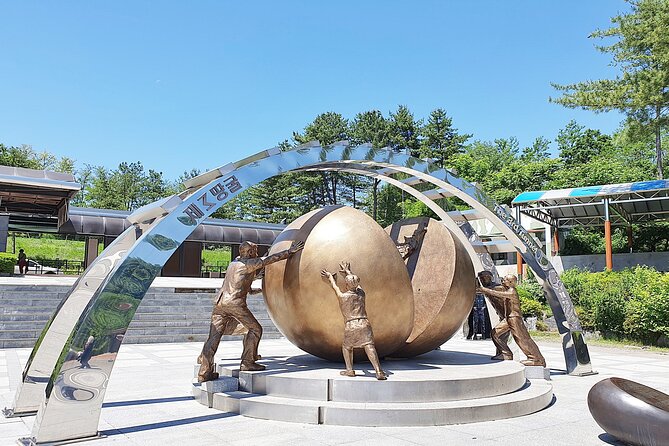
The DMZ is close to Seoul by distance, but it is not a simple place to visit independently. Access depends on military rules, controlled roads, and changing security conditions. This tour takes care of the difficult part: getting you from the city to the border area and explaining what you are seeing.
I find the experience most useful when you treat it as a history trip, not a sightseeing trophy. The border views are memorable, but the stronger moments often come from the memorials, refugee stories, and reminders that the Korean War ended with an armistice rather than a peace treaty.
The day is guided in English and can include up to 40 people. That is not an intimate private outing, but it keeps the price low and gives you a structured way to visit places that are difficult to reach alone. Guides named Sookhee, Young, Roy, Chloe, and Veronica have each been singled out for being friendly, organized, funny, and clear in their explanations.
A few more DMZ trips worth comparing
- Best DMZ Tour Korea from Seoul (Red Suspension Bridge Optional)
★ 5.0 · 41,422 reviews - DMZ Tour: 3rd Tunnel, Option(Suspension Bridge, Boat) from Seoul
★ 5.0 · 21,373 reviews - DMZ tour south Korea from Seoul (NK experience hall, defector)
★ 5.0 · 20,599 reviews
Starting early from Seoul’s subway network
Pickup times vary by season. In the busier period from early March through late June and early September through early January, pickup begins between 6:00 and 6:50 a.m. In the quieter season, it begins between 7:00 and 7:50 a.m.
The meeting points are at selected Seoul subway stations, with City Hall Station listed as the main start and finish. The tour departs on time from each stop, so I would arrive at least 10 minutes early. A subway station meeting point is far easier than finding a remote bus terminal, but you need to check the exact pickup point selected for your booking.
The early start helps. Roads toward the border can become slow, and the tour has several controlled-entry sites to fit into one day. Bring water and a snack for the ride. Lunch is not included, and the Monday route may offer very few food choices. One account of the Monday schedule found only Dunkin’ Donuts open, so do not assume you will find a full meal at midday.
Imjingak Peace Nuri Park and the Freedom Bridge
Imjingak is the emotional starting point. The park was created as a place of comfort for people who fled North Korea during the Korean War. It includes monuments connected with separation, soldiers, and the hope of reunification.
The Freedom Bridge is the best-known feature. Prisoners of war crossed here after the conflict, and the bridge now carries heavy symbolic weight. You also see a soldiers’ memorial and other reminders of the families and communities split by the border.
You get about an hour here, which is enough to look around and listen to your guide, but not enough for a slow museum visit. I would stay close to the guide’s timing. This first stop gives you the human side of the division before the tour moves into more restricted areas.
The North Korea Experience Hall adds a modern educational angle. It is intended to explain daily life and the country beyond the simplified images often presented in the news. If you want political background before looking toward the border, this short visit can help set the scene.
The Tuesday through Sunday route: tunnel, theater, and border views
From Tuesday through Sunday, the main itinerary moves deeper into the controlled area. The Third Infiltration Tunnel is the headline stop for many people.
South Korean authorities discovered the tunnel in 1978. It extends for 1,635 meters and was built to support an invasion from North Korea. Only part of it is open to visitors, but the visit gives you a physical sense of the scale and secrecy involved.
The tunnel is not an easy walk for everyone. The route is steep in places, and the tour information specifically warns that the Third Tunnel and Gamaksan Heroes Bridge require a moderate level of fitness. People with heart conditions, other serious medical issues, or pregnancy should not plan on taking this route.
You have about 30 minutes at the tunnel, so you will need to keep moving. Large personal items may also be inconvenient in a narrow underground passage, though the supplied information does not specify storage arrangements. Wear shoes with a good grip and expect a physical visit rather than a quiet museum stop.
Same base, a completely different sort of day:
- DMZ Insider Tour: 3rd Tunnel, NK Defector Meet & Red Bridge
★ 4.9 · 15,214 reviews - Seoul: DMZ Tour with Optional Suspension Bridge
★ 4.8 · 5,277 reviews - Signature DMZ Tour: Exclusive Defector Talk & Suspension Bridge
★ 5.0 · 4,459 reviews - Thrilling Korean DMZ 3rd Tunnel Tour from Seoul + Red Bridge Rush
★ 5.0 · 3,097 reviews
Dorasan Peace Park and the Korean War story
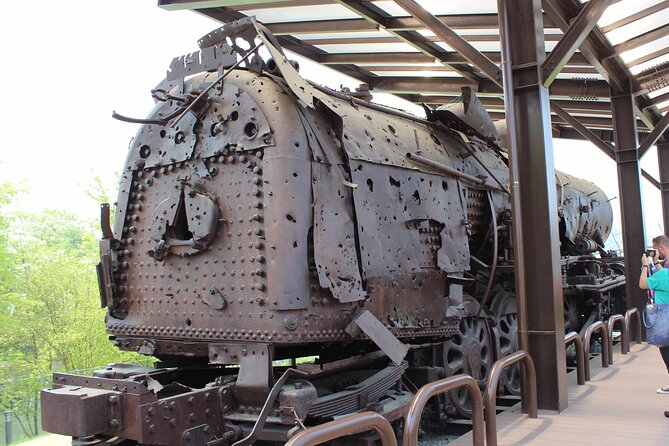
Dorasan Peace Park includes a theater and exhibition hall. A short film, about eight minutes long, presents South Korea’s view of the Korean conflict and its aftermath.
This stop is brief, but it gives the tour a useful pause between the tunnel and the border viewpoint. I like the mix of film, exhibits, and spoken explanation because the history can otherwise feel like a string of monuments and military sites.
The presentation is South Korean in perspective. That is important to remember as you listen. Your guide can add context, but this is not designed as a neutral academic seminar. It is a structured introduction to the war, the division, and the hope of reunification from the South Korean side.
Dora Observatory and the view toward North Korea
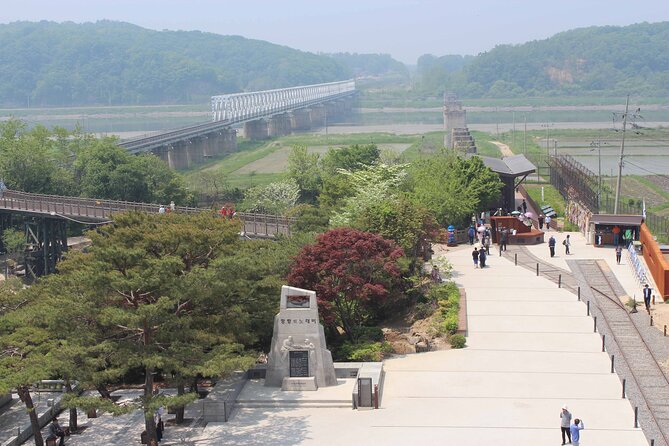
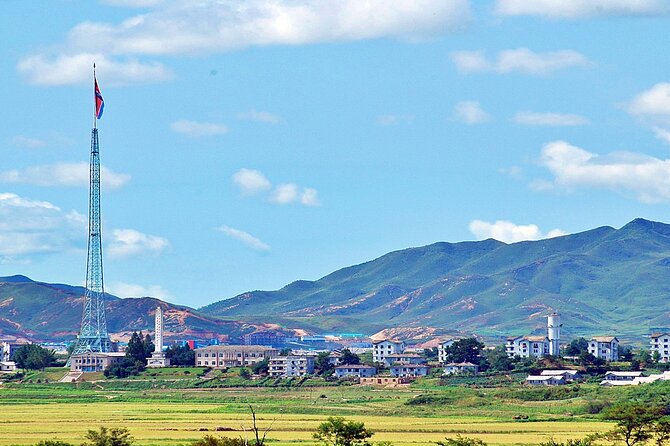
Dora Observatory sits on Dorasan Mountain and looks across the border. From here, you may see North Korean territory, nearby settlements, military facilities, and the surrounding countryside.
Weather matters greatly at this stop. Fog, rain, or haze can reduce the view, and the border itself can feel surprisingly distant. On a clear day, the viewpoint makes the division concrete. On a gray day, the indoor visuals and videos still give you something to study.
Keep your expectations sensible. This is not a guaranteed close-up view of North Korea, and security rules may affect where you can look or photograph. The value is in standing at a controlled viewpoint and seeing how close the two countries are geographically despite their political separation.
Tongilchon Village inside the Civilian Control Zone
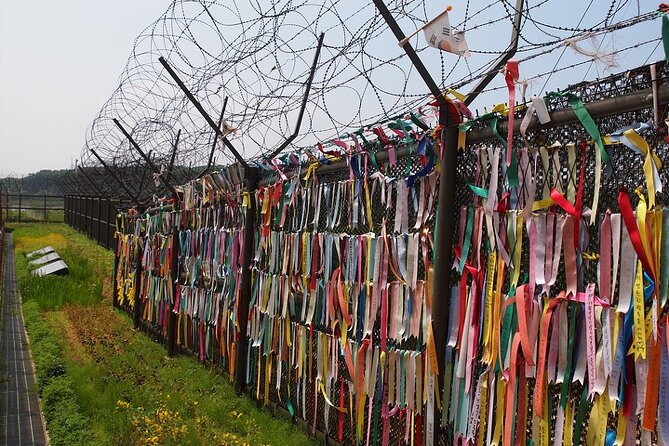
Tongilchon Village lies within the Civilian Control Zone and does not appear on most ordinary maps. The area is connected with agriculture, including Jangdan soybeans, and offers a look at life in a place shaped by military restrictions.
The stop lasts about 20 minutes, so it is more of a short orientation than a full village visit. Still, it helps you see that the DMZ is not only fences, watchtowers, and war memorials. People live and work around the controlled zone, with the border affecting the rhythm of everyday life.
The Tuesday through Sunday route then returns to Seoul. Due to traffic or major events, the final drop-off may change from City Hall Station to Hongik University Station in Hongdae. That is worth keeping in mind if you have an evening booking or restaurant reservation.
The Monday and public holiday route
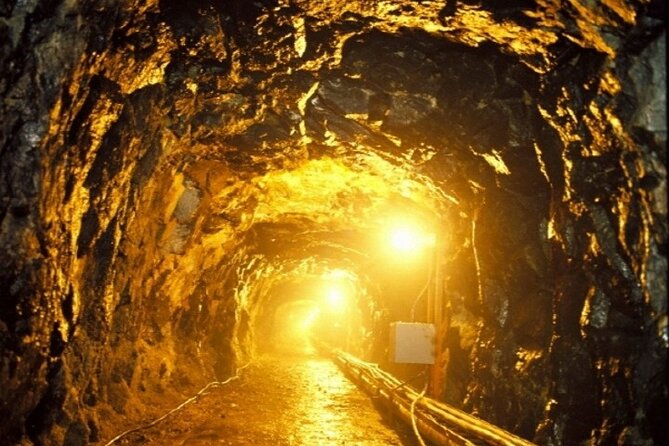
Monday is not simply a lesser version of the tour. It is a different day with its own focus. The Third Tunnel, Dorasan Observatory, and Unification Village are generally unavailable, so the route turns toward the DMZ Peace Gondola, alternative observatories, British war memorials, and the Heroes Suspension Bridge.
This makes the Monday option useful for people whose schedule leaves no other choice. It also suits anyone more interested in Korean War memorials and outdoor scenery than in entering the tunnel. Guides such as Sookhee and Veronica have been praised for keeping this alternative route informative and enjoyable.
The trade-off is clear: you cannot compare Monday directly with the standard route. If entering the Third Tunnel or seeing Dora Observatory is your top goal, book Tuesday through Sunday instead.
The DMZ Peace Gondola and alternate viewpoints
The Imjin River carries much of the emotional weight of the region. The DMZ Peace Gondola crosses the river and gives you a different way to understand the controlled border area.
Monday and public holiday tours may also visit Jangsan Natural Observatory or Odusan Unification Observatory. These viewpoints offer wide views toward the border area and help fill the role normally played by Dora Observatory.
Scenery is a pleasant counterpoint to the difficult history. You might see a peaceful river, hills, and open countryside, yet know that the area remains subject to military restrictions. That contrast is one of the most memorable parts of the alternative itinerary.
Gloster Hill, Heroes Suspension Bridge, and wartime memory
Gloster Hill Memorial Park honors the British Army’s Gloucestershire Regiment, which fought Chinese forces during the Korean War. The stop adds an international dimension to a conflict often taught through Korean and American history alone.
The Heroes Suspension Bridge was once Korea’s longest suspension bridge and was also the site of fierce fighting. Crossing it adds a physical element to the story, although the bridge and Gloster Hill can close because of bad weather or security restrictions.
This section can be demanding. You should expect walking, stairs, and a quick pace between stops. If the bridge or memorial closes, the tour may substitute Odusan Unification Observatory or the War Memorial of Korea. No refund is provided for an individual site closure, since the tour continues with an adjusted route.
How the $59 price works out
At $59, this is a strong value if you want transport from Seoul and a guide who can explain the border area. You are paying for a full-day excursion, not simply a bus ride. The included professional English-speaking guide is especially useful because military sites can be confusing without context.
The price does not include lunch, drinks, or hotel pickup and drop-off. You need to reach the designated subway meeting point and plan your own food. That keeps the base price reasonable, but it means the final cost and effort are slightly higher than the headline figure suggests.
A maximum of 40 people is allowed. The group may feel large at busy stops, and time at each site is limited. Still, the cost compares well with arranging private transport and access on your own, which is not straightforward in this region.
Walking, timing, and practical preparation
The tour lasts about nine hours, with an advertised return around 3:30 p.m. The timing can shift because of traffic, military schedules, weather, and security checks. Keep the rest of your day flexible.
I would pack:
- Comfortable walking shoes
- Water and a snack
- Weather protection
- A small bag that is easy to carry
- Identification if requested by the operator or site staff
The itinerary moves quickly. One stop may offer only 20 or 30 minutes, and the group needs to return to the vehicle on schedule. You will have some free time, but this is not a slow, independent day.
The DMZ can also close without warning. If that happens, the operator may replace a site with something similar, without a refund. The tour requires a minimum of five participants and can be changed or canceled if that number is not reached.
Free cancellation is available up to 24 hours before the start time. Cancellations or changes inside that window are not refunded or accepted. Poor weather or an insufficient group may lead to a different date, another experience, or a full refund.
Who should book this experience
I would choose this tour if you want a clear introduction to the Korean War and the present-day division of the peninsula without arranging complicated transport. It is also a smart pick if you are visiting Seoul on a tight schedule and want to return in the afternoon.
It suits people who appreciate history, guided explanations, and a full day with several short stops. It is less suitable if you dislike early starts, group travel, controlled schedules, or walking on uneven and hilly routes.
Families and older visitors should pay close attention to the physical demands of the Third Tunnel and Heroes Suspension Bridge. The tour information calls for moderate fitness, and that is a fair warning rather than a minor footnote.
Should you book the 365-day DMZ Special Tour?
Book it if you want a practical, fairly priced introduction to the DMZ and can accept a busy day with changing military rules. The strongest features are the transport from Seoul, the historical explanation, and the chance to see both symbolic sites and border viewpoints.
If you can choose your date, Tuesday through Sunday offers the fullest standard route, including the Third Tunnel, Dora Observatory, and Tongilchon Village. If Monday or a public holiday is your only opening, the alternate route is still worthwhile, especially for Gloster Hill, the gondola, and Heroes Suspension Bridge. Just book with the understanding that you are choosing a different experience, not a reduced copy of the weekday route.
FAQ
How long does the DMZ tour last?
The experience lasts approximately nine hours and is scheduled to return to central Seoul around 3:30 p.m.
Where does the tour begin?
The main meeting point is City Hall Station in Seoul, with pickup also available at selected subway stations depending on the option chosen.
What days does the tour operate?
The tour operates on Mondays, public holidays, and other listed operating days, but it does not run on regular safety inspection days, which occur on the first Monday of March, June, September, and December.
Is lunch included?
No. Lunch, food, and drinks are not included, so you should bring a snack or plan for the limited food options available during the route.
Is the Third Tunnel visited every day?
No. The Third Tunnel is generally visited Tuesday through Sunday. The Monday and public holiday route replaces it with other sites.
What happens on Mondays and public holidays?
The route may include Imjingak Peace Nuri Park, the DMZ Peace Gondola, Jangsan Natural Observatory or Odusan Unification Observatory, Gloster Hill Memorial Park, and Heroes Suspension Bridge.
Is the tour physically demanding?
Yes. The Third Tunnel and Heroes Suspension Bridge can require significant walking and are described as physically demanding. Moderate physical fitness is recommended.
What happens if weather or security rules close a site?
The itinerary may be changed. Gloster Hill Memorial Park and Heroes Suspension Bridge may be replaced by Odusan Unification Observatory or the War Memorial of Korea. The DMZ can also close without advance notice.
Can I cancel for a refund?
You can cancel at least 24 hours before the experience start time for a full refund. Cancellations or changes made less than 24 hours ahead are not accepted or refunded.
Newest DMZ trips on the site
- Seoul: DMZ & Live Talk with North Korean Defector★ 4.9 · 50 reviews
- Seoul: DMZ Tour with Japanese-Speaking Guide★ 5.0 · 28 reviews
- Seoul: DMZ 2nd Tunnel and Suspension Bridge Tour★ 4.8 · 56 reviews
- Seoul: DMZ, 3rd Tunnel, Odusan or Suspension Private Tour★ 5.0 · 4 reviews
- Seoul: Closest DMZ Observatory with North Korea View (1.4km)★ 4.9 · 10 reviews
- From Seoul: Private DMZ and Odusan Observatory Full-Day Tour★ 4.9 · 34 reviews
- Private DMZ SPY Tour from Incheon Airport★ 4.6 · 7 reviews
- From Seoul: DMZ Tour and North Korea Experience Hall★ 4.7 · 34 reviews
DMZ Tours, compared.
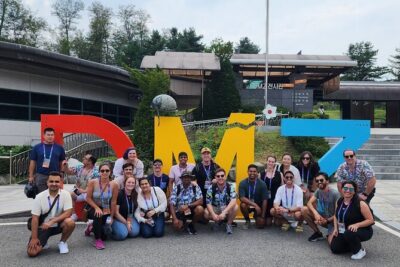
Best DMZ Tour Korea from Seoul (Red Suspension Bridge Optional)
Read our review →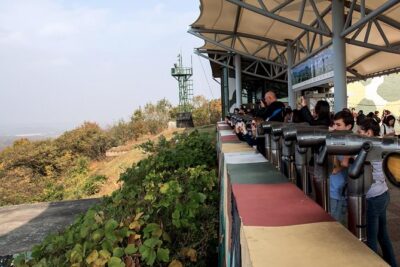
DMZ Tour: 3rd Tunnel, Option(Suspension Bridge, Boat) from Seoul
Read our review →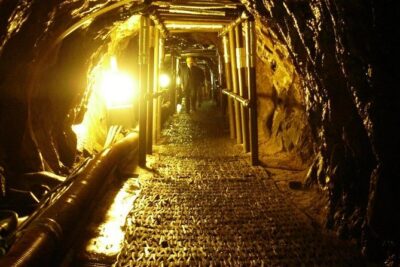
DMZ tour south Korea from Seoul (NK experience hall, defector)
Read our review →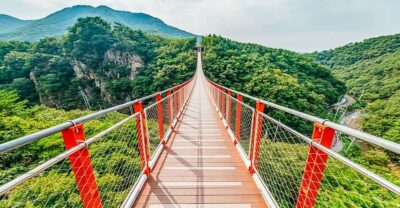
DMZ Insider Tour: 3rd Tunnel, NK Defector Meet & Red Bridge
Read our review →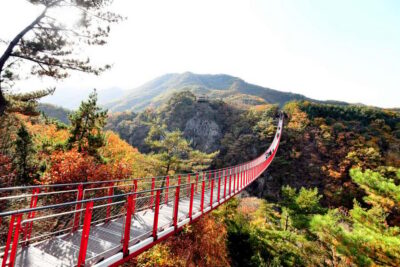

Signature DMZ Tour: Exclusive Defector Talk & Suspension Bridge
Read our review →
Thrilling Korean DMZ 3rd Tunnel Tour from Seoul + Red Bridge Rush
Read our review →
DMZ Past and Present: Korean Demilitarized Zone Tour from Seoul
Read our review →Browse the lists this tour appears in