
Reviewed · DMZ TOURS
DMZ Guided tour from Seoul with Suspension Bridge or Gondola
The DMZ is not a theme park attraction. It is a guarded border shaped by war, separation, and decades of uneasy peace. This full-day trip from Seoul gives you a clear introduction to that story, with Imjingak Park, the 3rd Infiltration Tunnel, and Dora Observatory forming the main Tuesday-to-Sunday route. On Mondays, the itinerary shifts to the 2nd Tunnel and Peace Observatory.
I like two things right away: the tour packs several important border sites into one day, and the optional gondola or suspension bridge adds a welcome change from museums and military history. Guides such as Patrick, Roy, and April are praised for keeping the day moving while explaining the background in accessible English.
The main caution is physical effort and tight timing. The tunnel involves steep sections and low ceilings, while the suspension bridge requires uphill walking. You also need to return promptly at each stop, and the exact route can change because of weather, politics, or military access.
Key points to know before booking
- See the DMZ from several angles: Visit Imjingak, a tunnel, an observatory, and a village near the border rather than stopping at one viewpoint.
- Monday is a different tour: The 2nd Tunnel, Peace Observatory, Woljeongri Train Station, and a suspension bridge replace the usual Tuesday-to-Sunday route.
- The 3rd Tunnel takes effort: Expect an intermediate-level walk with slopes, stairs, and a low passage. The monorail is not available.
- Add scenery to the history: Depending on your booking choice, take a gondola toward Gallery Greaves or walk the suspension bridge at Gamaksan.
- Guides shape the experience: Patrick, Roy, and April are noted for strong organization, historical explanations, and lively presentation.
- Budget for food: Meals and drinks are not included, and the lunch stop may be simple rather than scenic.
Why this DMZ day trip is worth your time
At $45.86 per person, this is a good-value way to reach a restricted area that is awkward to visit independently. The price includes round-trip transport, an air-conditioned vehicle, attraction admissions, and an English-speaking guide and driver. The optional gondola and suspension bridge cost extra only if you select them.
The real value is not luxury. It is convenience and access. You avoid arranging transport between Seoul, Paju, and the border sites, and your guide handles the sequence of checkpoints and visits. The day is long, generally seven to eleven hours, but that is the trade-off for seeing several places in one outing.
The tour also gives you more than a military viewpoint. You see memorials, abandoned railway history, a village near the Civilian Control Line, and physical evidence of the Korean War. That variety helps the DMZ feel like a living political boundary rather than just a photo stop.
More Cable Car Rides in the DMZ
- Ultimate Korea DMZ Tour from Seoul (Gondola & Suspension Bridge)
★ 5.0 · 2,396 reviews - DMZ Guided Tour with Suspension Bridge / Gondola from Seoul
★ 5.0 · 876 reviews - Seoul: DMZ Guided Tour with Suspension Bridge and Gondola
★ 4.9 · 553 reviews
Starting early from Seoul
Your guide meets you at the selected pickup point in Seoul before driving toward Imjingak Park. The vehicle may change according to the number of people booked, so you could be in a smaller vehicle or a larger coach. The final drop-off time and location can also shift with traffic.
An early start matters. The border area operates under controlled access, and the schedule has little spare room. Guides such as Roy and Patrick are praised for keeping groups on track, but that also means you cannot casually wander back to the bus after each stop.
Treat the day like a field trip, not a flexible sightseeing loop. Wear comfortable shoes, carry water, and keep your phone and belongings organized so you can move quickly when asked.
Imjingak Park and Pyeonghwa Nuri Park
Imjingak is the emotional starting point. The park is connected with families separated by the Korean War and with the long, unresolved division of the peninsula. You can see memorial features and a train that recalls the lost connection between North and South.
Pyeonghwa Nuri Park, also called Imjingak Pyeonghwa Nuri Park, serves as the staging area for the DMZ route on Tuesday through Sunday. It is a useful place to get your bearings before entering the controlled zone.
This stop can feel rushed because the day includes several more sites. If you choose the gondola, you may have less time to explore all of Imjingak itself. That creates a genuine choice: select the gondola for the experience of crossing toward the border, or keep more time for the memorials and historic displays.
The park is especially valuable if you want emotional and historical context before seeing the border. If you mainly want dramatic views, it may feel less exciting than the observatory or bridge later in the day.
Crossing toward the DMZ and Unification Village
From Imjingak, the route continues through Unification Bridge and into the area around the Civilian Control Line. You pass through Unification Village, where ordinary life continues close to one of the world’s most heavily guarded borders.
This section helps explain why the DMZ is not simply a strip of empty land. It is a controlled area with roads, checkpoints, farms, settlements, and strict rules. Your guide will explain what you can photograph and where you need to stay with the group.
The timing is controlled, so do not expect long unscheduled walks. The experience works best if you listen closely during the drive and at each stop. Guides often give background before arrival, which makes the short visits more useful.
Same base, a completely different sort of day:
- Best DMZ Tour Korea from Seoul (Red Suspension Bridge Optional)
★ 5.0 · 41,422 reviews - DMZ Tour: 3rd Tunnel, Option(Suspension Bridge, Boat) from Seoul
★ 5.0 · 21,373 reviews - DMZ tour south Korea from Seoul (NK experience hall, defector)
★ 5.0 · 20,599 reviews - DMZ Insider Tour: 3rd Tunnel, NK Defector Meet & Red Bridge
★ 4.9 · 15,214 reviews
The 3rd Infiltration Tunnel
The 3rd Tunnel is the most physical part of the standard Tuesday-to-Sunday itinerary. North Korea built several tunnels beneath the border, and this one was discovered in the 1970s. The tour takes you down into the tunnel area and then back out again.
You should expect slopes, stairs, and a low ceiling. One account describes roughly seven to ten minutes of walking toward the tunnel, followed by the underground passage and the climb back up. The exact effort depends on your fitness and the pace of the group, but this is not a gentle museum visit.
You cannot enter the 3rd Tunnel if you have heart, leg, back, or respiratory problems. The activity requires an intermediate level of hiking. The tour specifically states that the monorail is not available, so do not count on a ride to replace the walk.
The tunnel is narrow enough that taller people may find it uncomfortable. It is also one of the places where comfortable shoes matter most. If you dislike confined spaces or steep walking, this stop could overshadow the rest of the day.
Still, the tunnel gives the DMZ real physical weight. You are not only hearing about military planning and division. You are walking through a structure cut beneath the border, which makes the history immediate.
Dora Observatory and the view toward North Korea
Dora Observatory offers the chance to look toward North Korean territory. On a clear day, the view can include distant mountains, fields, and settlements. Weather and visibility decide how much you actually see, so the tour does not promise a perfect panorama.
This uncertainty is part of the experience. A cloudy day may reduce the view to a hazy outline, but the guide can still explain the geography and the meaning of the observation point. Bring realistic expectations rather than treating the observatory as a guaranteed photo opportunity.
You will have a limited amount of time here. Follow the group instructions and move promptly between the viewing area and the vehicle. If your main goal is the view, have your camera ready before you arrive.
The gondola and Gallery Greaves option
The gondola is an optional addition on the Tuesday-to-Sunday route. It offers a scenic ride over the Imjin River area toward Gallery Greaves, with panoramic views from the cable car.
This option changes the mood of the day. After checkpoints, tunnels, and military history, you get a quieter view across the river and surrounding countryside. It also gives you a sense of crossing into a restricted zone from above.
There is a practical trade-off. The gondola stop can reduce the time available at Imjingak, and you may need to choose between the observatory and another section of the site if the schedule is tight. One useful way to decide is simple: choose the gondola if the crossing and views interest you more than extended time with memorial displays.
The gondola ticket is included only when you select that option at booking. It is not automatically part of every package.
Gamaksan Suspension Bridge
The Gamaksan Chulleong Bridge is another Tuesday-to-Sunday option. After about 25 minutes by vehicle, you walk from the entrance toward the bridge at Gamaksan Mountain.
The bridge connects the mountain valley and provides a strong setting for photographs. It also adds a bit of adventure to an otherwise history-focused day. Several people describe the route as involving a climb up a slope or cliff, so you should not confuse this with a flat viewpoint reached directly from the bus.
The bridge stop lasts about 40 minutes, but that includes walking time. If you have leg or balance problems, consider the physical demands before selecting it. The route can be tiring for anyone who has already walked the tunnel.
There is also an important booking detail: the tour may use a different suspension bridge when the usual site is unavailable or when the Monday itinerary applies. If you have your heart set on a particular red bridge, confirm the exact route before paying.
The Monday route: the 2nd Tunnel and Peace Observatory
Monday follows a different plan. Instead of the 3rd Tunnel, Dora Observatory, and the standard Paju route, you visit the 2nd Tunnel, Peace Observatory, Woljeongri Train Station, and a suspension bridge in the Cheorwon area.
The 2nd Tunnel is farther from Seoul, and the drive can make Monday feel more like a full expedition. It also requires walking on steep inclines. The tunnel itself is not for anyone looking for an easy stroll.
Peace Observatory provides another view toward the North, while Woljeongri Train Station recalls the broken railway connection. Together, these stops offer a more rural and historical version of the border experience.
This schedule can be a good choice if you are especially interested in tunnels and railway history. It is less suitable if your priority is specifically Dora Observatory, the gondola, or the Paju sites, since those are not part of the Monday plan.
The guides and the pace of the day
A strong guide matters here because the route has rules, short stops, and a lot of historical context. Patrick is praised for clear explanations, efficient organization, and careful driving. Roy is noted for keeping the group on schedule while adding historical detail and some light humor. April is described as energetic and good at keeping the day lively.
That said, guiding styles vary. One account found the schedule too strict and the guide too quick at certain stops. You may have only a few minutes for pictures in some places. Another concern raised was fast highway driving, though this is not presented as a general feature of the tour.
The practical lesson is to ask questions early, listen for instructions, and accept that the guide must keep the group together. This is not the best tour for someone who wants to linger at every memorial or set their own pace.
Lunch, transport, and comfort
Food and drinks are not included. The lunch stop can be a basic local buffet or a simple dining area, and the quality may not be the highlight of the day. Bring a small snack if you tend to get hungry between stops.
The air-conditioned vehicle is useful because the day includes long drives, especially on the Monday route. The tour does not include a baby car seat, so families who need one must plan accordingly.
The itinerary description does not include all transport time between destinations, so the listed stop durations should not be read as the total length of the day. Traffic can also affect the return to Seoul. Keep your evening free rather than booking a fixed dinner reservation immediately after the tour.
The maximum group size is listed as 999, though the actual vehicle depends on bookings. You may join a large coach-style group, so expect a social and organized format rather than a private tour.
Weather, security, and possible changes
The DMZ is a working security zone, not a normal sightseeing district. Weather, political conditions, military access, or other unexpected events can force a change or cancellation.
If the 3rd Tunnel is unavailable, the operator may replace it with another destination. A tour canceled because of poor weather or a political situation is rescheduled or fully refunded under the stated policy. You can cancel for a full refund up to 24 hours before the start time, but last-minute personal illness does not count as an eligible unforeseen event.
These conditions are not a flaw in the tour. They are part of visiting a sensitive border. Still, you should book this on a day when you can accept uncertainty and avoid building your entire Seoul schedule around one exact DMZ stop.
Who should book this tour?
I would choose this tour if you want a practical first look at the Korean border, prefer having transport arranged, and are comfortable with a long day and group schedule. It suits people who want history, military context, views, and a few active stops in one package.
Families can enjoy it, and children around school age may find the tunnels and bridge engaging, but the walking should not be underestimated. One family found that children aged 11 and 14 became more interested as the tour developed, especially when the guide explained the historical background.
I would hesitate if you have mobility, heart, back, leg, or breathing problems, or if you dislike low tunnels and steep paths. I would also look elsewhere if you want a slow, private, photography-centered day.
Should you book it?
Book this tour if you want strong value, a well-organized introduction to the DMZ, and the convenience of seeing several important sites from Seoul. Select the gondola for a scenic crossing, or the suspension bridge for a more active stop, but understand that both can reduce time elsewhere.
Choose your date carefully. Tuesday through Sunday gives you the 3rd Tunnel, Dora Observatory, and Unification Village, while Monday changes to the 2nd Tunnel, Peace Observatory, Woljeongri Train Station, and a suspension bridge.
For many visitors, this is the right balance of history, scenery, and practical transport. Just bring good shoes, keep your schedule flexible, and treat the border with the seriousness it deserves.
FAQ
How long does the DMZ tour take?
The experience lasts approximately seven to eleven hours, including travel from Seoul and the return journey. Traffic and the final drop-off location can affect the exact duration.
What does the Tuesday-to-Sunday itinerary include?
From Tuesday through Sunday, the tour includes Imjingak Park, the 3rd Infiltration Tunnel, the DMZ Exhibition Hall, Dora Observatory, and Unification Village. You can also select the gondola or Gamaksan Suspension Bridge option.
What happens on Mondays?
The Monday route visits the 2nd Tunnel, Peace Observatory, Woljeongri Train Station, and a suspension bridge. It does not follow the standard Tuesday-to-Sunday itinerary.
Is the gondola included in the price?
The gondola is optional. Its ticket is included only if you select the gondola option when booking.
Is the suspension bridge included?
The suspension bridge is optional and must be selected when booking. The bridge visit is included only with the relevant option.
How difficult is the 3rd Tunnel?
The 3rd Tunnel requires an intermediate level of hiking, with slopes and low sections. People with heart, leg, back, or respiratory problems cannot enter it, and the monorail is not available.
Are meals included?
No. Meals, beverages, and personal expenses are not included. You should plan to pay separately for lunch and bring anything you need during the day.
Can the tour be canceled or changed?
Yes. Weather, political conditions, military access, or other unexpected events can cause a change or cancellation. If the operator cancels for those reasons, you can be offered another date or a full refund. You can cancel your own booking for a full refund up to 24 hours before the start time.
Newest DMZ trips on the site
- Seoul: DMZ & Live Talk with North Korean Defector★ 4.9 · 50 reviews
- Seoul: DMZ Tour with Japanese-Speaking Guide★ 5.0 · 28 reviews
- Seoul: DMZ 2nd Tunnel and Suspension Bridge Tour★ 4.8 · 56 reviews
- Seoul: DMZ, 3rd Tunnel, Odusan or Suspension Private Tour★ 5.0 · 4 reviews
- Seoul: Closest DMZ Observatory with North Korea View (1.4km)★ 4.9 · 10 reviews
- From Seoul: Private DMZ and Odusan Observatory Full-Day Tour★ 4.9 · 34 reviews
- Private DMZ SPY Tour from Incheon Airport★ 4.6 · 7 reviews
- From Seoul: DMZ Tour and North Korea Experience Hall★ 4.7 · 34 reviews
DMZ Tours, compared.
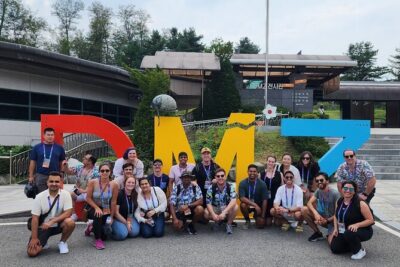
Best DMZ Tour Korea from Seoul (Red Suspension Bridge Optional)
Read our review →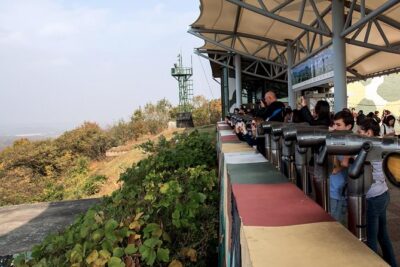
DMZ Tour: 3rd Tunnel, Option(Suspension Bridge, Boat) from Seoul
Read our review →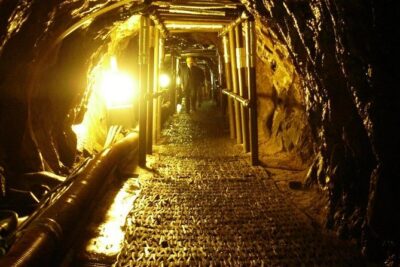
DMZ tour south Korea from Seoul (NK experience hall, defector)
Read our review →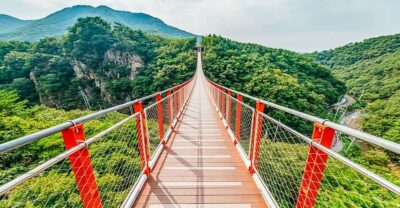
DMZ Insider Tour: 3rd Tunnel, NK Defector Meet & Red Bridge
Read our review →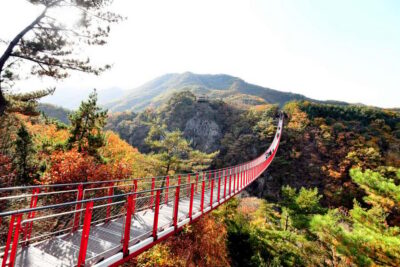

Signature DMZ Tour: Exclusive Defector Talk & Suspension Bridge
Read our review →
Thrilling Korean DMZ 3rd Tunnel Tour from Seoul + Red Bridge Rush
Read our review →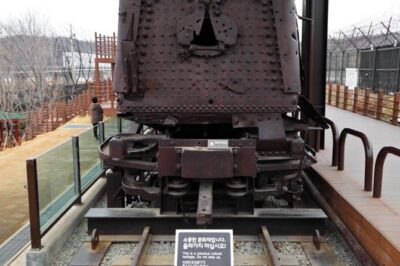
DMZ Past and Present: Korean Demilitarized Zone Tour from Seoul
Read our review →Browse the lists this tour appears in