
Reviewed · DMZ TOURS
DMZ tour south Korea from Seoul (NK experience hall, defector)
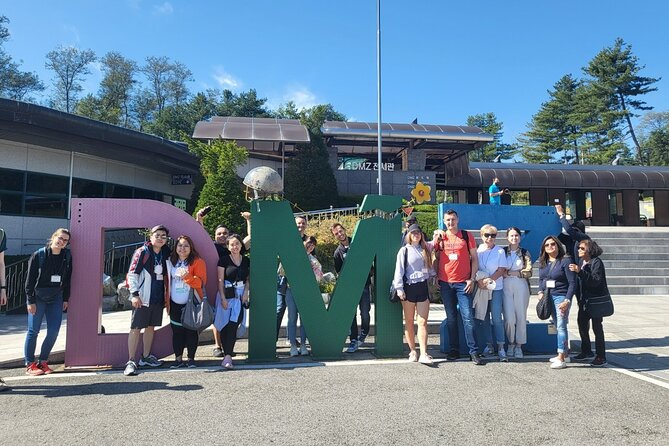
The most striking part of this Seoul DMZ tour is how quickly the city gives way to a tightly controlled border zone. At the Dora Observatory, you can look across at North Korea, while the Third Infiltration Tunnel gives you a physical sense of how close the two countries remain.
I like the strong historical range, from wartime artifacts at Imjingak to the symbolic railway at Dorasan Station. I also like the human side of the tour, especially the NK Experience Hall and defector session, which can make the divide more personal than a guidebook ever could.
The main drawback is that the DMZ is an active military area, not a normal sightseeing district. Access can change without warning, the tunnel is steep and narrow, and the JSA is not part of this tour when closed. Expect a serious educational outing rather than a scenic day in the countryside.
Key points to know before you book
- The Third Tunnel is physically demanding: The return climb is steep, narrow, and warm, so wear proper shoes and leave bulky coats in a locker.
- The defector session adds human perspective: Choose the NK Experience Hall or live Q&A option if understanding daily life in North Korea matters to you.
- Dora Observatory depends on visibility: On a clear day, binoculars may reveal North Korean buildings and activity. Haze can limit the view.
- The tour usually takes about seven hours: Half-day departures return to Seoul City Hall, while the full-day option adds a suspension bridge stop.
- Guide quality is a major strength: Guides including Katie, Sadie, Felicity, Yeoni, Chloe, and Yoon are praised for clear explanations and careful time management.
- Bring your passport: A current passport is required on the day, though you do not need to send a copy in advance.
Why the DMZ makes a worthwhile day from Seoul
The Korean Demilitarized Zone is about 2.5 miles, or 4 kilometers, wide and separates North and South Korea along the former front line of the Korean War. It was created in 1953, yet it still feels like a live political boundary rather than a finished chapter.
That is why I find a guided visit useful. You are not simply looking at fences and distant hills. You are trying to understand a divided peninsula, a war that technically ended with an armistice, and the daily tension that still shapes South Korea.
The tour costs about $26.04 per person, which is low for a seven-hour outing with transport, admissions, and a guide. It is good value if you want the main DMZ sights without arranging separate transport, checking military access rules, or trying to connect the sites yourself.
The price does not include meals, breakfast, or the tunnel tram. Hotel pickup details also need attention. Some tour information describes pickup from centrally located Seoul hotels, while the stated meeting and end point is Seoul City Hall. Contact the operator for the exact pickup time and location before the day begins.
A few more DMZ trips worth comparing
- Best DMZ Tour Korea from Seoul (Red Suspension Bridge Optional)
★ 5.0 · 41,422 reviews - DMZ Tour: 3rd Tunnel, Option(Suspension Bridge, Boat) from Seoul
★ 5.0 · 21,373 reviews - DMZ Insider Tour: 3rd Tunnel, NK Defector Meet & Red Bridge
★ 4.9 · 15,214 reviews
The ride north from Seoul
The day starts with pickup at a scheduled time, followed by a drive of roughly 50 minutes to the DMZ area. The coach is air-conditioned, and the group can include up to 40 people.
That group size keeps the price down, but it also means you must watch the clock at each stop. Sadie is praised for sending a message the night before, sharing a photo of the correct bus and license plate, and clearly announcing return times. Those small details matter in a busy Seoul pickup area where many tour buses leave each morning.
Your guide provides the background during the ride. Strong guides such as Katie, Felicity, Chloe, Yoon, and Yeoni have been singled out for keeping the information clear, lively, and respectful. The best part of the coach ride is arriving with some idea of what you are about to see, rather than meeting each site as a disconnected photo stop.
Imjingak Park and the weight of the war
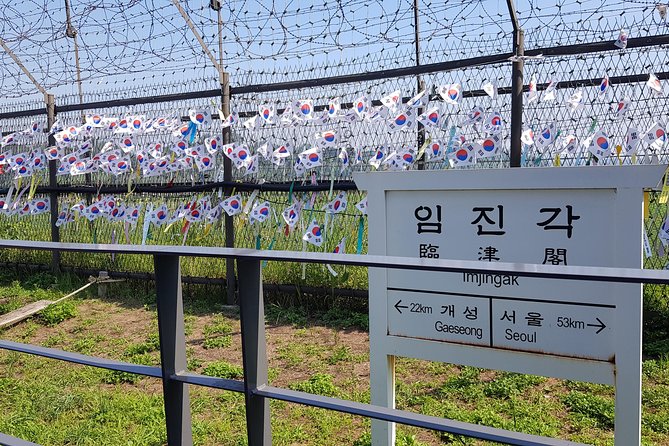
Imjingak Park is the first major stop. Set beside the Imjin River, it contains artillery and other objects connected with the Korean conflict.
This is a useful opening because it brings the war into view before the tour reaches the controlled border area. You see the machinery of conflict, then hear about the people displaced and separated by it.
The stop lasts about 30 minutes and includes the route toward Freedom Bridge. Do not expect a long independent visit. The schedule is organized, and your guide will set a time to return to the coach.
Freedom Bridge and the meaning of return
Freedom Bridge is linked to the exchange of nearly 13,000 Korean prisoners of war at the end of the conflict. Its importance is less about grand architecture and more about what happened there.
The bridge represents movement after captivity, but it also reminds you how many families were left divided. The guide’s explanation makes this stop more useful than a quick photograph alone.
The subject can feel heavy, and rightly so. This is not a cheerful sightseeing stop, but it gives the rest of the day a human frame. The DMZ is not only about military tactics and border surveillance. It is also about people who never returned home or never saw relatives again.
Same base, a completely different sort of day:
- Seoul: DMZ Tour with Optional Suspension Bridge
★ 4.8 · 5,277 reviews - Signature DMZ Tour: Exclusive Defector Talk & Suspension Bridge
★ 5.0 · 4,459 reviews - Thrilling Korean DMZ 3rd Tunnel Tour from Seoul + Red Bridge Rush
★ 5.0 · 3,097 reviews - DMZ Past and Present: Korean Demilitarized Zone Tour from Seoul
★ 5.0 · 2,481 reviews
The NK Experience Hall and Third Infiltration Tunnel
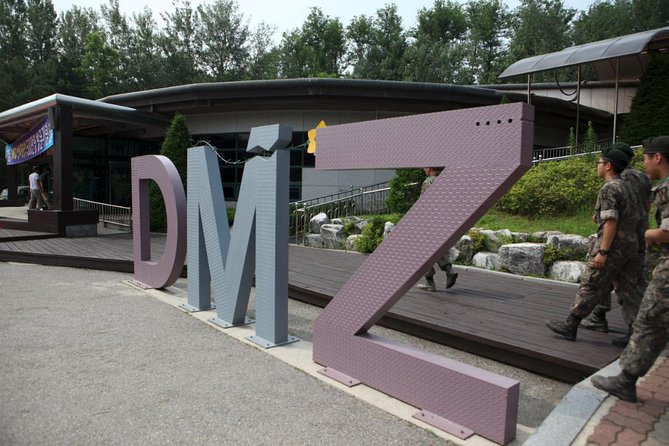
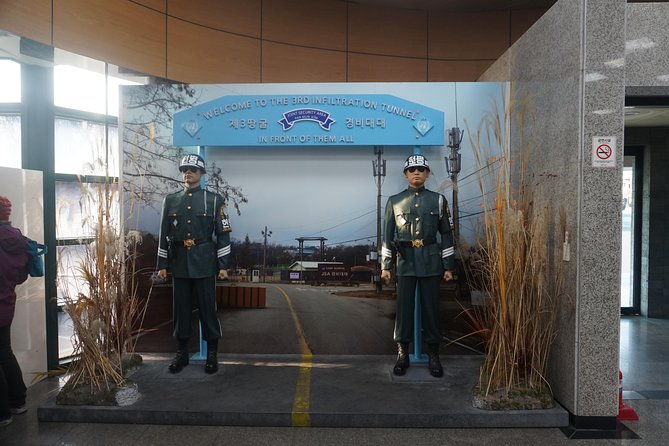
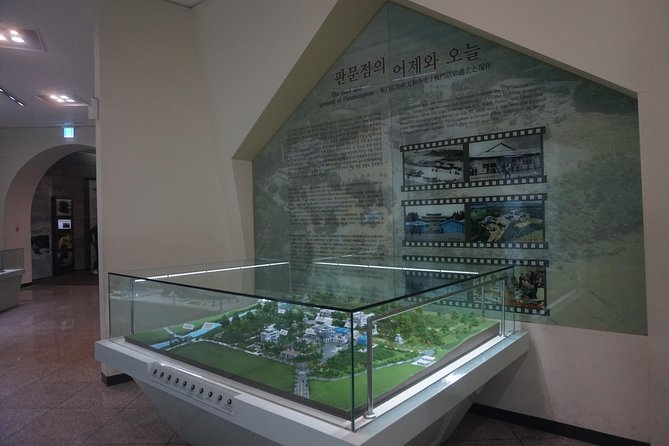
The DMZ Theater and Exhibition Hall offers photographs, objects, and displays connected with the Korean War and the border. This is likely the section that gives the tour its clearest classroom feel.
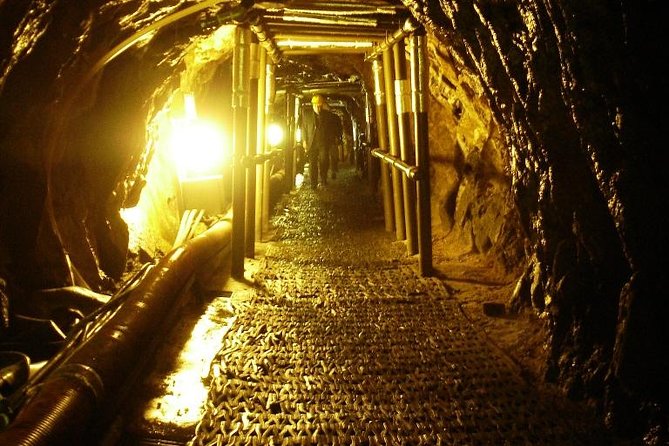
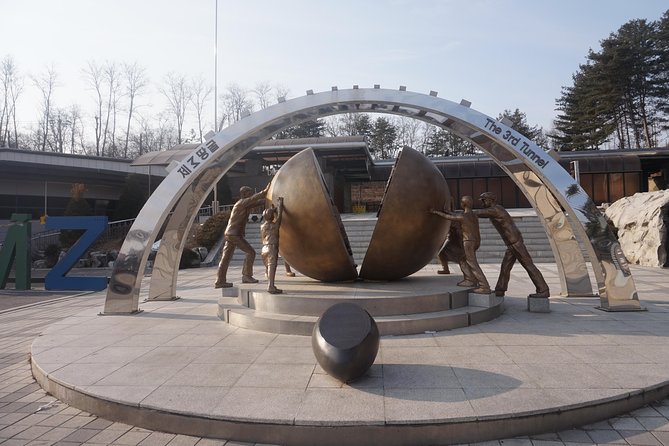
The Third Infiltration Tunnel is more physical. South Korea says North Korea built it for a possible invasion, and it was discovered in 1978. The passage was blocked at the Military Demarcation Line with concrete barriers.
You walk down into the tunnel, then turn around and climb back out. It is steep, narrow, and can become warm, even when the weather outside is cool. One useful tip is to leave your coat in a locker before going down, since the uphill return can be uncomfortable with extra layers.
The tunnel is not a long underground adventure with a dramatic payoff at the far end. The route is restricted, and you cannot simply wander through the border. Its value comes from the effort required to move through a space built for military purposes. You feel the cramped conditions in a way that a display panel cannot quite match.
Wear comfortable shoes and clothing. The tour description calls for a moderate amount of walking, but the tunnel is the part most likely to trouble anyone with limited mobility. A guide may help with pacing, yet the site itself remains steep and tight.
Dora Observatory and the view across the border
At Dora Observatory, provided binoculars let you look toward North Korea. The view includes the model village of Kijongdong, which your guide explains as part of the strange visual theatre of the border.
This is the stop most people picture when they imagine a DMZ tour. On a clear day, you might see buildings and activity on the North Korean side. One clear morning, a visitor reported seeing people going about their day, which gives the distant view a startling sense of reality.
Still, keep expectations sensible. The observatory is not a guarantee of a sharp view. Weather and visibility matter, and the village can look remote and abstract through the binoculars. The interest lies as much in the explanation as in the image itself.
Your guide can explain how the area is viewed from both sides and why the village has become such a well-known symbol. The best guides avoid turning it into a simple North-versus-South spectacle and instead explain the political message behind the border.
Unification Village and Dorasan Station

The stop at Unification Village offers a look at a small farming community associated with soybean milk, traditional soy sauce, and corn products. It is brief, around 15 minutes, but it gives the day a glimpse of ordinary South Korean rural life near a highly unusual frontier.
That contrast is important. The DMZ is not an empty movie set. People live and work in the surrounding area, though access and movement are shaped by military controls.
Dorasan Station adds another layer. It once connected North and South Korea and now carries strong symbolic meaning. The station points toward a future connection that remains uncertain, while also showing how railways can become part of national hopes and political messaging.
Together, these stops keep the tour from being only about bunkers and military hardware. You see the border as a place of memory, propaganda, farming, transport, and unfinished plans.
The defector Q&A and why it changes the day
The North Korean defector session is one of the most valuable additions to this experience. It gives you the chance to hear a personal account rather than only a state-to-state explanation.
The format is described as a live chat or group question-and-answer session at the NK Experience Hall. It can make the difference between knowing facts about North Korea and thinking about how those facts affect an individual life.
Questions and answers will vary by session, so you should not expect a scripted presentation every time. The subject also calls for respect. You are listening to someone discuss a difficult personal history, not attending a novelty performance.
If you are choosing between tour versions or add-ons, I would prioritize the defector session over another ordinary photo stop. It adds emotional and personal context to the historical material from the morning.
Half-day or full-day with a suspension bridge
The half-day version concentrates on the DMZ sites and ends with a return to Seoul City Hall. After the main visit, there may be a short stop at a ginseng center before drop-off.
The full-day option adds a suspension bridge stop. Depending on the version, this is listed as Gamaksan Chulleong Bridge or the Majang Lake Suspension Bridge, with about an hour allocated to the additional visit.
Choose the half-day tour if you want the DMZ experience without giving up the rest of your Seoul afternoon. It is enough for the central sites, especially if your main goals are the tunnel, observatory, exhibition hall, and defector talk.
Choose the full-day version if you prefer a slower day outside the city and want a second attraction after the border area. The bridge is an add-on, not a replacement for the main DMZ sights. Be sure to confirm which bridge is included in the exact option you book.
Guides, group size, and the practical rhythm
The guide can shape the entire day. Katie is repeatedly praised for energy, organization, and personal attention. Sadie receives strong marks for communication and clear meeting instructions. Felicity is noted for connecting Korean history with modern stories, while Yeoni, Chloe, Lily, Lizzy, Miel, Grace, and Yoon are also praised for friendly explanations and strong English communication.
That does not mean you can request a particular guide with certainty. It does show how much value this tour places on live explanation. Ask questions, listen during the coach ride, and pay attention to the return times given at each stop.
The maximum group size is 40. That is not an intimate private tour, but it is normal for a low-cost DMZ outing. The organized format helps you reach several controlled sites in one day, though you will have limited freedom to linger.
Chinese and Japanese departures require at least three people. If that minimum is not met, the tour runs in English.
What to bring and what can change
Bring your valid passport. It is required on the day, and no copy needs to be sent ahead.
Wear walking shoes and comfortable clothes. The tunnel is the main physical challenge, but there is also walking between transport areas and viewing points. Pack lightly, and use the locker for your coat before the tunnel if available.
Military conditions and local circumstances can alter the route. A site may be closed or replaced, and the JSA is not part of this tour when it is unavailable. If the tour is cancelled or changed for military reasons, the operator may provide an alternative DMZ-related course, but the supplied conditions state that no refund is given for those changes.
You can cancel for a full refund up to 24 hours before the start time. Changes or cancellations made within 24 hours are not accepted for a refund.
Should you book this DMZ tour?
I would book this tour if you want a practical first visit to the DMZ at a modest price, especially if you value clear historical explanation more than free time. The tunnel, Dora Observatory, Freedom Bridge, Dorasan Station, and NK Experience Hall create a strong day of contrasts.
Add the defector Q&A if it is available. That personal account gives the tour more meaning than a sequence of military displays.
I would hesitate only if you dislike fixed schedules, group transport, steep walking, or the possibility of last-minute military changes. This is not a relaxed countryside excursion, and the scenery is secondary to the subject.
For most first-time visitors to Seoul, the tour offers a clear and efficient way to understand one of the world’s most unusual borders. Bring your passport, wear good shoes, watch the clock, and let the guide provide the context that makes each stop matter.
FAQ
How long does the DMZ tour take?
The tour lasts approximately seven hours. The half-day version returns to Seoul City Hall, while the full-day version adds a suspension bridge stop.
Where does the tour start and end?
The stated meeting and end point is Seoul City Hall. Some tour arrangements include pickup from centrally located Seoul hotels, so contact the local operator for your exact pickup time and location.
Is a passport required?
Yes. You must bring a current valid passport on the day of the tour. You do not need to send a passport copy in advance.
Is the Third Infiltration Tunnel difficult to walk through?
The tunnel involves a moderate amount of walking through a steep and narrow passage. Comfortable clothing and proper walking shoes are recommended. The return route is uphill and may feel warm.
Is the JSA included?
No. The JSA is not part of this tour when the area is closed. Access to some DMZ locations can change because of military conditions or local circumstances.
Does the tour include the North Korean defector session?
The tour information and recent experiences describe an NK Experience Hall and a defector live chat or group Q&A. Confirm that the defector session is included in the specific option you choose.
What happens if the tour is changed because of military conditions?
The operator may provide an alternative course related to the DMZ. The stated conditions say there is no refund if part of the itinerary is cancelled or changed because of military issues or unexpected local circumstances.
Newest DMZ trips on the site
- Seoul: DMZ & Live Talk with North Korean Defector★ 4.9 · 50 reviews
- Seoul: DMZ Tour with Japanese-Speaking Guide★ 5.0 · 28 reviews
- Seoul: DMZ 2nd Tunnel and Suspension Bridge Tour★ 4.8 · 56 reviews
- Seoul: DMZ, 3rd Tunnel, Odusan or Suspension Private Tour★ 5.0 · 4 reviews
- Seoul: Closest DMZ Observatory with North Korea View (1.4km)★ 4.9 · 10 reviews
- Private DMZ SPY Tour from Incheon Airport★ 4.6 · 7 reviews
- From Seoul: Private DMZ and Odusan Observatory Full-Day Tour★ 4.9 · 34 reviews
- From Seoul: DMZ Tour and North Korea Experience Hall★ 4.7 · 34 reviews
DMZ Tours, compared.
Best DMZ Tour Korea from Seoul (Red Suspension Bridge Optional)
Read our review →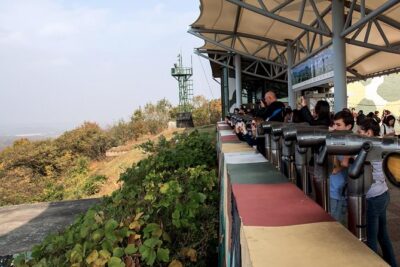
DMZ Tour: 3rd Tunnel, Option(Suspension Bridge, Boat) from Seoul
Read our review →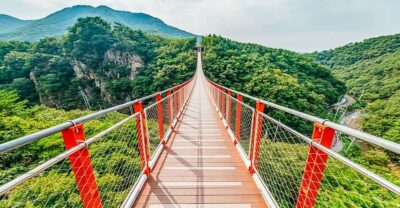
DMZ Insider Tour: 3rd Tunnel, NK Defector Meet & Red Bridge
Read our review →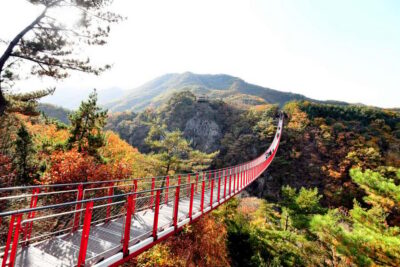

Signature DMZ Tour: Exclusive Defector Talk & Suspension Bridge
Read our review →
Thrilling Korean DMZ 3rd Tunnel Tour from Seoul + Red Bridge Rush
Read our review →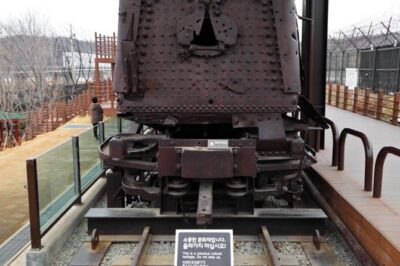
DMZ Past and Present: Korean Demilitarized Zone Tour from Seoul
Read our review →
DMZ; NK Defector, 3rd Tunnel, Suspension Bridge,Hotel pickup
Read our review →Browse the lists this tour appears in