
Reviewed · DMZ TOURS
DMZ Tour Seoul to North Korea’s 3rd Tunnel & Majang Lake Crossing
North Korea is close enough to see from Dora Observatory, yet far enough away to feel almost unreal. This full-day trip takes you through military checkpoints, the Third Tunnel, old war memorials, and the quiet edge of the Korean Demilitarized Zone, or DMZ.
I like the careful pacing and the range of stops. You get serious history at the Bridge of Freedom and Mangbaedan, a physical challenge in the tunnel, and a calmer finish at Majang Lake. Guides such as Nancy, Alex, Kelly, Moon, and Lina are often praised for clear explanations, personal stories, and help with photos.
The main drawback is the size of the operation, with groups of up to 150 people. The day also involves stairs, inclines, walking, and a strict military timetable. Bring your passport, wear sensible shoes, and expect the schedule to change if military exercises or weather affect access.
Key points to know before booking
- The Third Tunnel is a real physical outing: The tunnel walk includes a long downhill route, a return climb, low ceilings, and hard hats.
- Dora Observatory gives you the signature view: Telescopes let you look toward North Korea, weather permitting.
- Military access is controlled: You must bring your passport or another accepted form of identification for the checkpoint.
- Majang Lake is optional: The suspension bridge is included only when you choose that option during checkout.
- Lunch is not included: You need to budget for food, and the stop at Tongilchon may be brief.
- The guides shape the day: Nancy, Alex, Kelly, Moon, Crystal, Lina, Hana, Emily, and others are praised for energy, organization, and useful historical context.
Why this DMZ day trip is worth your time
At about $35 per person, this is an inexpensive way to reach a part of Korea that is difficult to visit independently. The price covers transportation, a professional English or Chinese-speaking guide, and admission to key DMZ sites. It does not cover lunch, hotel drop-off, or optional add-ons.
I see the value in the variety. You are not simply driven to one lookout, given a quick explanation, and sent back to Seoul. The day moves from memorials and war relics to a former infiltration route, a border viewpoint, a rural village, and possibly a suspension bridge over a lake.
That range also means the tour suits people with different interests. You can focus on the Korean War and divided families, enjoy the views, or simply see a part of the peninsula that most Seoul trips never reach. The cost is especially fair if you want transport and access arranged for you.
The tradeoff is that this is a group tour, not a private history lesson. With as many as 150 people, you need to stay alert for meeting times and follow the guide’s instructions. A well-organized guide can keep the day moving, but no guide can remove the waiting and coordination that come with a large group.
A few more DMZ trips worth comparing
- Best DMZ Tour Korea from Seoul (Red Suspension Bridge Optional)
★ 5.0 · 41,422 reviews - DMZ Tour: 3rd Tunnel, Option(Suspension Bridge, Boat) from Seoul
★ 5.0 · 21,373 reviews - DMZ tour south Korea from Seoul (NK experience hall, defector)
★ 5.0 · 20,599 reviews
Meeting in Seoul before the road north
The bus makes short pickup stops at Myeongdong Subway Station Exit 9, Seoul City Hall Subway Station Exit 6, and Hongdae Subway Station Exit 3. You should arrive 10 to 15 minutes early, especially at Myeongdong and Hongdae, where several buses may be gathering for similar outings.
The tour includes hotel pickup in the practical sense of pickup near a main subway station or in the downtown area. It does not include a return to your hotel. At the end of the day, you can get off at Myeongdong, Hongik University Station, or City Hall.
That arrangement works well if you are staying in central Seoul and can reach one of those areas. It is less convenient if you are staying far from downtown or need to connect to an evening flight. The tour lasts roughly eight hours, but I would keep the rest of your evening flexible.
Imjingak Park and the Bridge of Freedom
The first major stop is Imjingak Park, created in 1972 as a place for people separated from relatives in North Korea. This is where the human cost of division becomes easier to understand. The park includes memorials, the Peace Bell, Mangbaedan, and the old steam locomotive at Jangdan Station.
Mangbaedan Memorial Altar has particular emotional weight. Families with roots in the North gather here during traditional holidays to honor relatives they cannot visit. You will also see ribbons, signs, and memorial features connected with hopes for reunification.
The Bridge of Freedom is one of the most meaningful stops. A wooden bridge replaced a railroad bridge damaged during the Korean War, and 12,773 prisoners of war crossed it back into South Korea in 1953. The bridge is not grand. That is part of its power. It feels like a working piece of history rather than a polished monument.
The Jangdan Station locomotive adds another physical reminder of the war. The steam engine was left damaged when the Korean War stopped railway service in 1950. It gives you something concrete to study while the guide explains how conflict cut transport links across the peninsula.
You will also see Pyeonghwauijong, the 21-ton Peace Bell, cast in 2002. The park can feel like a collection of monuments at first, so listen closely to the guide’s explanation. The details about divided families and return journeys give the site its meaning.
Crossing the checkpoint into the controlled zone
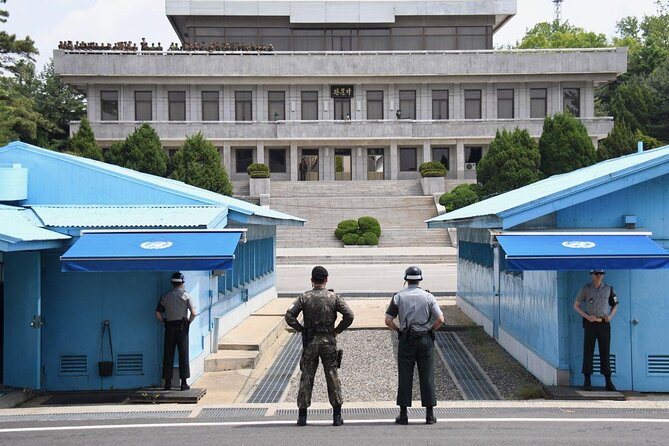
Before entering the civilian-controlled parts of the DMZ, the guide collects entrance clearance and tickets at the Imjingak Tourist Information Center. At Unification Bridge, soldiers inspect the bus and check identification.
Bring your passport. The tour information also lists a military ID card or South Korea-issued identification as accepted documents, but international visitors should rely on their passport. Do not leave it at your hotel. A missing document can cause delays or prevent entry.
This checkpoint is not a theatrical attraction. It is a reminder that access to the area is controlled by the military. Schedules can shift because of exercises, early closures, or other official decisions. One day may run smoothly, while another may feel rushed because the area closes ahead of schedule.
The bus crosses the Imjin River, where restricted access has allowed wildlife and birds to flourish. Keep your eyes outside rather than assuming every important moment happens at a formal stop. The quiet river crossing offers a useful contrast to the memorials and security checks.
Same base, a completely different sort of day:
- DMZ Insider Tour: 3rd Tunnel, NK Defector Meet & Red Bridge
★ 4.9 · 15,214 reviews - Seoul: DMZ Tour with Optional Suspension Bridge
★ 4.8 · 5,277 reviews - Signature DMZ Tour: Exclusive Defector Talk & Suspension Bridge
★ 5.0 · 4,459 reviews - Thrilling Korean DMZ 3rd Tunnel Tour from Seoul + Red Bridge Rush
★ 5.0 · 3,097 reviews
The Third Tunnel requires sturdy shoes and a steady pace
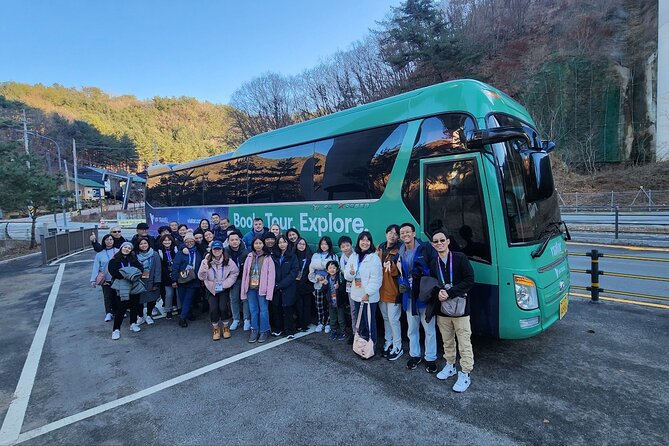
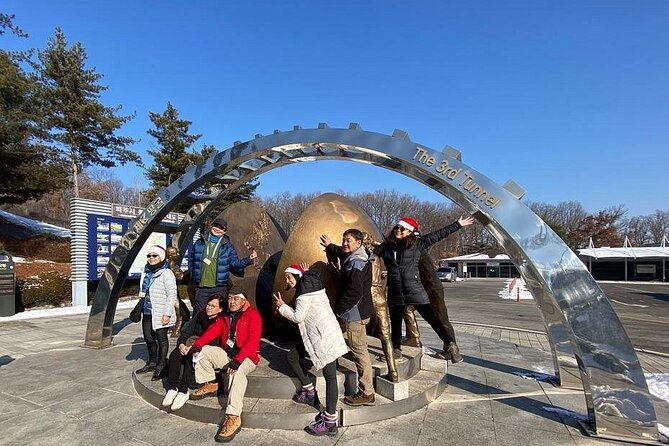
The Third Tunnel of Aggression was discovered in 1978. It is about 1,635 meters long and was built as a route for a possible North Korean incursion. The entrance is about 52 kilometers from Seoul and 12 kilometers from Munsan.
The tunnel is the most physically demanding part of the trip. You walk down into the tunnel and later climb back up. The route has inclines and stairs, and the low ceiling makes the hard hat more than a souvenir. If you are taller than six feet, fasten it securely and watch your head.
You do not need to be an athlete, but you should be comfortable walking for an hour and managing slopes. Hot, humid weather can make the effort harder, while the tunnel itself offers a different temperature and atmosphere. Wear comfortable shoes and avoid treating this as a quick photo stop.
The tunnel is valuable because it makes military history physical. A lecture about infiltration routes is one thing. Walking through a narrow passage gives you a direct sense of the work involved and the tension around the border.
Dora Observatory and the view toward North Korea
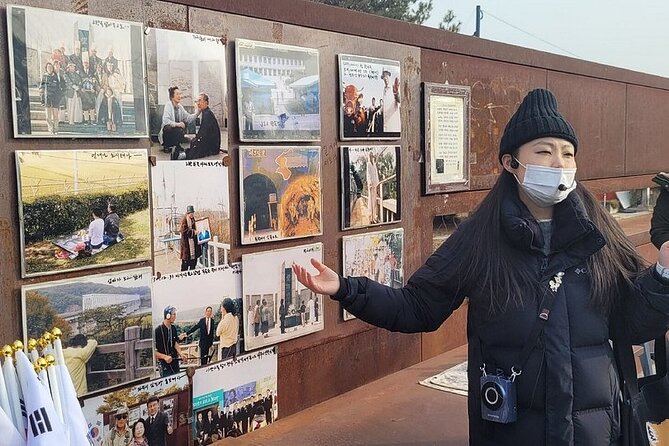
Dora Observatory is usually the emotional high point. From the viewing area on Dorasan, you can look toward North Korea through telescopes. The view depends on weather and visibility, so do not expect a perfect panorama every time.
The telescopes help you identify features across the border, and the guide provides the context needed to understand what you are seeing. Without that explanation, distant hills and buildings can look like an ordinary rural view. With it, the same scene carries the weight of a divided country.
The observatory was established in 1986 and updated in 2018. Its location gives you one of the closest public views of North Korea from South Korea. You may also find North Korean products for sale, which can feel unusual after the solemn memorials and security checks.
Allow about 40 minutes here. That is enough time to hear the introduction, use the telescopes, take photographs where permitted, and look around. Fog can spoil the view, but a flexible guide may reverse the order of stops so the observatory comes later if conditions are expected to improve.
Tongilchon Village and the question of lunch
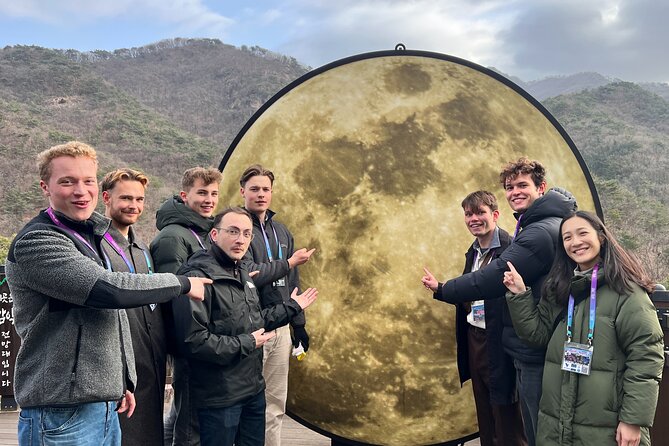
Tongilchon-gil leads to Tongilchon Jangdankong Maeul, a village known for Jangdan soybeans grown in soil near the civilian-controlled area. This is a more ordinary and local stop after the formal DMZ sites.
You may have time to browse products made from the local beans or pick up a souvenir. The stop can also be used for food, but lunch is not included. Plan your expectations carefully. The schedule may offer less time than you want for a proper meal, shopping, and a relaxed walk.
One review described lunch in Freedom Village as delicious and authentic, but the supplied tour details do not promise a specific meal or lunch venue. I would bring some cash or snacks and ask the guide early in the day when and where food will be available.
Majang Lake adds a lighter finish
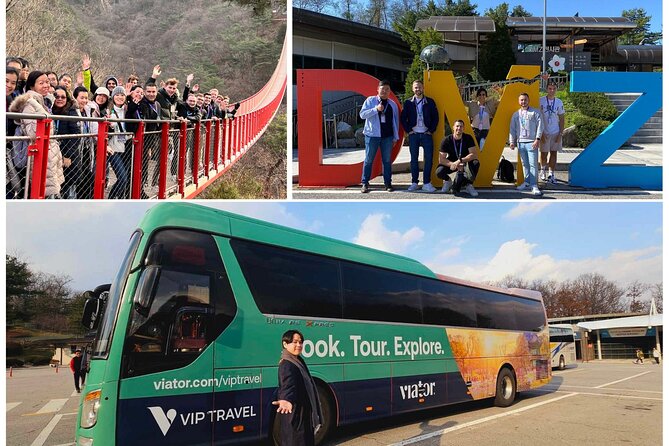
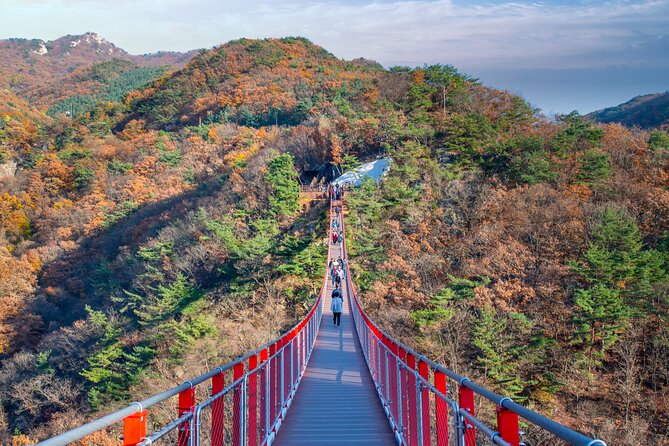
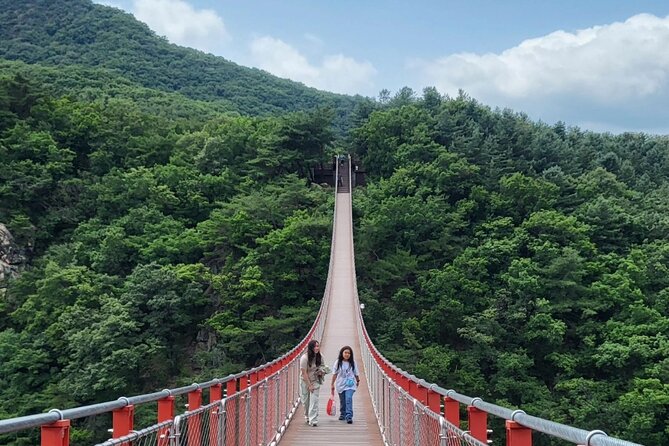
The Majang Lake Suspension Bridge is an optional add-on, selected during checkout. The bridge is 262 meters long and sits about 25 meters above the reservoir. It opened in 2020 and provides a striking change of mood after the serious border sites.
You walk across the bridge above the water, with views of the lake and surrounding hills. It is a good choice if you want scenery and a little height at the end of the day. It also gives the itinerary a more relaxed finish than returning directly from the DMZ.
Check your booking carefully. The base DMZ option does not include the Majang Lake bridge, the Gamaksan Red Suspension Bridge, or strawberry picking. Those are separate choices. The tour title may highlight Majang Lake, but the inclusion depends on the option you select.
Gamaksan’s Red Suspension Bridge is another optional choice. It is useful for people who want a second scenic crossing, but adding activities can make an already full day feel more packed. If your main goal is the DMZ, prioritize the border stops. If you enjoy outdoor viewpoints, select the bridge option and accept the tighter schedule.
The guides make the difference
The strongest part of this experience is the guiding. Nancy is praised for energy, organization, and clear directions. Alex brings personal family connections to Korean War history and is also noted for taking photos. Kelly is described as warm, efficient, and good at keeping the group moving.
Moon is a patient guide who welcomes questions, while Crystal, Lina, Hana, Emily, Ray, K, Gogo, and others are also named for their humor, historical explanations, and practical help. Guide assignments can change, so you cannot choose a particular person unless the operator confirms it.
What you should expect is a lively running commentary on the bus and at each stop. The best guides explain both the formal history and the everyday consequences of division. They also tell you where to stand, how much time you have, and what not to miss.
The tone varies by guide, but the day benefits from a human voice. Personal stories can make the Korean War less abstract, while lighter jokes help during long drives and waits. You should still ask questions if you want more detail. The schedule gives you access to the places, but your guide determines how much meaning you take away.
Practical advice for making the day easier
Bring your passport, comfortable walking shoes, water, and a jacket. The tour runs through open areas, the tunnel, a bus, and viewing sites, so conditions can change during the day.
Keep your belongings compact. You will move between the bus and several sites, and the tunnel is not the place for a large bag. Pay attention when the guide gives a return time. In a controlled military area, wandering off or arriving late is not a harmless mistake.
The tour is listed as suitable for most people, but the physical demands are real. Expect inclines, stairs, and the tunnel walk. If you have limited stamina, ask the operator about current conditions before booking.
The cancellation policy is simple: cancel at least 24 hours before the start time for a full refund. Changes or cancellations inside that window are not accepted for a refund. The local start time controls the deadline.
Who should book this Seoul DMZ tour
You should book this trip if you want more than a quick border photo. It gives you the Third Tunnel, Dora Observatory, Imjingak’s memorials, the Bridge of Freedom, and a chance to hear Korean history explained in person.
It is also a good match if you prefer having transport and military access handled for you. Independent planning would be harder because the DMZ operates under restrictions and changing schedules.
You may want another option if you dislike group tours, need a slow pace, or want a guaranteed long lunch. The group can be large, and military decisions may shorten or reorder the day. The optional Majang Lake bridge is worthwhile for scenery, but it is not part of every booking.
For a first visit to Seoul, I would book it if the divided peninsula is on your list of priorities and you are willing to give up most of a day. The price is low for the amount of transport, admission, and guidance included. Just bring your passport, wear good shoes, and treat the schedule as flexible.
FAQ
How long does the DMZ tour last?
The experience lasts about eight hours, including transportation from Seoul and the return journey to a central drop-off point.
Where does the tour meet in Seoul?
Pickup points include Myeongdong Subway Station Exit 9, Seoul City Hall Subway Station Exit 6, and Hongdae Subway Station Exit 3. You should arrive 10 to 15 minutes early.
Is hotel pickup included?
Pickup is offered near a main subway station or in the downtown area. Hotel drop-off is not included. At the end, you can get off at Myeongdong, Hongik University Station, or City Hall.
Do I need my passport?
Yes. Bring your passport for the military checkpoint at Unification Bridge. The tour information also lists a military ID card or South Korea-issued identification as accepted documents.
Is lunch included?
No. Lunch is not included in the tour price. Food may be available during the day, including near Tongilchon, but the schedule can be limited.
Is the Majang Lake bridge included?
Only if you select the Majang Lake bridge option during checkout. The basic DMZ tour does not include it.
Is the Third Tunnel physically demanding?
Yes. The visit involves walking, stairs, inclines, and a return climb. You will also need to wear a hard hat because sections have a low ceiling.
Can I see North Korea from the tour?
Yes. Dora Observatory has telescopes aimed toward North Korea. The quality of the view depends on weather and visibility.
What happens if I need to cancel?
You can receive a full refund if you cancel at least 24 hours before the experience starts. Cancellations or changes made less than 24 hours before the start time are not accepted for a refund.
Newest DMZ trips on the site
- Seoul: DMZ & Live Talk with North Korean Defector★ 4.9 · 50 reviews
- Seoul: DMZ Tour with Japanese-Speaking Guide★ 5.0 · 28 reviews
- Seoul: DMZ 2nd Tunnel and Suspension Bridge Tour★ 4.8 · 56 reviews
- Seoul: DMZ, 3rd Tunnel, Odusan or Suspension Private Tour★ 5.0 · 4 reviews
- Seoul: Closest DMZ Observatory with North Korea View (1.4km)★ 4.9 · 10 reviews
- From Seoul: Private DMZ and Odusan Observatory Full-Day Tour★ 4.9 · 34 reviews
- Private DMZ SPY Tour from Incheon Airport★ 4.6 · 7 reviews
- From Seoul: DMZ Tour and North Korea Experience Hall★ 4.7 · 34 reviews
DMZ Tours, compared.
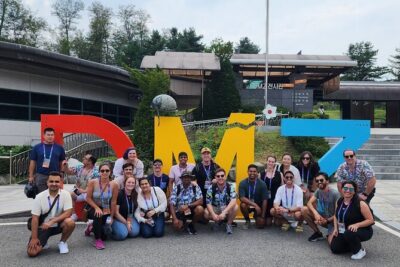
Best DMZ Tour Korea from Seoul (Red Suspension Bridge Optional)
Read our review →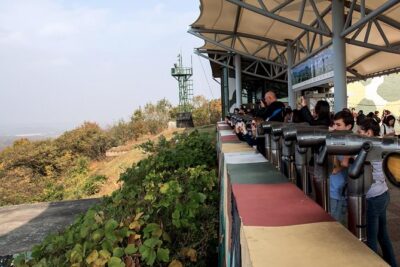
DMZ Tour: 3rd Tunnel, Option(Suspension Bridge, Boat) from Seoul
Read our review →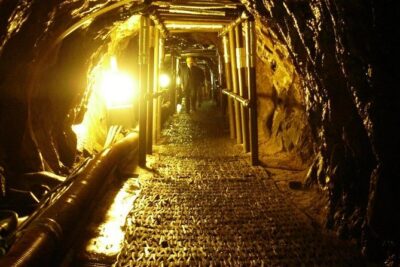
DMZ tour south Korea from Seoul (NK experience hall, defector)
Read our review →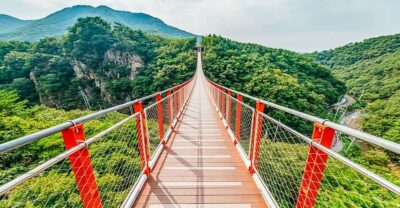
DMZ Insider Tour: 3rd Tunnel, NK Defector Meet & Red Bridge
Read our review →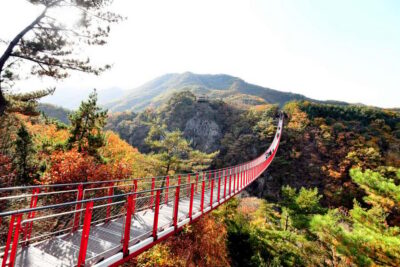

Signature DMZ Tour: Exclusive Defector Talk & Suspension Bridge
Read our review →
Thrilling Korean DMZ 3rd Tunnel Tour from Seoul + Red Bridge Rush
Read our review →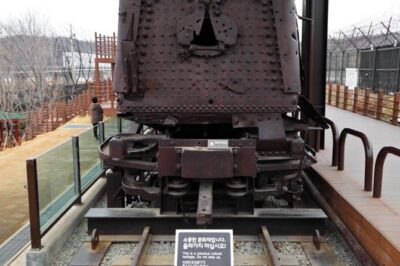
DMZ Past and Present: Korean Demilitarized Zone Tour from Seoul
Read our review →Browse the lists this tour appears in