

Reviewed · SEOUL TOURS
Seoul: Gangnam Tour on Youth and Society in South Korea
Gangnam is more than designer shops, glossy towers, and the pop-culture image made famous around the world. This 150-minute walk uses its beauty clinics, luxury advertising, and streets of high-rise buildings to explain the social pressure beneath South Korea’s economic success. You’ll hear about education, work, housing, dating, marriage, family, mental health, and the country’s changing ideas of beauty.
I like two things right away. First, the setting does the teaching for you: the signs and buildings around Gangnam become clues to how people live. Second, the guides, including Jessica and June, bring both historical context and personal stories, with humor that keeps difficult subjects from turning into a lecture. The main consideration is that this is a serious tour about suicide, low birth rates, social pressure, and inequality, not a light sightseeing stroll.
Key points to know before you book
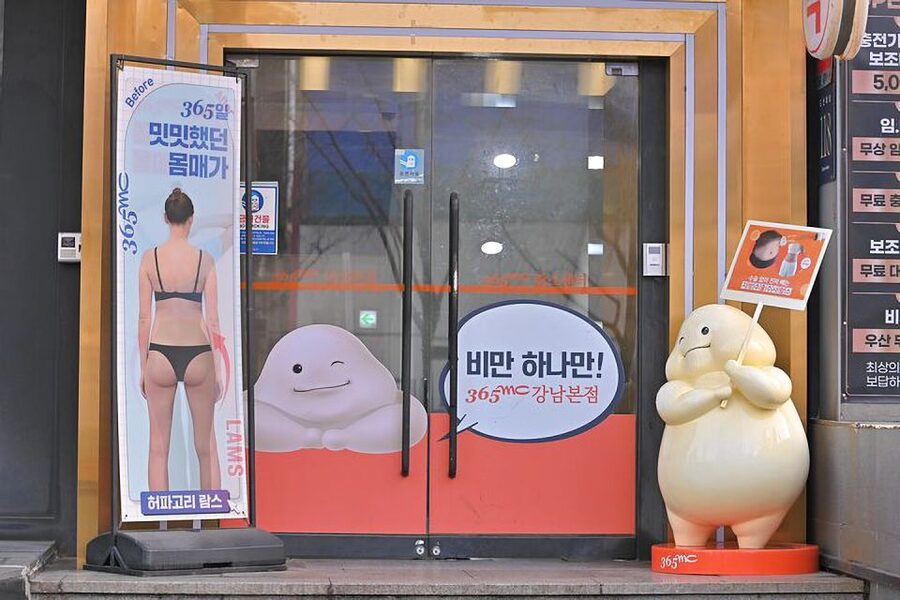
- Gangnam becomes a classroom: Beauty clinics, luxury brands, schools, offices, and housing talk are all tied to wider social issues.
- The guide makes the difference: Jessica and June are praised for clear English, lively storytelling, and thoughtful answers to questions.
- Expect difficult subjects: Education pressure, appearance, work, marriage, mental health, and South Korea’s low birth rate are central themes.
- The route lasts 150 minutes: You meet at Gangnam Station Exit 11 and finish near the Han River.
- It offers strong value at $33: The price is modest for a focused history and society lesson with a local historian.
- Plan for the weather: Bring water in hot months, and expect a portable fan in summer or hot packs in winter.
Gangnam beyond the glossy surface
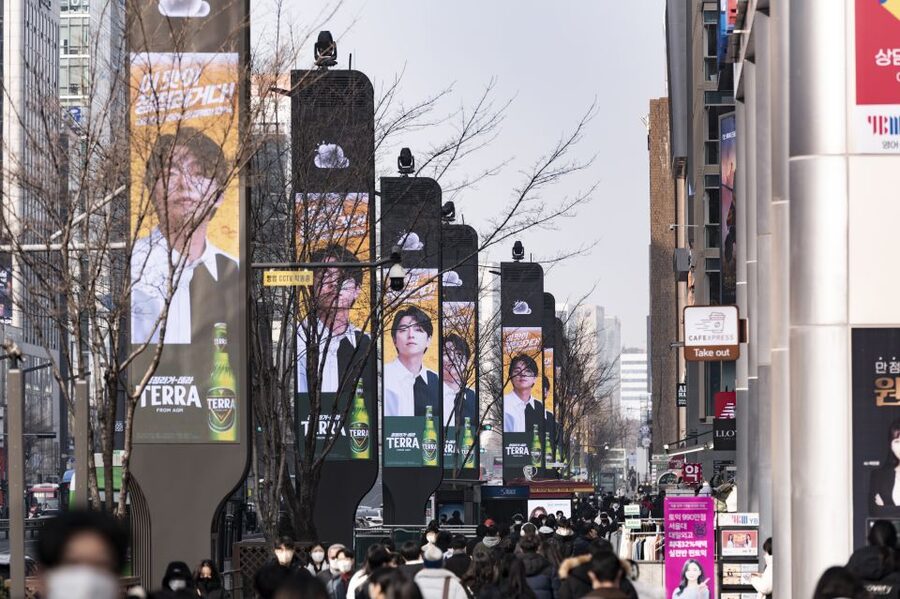
Most people first meet Gangnam through music videos, shopping districts, cafés, and images of polished modern Seoul. This tour asks you to look again. The expensive signs and immaculate storefronts are not just scenery. They point toward fierce competition for jobs, social status, attractive housing, academic success, and the right appearance.
You begin at Gangnam Station, Exit 11, one of Seoul’s major meeting points. From there, the guide leads you through streets between tall buildings and commercial blocks. You are not simply ticking off famous sights. Instead, you learn how an ordinary urban district can reveal the values that shape daily life.
I like this approach because it does not pretend that Gangnam represents every corner of South Korea. It shows one especially wealthy part of the capital, then uses that setting to discuss wider national concerns. The guide also explains why people may want to live in Gangnam, even when life there can be costly and demanding.
That balance matters. The tour is called a look at the darker side of South Korea, but it is not a simple attack on Korean society. The strongest version of the experience explains both the pressure and the reasons people remain, return, or continue to find pride and satisfaction in life there.
A few more Seoul trips worth comparing
- Seoul: Gyeongbok Palace, Bukchon Village, and Gwangjang Tour
★ 4.9 · 2,321 reviews - Full Day Tour In The Soop BTS Ver in PyeongChang Filming Location
★ 5.0 · 1,709 reviews - Best Seoul City Tour (Gyeongbokgung Palace,Insadong,Namsan Tower)
★ 5.0 · 1,647 reviews
What you see between Gangnam Station and the Han River
The route is built around observation. You pass advertisements for beauty products, luxury goods, and plastic surgery clinics. In another city, you might walk past such signs without a second thought. Here, the guide asks you to consider what they say about ideals of success and the pressure to look a certain way.
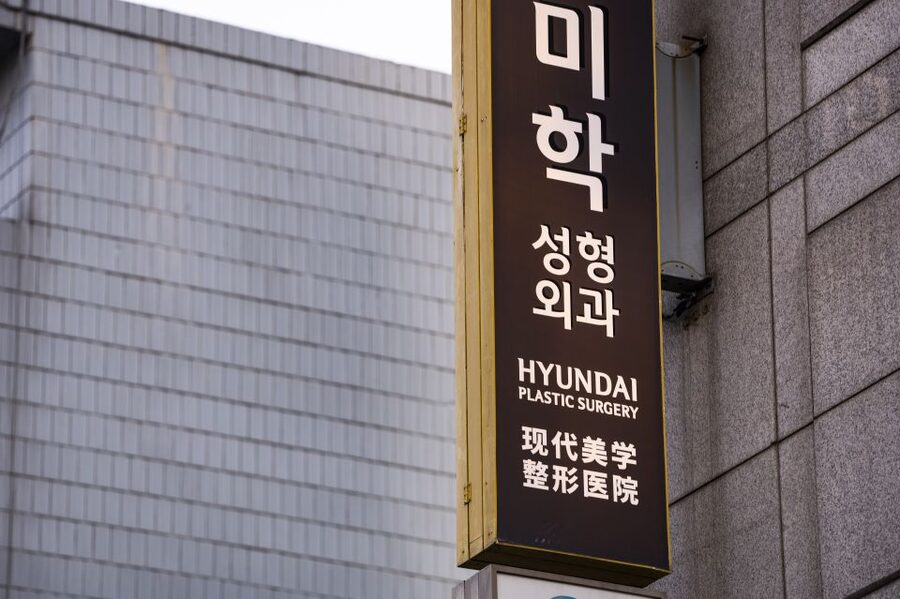
The plastic surgery discussion is one of the tour’s clearest links between the physical street and social custom. You learn how South Korea’s beauty industry grew, why appearance can carry such weight, and how young people may feel pressure to meet a narrow standard. The topic is handled as part of a larger system, not as a cheap joke about cosmetic work.
The buildings and commercial signs also open the door to housing and work. Gangnam’s polished image suggests prosperity, but the guide explains why housing can be a source of stress and why professional success is tied so closely to status. You may begin to notice that the district’s wealth is not only something to admire. It can also represent a standard that many people feel pushed to chase.
The walk ends at the Han River, giving the tour a clear change of mood and a natural place to gather the ideas you have heard. Based on the way the tour is presented, the final portion includes time to sit and talk, which is useful after so many social topics. One account described about 30 minutes of seated discussion, though exact timing can vary.
There is some subway use and a stated transportation charge of 2,000 KRW. That small extra cost is worth noting when you compare the total price. The route is described as physically easy, with flat walking and some steps for getting on and off the subway, but the activity is officially not suitable for people with mobility impairments or those over 70.
The history behind South Korea’s modern pressure
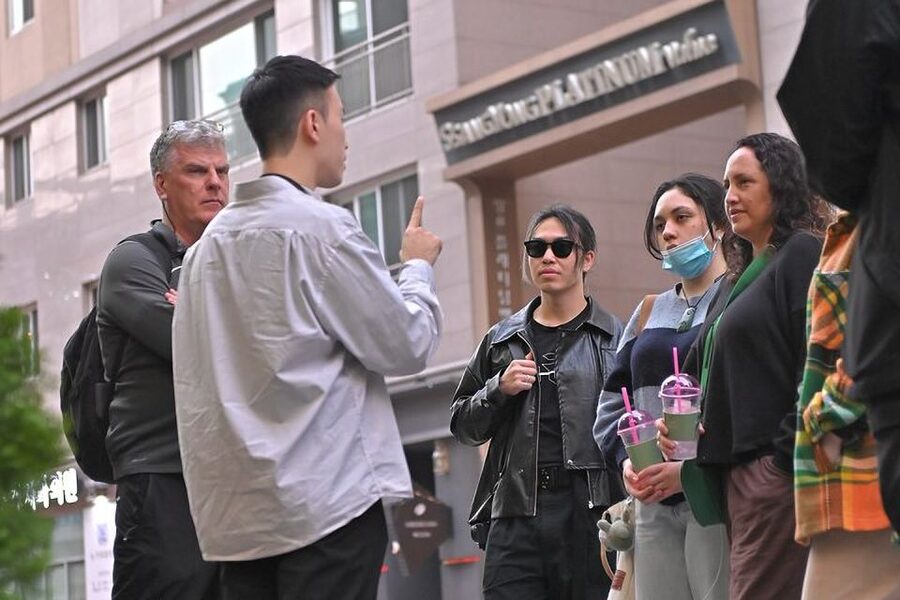
The tour does not treat today’s problems as isolated trends. A local historian gives you the background needed to understand how Korean culture was shaped and why older social rules still matter in a fast-changing country.
That historical frame is important. South Korea’s rapid economic rise, international pop-culture success, and modern city life can look like a single success story from the outside. The guide connects that progress to expectations around school, work, family duty, and social rank. You get a sense of how traditional ideas can remain powerful even when young people live in a highly modern economy.
I find this part especially useful early in a Seoul stay. It helps explain why certain behaviors may seem formal, competitive, or group-focused. It also keeps you from judging one custom through a purely Western lens. Jessica, in particular, is described as having experience living abroad as well as living in Korea, which gives her a useful inside and outside viewpoint. June is also praised for linking broad social themes to everyday life.
The guides do not present every Korean person as sharing one opinion. That is a key strength. Korean society contains regional, generational, economic, and personal differences, and a good guide leaves room for those distinctions. The tour gives you a framework for asking better questions rather than handing you a single answer.
Education, jobs, and the cost of success
Education is one of the central themes, and rightly so. The tour explains how intense academic expectations affect children, parents, and family life. You learn why education can become a major source of financial pressure and why school achievement is often tied to future work and social standing.
This is not just a lesson about exams. The guide discusses the chain that runs from childhood expectations to university choices, career competition, and adult stress. You begin to see how parents and children can both feel trapped by a system they believe they must follow, even when they understand its cost.
The conversation then moves naturally into work and career. South Korea’s international success has created opportunity, but it has also raised the bar for what counts as a respectable life. Long hours, competition, and the need to secure a good position can shape decisions about dating, marriage, housing, and children.
I appreciate that the tour does not reduce the issue to a stereotype about people being obsessed with achievement. It asks why these pressures exist and what they promise in return. Success can bring security, family pride, and a better standard of living. The problem is that the race can leave little room for rest or for choosing a different path.
If you are visiting with teenagers or young adults, this section may be especially useful. One family included a teenage daughter and found the themes accessible and engaging. Still, parents should know that the discussion is candid rather than softened for younger audiences.
Same base, a completely different sort of day:
- Small-Group Royal Palace and Seoul City Tour (hotel pick-up)
★ 5.0 · 1,474 reviews - Seoul City Sightseeing Tour Including Gyeongbokgung Palace, N Seoul Tower, and Namsangol Hanok Village
★ 5.0 · 1,423 reviews - Seoul Street Food Market Tour
★ 5.0 · 1,226 reviews - Seoul: Gyeongbok Palace, Bukchon Village, and Gwangjang Tour
★ 5.0 · 1,044 reviews
Beauty, dating, marriage, and the falling birth rate
Gangnam’s beauty clinics provide an obvious entry point, but the tour goes beyond plastic surgery. Appearance is linked to dating, job interviews, status, and the wish to fit social expectations. The guide explains how beauty standards can become part of everyday decision-making.
You also hear about dating and marriage. Social introductions, pressure from friends, family expectations, and ideas about the right age to settle down all play a role. The material is practical and personal, not just statistical. You are encouraged to think about how social rules influence private choices.
That leads to the low birth rate. The tour explains why many young Koreans may postpone or avoid marriage and children when housing, work, education, and childcare costs already feel heavy. This is one of the clearest examples of how separate pressures connect. A demanding education system can lead to intense work competition, which can make housing and family life harder to manage.
For me, this is where the tour becomes more than a walk through an expensive neighborhood. You see how a country can be wealthy and technologically advanced while many people still feel that ordinary adulthood is out of reach. The guide also discusses why South Korea can rank poorly on measures of happiness despite its economic achievements.
The tone can be blunt, and that is part of the value. The tour does not hide uncomfortable subjects to protect a polished image of Seoul. At the same time, it avoids suggesting that Korean life is only bleak. The final message includes reasons people stay, return, and value the country, giving you a more even picture.
Why the guides receive so much praise
The quality of the guiding matters more here than on a simple sightseeing route. Much of the experience involves ideas, examples, and questions rather than major monuments. A flat delivery would make the two and a half hours feel long.
Jessica is repeatedly described as funny, candid, clear, and engaging. She uses personal experience and real-life examples to make complicated subjects easier to follow. Her background between Korea and the United States also helps when she compares local customs with Western expectations. Several participants appreciated her willingness to keep answering questions after the walk.
June receives similar praise for his English, humor, and ability to explain Korean society in a relaxed way. He is described as especially good at discussing the lives of young people and professionals, along with the traps created by social expectations. The guide may vary by date, so you should check who is assigned when booking if that information is available.
A practical strength is the audio setup. A portable microphone and wireless earpieces have been used, helping you follow the explanation on busy streets. The exact equipment can depend on the day, but the tour information includes a local historian and English-language guiding.
Is $33 a fair price?
At $33 per person, I consider this good value if your goal is to understand Seoul rather than simply collect photos. The price covers 150 minutes with an English-speaking guide and a focused subject that is difficult to grasp through independent sightseeing alone.
You do need to add the 2,000 KRW transportation fee, and there may be an optional Korean food session at extra cost. Those details prevent the tour from being an all-inclusive experience, but they do not change the basic value much. You are paying for interpretation, not entrance tickets or a meal.
The value is strongest for first-time visitors who want context for what they see during the rest of their trip. It can also work well near the beginning of your stay, since the discussion of housing, work, dating, and education may help you understand later conversations and observations.
I would not book it if you want a relaxed food walk, a palace tour, or a simple introduction to K-pop culture. The walking is manageable, but the subject matter is demanding. You need to be willing to listen, ask questions, and think about uncomfortable contradictions.
Timing, comfort, and useful preparation
The tour runs for 150 minutes, though some sessions have lasted closer to three hours when questions continue. Wear comfortable shoes and bring cash, since cash is specifically requested and the transport cost is separate.
Summer in Seoul can be hot and humid. Bring water, and expect the organizer to provide a portable hands-free fan during the summer season. In winter, hot packs are included. The route has flat sections and some subway steps, but you should consider your mobility carefully before booking.
Audio recording is not allowed. That rule is worth respecting because the discussion includes personal examples and sensitive social subjects. Take written notes if you wish, but stay present for the conversation.
The tour has free cancellation up to 24 hours before the start time, and you can reserve while paying later. Those policies are useful if your Seoul schedule is still changing, but the main decision should be whether the topic suits you.
Who should book this Gangnam society tour?
I recommend it to you if you want to understand the people and pressures behind Seoul’s polished image. It suits curious first-time visitors, students, parents, older teens, and anyone interested in modern Asian societies, education, beauty culture, or urban change.
It is also a good match if you prefer a guide who can answer questions rather than recite dates. Jessica and June are both described as approachable, humorous, and able to explain ideas in strong English. The tour’s best moments seem to come when a street sign or building opens a wider conversation.
I would be more cautious if you want cheerful sightseeing only. Suicide, mental health, low birth rates, and social pressure are not side notes. They are part of the main purpose. The discussion is balanced, but it can leave you thinking long after the walk ends.
Should you book it?
Book this tour if you want Gangnam to mean more than luxury shopping and a famous song. For $33, plus 2,000 KRW transportation, you get a focused look at how Korean history, education, beauty standards, work, housing, dating, and family life fit together.
I would schedule it early in your Seoul visit, bring water, and arrive ready to ask questions. Skip it only if you want a purely visual tour or if difficult social topics are not what you want on holiday. For anyone seeking a clearer understanding of modern South Korea, this is one of the more useful walks in the city.
FAQ
Where does the Gangnam tour meet?
Meet your guide at Gangnam Station, Exit 11. The English address is 820-10, Yeoksam-dong, Gangnam-gu, Seoul. The Korean address is 강남역 11번 출구.
How long does the experience last?
The scheduled duration is 150 minutes. Some sessions may run longer when the group spends extra time on questions and discussion.
What language is the tour conducted in?
The tour is conducted in English with a live English-speaking guide.
What topics does the tour cover?
It covers Korean history and culture, education pressure, plastic surgery and beauty standards, housing, work, dating, marriage, family life, mental health, suicide rates, low birth rates, and the pressures facing young people.
Is transportation included?
No. A transportation fee of 2,000 KRW is separate from the tour price.
What should I bring?
Bring cash. Water is also a sensible choice, especially in Seoul’s hot and humid summer weather.
Are seasonal comfort items provided?
A portable hands-free fan is provided in summer, and hot packs are provided in winter.
Is the tour suitable for people with mobility impairments or those over 70?
The activity is officially listed as unsuitable for people with mobility impairments and people over 70. The route includes walking on flat ground and some subway steps.
Can I cancel the booking?
You can cancel up to 24 hours in advance for a full refund. You can also reserve now and pay later.
Newest Seoul trips on the site
- Seoul : Must-see & Hidden Gems Private Walking Tour★ 4.9 · 8 reviews
- Seoul: Lotte World Aquarium Ticket★ 4.5 · 10 reviews
- Seoul: Max Out Must Visit City Highlights Panoramic Day Tour★ 5.0 · 7 reviews
- Seoul: K-Fashion Shopping Tour with a Professional Stylist★ 5.0 · 5 reviews
- From Seoul: Korea Spring Cherry Blossom Day Tour★ 4.8 · 6 reviews
- Seoul: Guided Street Food Tour at Namdaemun Market★ 5.0 · 10 reviews
- Seoul: Jisan Forest Winter Ski Day Tour with Basic Lesson★ 4.4 · 6 reviews
- Jisan Forest Resort: Ski Full-Day Tour or Shuttle from Seoul★ 5.0 · 4 reviews
Seoul Tours, compared.

Gyeongbok Palace, Bukchon Village, and Gwangjang Tour
Read our review →
Full Day Tour In The Soop BTS Ver in PyeongChang Filming Location
Read our review →
Best Seoul City Tour (Gyeongbokgung Palace,Insadong,Namsan Tower)
Read our review →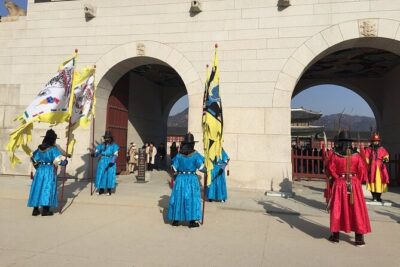
Small-Group Royal Palace and Seoul City Tour (hotel pick-up)
Read our review →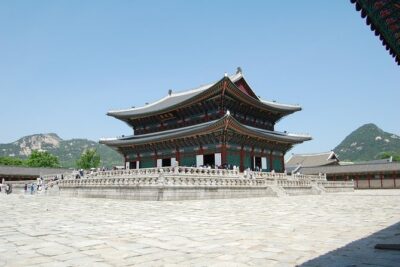
Seoul City Sightseeing Tour Including Gyeongbokgung Palace, N Seoul Tower, and Namsangol Hanok Village
Read our review →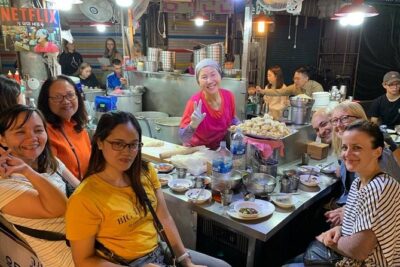
Gyeongbok Palace, Bukchon Village, and Gwangjang Tour
Read our review →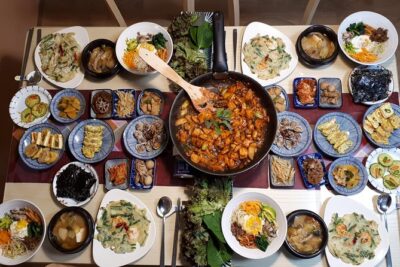
Local Home Korean Cooking Class & Market Adventure in Seoul
Read our review →Browse the lists this tour appears in