
Reviewed · DMZ TOURS
DMZ Insider Tour: 3rd Tunnel, NK Defector Meet & Red Bridge
The most affecting part of this DMZ tour is not the lookout or the tunnel. It is hearing a North Korean defector explain how she escaped, then asking direct questions about life on the other side. That personal account turns a distant political story into something immediate.
I like the choice of formats, from a half-day DMZ visit to a full day with a suspension bridge or boat ride. I also like the careful mix of sites: the 3rd Infiltration Tunnel shows military planning underground, while Imjingak and the observatory bring in the human cost of a divided Korea.
The main catch is that this is a military area, not a regular sightseeing district. Access can change without notice, traffic can stretch the day, and the tunnel requires a fair amount of walking, especially on the climb back up.
Key points at a glance
- A firsthand North Korean escape story: Meet a defector and take part in a live question-and-answer session.
- The 3rd Tunnel is physically demanding: Walk underground through a passage built for an invasion, then climb back to the surface.
- You can shape the day: Pick the half-day DMZ option, a red bridge outing, a Lake Majang bridge visit, or a boat ride.
- The military bus is part of the experience: Access inside the DMZ follows military rules and group transport procedures.
- The views depend on the weather: Dora Observatory can offer a clear look toward North Korea, but haze or poor weather may limit what you see.
- The guide makes a real difference: Guides named in recent bookings include Julie, Jay, Cindy, Paul, Dennis, Chloe, Charles, and Simba, though your assigned guide is not guaranteed.
Why this DMZ trip feels different from a standard day tour
The Korean Demilitarized Zone is often reduced to a photo opportunity. This outing gives you more context. You see memorial sites, war relics, military infrastructure, and a tunnel built by North Korea. Then you hear a person describe the risks of leaving that system.
That order matters. At Imjingak, you first meet the symbols of separation and remembrance. In the tunnel, you see the physical threat beneath the border. At Dora Observatory, you look across the divide. The defector Q&A adds a human voice to all three stops.
The tour is based in Gyeonggi Province, north of Seoul, and normally takes 7 to 9 hours, depending on the option, traffic, weather, and military permission. The stated price is $50 per person, though the add-on choices and private format may affect the final cost.
At that price, the tour offers good value if you want transport, a licensed guide, DMZ admission, and several major sites in one day. You are not paying only for a bus ride. You are also paying for access arrangements in a controlled military area, interpretation at each stop, and the chance to ask questions of a defector.
A few more DMZ trips worth comparing
- Best DMZ Tour Korea from Seoul (Red Suspension Bridge Optional)
★ 5.0 · 41,422 reviews - DMZ Tour: 3rd Tunnel, Option(Suspension Bridge, Boat) from Seoul
★ 5.0 · 21,373 reviews - DMZ tour south Korea from Seoul (NK experience hall, defector)
★ 5.0 · 20,599 reviews
Getting to Imjingak and joining the military bus
Your starting point depends on the option you book. Most visitors meet the guide at a designated Seoul location or at Imjingak Park. Private tours include hotel pickup in Seoul, while groups of 10 or more receive free hotel pickup under the stated conditions.
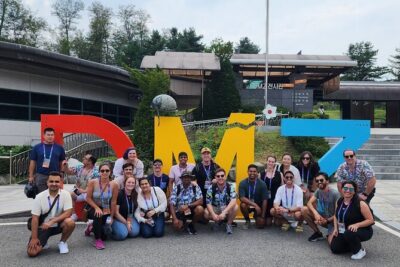
The ride toward the DMZ takes about an hour. This is useful time for your guide to explain the Korean War, the division of the peninsula, and the rules you need to follow. Guides such as Paul Lee, Julie, Jay, Cindy, and Dennis have been praised for clear explanations, humor, and keeping the group moving on schedule.
Once you reach the DMZ area, you transfer to a group bus designated by the Korean military. Even if you select a private tour, DMZ regulations require group touring inside the zone. Your private guide can accompany you, but the military controls access and movement.
That distinction is important. This is not a flexible private sightseeing day where you can linger at every stop. You need to follow the group timetable and listen closely to instructions. Bring your passport, since every person must show valid identification to enter the DMZ.
Imjingak Park, Mangbaedan Altar, and the old locomotive
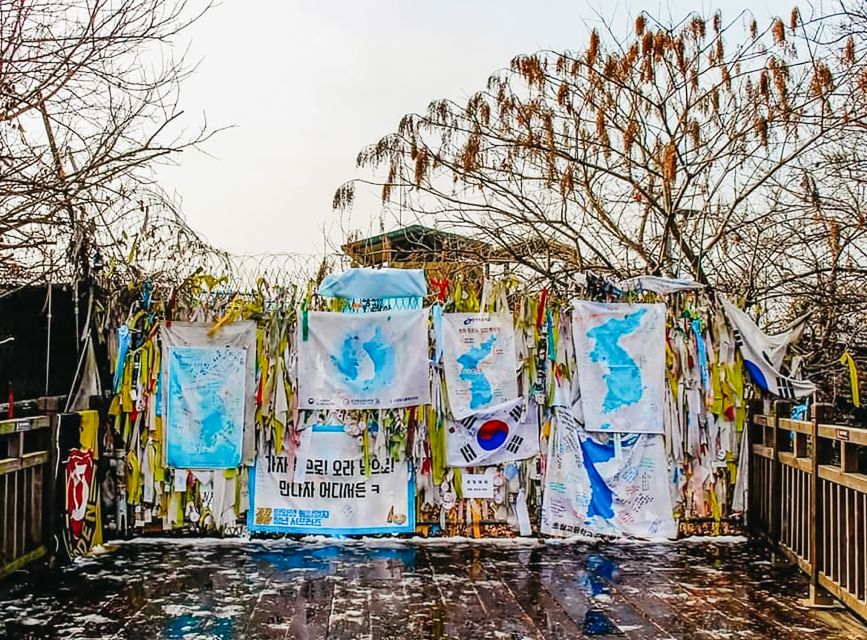
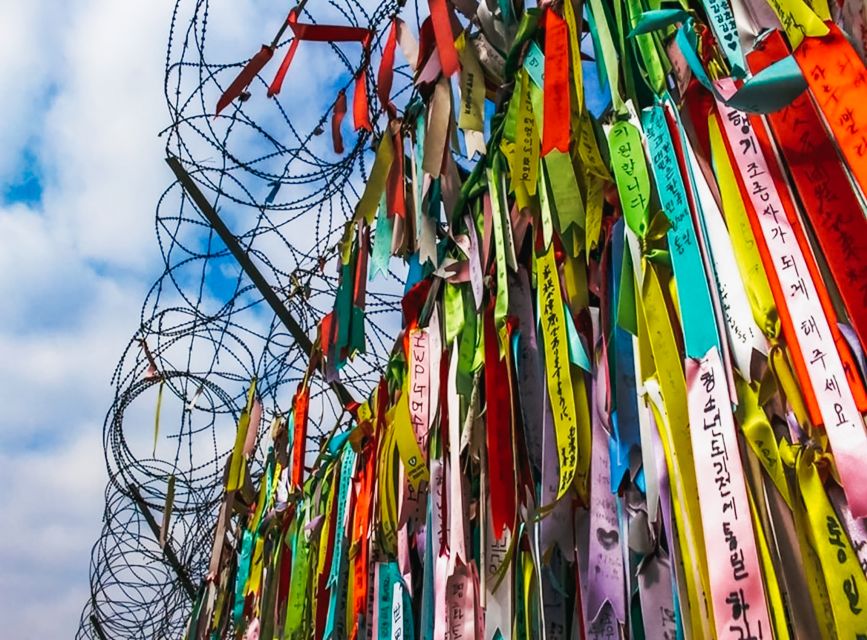
Imjingak is the emotional starting point for the historic side of the day. The park includes the Mangbaedan Altar, where families separated by the Korean border have remembered relatives they may never see again.
The site gives you a quick sense of the human cost of division. It is not just about soldiers and fences. It is also about families, unanswered questions, and people who have spent decades waiting for contact.
You also see a historic steam locomotive. Its damaged condition connects the Korean War to something ordinary and recognizable: a train that once moved through a country now divided by a heavily guarded border.
Allow yourself a little quiet time here. The guide will provide the facts, but the park works best when you pause and look at the memorials rather than treating them as quick photo stops.
Meeting a North Korean defector
The defector session is the part that gives this tour its strongest personal focus. You hear a firsthand escape story in a live setting, then have an opportunity to ask questions about North Korean life, leaving the country, and what survival required.
The story is presented as a personal account, not as a dry political lecture. That makes it powerful, but it can also be difficult to hear. The experience asks you to listen with care and remember that one person’s journey cannot explain every North Korean life.
The Q&A is especially useful if you arrive with specific questions. You can ask about daily life, the decision to leave, or the challenges of adapting after escape, within the limits of the session. The supplied information describes the account as raw and firsthand, so expect a serious conversation rather than a light cultural talk.
This is also where a strong guide helps. Several guides, including Julie, Jay, Cindy, and Paul, have been praised for making hard subjects easier to follow without treating them lightly. Their humor is useful during the bus rides, but the important point is that the difficult parts receive proper weight.
Same base, a completely different sort of day:
- Seoul: DMZ Tour with Optional Suspension Bridge
★ 4.8 · 5,277 reviews - Signature DMZ Tour: Exclusive Defector Talk & Suspension Bridge
★ 5.0 · 4,459 reviews - Thrilling Korean DMZ 3rd Tunnel Tour from Seoul + Red Bridge Rush
★ 5.0 · 3,097 reviews - DMZ Past and Present: Korean Demilitarized Zone Tour from Seoul
★ 5.0 · 2,481 reviews
Walking through the 3rd Infiltration Tunnel
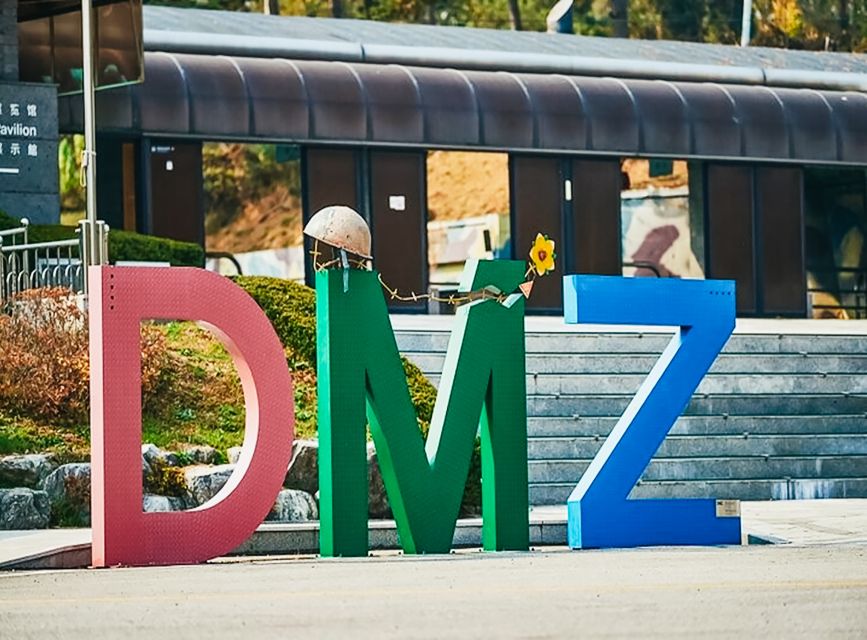
The 3rd Infiltration Tunnel is the tour’s most physical stop. North Korea dug the passage from its side, with the stated purpose of moving forces into South Korea. You walk through part of the tunnel and learn how it fit into plans for an attack.
The route slopes down toward the tunnel, then the return trip climbs back up. One useful tip is to save energy for the way out. The walk down feels easier than the climb back, and seats are available along the return route according to the tour information shared by visitors.
Wear comfortable shoes. You do not need technical hiking gear, but this is not a flat museum visit. The activity is classed as moderately strenuous and may be difficult for people with mobility impairments or limited fitness.
Large bags and luggage are not allowed. Pack lightly and keep your passport secure. The restrictions are practical rather than surprising: this is a controlled military site, not an open public attraction.
The tunnel is valuable because it makes the military history physical. Maps and dates can feel distant. A narrow passage underground gives you a more direct sense of the planning, labor, and danger involved.
Dora Observatory and the view toward North Korea
At Dora Observatory, you look toward North Korea from the South Korean side of the border. On a clear day, you may see across the divide, including parts of the northern countryside and nearby settlements.
Weather matters here. Haze can soften the view, and the experience will not be identical on a clear winter morning and a gray summer afternoon. Bring realistic expectations: you are not guaranteed a dramatic panorama.
Still, the stop is worthwhile because it turns the border into something visible. You are not merely hearing that North Korea is nearby. You are looking toward it from a designated observation point, under military rules, with the knowledge that the area beyond is not an ordinary day-trip destination.
Your guide will explain what you are seeing and how the border works. Keep to the marked areas and follow instructions about photography, since the DMZ has strict regulations.
Choosing the Red Bridge or Lake Majang option
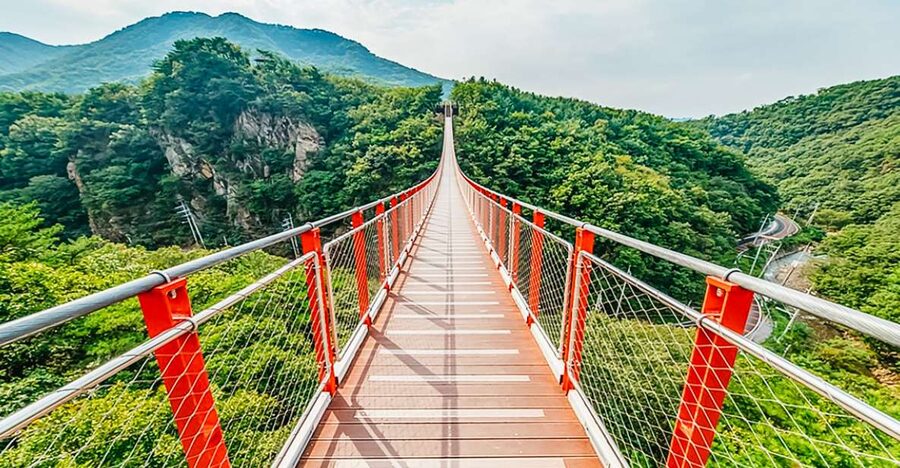
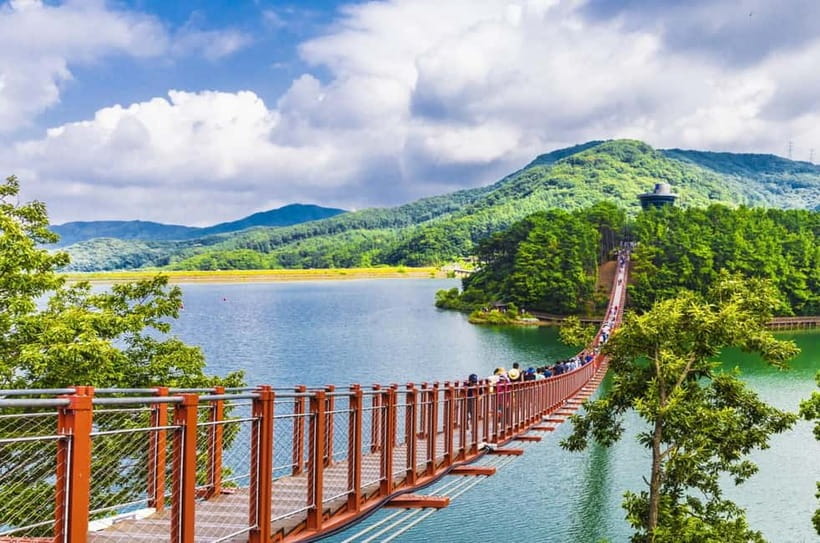
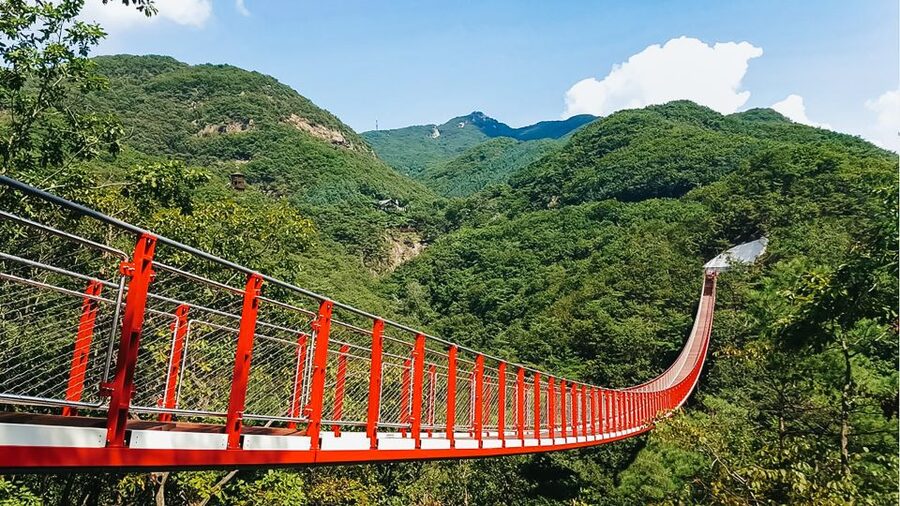
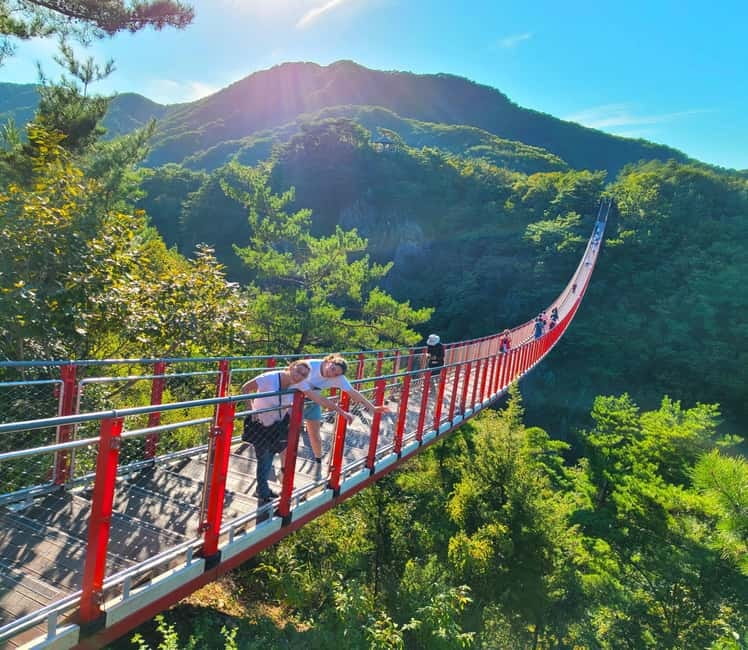
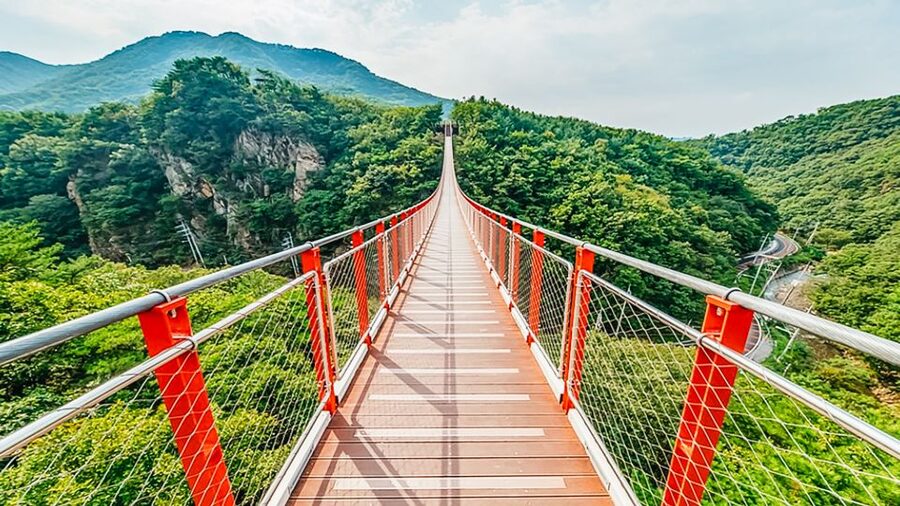
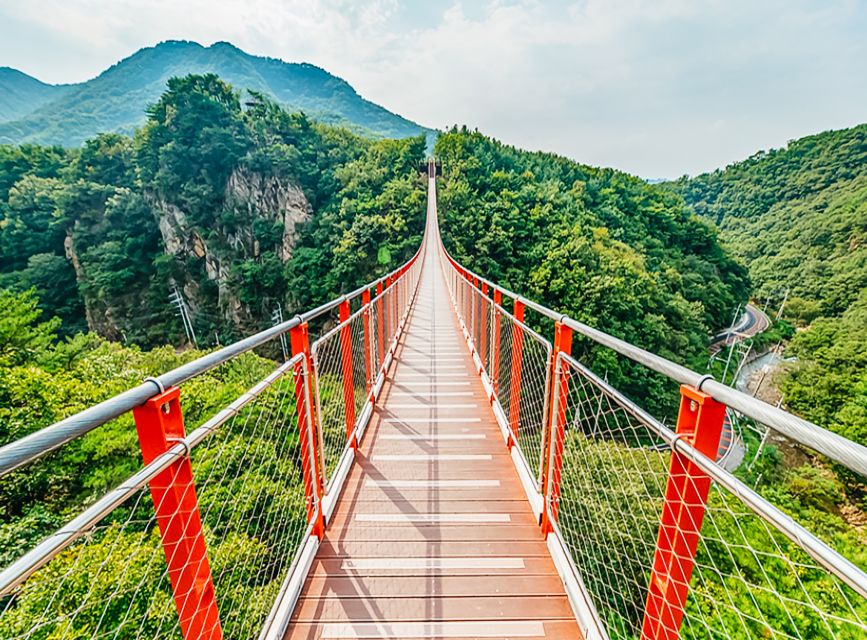
The extra suspension bridge options add scenery and walking to a day that is otherwise heavy with military history. You can choose between the Gamaksan Suspension Bridge and the Lake Majang Suspension Bridge, depending on the booking option.
The Gamaksan route includes about a 15-minute hike to the bridge and roughly an hour for sightseeing. It is a good fit if you want a more active outing and a mountain setting after the tunnel and observatory.
The Lake Majang option also gives you a bridge walk and a change of pace. It works well for people who want the DMZ but do not want the whole day to remain focused on military sites.
These additions lengthen the tour to an expected drop-off around 4:00 pm at Hongik University Station or 4:30 pm at Myeongdong, though traffic and site conditions can change the timing. The suspension bridge is not a substitute for the DMZ. Think of it as an extra outdoor stop that rounds out the day.
The bridge choices are best for you if you enjoy walking and want photos, views, and a physical break from museums and memorials. If your main goal is the DMZ itself and you prefer a shorter day, choose the half-day option.
The boat voyage option on the Imjin River
The full-day boat option adds a voyage on the Imjin River after the DMZ sites. The river is closely tied to the border region, so the ride continues the geographic story rather than feeling like an unrelated activity.
This option is useful if you want a slower finish after the tunnel and observatory. The boat ride may be replaced by an alternative if maintenance affects operations, so treat it as a planned feature rather than an absolute guarantee.
The expected return is around 4:00 pm at Hongik University Station or 4:30 pm at Myeongdong. As with the bridge choices, the timing can shift because of traffic, weather, and military permission.
Transport, food, and the pace of the day
Round-trip transport from Seoul is included, and the vehicles have been described as comfortable. The ride to and from the DMZ takes about an hour each way, so bring water and something small to eat if you need regular snacks.
Lunch is not included. Some tours stop for a meal, and vegetarian food has been available at lunch locations, but you should budget separately and confirm the arrangements with your guide. One reported meal cost was 13,000 Korean won, though prices and stops may vary.
The day includes several transitions: Seoul to the border area, Imjingak, the military bus, the tunnel, the observatory, and your selected extra stop. Good time management matters. Guides have been praised for pointing out bathroom and snack breaks and for avoiding the busiest periods when possible.
The half-day version is the most efficient choice. It normally returns around 1:30 pm to Hongik University Station or 2:00 pm to Myeongdong. It gives you the core DMZ sights without committing your entire day.
Which option should you choose?
Choose the half-day DMZ tour if you want the essential sites, have evening plans, or prefer less walking. It includes Imjingak, the military bus, the tunnel, and Dora Observatory.
Choose Gamaksan if you want a mountain walk and suspension bridge. Choose Lake Majang if you prefer a bridge stop and a scenic change of pace. Choose the boat option if the Imjin River interests you and you want a gentler full-day finish.
A private tour is worth considering if your schedule calls for hotel pickup or you want a more personal guide arrangement. Remember that the DMZ portion still follows group rules.
The English and Japanese options make the tour accessible to a broad range of visitors. Named guides such as Chloe, Charles, Simba, Julie, Jay, Cindy, Paul, and Dennis have received strong praise for energy, humor, clear English, and historical explanation, but the operator assigns guides according to availability.
What can change on the day
The DMZ is an active military area. It can close suddenly without notice, and access times can change because of military permission, weather, or other conditions. If the DMZ closes, an alternative tour is provided, but the stated conditions do not offer a refund for that situation.
Traffic can also affect the pickup and drop-off times. Keep your evening schedule flexible, especially if you have a train, flight, or dinner reservation soon after the expected return.
This is a DMZ tour, not a JSA tour. You will not be visiting the Joint Security Area under this experience. That distinction matters if your main goal is to enter the famous blue meeting buildings at Panmunjom.
Cancellation is free up to 24 hours before the activity, and reserve-now-pay-later booking is available. These policies help if your Seoul plans are still shifting.
Who will get the most from this tour?
I would choose this outing if you want history with a strong human element, not simply a border photo. The defector conversation, tunnel visit, memorials, and observatory work together well.
It suits adults, older children who can manage the subject matter and walking, solo visitors, couples, and groups that want a major day trip from Seoul. It is less suitable if you dislike fixed schedules, military restrictions, or serious political history.
People with mobility limitations should think carefully before booking. The tunnel involves a moderate amount of walking and a climb, while the suspension bridge options add more walking.
Should you book the DMZ Insider Tour?
Yes, if you want the clearest mix of major DMZ sights, personal testimony, and flexible add-ons at a stated starting price of $50. I especially like the chance to hear a defector and ask questions, since that brings a human scale to places that can otherwise feel symbolic and distant.
Choose the half-day format if efficiency matters. Add Gamaksan, Lake Majang, or the boat ride if you want a longer day and more outdoor time. Just bring your passport, wear sturdy comfortable shoes, leave large luggage behind, and keep your schedule open for military or traffic delays.
FAQ
How long does the DMZ Insider Tour take?
The experience lasts about 7 to 9 hours overall. The half-day DMZ option returns around 1:30 pm to Hongik University Station or 2:00 pm to Myeongdong. Longer options generally return around 4:00 pm or 4:30 pm.
Does the tour include hotel pickup?
Hotel pickup is available for private tours in Seoul. Free hotel pickup is included for groups of 10 or more under the stated conditions. Other options use designated meeting points.
What sites are included in the half-day DMZ tour?
The half-day option includes Imjingak Park, the Mangbaedan Altar, the historic steam locomotive, the 3rd Infiltration Tunnel, and Dora Observatory. It also includes military group-bus transport inside the DMZ.
Will I meet a North Korean defector?
The experience includes a meeting with a North Korean defector, a firsthand escape story, and a live question-and-answer session.
Is this a JSA tour?
No. This is a DMZ tour and does not visit the Joint Security Area.
Do I need my passport?
Yes. Every person must bring a valid passport to access the DMZ.
Is lunch included?
No. Lunch is not included in the tour price. A lunch stop may be arranged, and vegetarian food has been available at some meal locations.
What should I wear?
Wear comfortable shoes because the tour includes a moderate amount of walking, especially through the 3rd Infiltration Tunnel. Large bags and luggage are not allowed.
Can the DMZ close unexpectedly?
Yes. The DMZ may close without notice because of military conditions, weather, or other restrictions. If that happens, an alternative tour is provided, but no refund is offered for the closure under the stated conditions.
Newest DMZ trips on the site
- Seoul: DMZ & Live Talk with North Korean Defector★ 4.9 · 50 reviews
- Seoul: DMZ Tour with Japanese-Speaking Guide★ 5.0 · 28 reviews
- Seoul: DMZ 2nd Tunnel and Suspension Bridge Tour★ 4.8 · 56 reviews
- Seoul: DMZ, 3rd Tunnel, Odusan or Suspension Private Tour★ 5.0 · 4 reviews
- Seoul: Closest DMZ Observatory with North Korea View (1.4km)★ 4.9 · 10 reviews
- From Seoul: Private DMZ and Odusan Observatory Full-Day Tour★ 4.9 · 34 reviews
- Private DMZ SPY Tour from Incheon Airport★ 4.6 · 7 reviews
- From Seoul: DMZ Tour and North Korea Experience Hall★ 4.7 · 34 reviews
DMZ Tours, compared.
Best DMZ Tour Korea from Seoul (Red Suspension Bridge Optional)
Read our review →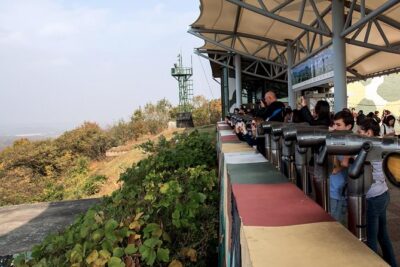
DMZ Tour: 3rd Tunnel, Option(Suspension Bridge, Boat) from Seoul
Read our review →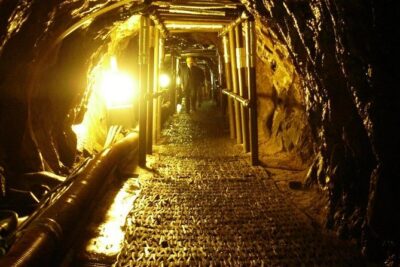
DMZ tour south Korea from Seoul (NK experience hall, defector)
Read our review →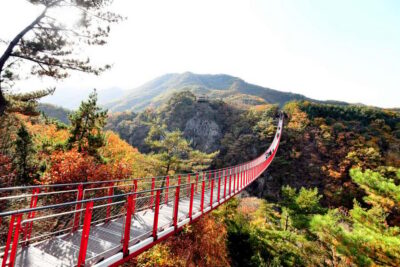

Signature DMZ Tour: Exclusive Defector Talk & Suspension Bridge
Read our review →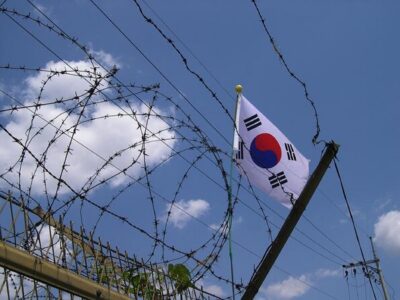
Thrilling Korean DMZ 3rd Tunnel Tour from Seoul + Red Bridge Rush
Read our review →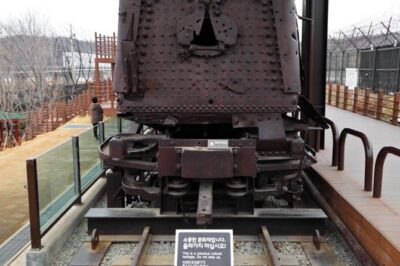
DMZ Past and Present: Korean Demilitarized Zone Tour from Seoul
Read our review →
DMZ; NK Defector, 3rd Tunnel, Suspension Bridge,Hotel pickup
Read our review →Browse the lists this tour appears in