
Reviewed · DMZ TOURS
Seoul: DMZ Guided Tour with Suspension Bridge and Gondola
The most striking part of this day trip is the sudden change from Seoul’s busy streets to a guarded border where history is still unfinished. At Dora Observatory, you can look across the Demilitarized Zone toward North Korea, while the 3rd Tunnel gives you a physical sense of how close the conflict came to Seoul.
I like the mix of serious history and open-air scenery, especially the chance to pair the tunnel and observatory with the Imjingang River gondola or Gamaksan Suspension Bridge. I also like that strong guides such as Roy, Patrick, Sean Kim, Ki, and April add humor and clear explanations to a heavy subject. The drawback is the packed schedule: you need comfortable shoes, a valid passport, and enough stamina for steep walking underground.
Key points to know before you book
- The 3rd Tunnel is the day’s most physical stop: Expect an inclined walk in a passage only about 2 meters high and 2 meters wide.
- Dora Observatory offers the clearest view toward North Korea: Weather and political conditions can affect access.
- The gondola and North Korean defector session are alternatives: You can choose only one, and neither is available on Mondays.
- Gamaksan Suspension Bridge adds mountain scenery: It is an optional extra and takes about 30 minutes.
- The tour runs 7 to 9 hours: Traffic, security checks, and crowd levels can stretch the day.
- Monday follows a different route: The tour visits the 2nd Tunnel, Peace Observatory, and the northernmost train station in the DMZ.
Why the DMZ feels different from a normal day trip
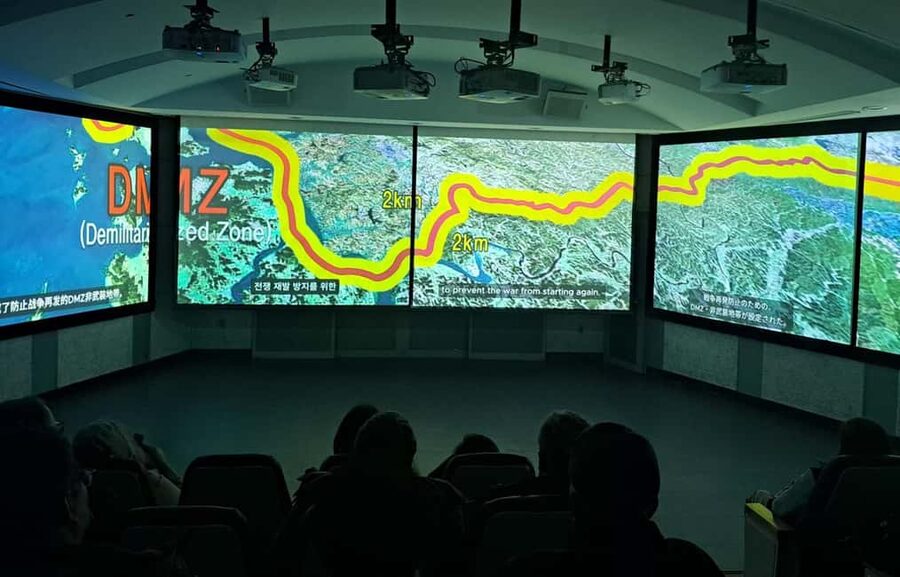
The DMZ is not a museum exhibit that has been neatly sealed away. It is a 248-kilometer buffer zone between North and South Korea, managed under United Nations oversight and shaped by current military and political conditions. That is why this trip can change at short notice, even after you have planned your day.
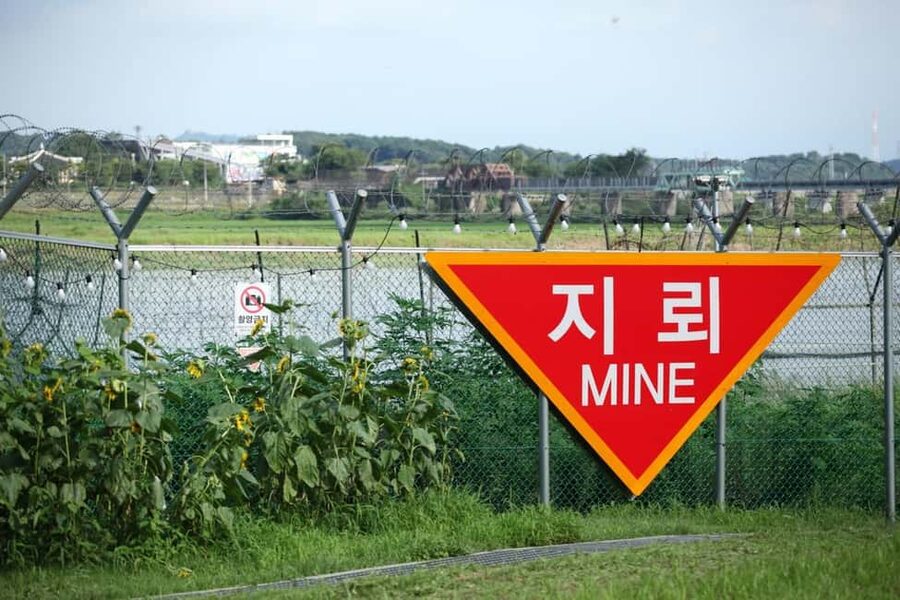
You will not simply look at old photographs and listen to dates. You will pass through controlled areas, follow instructions about where you can stand and take photographs, and see places connected to the division of the Korean Peninsula. The atmosphere can shift quickly from quiet mountain views to reminders of military tension.
I find that the guide matters a great deal here. The best guides make the history understandable without turning the day into a lecture. Roy is often praised for keeping the mood light while explaining the Korean War and the modern border. Patrick is especially good at giving clear instructions and handling a busy schedule. Sean Kim is known for combining history, humor, lunch suggestions, and practical help, including taking photographs for solo visitors.
The English-language guiding is one of the main reasons to choose this organized trip rather than trying to piece together the route yourself. Security rules, restricted roads, and changing access make independent sightseeing around the DMZ difficult.
More Cable Car Rides in the DMZ
- Ultimate Korea DMZ Tour from Seoul (Gondola & Suspension Bridge)
★ 5.0 · 2,396 reviews - DMZ Guided Tour with Suspension Bridge / Gondola from Seoul
★ 5.0 · 876 reviews - DMZ Guided tour from Seoul with Suspension Bridge or Gondola
★ 5.0 · 319 reviews
From Seoul to Gamaksan Suspension Bridge
The day begins at a selected meeting point, commonly around Myeongdong or Hongdae, or with hotel pickup if you choose the private option. The first transfer takes about an hour, so use the time to settle in and listen to the guide’s introduction.
If you add the suspension bridge, Gamaksan is your first stop. The visit lasts roughly 30 minutes and gives you mountain views from a 150-meter swinging bridge. It is a useful contrast to the more solemn border stops later in the day. You get fresh air, a bit of movement, and a chance to take photographs before the schedule becomes more structured.
The bridge is not the main reason to book a DMZ trip, but it is a good choice if you want scenery as well as military history. It also helps break up the long periods spent in a vehicle. If heights or swinging bridges bother you, you can skip this option and save your energy for the tunnel.
Imjingak explains the human cost of division
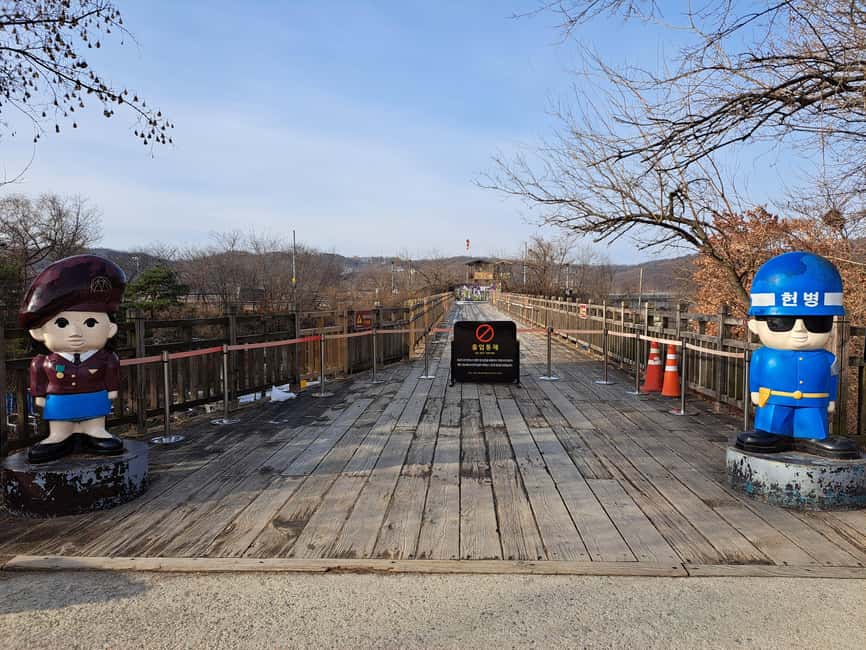
Imjingak is a major stop and usually receives about an hour. It is one of the places where the personal cost of the division between North and South Korea becomes easier to understand. The site connects the political story with families, separation, remembrance, and the hope of future reunification.
This is also where you may find time for photographs, snacks, or small souvenirs. The schedule is practical rather than luxurious, so food and drinks are not included. You will find places to buy something at several stops, but I would still bring water, particularly in summer.
Imjingak can feel more accessible than the restricted border viewpoints because you have space to walk around and take in the setting. It gives you room to think before the tour moves into the more controlled DMZ sites.
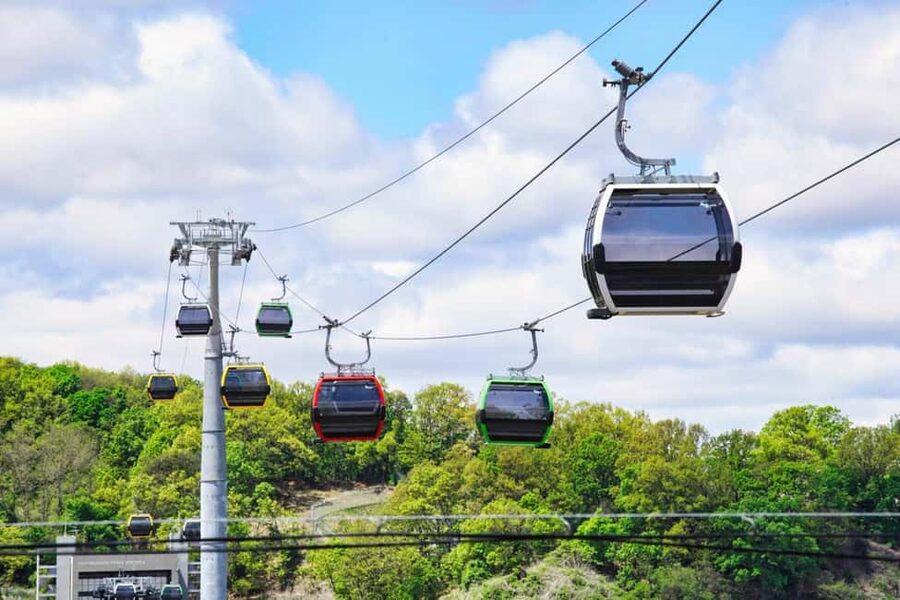
The gondola offers a different view of the border
The Peace Gondola at Paju is an optional addition and takes about an hour as a self-guided visit. It crosses the Imjingang River and offers another way to look toward the northern side of the peninsula.
I like this option for visitors who want a broader visual sense of the area. From the gondola, the border is not just a line on a map. The river, hills, and guarded zone become part of the view. It is less intense than the 3rd Tunnel, but it adds space and perspective to the day.
The gondola is not available on Mondays. It also cannot be combined with the North Korean defector session. You must choose one of the two options when booking, so check the exact package carefully rather than assuming both are included.
Same base, a completely different sort of day:
- Best DMZ Tour Korea from Seoul (Red Suspension Bridge Optional)
★ 5.0 · 41,422 reviews - DMZ Tour: 3rd Tunnel, Option(Suspension Bridge, Boat) from Seoul
★ 5.0 · 21,373 reviews - DMZ tour south Korea from Seoul (NK experience hall, defector)
★ 5.0 · 20,599 reviews - DMZ Insider Tour: 3rd Tunnel, NK Defector Meet & Red Bridge
★ 4.9 · 15,214 reviews
Gallery Greaves and the visitor center add context
A visitor center stop of about 30 minutes helps prepare you for the border sites. Depending on the selected route and current conditions, you may also visit Gallery Greaves, an exhibition space connected with the former military area. The exact order can change because traffic and access rules affect the day.
This portion is useful if you want more explanation before entering the tunnel. It can feel less dramatic than the observatory or bridge, but it helps place the physical sites into a larger story. The DMZ is not only about soldiers and fences. It is also about competing memories, families separated for decades, and the hope that transport links could one day reopen.
Walking through the 3rd Tunnel
The 3rd Tunnel of Aggression is the most demanding stop. Discovered in 1978, the tunnel runs about 1,635 meters, is roughly 2 meters wide and 2 meters high, and was built on a scale capable of moving 30,000 soldiers per hour.
You walk downhill through part of the tunnel, then return on the same route. The incline is the issue, not the distance alone. Comfortable footwear is essential, and the tour specifically warns people with low fitness, serious heart problems, or claustrophobia to consider staying outside.
The low ceiling makes the tunnel feel close and enclosed. You may need to watch your head and keep a steady pace. If you are unsure, do not let the excitement of the group push you into it. The outside visitor areas still explain what happened, and skipping the tunnel is better than turning a historical visit into a medical problem.
For those who are comfortable with the walk, this is the stop that makes the border feel real. Dora Observatory lets you look across the division. The tunnel lets you walk beneath it.
Dora Observatory and the view toward North Korea
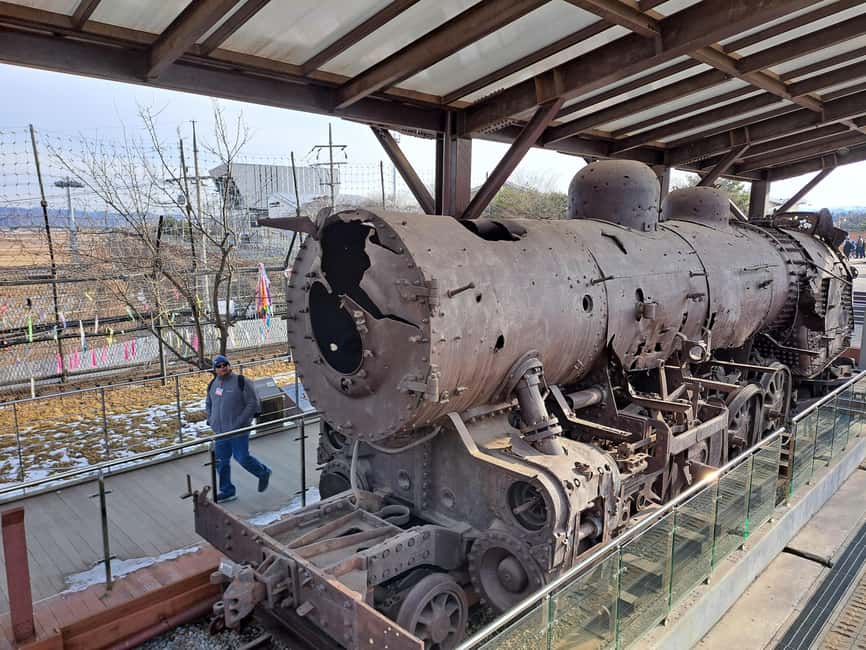
At Dora Observatory, the guide explains what you are seeing and points toward the northern side. On a clear day, you may look across the DMZ toward North Korea, sometimes using binoculars supplied or arranged by the guide.
Weather matters. Haze, rain, and low cloud can reduce the view to a distant outline. Access can also be closed because of military or political conditions, in which case the stop may be replaced by another site. That uncertainty is part of visiting a live border rather than a fixed attraction.
The observatory is best approached with realistic expectations. You are not guaranteed a close or detailed view of daily life in North Korea. You may see mountains, buildings, fields, or villages at a distance. The value comes from standing at a carefully controlled viewpoint and understanding what separates the two countries.
The guide’s explanations make a big difference here. Roy is especially good at keeping people engaged while helping them use the viewing area efficiently. Several guides also make sure solo visitors get photographs and that everyone understands when to move on.
Unification Village, shopping, and the final return
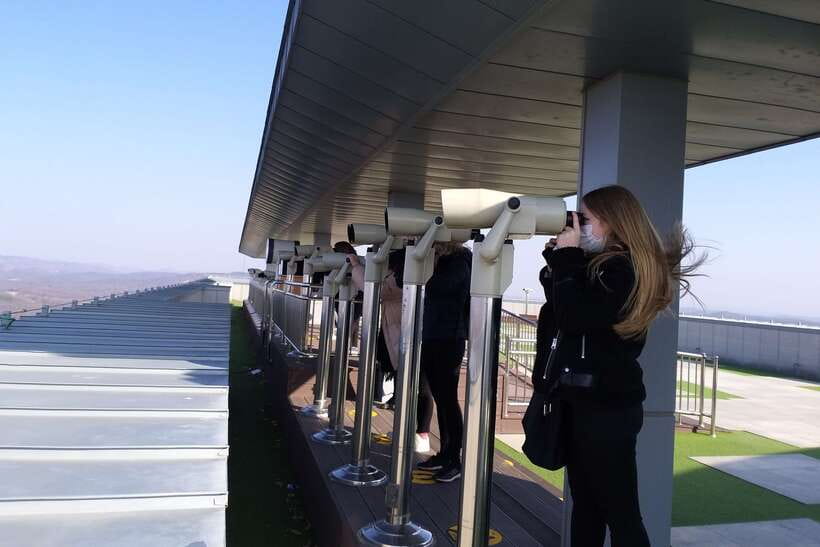
The route includes time at Unification Village, with about 40 minutes set aside for shopping. This is not the main historical stop, but it gives you a chance to buy local products and take a break before the drive back to Seoul.
Guides may also help you decide what is worth buying. Patrick, for example, is praised for giving practical shopping advice rather than simply sending the group into a store. Keep your expectations sensible: this is a short stop, not an extended market visit.
The return drive takes roughly an hour, though traffic can stretch it. Drop-off points vary, with options around Seoul locations such as Myeongdong and Hongdae. If you have an evening reservation, leave plenty of spare time. This is a full-day trip, and delays can happen when access roads are crowded or security procedures take longer than expected.
What changes on Mondays
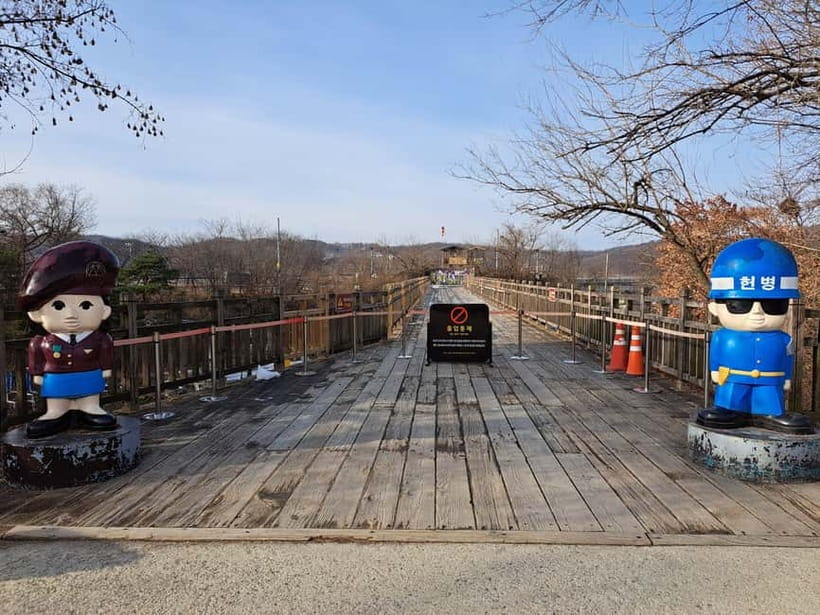
Monday is not the standard route. Instead of the usual combination of the 3rd Tunnel, Dora Observatory, and gondola option, the tour visits the 2nd Tunnel, Peace Observatory, and the northernmost train station in the DMZ.
The Peace Gondola and North Korean defector session are both unavailable on Mondays. If either is important to you, book another day. If Monday is your only opening, the alternate route still offers border history and controlled-zone scenery, but you should compare the stops before paying.
The defector session can add a personal dimension to the day, but it is an option rather than a guaranteed part of every departure. Since you can choose either the gondola or the session, decide if you prefer a view across the river or first-person testimony about life and separation.
Price, group size, and the real value
At about $48 per person, the standard tour is good value for a 7 to 9-hour day that includes Seoul transfers, an English-speaking guide, and DMZ entry. The price is especially reasonable if you want several major stops rather than only a brief border viewpoint.
Optional add-ons may cost extra, and the suspension bridge, gondola, private transfer, and defector session depend on the package you select. Read the option names carefully. A cheaper booking may not include the experience you had in mind.
Group size can vary. Small groups are available, and an especially well-liked format had only eight people. At other times, groups can be merged and become much larger. A bigger group may mean more waiting and a harder time hearing the guide, though strong guides have still managed busy days efficiently.
The transport is one of the tour’s strengths. The vehicle removes the stress of arranging several distant sites yourself, and guides such as Roy are praised for safe driving as well as clear commentary. You need to be punctual. The schedule depends on moving a group through several places, and late arrivals or no-shows are not refunded.
Practical advice for a smoother day
Bring your passport, including passports for infants, and make sure each passport has at least six months of validity. Without the correct documents, you cannot join the tour.
Wear proper walking shoes. The 3rd Tunnel includes an intermediate-level hike with an incline, and the suspension bridge requires a different kind of comfort with height and movement. Bring water in hot weather, and plan to purchase food at one of the stops because meals are not included.
The DMZ can close or change its access rules because of weather or political events. The operator says it will contact you in advance when possible and offer rescheduling or a refund if a major change prevents the planned visit.
Book this trip if you want a well-organized introduction to the Korean border, especially if you value history, clear guiding, and the chance to see several sites in one day. It suits adults, families with older children, and first-time visitors who would rather have transport and security details handled for them.
Skip it if you dislike tight schedules, have serious mobility concerns, or know that enclosed spaces cause severe anxiety. If you can manage the walking and accept that weather or politics may change the route, this is a memorable use of a day in Seoul. Choose the gondola for river views, the suspension bridge for mountain scenery, or the defector session for a more personal account. Each choice gives the same difficult subject a different angle.
FAQ
How long does the DMZ tour take?
The tour lasts about 7 to 9 hours, including transfers between Seoul and the DMZ sites.
What documents do I need?
You need the passport of every person joining, including infants. Each passport must have at least six months of validity.
Is the 3rd Tunnel difficult to walk through?
The tunnel requires an intermediate level of hiking, including a steep section. Wear comfortable shoes, and skip the walk if you have claustrophobia, serious heart problems, or low fitness.
Is the gondola included?
The gondola is an optional add-on selected before checkout. It is unavailable on Mondays, and you cannot take it on the same booking as the North Korean defector session.
Can I visit the suspension bridge?
Yes, the Gamaksan Suspension Bridge is available as an optional add-on before checkout. The visit takes about 30 minutes and crosses a 150-meter swinging bridge.
What happens if Dora Observatory is closed?
If Dora Observatory is closed, the tour replaces it with another site. The itinerary can also change because of weather, political conditions, traffic, or local access rules.
Is food included?
No. Food and drinks are not included, though the schedule provides opportunities to buy food and use facilities at stops along the route.
Newest DMZ trips on the site
- Seoul: DMZ & Live Talk with North Korean Defector★ 4.9 · 50 reviews
- Seoul: DMZ Tour with Japanese-Speaking Guide★ 5.0 · 28 reviews
- Seoul: DMZ 2nd Tunnel and Suspension Bridge Tour★ 4.8 · 56 reviews
- Seoul: DMZ, 3rd Tunnel, Odusan or Suspension Private Tour★ 5.0 · 4 reviews
- Seoul: Closest DMZ Observatory with North Korea View (1.4km)★ 4.9 · 10 reviews
- From Seoul: Private DMZ and Odusan Observatory Full-Day Tour★ 4.9 · 34 reviews
- Private DMZ SPY Tour from Incheon Airport★ 4.6 · 7 reviews
- From Seoul: DMZ Tour and North Korea Experience Hall★ 4.7 · 34 reviews
DMZ Tours, compared.
Best DMZ Tour Korea from Seoul (Red Suspension Bridge Optional)
Read our review →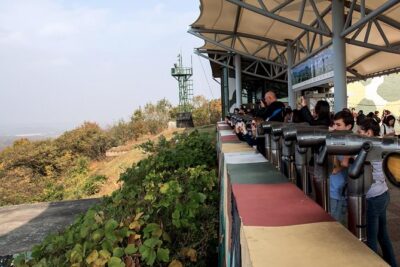
DMZ Tour: 3rd Tunnel, Option(Suspension Bridge, Boat) from Seoul
Read our review →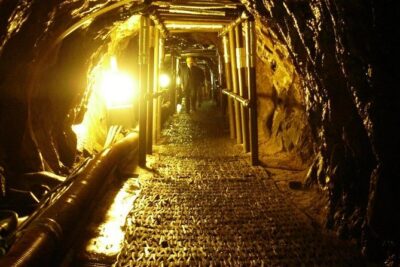
DMZ tour south Korea from Seoul (NK experience hall, defector)
Read our review →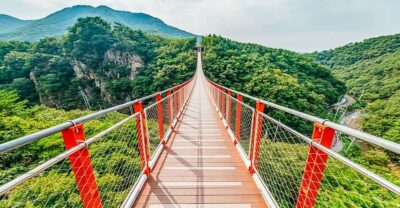
DMZ Insider Tour: 3rd Tunnel, NK Defector Meet & Red Bridge
Read our review →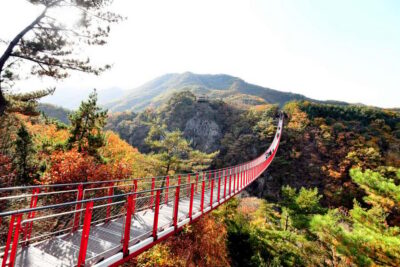

Signature DMZ Tour: Exclusive Defector Talk & Suspension Bridge
Read our review →
Thrilling Korean DMZ 3rd Tunnel Tour from Seoul + Red Bridge Rush
Read our review →
DMZ Past and Present: Korean Demilitarized Zone Tour from Seoul
Read our review →Browse the lists this tour appears in