
Reviewed · BUSAN TOURS
4-Hours Hiking and Tasting Rice Wine in the Mountain of Busan
Busan’s best local experience may be a hike that ends with makgeolli and a mountain lunch. This four-hour outing takes you up Geumjeongsan, Busan’s highest mountain, then down to a small village pocha for rice wine, seafood pancake, tofu dishes, noodles, and other simple Korean food.
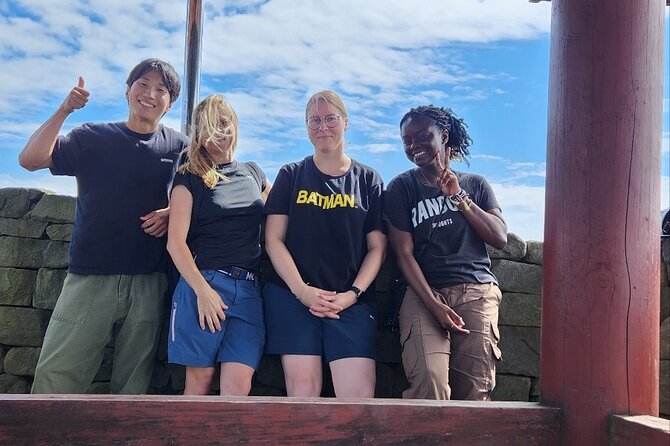
I like the small groups of no more than 10 and the easy social mood. Guides such as Jun, HugYou, and Duyeol adjust the pace, explain local history, and make solo visitors feel included. I also like the meal, often prepared by a local grandmother with vegetables from the area. The main drawback is that this is still an 8 to 9 kilometer mountain walk, and hot weather, rain, or slippery ground can change the plan.
Key points to know before booking
- Local bus ride: You begin with a short public bus trip from Oncheonjang Station, so bring a T-money card or suitable fare.
- Three hours on foot: The route includes uphill and downhill walking, forest trails, lookouts, and historic sites.
- Village pocha meal: Lunch includes makgeolli and dishes such as seafood or spring onion pancake, tofu salad, soup, noodles, and banchan.
- Small-group feel: The group is capped at 10, and some departures feel almost private.
- Seasonal route changes: July and August may bring a shorter hike and valley visit instead of the full mountain route.
- Basic preparation matters: Wear proper shoes, long pants, and bring your own water.
Why this Busan outing feels different
Busan is famous for beaches, seafood, markets, and high-rise views. This tour gives you a different city: wooded mountain paths, old village lanes, local buses, lookout points, and a long lunch where rice wine is part of the social ritual.
The idea is to follow the weekend habits of Korean ajussi, a casual term for older Korean men. That means walking in the hills, talking along the way, and stopping for food and drink afterward. You are not simply ticking off a peak. You are seeing how a nearby mountain fits into ordinary Busan life.
The experience lasts about four and a half hours, though the walking portion takes roughly three hours. The route covers about 8 to 9 kilometers. It is described as moderately active rather than extreme, but you should be comfortable with steady hills and uneven ground.
The biggest strength is the mix. A standard city tour can explain Busan from the outside. Here, you spend time with a local guide, learn about the area’s past, and share a meal in a place that feels far removed from the main tourist zones.
More Food Tours in Busan
- Busan: Hiking and Tasting Rice Wine in the Hidden Village
★ 4.9 · 74 reviews - Busan history and market food tour with local chef
★ 5.0 · 58 reviews - Busan: Small-Group Traditional Korean Food Cooking Class
★ 4.9 · 58 reviews
Meeting at Oncheonjang Station at 9 a.m.
You meet at Exit 3 of Oncheonjang Station at 9 a.m. The station is in the Oncheonjang and Bugok-dong area, and the activity ends back at the same meeting point.
From there, the group takes a local bus for about 10 minutes up the mountainside. This is a useful part of the outing, not just a transfer. You get a quick look at how Busan’s urban edge gives way to wooded slopes and mountain communities.
Bring a T-money card if possible, since the local bus ride requires transport payment. The tour price is listed at $55 per person, with lunch included, but water is not included. I would carry a bottle from the start. There may be a village shop or restaurant later, but the practical choice is to begin with enough water for the climb.
The group size is limited to 10 people. That matters here. A mountain walk works better when the guide can stop for photos, answer questions, and keep an eye on different walking speeds. Some outings may be much smaller, even with only one or two participants.
Hiking Geumjeongsan through forest and history
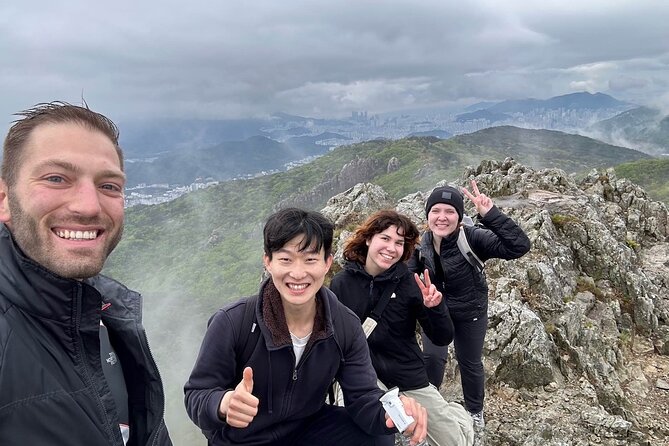
The main walk takes you through Geumjeongsan, the mountain that rises above Busan. You hike up and down toward one of the peaks and a mountain village, with the walking portion lasting about three hours.
The trail is not presented as a technical climb, and several people found it manageable with moderate fitness. Still, the route includes inclines. You should not confuse not especially steep with flat. Good walking shoes are important, especially if the ground is damp.
The forest is a major part of the appeal. You trade traffic and dense city blocks for shade, trees, and open views. At higher points, you can stop at lookout areas for photographs of Busan. The views are one reason to keep the pace steady. The guide usually allows time for photo stops rather than pushing everyone straight to the top.
Historic points along the trail add something beyond exercise. Guides explain the local area and its past as you walk. The exact stops can vary, but the route includes historical sites and lookout points. That combination helps you understand why the mountain matters to Busan, instead of treating it as scenery alone.
The trail also gives the guide room to shape the day. Jun is described as pacing the walk to the group, while Duyeol has taken time to show lookout points and adjust to an individual’s fitness level. This is valuable if you are hiking alone or if your group includes people with different abilities.
The village lunch is the heart of the day
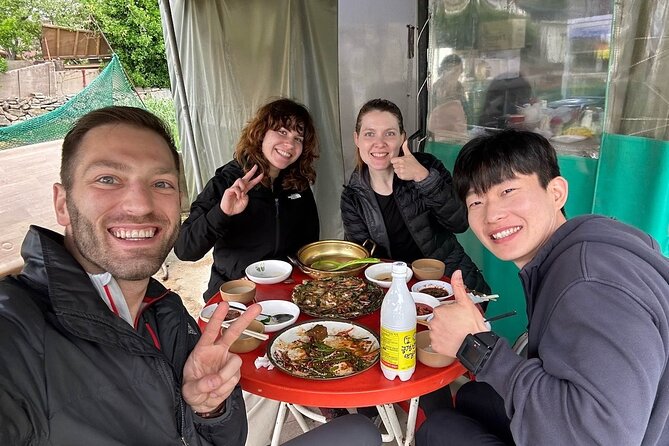
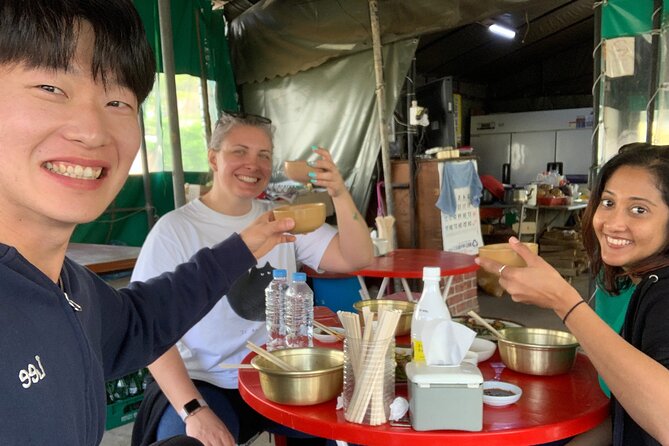
After the hike, you visit a mountain village and settle into an old-style pocha. A pocha is a simple Korean street stall or casual eating place, often associated with shared food, drinks, and conversation rather than polished dining.
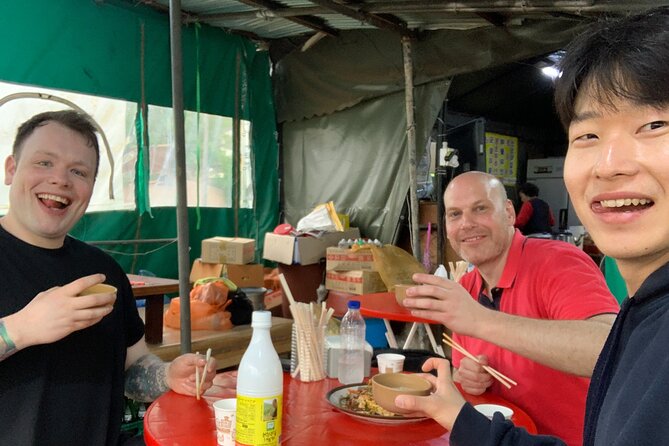
Here, the meal is light in format but generous in spirit. The food described by past participants includes makgeolli, seafood pancake, spring onion pancake, tofu salad, noodles, soup, anchovy ramen, and small banchan side dishes. The exact combination can vary, but you should expect traditional Korean comfort food rather than a fixed restaurant tasting menu.
The food is one of the strongest reasons to book this outing. It is served after several hours of walking, so the meal feels earned. More important, you are eating in the mountain village rather than returning to a central restaurant designed around sightseeing groups.
A local grandmother prepares some of the food, and the ingredients may include vegetables grown nearby. That detail gives the lunch a personal quality. It is not a formal cooking class, but you get a close look at a small-scale food tradition and the warm, informal setting around it.
Vegetarian adjustments have been possible on some outings. If you need a specific diet, raise the issue when booking rather than assuming the full menu will suit you. The provided information confirms a vegetarian revision was accommodated, but it does not promise every dietary request.
A few more Busan trips worth comparing
- Rice Wine Tasting with Sommelier – Finest Makgeolli (& Soju)
★ 5.0 · 3 reviews
Makgeolli is more than a drink stop
Makgeolli is a cloudy Korean rice wine with a mild sweetness and a soft, grainy character. Here it is linked to the mountain villages and the meal, not served as an isolated sample in a tasting room.
The stop can include local makgeolli made in the surrounding villages. One nearby spot also has a small museum explaining how makgeolli is produced. That makes the drink easier to understand, especially if this is your first taste.
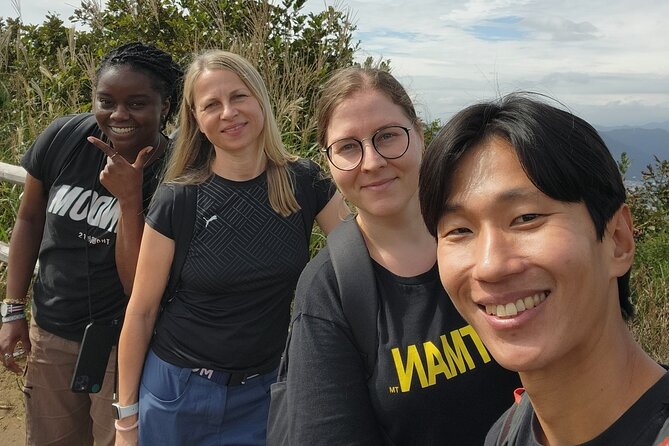
The social side matters as much as the flavor. The guide uses the meal to talk about Korean drinking customs and daily life. You can ask questions, compare drinking traditions, and chat with the people in your group. The setting is casual, so this works especially well for solo visitors who want some company without joining a large bus tour.
Alcohol is included in the experience, and the minimum age for drinking is 18. If you do not drink, you should confirm what nonalcoholic alternatives are available before booking. The tour is built around makgeolli, so it may not be the best match if you want to avoid alcohol entirely.
Use good judgment after the hike. Even a relatively mild rice wine can affect you more quickly when you are tired. Eat the food, drink water, and do not treat the tasting as a contest.
Guides who shape the experience
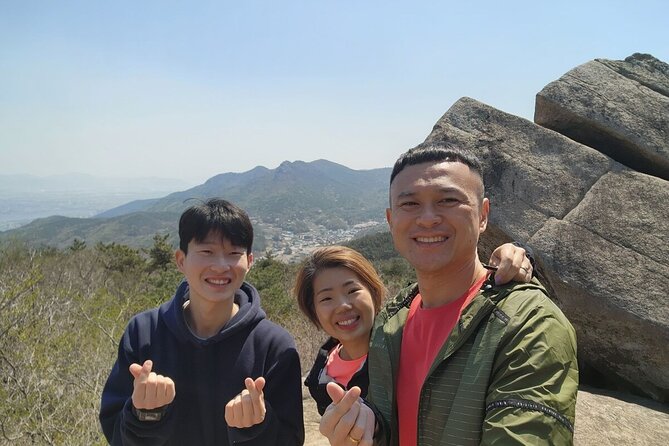
The guide is central to this activity. The names connected with the experience include Jun, HugYou, Duyeol, and Doyour, and the guiding style described is friendly, calm, humorous, and attentive.
Jun is noted for pacing the hike to individual ability, explaining the local area, and offering restaurant suggestions after the activity. Duyeol has led solo departures and continued with the outing even when only one person booked. HugYou is described as making an effort to get to know each person and sharing cultural and historical information along the route.
These details matter because the outing is not built around a headset and a script. You are walking beside the guide, so conversation is part of the value. If you ask about Busan, makgeolli, Korean customs, or the mountain’s past, you are likely to get more from the day than if you simply follow the path.
The guide also acts as a bridge at lunch. A small village pocha can feel unfamiliar at first, especially if the menu is not written for international visitors. Having someone explain the food and customs makes the meal easier and more enjoyable.
What happens in summer and rain
July and August can be hot in Busan. During these months, the full hike may be replaced with a shorter walk and a valley visit. The operator contacts you after booking with the seasonal plan, listed as Plan B or Plan C.
This is worth considering before you commit. If reaching the peak is your main goal, summer may bring less certainty. If you mainly want nature, local food, and makgeolli, the shorter route may still preserve the best parts of the outing.
Rain also changes the plan. The activity may be rescheduled or refunded if weather makes the hike unsuitable. Another option can be a lakeside walk followed by rice wine at a local restaurant.
That weather policy is practical, but you should plan your Busan schedule with some flexibility. Free cancellation is available up to 24 hours before the start time. Changes or cancellations made less than 24 hours ahead are not accepted for a refund, except when poor weather causes the activity to be canceled.
Is $55 good value?
At $55 per person, this is not the cheapest way to walk in Busan. You could reach many mountain trails on your own for the cost of local transport and food. The price makes more sense if you value the guide, the small group, the local bus connection, the cultural explanation, and the included lunch.
You are paying for a four-hour social experience rather than a marked trail alone. The meal includes more than a snack, and the food and makgeolli are a meaningful part of the day. For a solo visitor, the chance to meet a local guide and share a table may justify the cost.
The value is weaker if you only want a hard, fast hike or if you already know Busan’s mountain routes. It may also be less attractive if you do not drink and would skip the central tasting portion.
For most visitors, the best comparison is not with a self-guided walk. Compare it with a small-group cultural outing that happens to include a mountain hike. On that basis, the price is reasonable, particularly when the group is small and lunch includes several dishes.
Who should book this hike?
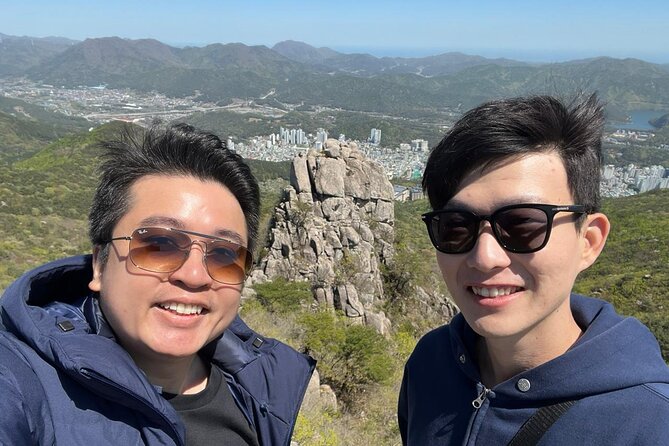
I would choose this for solo visitors, couples, and active friends who want a break from Busan’s city streets. It suits people who like conversation, local food, and a flexible pace more than those who want a polished sightseeing production.
You should have moderate physical fitness. The total distance is about 8 to 9 kilometers, with three hours of mountain walking and both uphill and downhill sections. One account put the day at under 15,000 steps, which gives you a useful sense of the effort, though your total may differ.
Wear comfortable hiking shoes and long pants. Long pants are especially sensible on a wooded trail. Bring water, since it is not included. A small day bag is enough, but leave room for a bottle and any personal items you need during the walk.
This is not the right choice for anyone seeking guaranteed summit conditions in midsummer or bad weather. The route can change, and the activity depends on safe conditions.
Should you book it?
Book this tour if you want mountains, local food, and real conversation in one morning. The strongest parts are the guide’s personal attention, the forest route with Busan views, and the village lunch served with makgeolli.
Skip it if you dislike hills, want a fully private itinerary with no route changes, or have no interest in rice wine. For everyone else, this is a thoughtful way to see a quieter side of Busan, with enough walking to feel active and enough food and conversation to make the morning memorable.
FAQ
Where does the tour meet?
The meeting point is Oncheonjang Subway Station, Exit 3, in Busan.
What time does the activity start?
The tour starts at 9 a.m.
How long does the experience last?
It takes approximately four hours and 30 minutes, including transport, hiking, and the village meal.
How far do you hike?
The full route covers about 8 to 9 kilometers, with approximately three hours of hiking.
Which mountain do you visit?
The activity takes place on Geumjeongsan Mountain, described as the highest mountain in Busan.
Is lunch included?
Yes. Lunch is included and is served with makgeolli and Korean side dishes.
Is water included?
No. You should bring your own water.
What should I wear?
Wear comfortable shoes suitable for hiking. Long pants are recommended.
Can the route change in summer or rain?
Yes. In July and August, the full hike may be replaced by a shorter hike and valley visit. In rainy weather, the operator may use a backup route, such as a lakeside walk and local restaurant visit, or offer a refund or different date.
Is there an age requirement for makgeolli?
Yes. The minimum age for alcohol consumption on this activity is 18.
How many people can join?
The maximum group size is 10 people.
What happens if I need to cancel?
You can cancel up to 24 hours before the start time for a full refund. Cancellations or changes made less than 24 hours before the activity are not accepted for a refund, except when the operator cancels because of poor weather.
More Hiking Tours in Busan
- Seoul: Guided City Wall Sunset Hike with Korean Dinner
★ 4.9 · 227 reviews - Private Hiking tour to Bukhansan Peak(Baegundae: 836.5m) with Mountain Expert
★ 5.0 · 113 reviews - Fortress Night Hike & Snack at a Local Market
★ 5.0 · 112 reviews - Seoul Mountain Hike: Temples, Folklore & Traditional Meal
★ 5.0 · 42 reviews
Newest Busan trips on the site
- Busan: Sky Capsule+ Huinnyeoul+ Gamcheon+ Songdo+ Night View★ 4.9 · 10 reviews
- Busan: Jagalchi Market & Gamcheon village Walking Tour★ 5.0 · 7 reviews
- Busan: Night Small Group Photo Tour (Max 7)★ 5.0 · 33 reviews
- Busan: Private Chartered Car Tour★ 4.1 · 7 reviews
- Busan: Haeundae LCT Tower ‘X the Sky’ Entry Ticket★ 4.7 · 23 reviews
- Busan: Hidden Gems Private Tour with a Certified Guide★ 4.9 · 53 reviews
- Busan: Naejangsan National Park Autumn Foliage One Day Tour★ 4.8 · 4 reviews
- Busan: Geoje Coastal Escape, Sea Breeze, Oedo Botania Island★ 4.7 · 44 reviews
Busan Tours, compared.
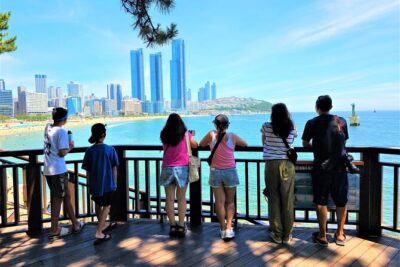
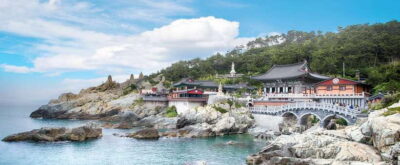
Coastal Treasures Beach Train, Culture Village & More
Read our review →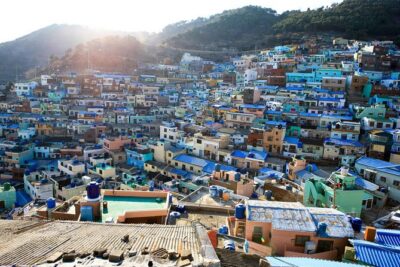
Busan’s Cultural Wonders with Beach Train & Gamcheon Village etc
Read our review →
Private Busan Tour -Explore Cultural Landmarks with a Local Guide
Read our review →
Gamcheon Village and Haeundae Blueline Park Tour
Read our review →
Busan Coastal Charm & Culture: Gamcheon Village & opt Sky Capsule
Read our review →
Browse the lists this tour appears in