
Reviewed · DMZ TOURS
Seoul: DMZ, Gyeongbokgung Palace & City Tour
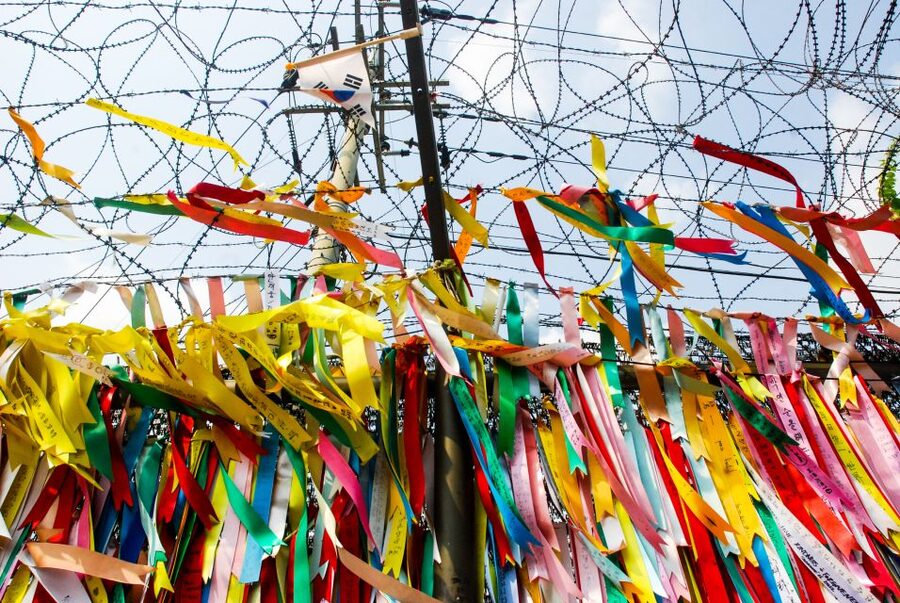
The most striking part of this day is the sharp change in scenery and meaning: one moment you are touring the palace where Korea’s royal court once worked, and later you are looking across a guarded border toward North Korea. I like the mix of Gyeongbokgung Palace and the DMZ, since it gives you both Korea’s royal past and its unsettled modern reality. I also like having a military tourist guide and organized coach transport for a place where rules and timing matter.
The main drawback is the long, tightly scheduled day. You must carry your passport, wear sneakers, follow the authorized bus and photo rules, and accept that military activity can change the route. Lunch is not included, so plan for that cost and small gap in the schedule.
Key points at a glance
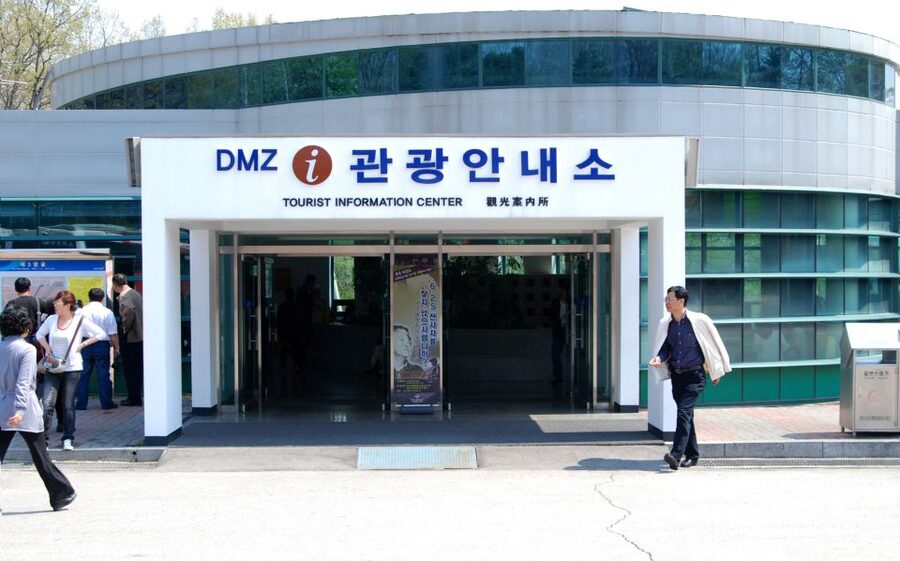
- See the Third Tunnel: Walk into a tunnel built for a possible North Korean invasion, with restrictions on footwear and movement.
- Look toward North Korea: The observatory offers a rare view across the border, with a guide explaining what you are seeing.
- Pair war history with royal history: Gyeongbokgung shows how Korea’s monarchy functioned, while the DMZ explains the division that still shapes the peninsula.
- Travel by authorized coach: The organized bus matters here because access, timing, and photography are controlled.
- Expect strong guiding: Guides including Molly, Ron Han, and SP have provided clear explanations, answers to questions, and helpful photos.
- Build in flexibility: The tour can be canceled up to 24 hours ahead for a full refund, and you can reserve now and pay later.
One day, two very different Koreas
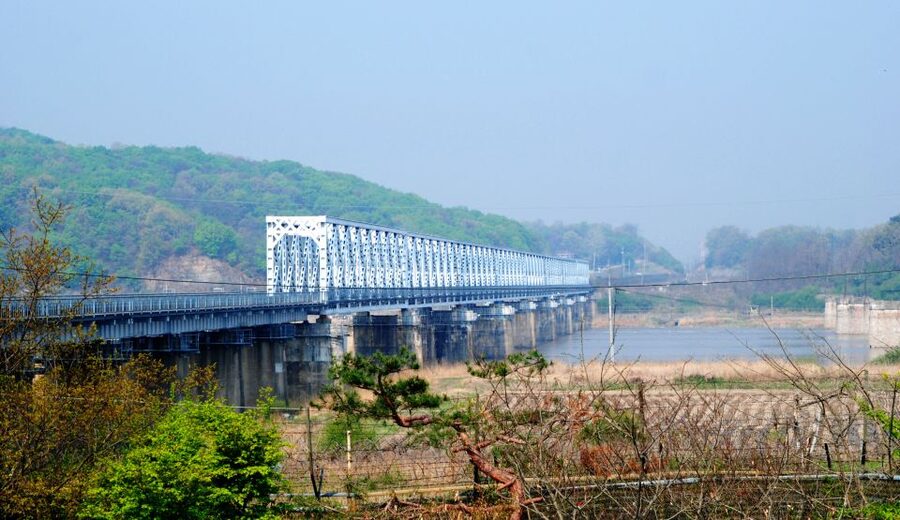
This 10-hour tour takes you from Seoul toward the DMZ in Gyeonggi Province, then back into the city for Gyeongbokgung Palace. At $110 per person, it is not a cheap sightseeing day, but the price covers transportation, a professional guide, DMZ admission, and hotel pickup and drop-off when that option is selected.
I like this pairing because the stops explain different parts of Korea. Gyeongbokgung introduces the government, family life, and working routines of the Joseon royal court. The DMZ brings you to the present political divide, where military rules and a tense border remain part of daily reality.
You should also understand the limits. This is not a leisurely palace walk followed by an independent afternoon at the border. The DMZ operates under security rules, and the schedule may be adjusted by military conditions. You travel on the authorized bus and must follow the guide’s instructions about photography and timing.
More Palace Tours in DMZ:
- Seoul: Gyeongbok Palace, Bukchon Village, and Gwangjang Tour
★ 4.9 · 2,321 reviews - Best Seoul City Tour (Gyeongbokgung Palace,Insadong,Namsan Tower)
★ 5.0 · 1,647 reviews - Small-Group Royal Palace and Seoul City Tour (hotel pick-up)
★ 5.0 · 1,474 reviews
Meeting at 7:30 and heading north
The standard meeting point is Exit 7 of City Hall Station at 7:30 in the morning. Hotel pickup in Seoul is available as an optional service, which can be useful if you are carrying luggage or staying away from central Seoul. Confirm the exact pickup arrangement when booking.
The coach makes the long day easier than arranging several connections yourself. You can rest between stops while the guide explains the division of Korea, the Korean War, and the relationship between North and South. Since the tour includes both transportation and entry to the DMZ, you avoid the uncertainty of trying to organize access independently.
Bring your current valid passport. It is required on the day of travel, not just at booking. Wear sneakers, not sandals or slippers. The Third Tunnel includes walking, and the tour’s rules also require practical footwear.
The route may be shared with other people, although a private group is available. A private booking can be useful if you want more control over questions, pacing, and conversation, but the standard group option keeps the cost at the advertised rate.
The Third Tunnel and the story beneath the border
The Third Tunnel is one of the day’s most physical stops. It was built as part of a plan to invade South Korea, with enough scale for military movement. The point is not simply to walk underground. Your guide helps connect the tunnel to the larger history of the Korean War and the continuing security concerns around the border.
You should expect a practical visit rather than a relaxed stroll. The tunnel requires walking and may feel demanding for anyone with mobility concerns. The tour is not wheelchair accessible, and wheelchair users are specifically advised not to book it.
This stop works best when you pay attention to the contrast between the ordinary act of walking and the reason the passage was created. The guide’s explanation gives the place its weight. Without that context, it could seem like a narrow underground attraction. With it, the tunnel becomes a direct reminder that the border is not only a line on a map.
Dora Observatory and the view into North Korea
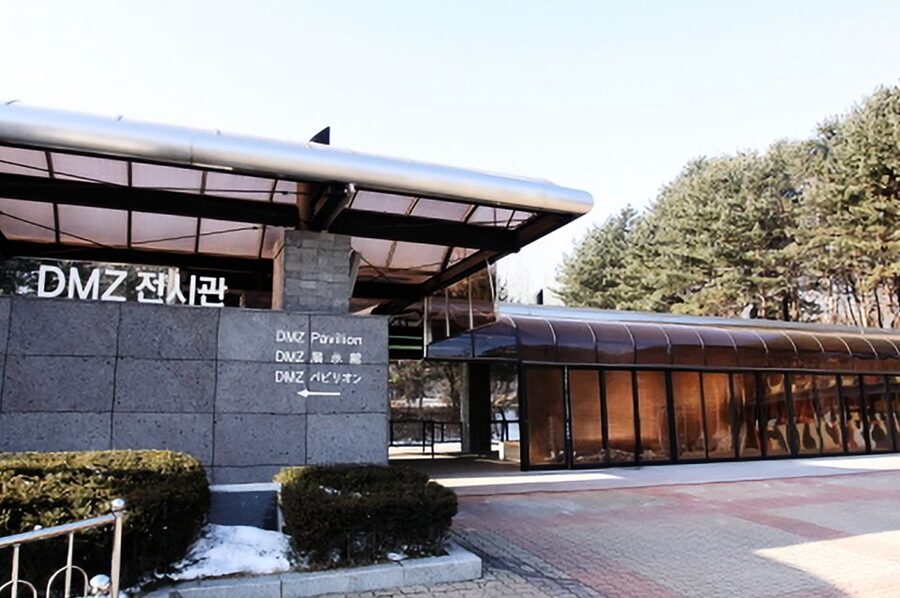
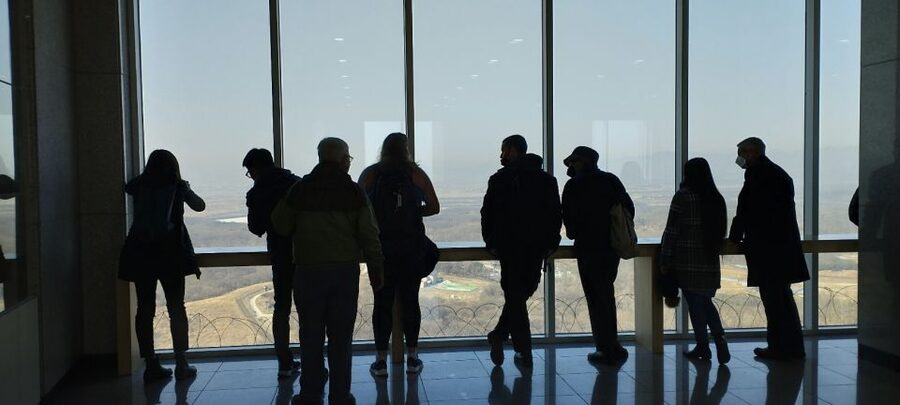
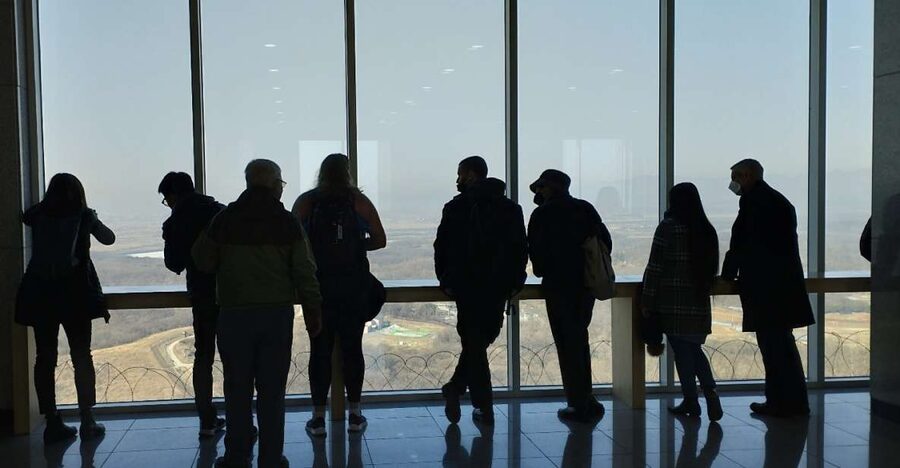
At the observatory, you can look toward North Korea. The tour description allows for views of North Korean residents, though visibility can depend on weather and official conditions. Your guide explains the scene and the relationship between the two countries, helping you understand what you are looking at rather than simply pointing across the distance.
This is likely to be one of the most memorable moments of the day because it gives the division a physical presence. You are not studying a map in a museum. You are looking across a controlled border at the country on the other side.
Photography is restricted by time and official rules, so you cannot treat the stop like an open-ended photo session. Follow the guide’s instructions. This may feel strict, but it is part of visiting an active security zone rather than a normal sightseeing viewpoint.
A few more DMZ trips worth comparing
- Best DMZ Tour Korea from Seoul (Red Suspension Bridge Optional)
★ 5.0 · 41,422 reviews - DMZ Tour: 3rd Tunnel, Option(Suspension Bridge, Boat) from Seoul
★ 5.0 · 21,373 reviews - DMZ tour south Korea from Seoul (NK experience hall, defector)
★ 5.0 · 20,599 reviews - DMZ Insider Tour: 3rd Tunnel, NK Defector Meet & Red Bridge
★ 4.9 · 15,214 reviews
Imjingak and the war history stops
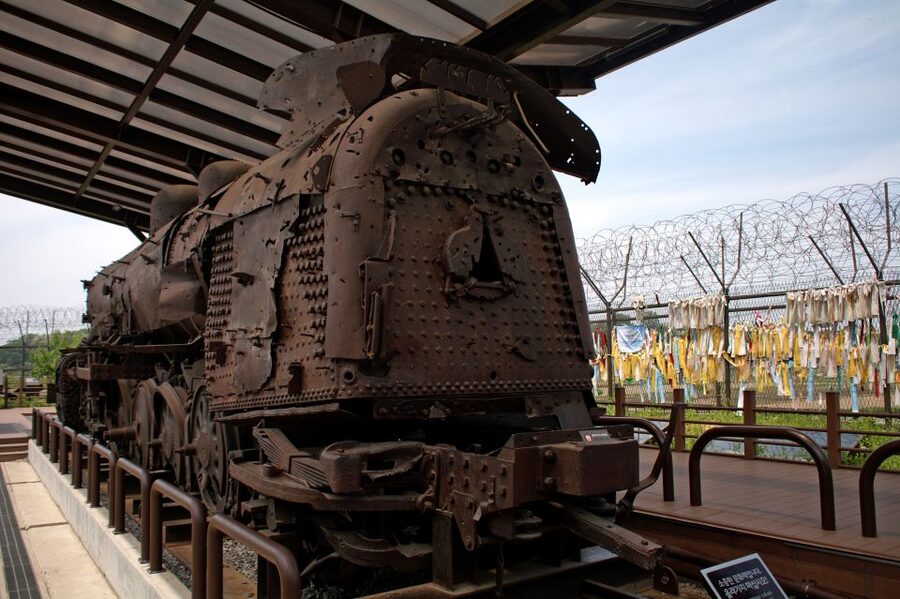
Imjingak adds another layer to the story. The area is tied to the division of Korea and the human cost of a border that has separated families and communities. The tour also includes a War History Pavilion and an exhibition center focused on Korea’s past, present, and future.
I like having these explanatory stops in the schedule. The observatory shows you the border from a distance, while the exhibits give you facts and background. Together, they help you understand why the DMZ exists and why it remains such an important place in South Korean public life.
The tour description presents the DMZ as a place to see the reality of the world’s most divided nation. That wording is strong, but the basic point is sound: you are visiting a place where history, military policy, and everyday life meet. The guide’s role matters here. Guides such as Molly, Ron Han, and SP have been praised for explaining the war, dynasties, current relations, and questions from the group in clear terms.
You should allow the guide to set the pace. Military areas may require groups to move together, and every tourist must use the authorized bus. If an unannounced military training exercise or official event closes the planned route, the tour is replaced with a visit to Tomorrow’s Whistle, Bunker Beat 131, Odusan Unification Tower, and the War Memorial of Korea. That backup route still focuses on Korea’s division and war, but it will not provide the same DMZ access.
Gyeongbokgung Palace and the working royal court
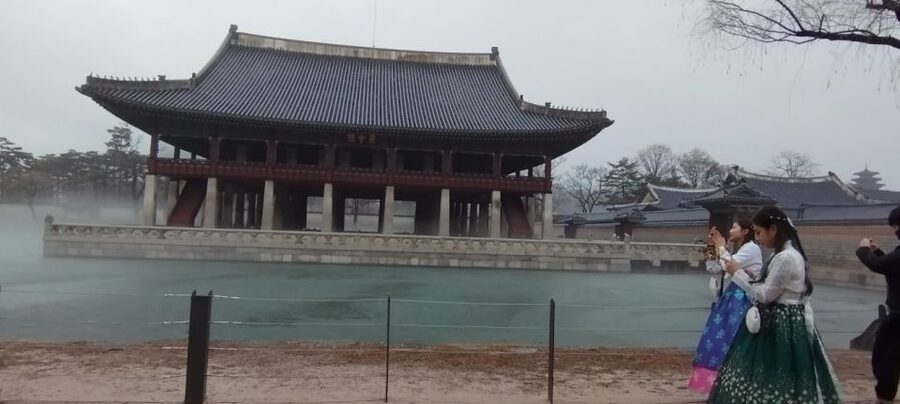
Gyeongbokgung Palace gives the day a completely different rhythm. The palace was home to the king, his family, and about 2,000 other people who supported the royal government. This was not only a collection of grand buildings for ceremonial use. It operated more like a working organization, with employees and advisers carrying out the business of ruling the country.
That detail makes the palace more interesting. You can think beyond royal rooms and architectural features and picture the complex as a place filled with administration, decisions, routines, and hierarchy. A good guide can show you how the palace functioned as a workplace as well as a royal residence.
The palace visit may feel short after the DMZ, especially if the border portion runs late or the group must keep to a fixed timetable. Still, it gives the tour a useful historical balance. You learn about the political system that shaped Korea before the modern division, then see how the Korean War and the North-South relationship shaped the country that followed.
Gyeongbokgung is closed on Tuesdays. On those days, the tour substitutes Deoksu Palace. If the palace is important to your plans, check the date before booking. The replacement still keeps a royal palace in the itinerary, but it is not the same site.
Guides who make the difference
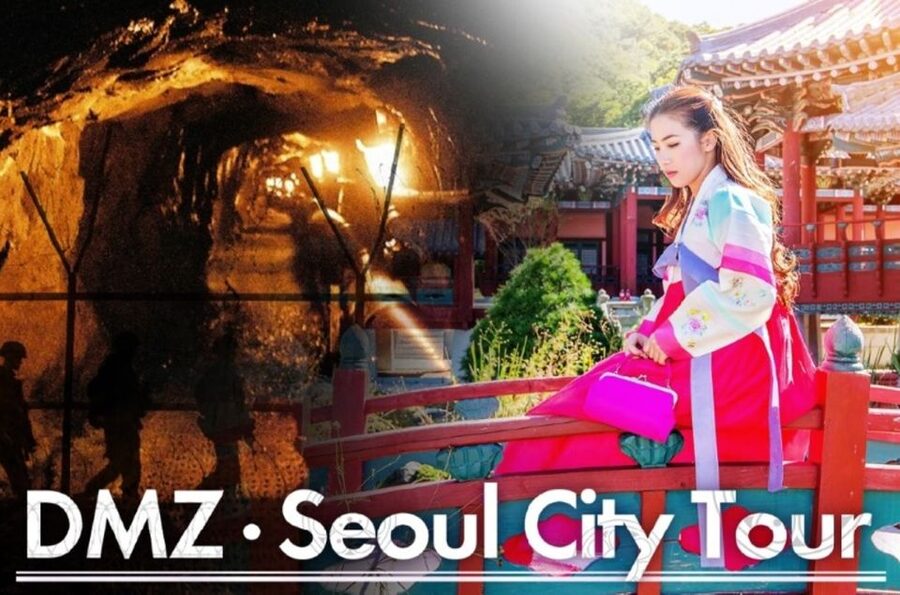
The guide is especially important on this tour because the places do not explain themselves. At the DMZ, you need someone who can clarify military terms, border rules, and the history of the Korean War. At the palace, you need someone who can explain how the court was organized rather than simply point out buildings.
The available guiding languages are English and Korean. Guides who have led this experience include Molly, Ron Han, also called Han Solo by one group, and SP. Their reported strengths include warm treatment, clear explanations, answers to detailed questions, and taking photos for the group.
You should still be ready for guide-to-guide variation. The names and exact style may not be guaranteed for your departure. What you can count on is a professional English or Korean guide assigned to explain the sites and manage the rules.
If you enjoy asking questions, this tour should suit you. The subject is broad enough to cover dynasties, war, modern politics, and daily life in both Koreas. If you prefer to explore alone and stop whenever you wish, the fixed schedule may feel restrictive.
What the $110 price really covers
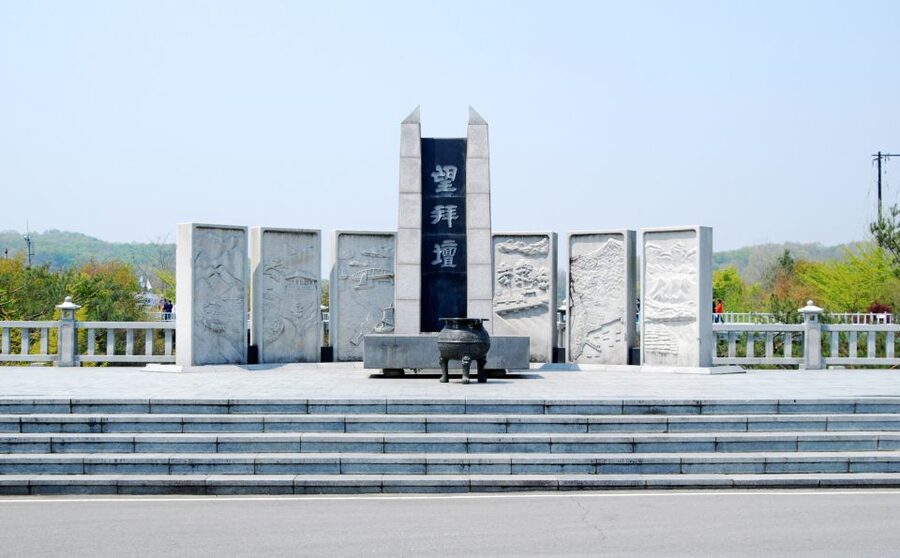
The $110 price includes hotel pickup and drop-off service, transportation, a professional English guide, and entry to the DMZ. Those inclusions matter because the border is not an ordinary attraction where you can simply arrive, buy a ticket, and wander around.
You are paying for access, transport, and interpretation in one long package. The coach saves you from arranging several legs of the journey, and the guide helps you make sense of places that can otherwise seem confusing or politically loaded.
Lunch is not included. One booking included a traditional lunch, but you should not treat that as part of the standard price. Carry money for food and personal expenses, and ask at the start of the day how the meal break will work.
At $110, I would call this a fair price for someone who wants the DMZ and Gyeongbokgung in one day. It is less attractive if you only want a quick palace visit or if you already have independent plans for the border area. The value comes from the combination and from having the security arrangements handled for you.
Who should book this day tour
I would choose this experience if you have limited time in Seoul and want a serious introduction to Korea’s past and present. It suits first-time visitors, people interested in the Korean War, and anyone curious about the continuing division between North and South.
It is also a good choice if you want a guide who can connect facts rather than leave you to read signs on your own. The guide’s explanations are particularly useful at the Third Tunnel, the observatory, and the War History Pavilion.
You should think twice if you dislike early starts, long coach days, controlled photo stops, or fixed group movement. The tour is also unsuitable for wheelchair users and unaccompanied minors. Children must travel with an adult.
Do not book without checking your passport and shoes. A current passport is required, and sneakers are required in place of sandals or slippers. These sound like small details, but they can decide whether you are allowed to take part.
Should you book it?
Book this tour if you want the DMZ explained properly and like the idea of pairing it with Gyeongbokgung Palace. The combination gives you a useful view of Korea across centuries, from a working royal court to a border shaped by war and international tension.
Skip it if you want a slow, flexible day or if the palace is your main interest. The 10-hour schedule is demanding, and military conditions can change the route. For most visitors with one open day and a strong interest in Korean history, though, the included transport, guide, and DMZ access make this a practical choice.
FAQ
Where does the tour meet?
The standard meeting point is Exit 7 of City Hall Station at 7:30 AM. Hotel pickup in Seoul is also available as an optional service.
How long does the tour last?
The tour lasts 10 hours. Check availability for the exact starting time.
Is lunch included?
Lunch is not included in the standard tour price. Personal expenses are also excluded.
Do I need to bring my passport?
Yes. Every participant must bring a current valid passport on the day of travel.
What happens if the DMZ closes for military activity?
If an unannounced military training exercise or official event affects access, the tour is replaced with Tomorrow’s Whistle, Bunker Beat 131, Odusan Unification Tower, and the War Memorial of Korea.
Is the tour wheelchair accessible?
No. The tour is not wheelchair accessible and is not suitable for wheelchair users. Children must be accompanied by an adult, and unaccompanied minors are not allowed.
Newest DMZ trips on the site
- Seoul: DMZ & Live Talk with North Korean Defector★ 4.9 · 50 reviews
- Seoul: DMZ Tour with Japanese-Speaking Guide★ 5.0 · 28 reviews
- Seoul: DMZ 2nd Tunnel and Suspension Bridge Tour★ 4.8 · 56 reviews
- Seoul: DMZ, 3rd Tunnel, Odusan or Suspension Private Tour★ 5.0 · 4 reviews
- Seoul: Closest DMZ Observatory with North Korea View (1.4km)★ 4.9 · 10 reviews
- From Seoul: Private DMZ and Odusan Observatory Full-Day Tour★ 4.9 · 34 reviews
- Private DMZ SPY Tour from Incheon Airport★ 4.6 · 7 reviews
- From Seoul: DMZ Tour and North Korea Experience Hall★ 4.7 · 34 reviews
DMZ Tours, compared.
Best DMZ Tour Korea from Seoul (Red Suspension Bridge Optional)
Read our review →
DMZ Tour: 3rd Tunnel, Option(Suspension Bridge, Boat) from Seoul
Read our review →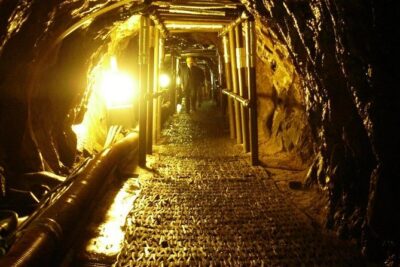
DMZ tour south Korea from Seoul (NK experience hall, defector)
Read our review →
DMZ Insider Tour: 3rd Tunnel, NK Defector Meet & Red Bridge
Read our review →

Signature DMZ Tour: Exclusive Defector Talk & Suspension Bridge
Read our review →
Thrilling Korean DMZ 3rd Tunnel Tour from Seoul + Red Bridge Rush
Read our review →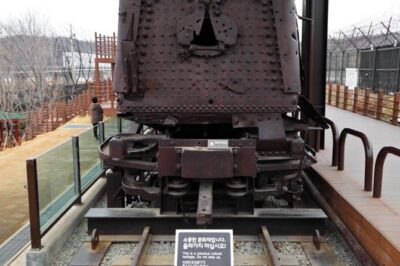
DMZ Past and Present: Korean Demilitarized Zone Tour from Seoul
Read our review →Browse the lists this tour appears in