
Reviewed · SEOUL TOURS
Bukhansan mountain hiking tour – 6 hours
Bukhansan gives you something rare: serious mountain scenery within Seoul’s urban core. Granite outcrops, narrow ridges, Buddhist sites, and views across the city arrive in one long six-hour outing, with a bus ride replacing a long trip into the countryside.
I like the route’s variety, especially the strange rock formations between Bibong and Munsubong. I also like the private format and Paul Koo’s patient guiding, including his willingness to help hikers through harder sections. The catch is the middle-high difficulty. Casual walkers can manage it, but the steep opening climb and another sharp section near Munsubong should not be underestimated.
Key points to know before you go
- Downtown Seoul mountain access: You leave from Gwanghwamun and reach the trail by bus, rather than spending hours getting to a remote park.
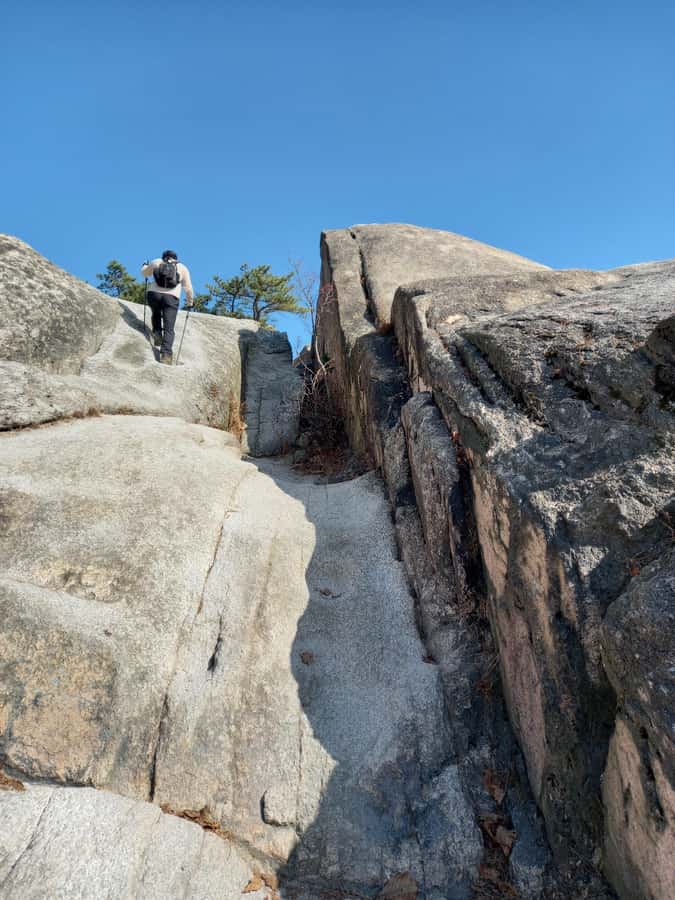
- A five-hour route with real climbs: Most of the ridge is fairly level, but the first 50 minutes and a 20-minute section near Munsubong are steep.
- Granite scenery from peak to peak: Bibong, Samobawi Rock, Seunggabong, Tongcheonmun Rock, and Munsubong provide the route’s best views.
- Private guiding by Paul Koo: The guide explains Bukhansan’s geography, Korean mountain traditions, and Buddhist connections while helping with difficult footing.
- Bring your own fuel: Snacks, water, energy bars, bananas, and simple food are not provided.
- $305 for up to two people: The price makes more sense for two people sharing a private guide than for a solo hiker.
Why Bukhansan works so well in a Seoul itinerary
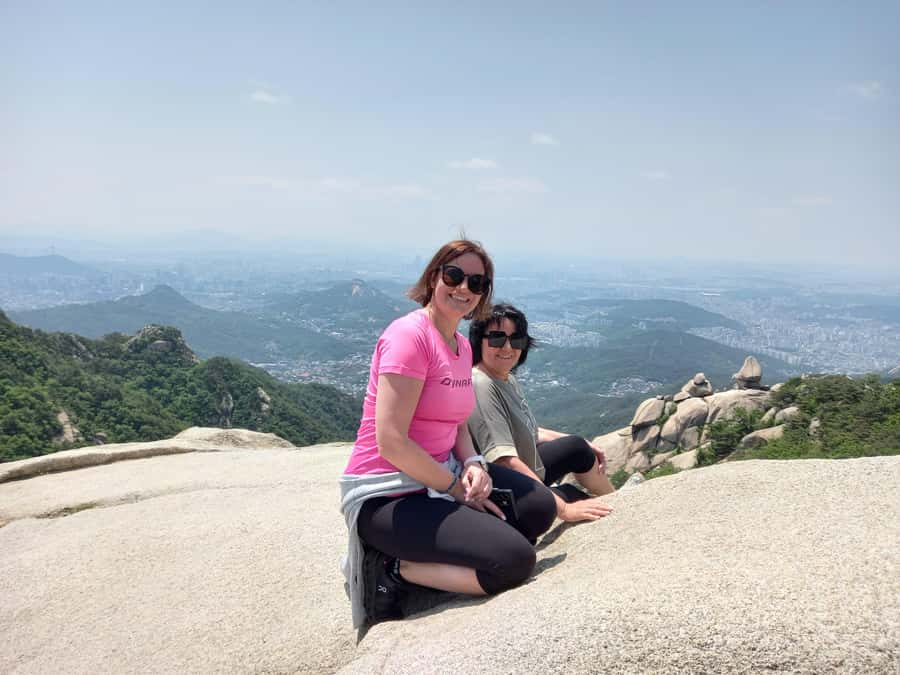
Bukhansan rises to 836.5 meters, or 2,744 feet, and is one of Seoul’s three major natural landmarks, alongside the Han River and Namsan Mountain. It was designated a national park in 1983, yet it remains close enough to the city that you can begin your morning near Gwanghwamun Square.
That contrast is the main appeal. You start among central Seoul’s public buildings and statues, then ride toward a national park where granite peaks and running water replace traffic noise. You do not need to sacrifice a full day to reach the mountains.
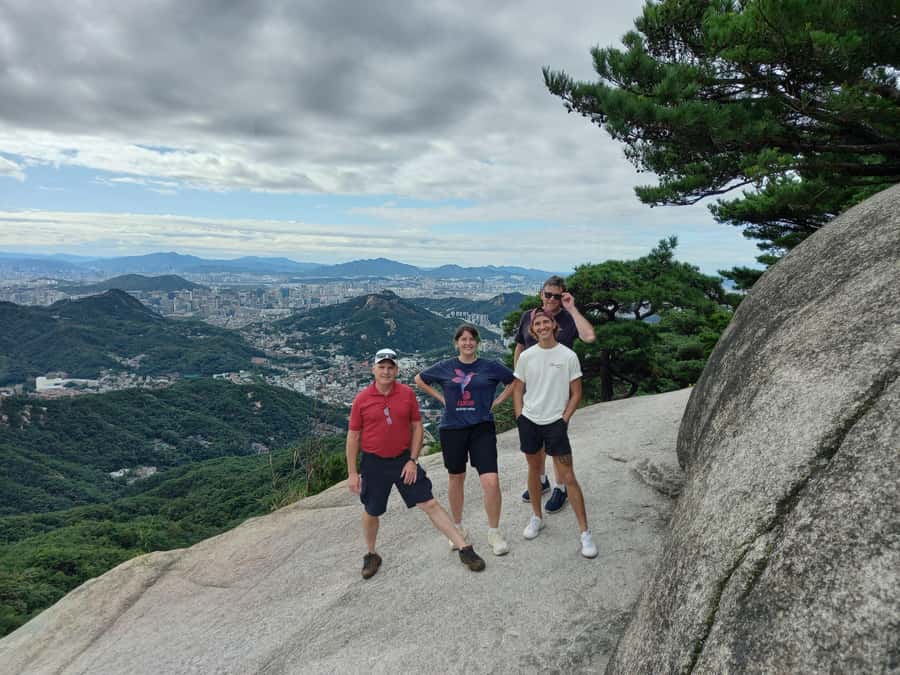
I especially like that this is not just a walk to one viewpoint. The route links several rock formations and peaks, so the scenery changes as you go. One section opens onto a city view, another squeezes between granite forms, and the descent follows a valley with water flowing even during dry weather.
The mountain also carries spiritual meaning in Korea. For many Koreans, mountains have traditionally been more than scenery. They have been places of worship, meditation, and retreat. Paul explains these geographical, historical, and spiritual ideas as you walk, giving the rock formations a cultural setting rather than treating them as photo stops alone.
More Hiking Tours in Seoul
- Seoul: Guided City Wall Sunset Hike with Korean Dinner
★ 4.9 · 227 reviews - Private Hiking tour to Bukhansan Peak(Baegundae: 836.5m) with Mountain Expert
★ 5.0 · 113 reviews - Fortress Night Hike & Snack at a Local Market
★ 5.0 · 112 reviews
From Gwanghwamun Square to the trailhead
The planned meeting point is the King Sejong statue at Gwanghwamun Square, though the meeting place and time can be adjusted after booking. A hotel meeting point can also be arranged, which is useful if you are carrying hiking gear or would rather avoid navigating central Seoul before an active day.
The stated schedule begins at 9:30 a.m. and uses a bus to reach the Gugi National Park office. The transport takes roughly 30 to 40 minutes on the outward journey, with a longer return transfer listed later in the day. Since transportation is also described as not included, confirm the bus fare arrangement before you go. That wording matters more than it may seem, especially when you are comparing the total cost with other guided hikes.
This short ride is part of the experience. You see how quickly Seoul’s dense center gives way to wooded mountain slopes. It also keeps the day efficient. You spend your time on the trail rather than transferring between several train and bus routes.
The first climb: Gugi office to Daenammun Gate
The hike begins at the Gugi National Park office and heads toward Daenammun Gate. Allow about 90 minutes for this first section, including the steep climb that begins the route.
The first 50 minutes are the hardest sustained effort of the day. This is where the tour’s middle-high rating becomes real. You will want comfortable shoes with good grip, water within easy reach, and a pace that lets you speak without gasping. The guide can adjust the pace, but the route still requires steady uphill work.
After the opening climb, the trail becomes more manageable. Daenammun Gate marks a useful point to regain your breath before the route continues along the ridge. The attraction here is not one grand monument. It is the gradual change from forested trail to exposed stone, with more open views as you gain height.
You should not expect a paved city park walk. The wording casual walkers refers to the general nature of the route, not to a flat or effortless outing. If you rarely hike, you may find this section challenging. The experience is more suitable if you can handle several hours on your feet and a sustained uphill start.
Munsubong Peak and Tongcheonmun Rock
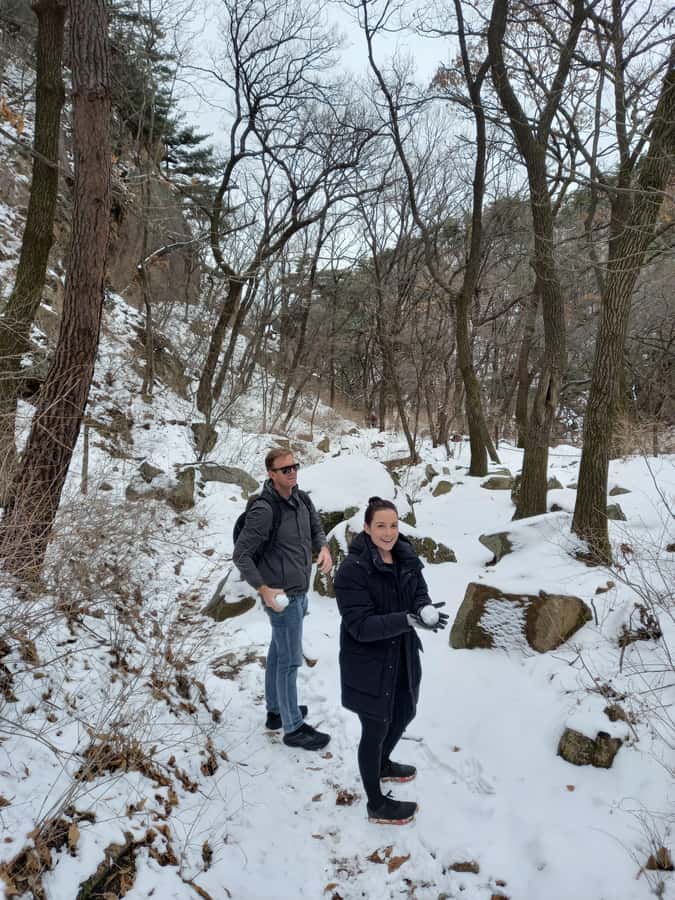
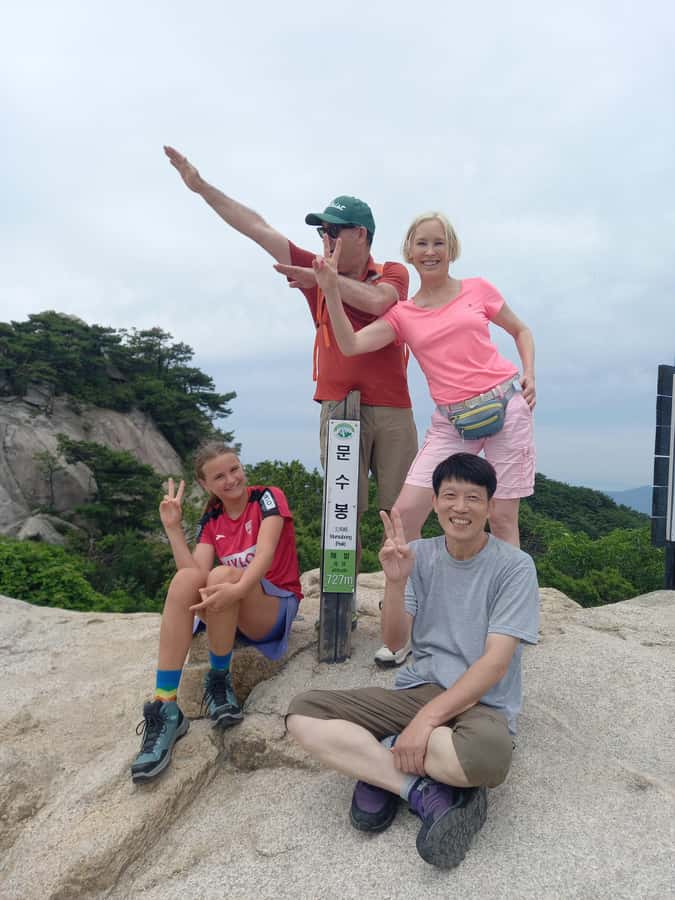
After a short break for a snack, the route reaches Munsubong Peak for photos. This section is brief in the schedule, but the summit is one of the day’s main rewards. From the top, you can see across downtown Seoul when the sky is clear.
The city view is highly weather-dependent. On a clear day, the height and proximity of the urban center make the sight memorable. On a hazy day, the rock formations and valley still give you a worthwhile hike, but the long-distance views may be muted.
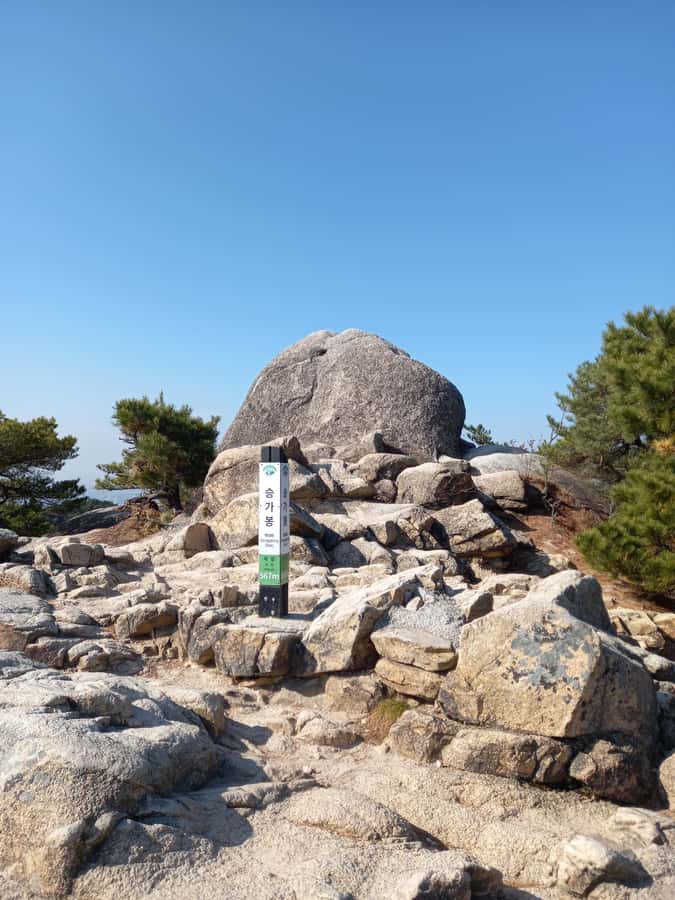
The trail then passes Tongcheonmun Rock and Seunggabong Peak. A further steep section lasts about 20 minutes before the ridge becomes easier again. That pattern is important: this is not a continuous uphill grind. Most of the route follows a fairly level mountain ridge, with a few sections that demand more effort.
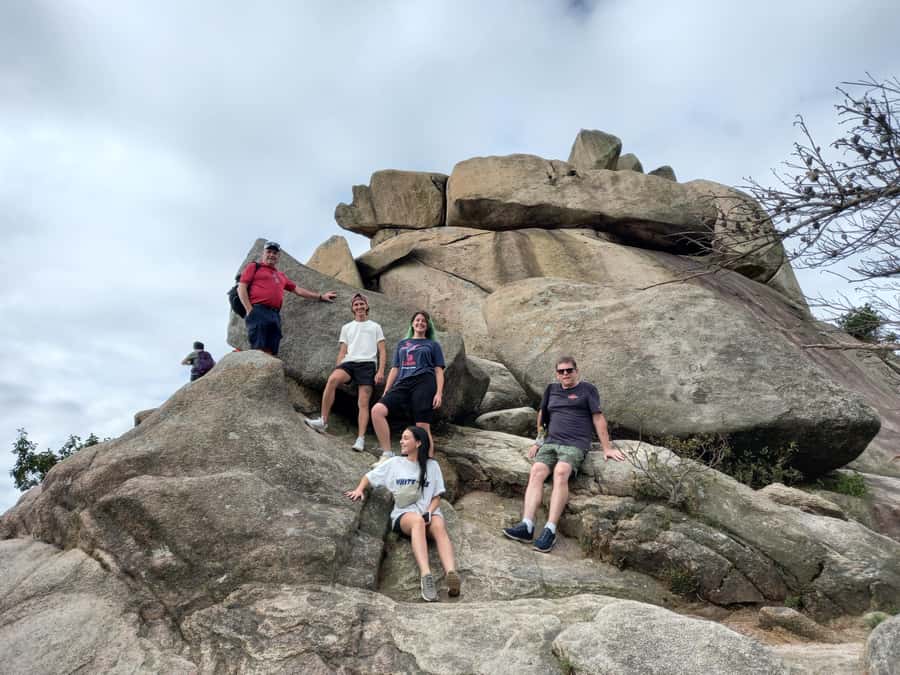
Tongcheonmun and the nearby formations show why Bukhansan is so distinctive. The granite has been shaped into unusual slabs, openings, and sharp profiles. Rather than seeing one mountain face from a distance, you move through the rock itself, with new angles appearing around each turn.
Same base, a completely different sort of day:
- Seoul: Gyeongbok Palace, Bukchon Village, and Gwangjang Tour
★ 4.9 · 2,321 reviews - Full Day Tour In The Soop BTS Ver in PyeongChang Filming Location
★ 5.0 · 1,709 reviews - Best Seoul City Tour (Gyeongbokgung Palace,Insadong,Namsan Tower)
★ 5.0 · 1,647 reviews - Small-Group Royal Palace and Seoul City Tour (hotel pick-up)
★ 5.0 · 1,474 reviews
Bibong Peak and Samobawi Rock
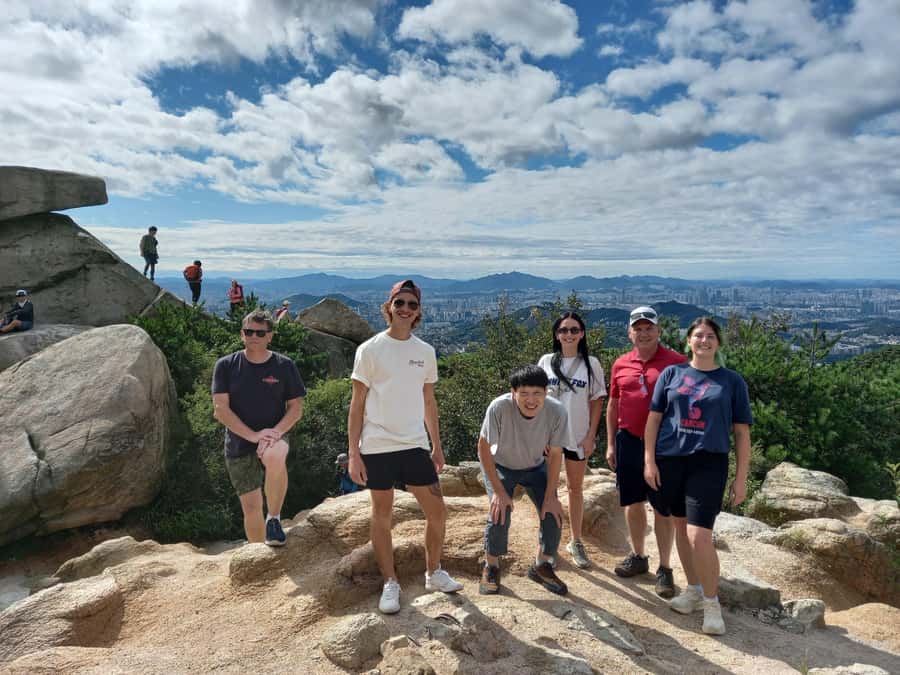
The route continues toward Bibong Peak and Samobawi Rock, with time set aside for photographs. These are among the strongest scenic points on the hike because the granite formations become the central feature.
Samobawi Rock is especially memorable for its unusual shape. The route between Bibong and Samobawi is described as a continuous display of oddly formed granite, so the visual interest does not depend on reaching one exact summit. You get a sequence of stone forms, ridge views, and glimpses of Seoul.
Bibong Ridge follows the peak section. This is a good place to appreciate the route’s design. The ridge gives your legs a break from steep climbing while keeping you above the city. It also creates the best chance to look back at the route you have crossed, with the mountain’s rock spine connecting the major points.
Take care with your timing here. Photo stops can stretch, especially when the sky is clear, but the group still needs to reach the descent on schedule. A private tour gives Paul more room to pause for your interests than a large group excursion would, but six hours remains a fixed working day.
The descent through the valley
The walk from the northern provincial office area toward the finish takes roughly an hour and ten minutes in the schedule. This part is less about summits and more about the change in sound and texture.
The descent follows a valley where water flows even during drought conditions. That running water adds a cool, calming finish after the exposed ridge. You will hear the stream and see a different side of the park, with the city still present in the wider view.
Downhill walking can be harder on knees than uphill walking, so do not treat the return as an easy stroll. Watch your footing and keep some water and energy in reserve. Paul’s role is useful here, particularly if someone in your group is tiring or needs extra help on uneven sections.
The route ends back near the Gugi branch office area before the bus returns you to Gwanghwamun Square. The full schedule runs about six hours, including transport. It is a substantial half-day, so avoid pairing it with another demanding activity that evening.
Paul Koo’s role on the trail
Paul Koo is the named English-speaking guide for this private experience. His job is not only to lead the route. He also explains Bukhansan’s geography, Korean mountain traditions, Buddhist practice, and the meaning mountains have held in Korean culture.
That context gives the walk more shape. Without it, you might see a striking granite outcrop and move on. With it, you can connect the mountain’s physical setting with the temples, meditation traditions, and older idea of mountains as sacred places.
Paul has also shown care with mixed-ability groups. He managed the timing well while giving extra support to a mother facing difficult parts of the trail. He was also patient with a group of women in their 50s and 60s who did not usually hike. That does not make the route easy, but it suggests that the guide pays attention to pace and confidence rather than simply pushing ahead.
I would still be clear about your ability before booking. A patient guide can help with a steep section, but cannot remove the climb. Tell Paul about any concerns in advance so the pace and meeting arrangements can be discussed.
What the $305 price means for two people
The price is $305 per private group of up to two people. For two hikers, that works out to $152.50 each before any transportation, food, or drink costs that may apply. For one person, the same group rate makes the outing much more expensive.
The value comes from the private format and the amount of guide time. You receive six hours with an English-speaking guide, a carefully linked route through several of Bukhansan’s notable formations, and help with pacing and trail decisions. You are not paying only for a walk to one viewpoint.
The price is less attractive if you are a confident hiker who only wants directions. Bukhansan can also be explored without a private guide, but this tour adds cultural explanation, transport planning, and direct support on a demanding route.
Food and drinks are not included. Carry water, snacks, an energy bar, bananas, or simple food for the break near Daenammun Gate. Insurance is also not included. Confirm the transportation charge before booking because the schedule includes bus travel while the inclusions state that transport is not covered.
Free cancellation is available up to 24 hours before the activity for a full refund, and you can reserve now and pay later. These terms help if Seoul’s weather forecast looks uncertain, though the practical decision still depends on whether you want to hike in the conditions available on your date.
Who should book this Bukhansan hike
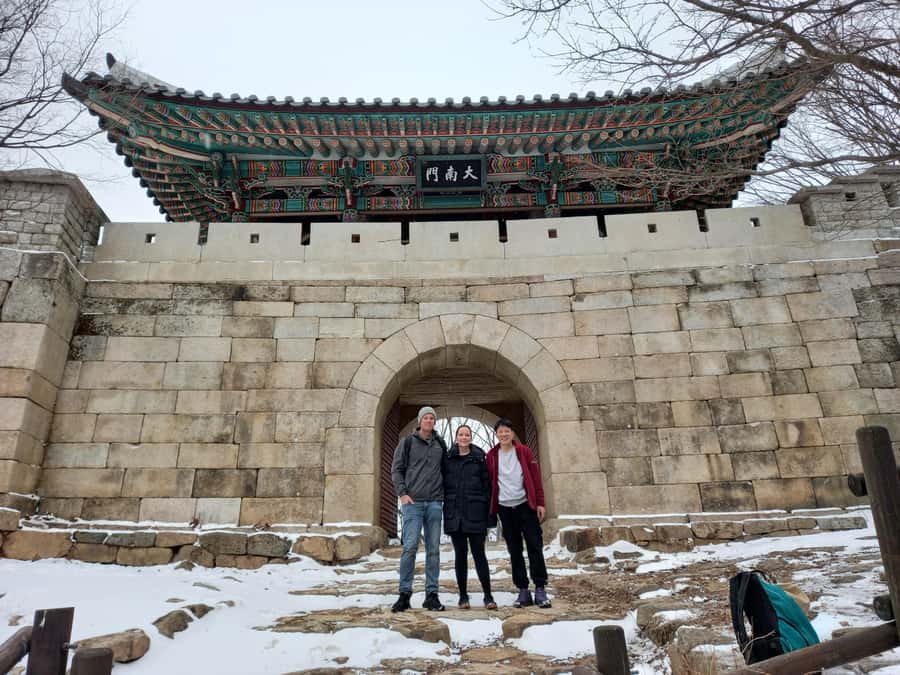
I would recommend it to a couple or pair of friends who want a private, active half-day without leaving Seoul. It also suits you if you want an English-speaking guide to explain Korean mountain culture instead of simply pointing out peaks.
The route can work for casual hikers who are prepared for a challenge. You should be comfortable with a 50-minute steep climb, another steep 20-minute section, ridge walking, and a long descent. Good shoes, water, and snacks are essential.
I would hesitate to recommend it to anyone seeking a gentle nature walk, a fully paved route, or a short photo outing. The scenery is beautiful, but you earn it with real uphill effort. Older hikers and non-hikers can complete it with a patient pace, as the experience with mixed-age groups suggests, but you should be honest about fitness and balance.
After the hike, the plan suggests relaxing at a cafe and trying traditional Korean food at Tongin Market in Seochon, near Gwanghwamun Square. That meal and cafe stop are not part of the six-hour tour, but they make sense as an informal follow-up once you return to the city.
Should you book it?
Book this tour if you want Seoul’s mountain experience in a compact day, with granite peaks, unusual rock forms, a flowing valley, and city views tied together by a private guide. Paul Koo’s patience and attention to struggling hikers are meaningful advantages on a route with several demanding sections.
Skip it if you want an effortless outing or if the $305 private-group price feels high for a hike you could tackle independently. For two people who value transport help, cultural context, and support on steep ground, the price is reasonable. For a solo, experienced hiker, it is harder to justify.
FAQ
Where does the Bukhansan hiking tour start?
The planned meeting point is the King Sejong statue at Gwanghwamun Square. The meeting place and time can be adjusted after booking, and a hotel meeting point can be arranged.
How long does the activity last?
The activity lasts six hours, including bus travel to and from Bukhansan National Park. The guided mountain portion is scheduled for about five hours.
How difficult is the hiking route?
The route is rated middle-high in difficulty. The first 50 minutes include a steep incline, and another section near Munsubong Peak is steep for about 20 minutes. Most of the remaining route follows a fairly level mountain ridge.
Which peaks and rock formations are included?
The route includes Bibong Peak, Samobawi Rock, Seunggabong Peak, Tongcheonmun Rock, Munsubong Peak, and Daenammun Gate.
Is transportation included in the price?
The schedule includes bus travel between Gwanghwamun and Bukhansan, but transportation is also listed as not included. Confirm the transportation cost before booking.
Is food provided?
No. You are asked to bring snacks, an energy bar, bananas, water, and simple food.
What language does the guide speak?
The live tour guide speaks English. The named guide is Paul Koo.
Is this a private tour?
Yes. The activity is for a private group, with a price covering up to two people.
Can I cancel the booking?
You can cancel up to 24 hours in advance for a full refund. The activity also offers a reserve-now, pay-later option.
Newest Seoul trips on the site
- Seoul : Must-see & Hidden Gems Private Walking Tour★ 4.9 · 8 reviews
- Seoul: Lotte World Aquarium Ticket★ 4.5 · 10 reviews
- Seoul: Max Out Must Visit City Highlights Panoramic Day Tour★ 5.0 · 7 reviews
- Seoul: K-Fashion Shopping Tour with a Professional Stylist★ 5.0 · 5 reviews
- From Seoul: Korea Spring Cherry Blossom Day Tour★ 4.8 · 6 reviews
- Seoul: Guided Street Food Tour at Namdaemun Market★ 5.0 · 10 reviews
- Seoul: Jisan Forest Winter Ski Day Tour with Basic Lesson★ 4.4 · 6 reviews
- Jisan Forest Resort: Ski Full-Day Tour or Shuttle from Seoul★ 5.0 · 4 reviews
Seoul Tours, compared.
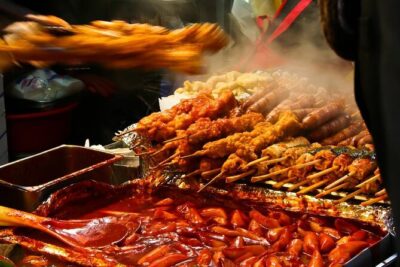
Gyeongbok Palace, Bukchon Village, and Gwangjang Tour
Read our review →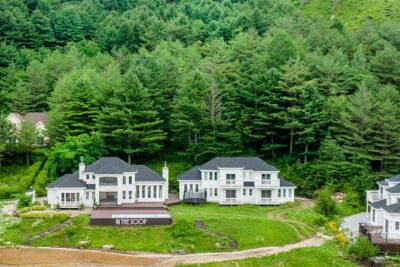
Full Day Tour In The Soop BTS Ver in PyeongChang Filming Location
Read our review →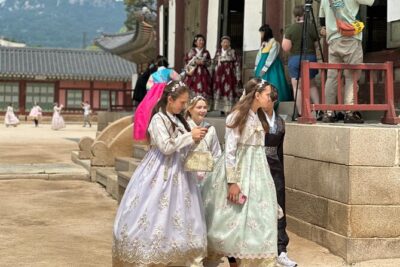
Best Seoul City Tour (Gyeongbokgung Palace,Insadong,Namsan Tower)
Read our review →
Small-Group Royal Palace and Seoul City Tour (hotel pick-up)
Read our review →
Seoul City Sightseeing Tour Including Gyeongbokgung Palace, N Seoul Tower, and Namsangol Hanok Village
Read our review →
Gyeongbok Palace, Bukchon Village, and Gwangjang Tour
Read our review →
Local Home Korean Cooking Class & Market Adventure in Seoul
Read our review →Browse the lists this tour appears in