
Reviewed · SEOUL TOURS
Gangnam Walking Tour on Youth and Society in Seoul Korea
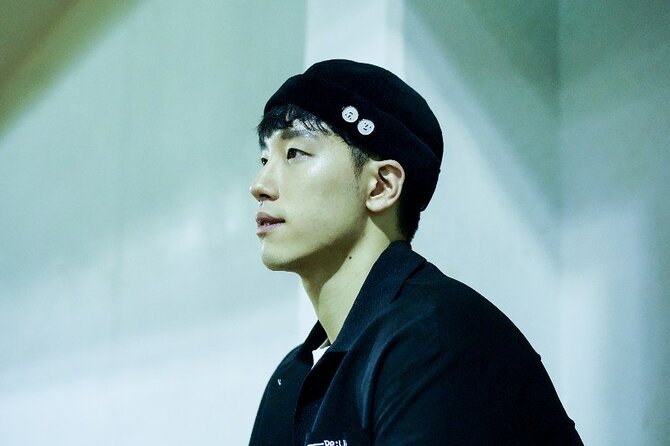
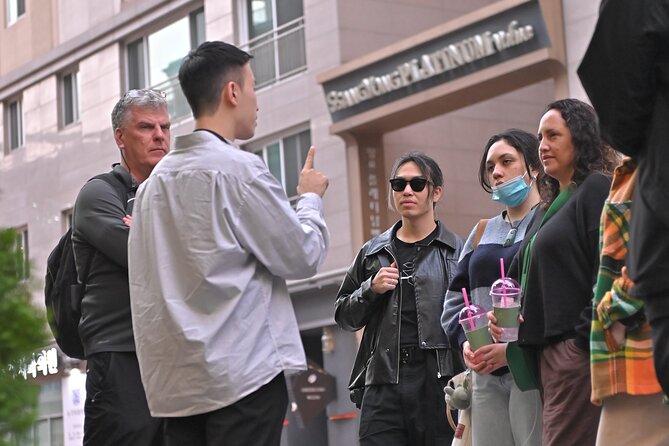
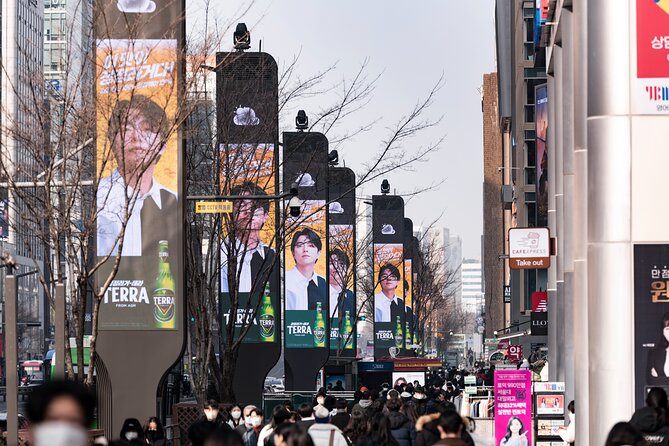
Gangnam is more than glossy towers, designer shops, and the famous subway station. This 2.5-hour walking tour uses the district to explain the pressures beneath South Korea’s economic success, from expensive housing and punishing school competition to plastic surgery, dating, marriage, and suicide. You walk through real neighborhoods while a local guide, often June or Jessica, explains how these issues affect young people.
I like the way the tour turns everyday places into teaching tools. A cram school becomes a doorway into South Korea’s education race, while a love hotel district opens a frank discussion about dating and relationships. I also like the small group limit of 15 people, which gives you room to ask questions and compare Korean life with your own.
The main caution is simple: this is not a sightseeing walk packed with famous buildings or photo stops. Much of the experience involves walking ordinary streets, listening, and discussing serious subjects. If you want nonstop attractions, it may feel subdued. If you want context, it delivers far more than a standard city tour.
Key points at a glance
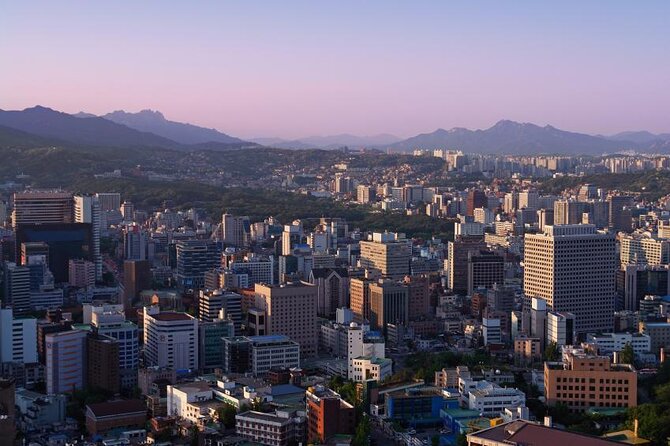
- Gangnam’s pressures in plain view: Housing, private education, beauty standards, relationships, birth rates, and suicide are all part of the discussion.
- Guides with different strengths: June brings strong historical context, while Jessica is praised for clear, friendly explanations and thoughtful comparisons.
- A small group of up to 15: The size suits questions and conversation better than a large bus tour.
- Five very different settings: The route moves from Gangnam Station to a love hotel district, a cram school area, Sinsa-dong, and the Han River.
- One subway ride is extra: Bring about 1,800 won for transportation during the tour.
- Best for curious adults: You should be comfortable discussing difficult social issues and walking for most of the 2.5 hours.
Gangnam Station and the price of success
The tour begins at 10:30 a.m. near Gangnam Station, at 820-10 Yeoksam-dong. This is a fitting starting point. Gangnam is widely seen as South Korea’s most developed and affluent district, so the surrounding streets give you an immediate picture of the country’s economic achievements.
From here, the guide explains how Seoul developed and how housing became such a difficult issue. The first stop lasts about 15 minutes, but the subject reaches well beyond the clock. You begin to see Gangnam not just as a polished business district, but as a place shaped by rising property prices, rapid development, and unequal access to opportunity.
I find this opening useful because it gives the rest of the walk a frame. Education, beauty, dating, and family decisions do not exist separately. They are tied to money, status, competition, and the hope of securing a better future.
The setting is also practical. You do not start with a museum display or a prepared stage. You begin in a working part of Seoul, with the city moving around you. That makes the discussion feel connected to daily life.
More Walking Tours in Seoul
- Seoul moonlight walking tour with local historian
★ 5.0 · 940 reviews - Seoul: Nighttime Hidden Gems Walking Tour
★ 5.0 · 775 reviews - Seoul: Evening Dark History, Folklore & Ghost Story Walking Tour
★ 5.0 · 593 reviews
Love hotels and changing relationships
The second stop is Hotel Seattle, in a district known for love hotels. The visit lasts around 10 minutes and focuses on Korean attitudes toward dating, privacy, and relationships.
This can be an awkward subject in a conventional city tour, but here it is central. The guide explains the role of love hotels in Korean culture and uses the area to discuss how young adults manage romance in a society where privacy, family expectations, housing costs, and work pressures can collide.
You should expect conversation rather than a dramatic attraction. The hotels are a backdrop, not an interior visit. The value comes from understanding what this type of business says about modern city life and personal relationships.
This is one of the tour’s more candid stops. The discussion can feel more revealing than a polished introduction to Korean culture because it deals with a part of life that is easy to ignore on a first visit. At the same time, the subject may not suit children or anyone looking for a light morning outing.
Cram schools and the education race
At Gangnam Daeseong Cram School, the tour turns to one of South Korea’s most important social forces: private education. The stop takes about 20 minutes.
Cram schools, known in Korea as hagwons, are a major part of academic life. This is not simply a story about students studying after school. The guide connects private education with family spending, competition, pressure on teenagers, and the country’s falling birth rate.
The location helps. You are standing near a real institute rather than hearing a broad lecture in a hotel meeting room. June is especially strong at connecting current youth issues with the story of Seoul’s rapid development. That historical background helps explain why education can carry such weight in families.
I would pay close attention here if you are interested in Korean films, television dramas, or the country’s work culture. Many familiar themes, such as parental pressure, exam competition, and long hours, make more sense after this stop.
The drawback is that the tour does not promise entry into the cram school or a classroom visit. You are looking at the area and listening to explanations. If you expect an inside tour, adjust your expectations.
Sinsa-dong and the business of appearance
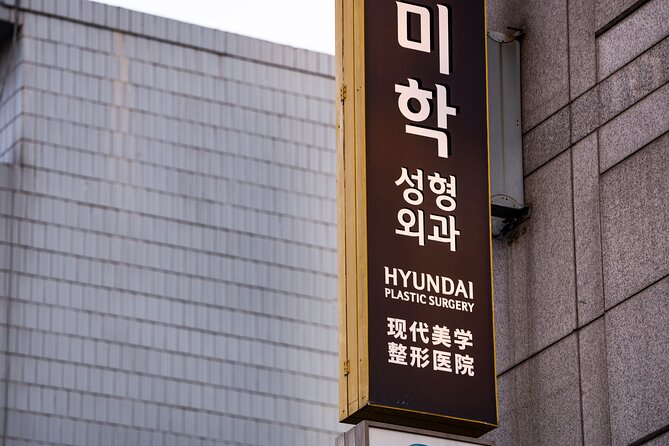
The route continues to Sinsa-dong, described as Seoul’s leading area for plastic surgery. The discussion lasts roughly 20 minutes and examines beauty culture, appearance standards, and the pressures often described as lookism.
This section is one of the strongest reasons to choose the tour. Sinsa-dong lets you see how beauty services become part of an ordinary commercial district. Clinics, advertisements, and the surrounding streets provide a direct setting for questions about face, body, employment, dating, class, and self-confidence.
The guide does not present beauty culture as a simple matter of vanity. The discussion looks at the social forces behind it and how South Koreans may experience pressure to look a certain way. That makes the stop more useful than a quick comment about celebrity culture or K-pop.
Jessica is a good guide for this kind of conversation. Her style is described as friendly, patient, and relatable, and she has used comparisons with American culture to help explain Korean customs and expectations. June brings a more historical angle, linking current beauty standards with the country’s wider development.
You should also allow for different personal reactions. Some people will find this subject fascinating, while others may find it uncomfortable or too focused on social problems. The tour does not pretend that Seoul is all food, idols, shopping, and cheerful pop culture. That honesty is part of its appeal.
Same base, a completely different sort of day:
- Seoul: Gyeongbok Palace, Bukchon Village, and Gwangjang Tour
★ 4.9 · 2,321 reviews - Full Day Tour In The Soop BTS Ver in PyeongChang Filming Location
★ 5.0 · 1,709 reviews - Best Seoul City Tour (Gyeongbokgung Palace,Insadong,Namsan Tower)
★ 5.0 · 1,647 reviews - Small-Group Royal Palace and Seoul City Tour (hotel pick-up)
★ 5.0 · 1,474 reviews
The Han River and the cost of pressure
The final major setting is Hangang Park Playground, beside the Han River. The stop takes about 20 minutes and connects the river with Seoul’s development and the subject of suicide.
This is the most serious part of the walk. The Han River is closely linked with the image of modern Seoul, but the guide also discusses the darker side of the pressures explored earlier. Housing, education, work, appearance, relationships, and family expectations can build into a difficult burden, especially for younger people.
The river provides a powerful setting, but the subject requires care. This is not a casual photo stop with a quick fact. You should come prepared for a sober discussion. One review described the tour as disturbing as well as fascinating, which is a fair expectation for this section.
The walk finishes near Apgujeong Station Exit 4. The route therefore ends with a practical subway connection rather than returning you to the starting point. You will have covered a substantial part of Gangnam on foot and used the subway once along the way.
What the walking pace is really like

The tour lasts about two and a half hours, and walking is the main activity. One person noted that it can be a lot for older people. I would take that seriously, especially if you have trouble standing for long periods or prefer frequent rest breaks.
The published route gives an approximate time for each stop, but the total experience depends on the guide, the group, and the questions asked. June is known for staying on schedule, while both June and Jessica have been praised for keeping the discussion clear and engaging.
Wear comfortable shoes and dress for the weather. The tour requires good weather, and poor conditions can lead to a new date or a full refund. Since the route includes outdoor streets and the Han River, rain can affect both comfort and the shape of the walk, even if a guide adapts the route.
There is no admission fee for the stops. You do need to budget about 1,800 won for the single subway ride. Gratuities are included in the advertised price of $31.98 per person, so the cost is mainly paying for the guide’s time, interpretation, and local perspective.
Is $31.98 good value?
For a standard Gangnam sightseeing walk, $31.98 might seem high when most stops are public streets and no entrance tickets are included. For this particular experience, the comparison is different.
You are paying for a guided explanation of subjects that can be difficult to understand from casual sightseeing. A visitor can see plastic surgery clinics, cram schools, luxury shopping areas, and love hotels without knowing what they mean in Korean society. The guide supplies the connections.
The value is highest if you ask questions. The tour is designed for conversation, not just a speech delivered while you follow a flag. A group of up to 15 people is small enough for personal questions, though the actual feel may vary depending on attendance.
I would not choose it for architecture, shopping advice, food tasting, or a long list of famous landmarks. I would choose it if you want to understand how Seoul’s success affects the people growing up there.
June, Jessica, and the guide’s role
The guide matters a great deal on a subject this sensitive. June is praised for historical context, clear English, and a strong grasp of youth issues, education, marriage, birth rates, plastic surgery, and lookism. June also connects today’s social pressures with Seoul’s dramatic development over the past seven decades.
Jessica brings a warm and accessible style. She is described as friendly, patient, and good at making difficult topics understandable. Her background and familiarity with American culture can help when you need a comparison rather than a definition.
The tour may be led by either guide, so you should not assume you will receive a particular person unless the booking details confirm it. Both names appear repeatedly in the experience information, and each brings a slightly different tone.
A strong guide is vital here because broad claims about Korean society can become simplistic. The best moments are likely to come when you ask for examples, qualify a generalization, or compare the issue with your own country.
Who should book this Gangnam walk?
I would recommend it to first-time visitors who want more than the polished public image of Seoul. It suits adults, students, teachers, journalists, and anyone interested in education, youth culture, gender expectations, family life, or modern Asian cities.
It is also a good choice after you have already seen the major landmarks. Once you have visited palaces, markets, and shopping streets, this walk can help you interpret what you are seeing in the wider city.
I would think twice if you want a relaxed stroll, a photo-heavy route, or a tour built around classic monuments. The content is serious, and some topics may be emotionally difficult. Older people should consider the amount of walking, while anyone with mobility concerns should confirm whether the route works for them before booking.
The experience has a 99 percent recommendation rate and a rating of 5 from 401 reviews, but the useful point is not the number alone. The consistent praise centers on the guides’ explanations, the honest look at modern Korean life, and the chance to see ordinary parts of Gangnam in a new way.
Final verdict: book it for context, not sightseeing
Book this tour if you want to understand the forces behind South Korea’s success and the strain that success can create. The route is ordinary by design. Its real attractions are the questions it raises about housing, education, beauty, relationships, family size, and mental health.
Skip it if you want grand views, historic buildings, or entertainment without difficult subjects. For everyone else, $31.98 is a fair price for a small-group conversation led by a local guide, especially if you arrive ready to ask questions and walk at a steady pace.
FAQ
How long is the Gangnam Walking Tour on Youth and Society?
The tour lasts approximately 2 hours and 30 minutes.
What time does the tour start?
The tour starts at 10:30 a.m.
Where does the tour begin?
The meeting point is 820-10 Yeoksam-dong in Gangnam District, Seoul, South Korea.
Where does the tour finish?
The walk finishes at Han River Park, near Apgujeong Station Exit 4.
Is transportation included?
One subway ride is used during the tour, but its fee is not included. The stated transportation cost is about 1,800 won.
What happens if the weather is poor?
The experience requires good weather. If it is canceled because of poor weather, you can choose a different date or receive a full refund.
Newest Seoul trips on the site
- Seoul : Must-see & Hidden Gems Private Walking Tour★ 4.9 · 8 reviews
- Seoul: Lotte World Aquarium Ticket★ 4.5 · 10 reviews
- Seoul: Max Out Must Visit City Highlights Panoramic Day Tour★ 5.0 · 7 reviews
- Seoul: K-Fashion Shopping Tour with a Professional Stylist★ 5.0 · 5 reviews
- From Seoul: Korea Spring Cherry Blossom Day Tour★ 4.8 · 6 reviews
- Seoul: Guided Street Food Tour at Namdaemun Market★ 5.0 · 10 reviews
- Seoul: Jisan Forest Winter Ski Day Tour with Basic Lesson★ 4.4 · 6 reviews
- Jisan Forest Resort: Ski Full-Day Tour or Shuttle from Seoul★ 5.0 · 4 reviews
Seoul Tours, compared.

Gyeongbok Palace, Bukchon Village, and Gwangjang Tour
Read our review →
Full Day Tour In The Soop BTS Ver in PyeongChang Filming Location
Read our review →
Best Seoul City Tour (Gyeongbokgung Palace,Insadong,Namsan Tower)
Read our review →
Small-Group Royal Palace and Seoul City Tour (hotel pick-up)
Read our review →
Seoul City Sightseeing Tour Including Gyeongbokgung Palace, N Seoul Tower, and Namsangol Hanok Village
Read our review →
Gyeongbok Palace, Bukchon Village, and Gwangjang Tour
Read our review →
Local Home Korean Cooking Class & Market Adventure in Seoul
Read our review →Browse the lists this tour appears in