
Reviewed · JEJU TOURS
Jeju: West of Jeju Island Bus Tour from Seogwipo City
West Jeju packs flowers, tea fields, white-sand beaches, coastal windmills, and a mountain temple into one long day. This tour makes that wide spread manageable, with Fabio guiding in English and Korean and adjusting the final stop to the weather and the group’s energy.
I like the smart route, which links several major sights without making you handle Jeju’s long bus connections. I also like the small-group setup, capped at 12 people, and the chance to start and finish in Seogwipo rather than losing time returning to Jeju City. The drawback is a full schedule with plenty of driving, and lunch is not included.
Key points
- A Seogwipo-friendly route: Pickup is available in Seogwipo’s old town, with Casaloma Hotel used for some hotels outside the central pickup area.
- Five very different settings: You move from flower gardens and green tea fields to cafés, beaches, wind turbines, and a Buddhist temple.
- A flexible final stop: Sanbangsan and Sanbangsa Temple, Songaksan, or Yongmeori Coast is selected according to weather and physical condition.
- A guide-led day: Fabio provides English commentary, answers questions, and can help with practical choices such as lunch.
- Weather matters: Jeju is known for strong wind, so bring a jacket, rain protection, sun cover, and suitable footwear.
- Good value for a long day: At $88, the price includes transport, guide, fuel, parking, and park admission, but not food or insurance.
Why this west Jeju tour works
Jeju is a large island, and the west side is not a compact sightseeing zone. The stops are spread along the coast and inland roads, so a guided vehicle saves you from planning several bus changes or paying for taxis between distant attractions.
This is a sightseeing-heavy day. The advertised duration is 570 minutes, or about nine and a half hours, with roughly six hours of visits and walks and the rest spent moving between them. You will not get long, lazy hours at one beach. Instead, you get a broad look at west Jeju’s scenery and culture.
The tour is limited to 12 people, though the exact vehicle can vary from a family van to a larger bus depending on group size. That matters because a small group makes it easier to ask questions, keep the pace moving, and make short photo stops when conditions allow.
Fabio is the named guide, and his role seems to be one of the tour’s main strengths. He explains Jeju’s place names, local stories, and cultural background in clear English. He is also described as flexible and attentive, including helping find vegetarian lunch and stopping when dolphins or haenyeo women divers can be seen from the road. Those sightings are not guaranteed, but a guide who watches the coast adds something a fixed bus route cannot.
A few more Jeju trips worth comparing
- Jeju: Eastern Jeju UNESCO Spots Day Tour
★ 4.9 · 1,148 reviews - Jeju: Western and Southern Sightseeing Day Tour
★ 4.8 · 972 reviews - East Jeju Essentials – Seongsan Ilchulbong (UNESCO) & Haenyeo
★ 5.0 · 939 reviews
Camellia Hill: flowers first, with a gentle start
The morning begins at Camellia Hill Botanical Garden after pickup near Seogwipo Maeil Olle Market or an arranged hotel location. The drive takes about 40 minutes, giving you time to settle in before the first walk.
You have about an hour here. Camellia Hill is a private flower garden designed for year-round visits, so the exact display changes with the season. Camellias are the main theme, but other seasonal flowers provide color at different times of year.
This is a good opening stop because the paths offer an easy introduction to Jeju’s plant life before the day becomes more coastal and active. You can take photographs, stroll at your own pace, and get a sense of the island’s softer side.
The garden can feel busy during popular flower periods, and an hour is enough for a pleasant visit rather than a slow botanical study. Wear shoes that are comfortable for walking. If you prefer dramatic coastlines to gardens, this may not be the most exciting first stop, but it sets a relaxed pace.
O’sulloc and Innisfree: Jeju’s tea culture in a polished setting
A short ride of about 10 minutes brings you to O’sulloc Green Tea Museum. The stop lasts about an hour and includes time around the green tea fields and the nearby Innisfree Brand Shop.
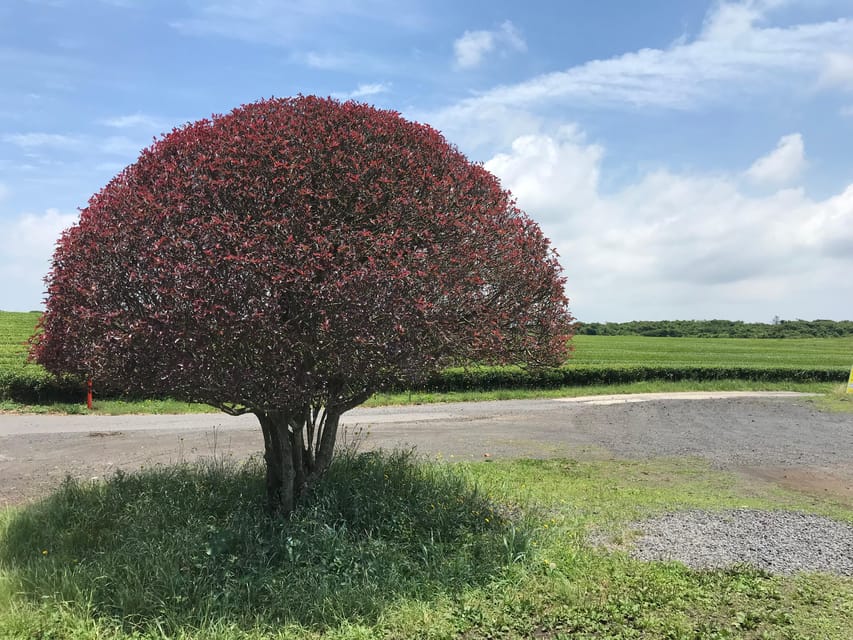
The tea plants spread across neat rows, making this one of the most recognizable agricultural scenes in west Jeju. The museum and surrounding grounds connect the island’s climate and farming traditions with Korea’s modern tea and cosmetics industries.
The Innisfree visit adds a commercial element. You can browse the cosmetics shop and take a break, but you are not required to buy anything. This stop works best if you enjoy tea, Korean skincare, or well-kept photo spots. If shopping is not your thing, the fields are the main reason to pay attention.
You get about an hour, so do not expect a long museum visit and a full shopping session. The pace is more like a sampler: see the fields, look around the museum, and decide how much time you want to give the shop.
Aewol Cafe Street and the Handam coast
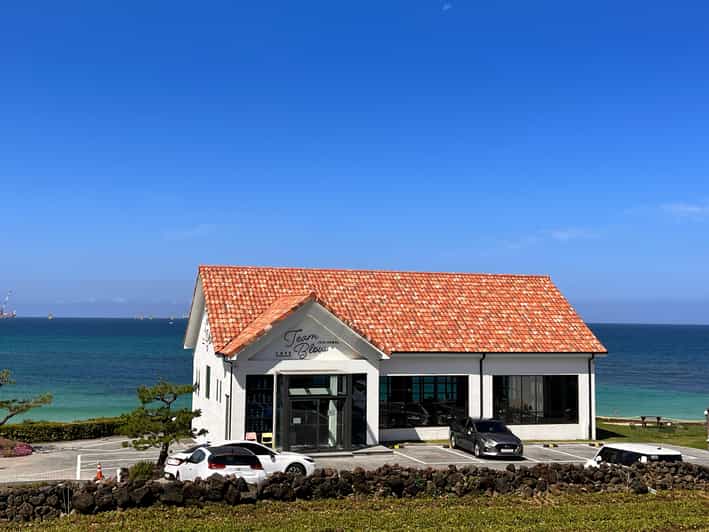
From O’sulloc, the vehicle travels about 30 minutes to Aewol Cafe Street. You have around 50 minutes here, including a light walk and time for tea or coffee.
Aewol is a good pause between inland attractions and the beach stops later in the day. The Handam coastal trail gives you a chance to walk beside the sea rather than simply view it through a bus window. The area is known for cafés with coastal views, so this is the place to slow down and buy a drink if you want one.
The short time is both useful and limiting. It is enough for a drink and a stroll, but not enough to sample several cafés or walk a long stretch of the trail. Your personal spending here is extra.
I like this stop because it gives the itinerary a modern Jeju touch. The island is not only gardens and temples. It also has a strong café culture, and Aewol shows how the coast has become part of everyday leisure.
More City Tours in Jeju:
- Half or Day Tour For Cruise customers arriving at Jeju City Port
★ 5.0 · 71 reviews - Jeju: East of Jeju Island Bus Tour from Seogwipo City
★ 5.0 · 63 reviews - Jeju: Seogwipo City Walking Tours with Sunset
★ 5.0 · 11 reviews - Best Seoul City Tour (Gyeongbokgung Palace,Insadong,Namsan Tower)
★ 5.0 · 1,647 reviews
Hyeopjae and Geumneung: the best beach pause
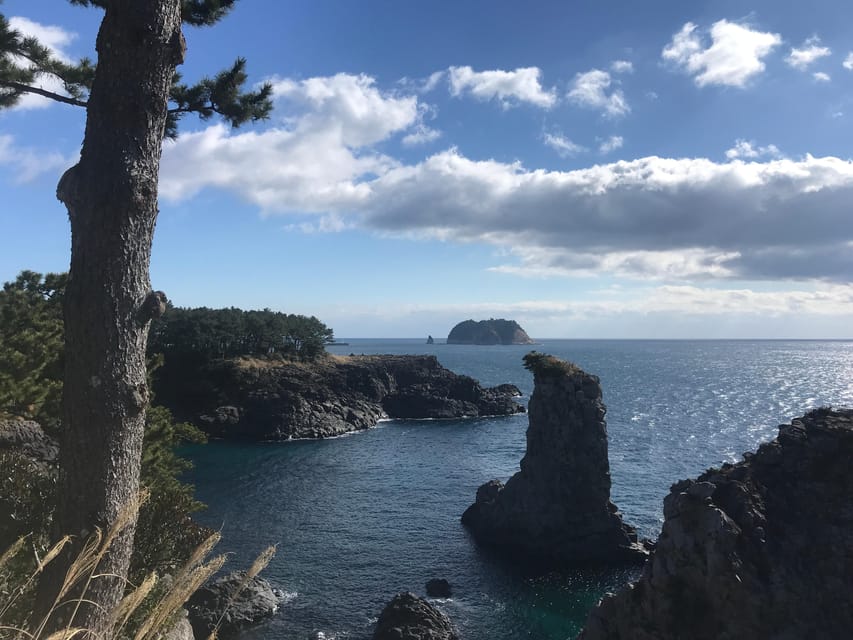
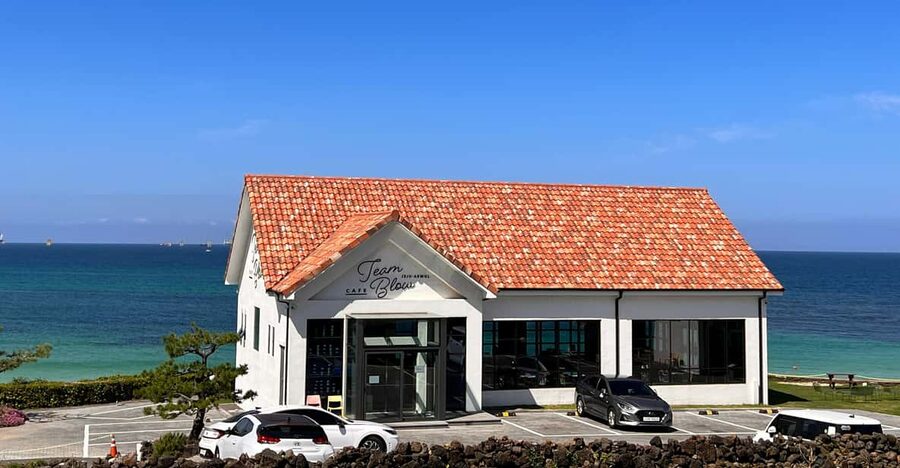
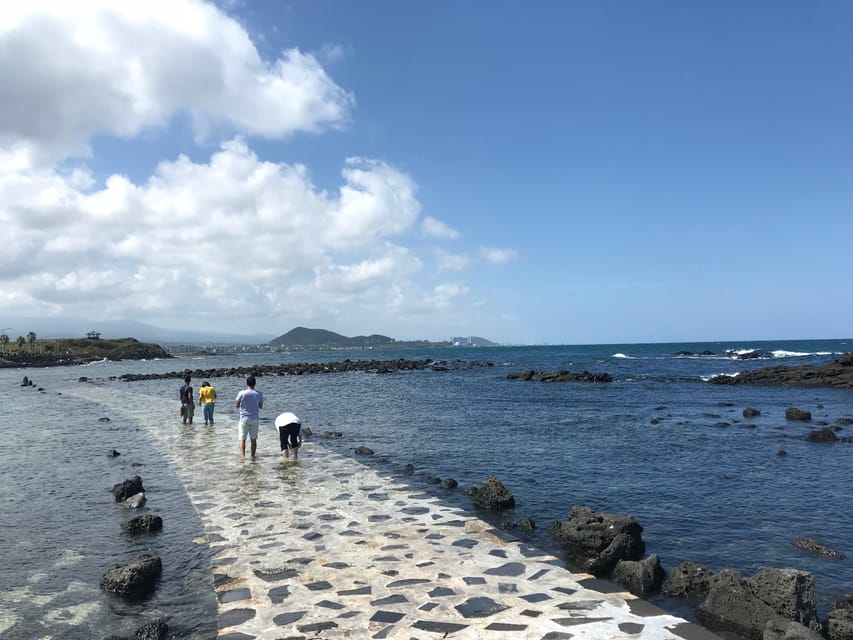
The next drive takes about 30 minutes, followed by roughly an hour near Hyeopjae and Geumneung beaches. These beaches are known for clear water and striking sea color, with views that make a good setting for lunch.
Lunch is not included, so plan to buy your own meal during this stop. That gives you some choice, but it also means you should not assume the $88 covers the full day’s spending. Ask Fabio for help if you have dietary needs. He has helped arrange vegetarian food, but specific restaurants and menus can change.
This is one of the more useful breaks in the schedule. You can eat while looking toward the water, then walk along the shore or take photographs. The hour passes quickly if you want both lunch and beach time, so keep an eye on the meeting time.
Beach conditions depend heavily on weather. On a clear day, the color contrast can be excellent. On a gray or windy day, the beach will feel more subdued, but the stop still offers open space after several garden and café visits.
Sinchang Windmill Coastal Road: Jeju’s wind in action
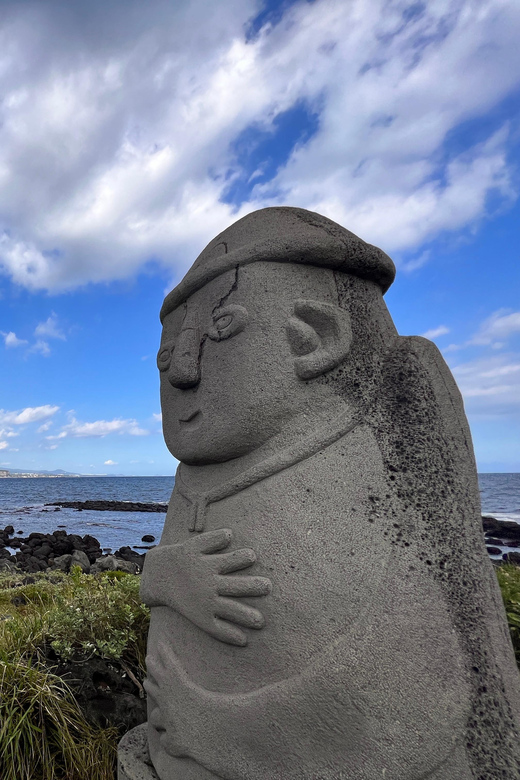
After Hyeopjae, the route continues for about 15 minutes to Sinchang Windmill Coastal Road. The planned walk lasts around 30 minutes.
Jeju is often called the island of the wind, and this stop makes the nickname easy to understand. Wind turbines line the coast, creating a striking meeting of natural force and modern energy infrastructure. You get out, stretch your legs, and feel the weather directly instead of viewing it from a vehicle.
This is the stop where practical clothing matters most. A wind jacket is strongly advised. In summer, a raincoat and sandals or other easy-to-dry footwear can help, while an umbrella is useful on sunny days for shade. Strong wind can make umbrellas awkward, so do not treat one as a substitute for a proper jacket.
The walk is short, but conditions may affect comfort. If you want a calm, sheltered stroll, this may be less pleasant than the garden stops. If you like open coastal scenery and unusual photo subjects, it is a memorable change of pace.
Choosing the final stop: temple, crater coast, or sea cave shore
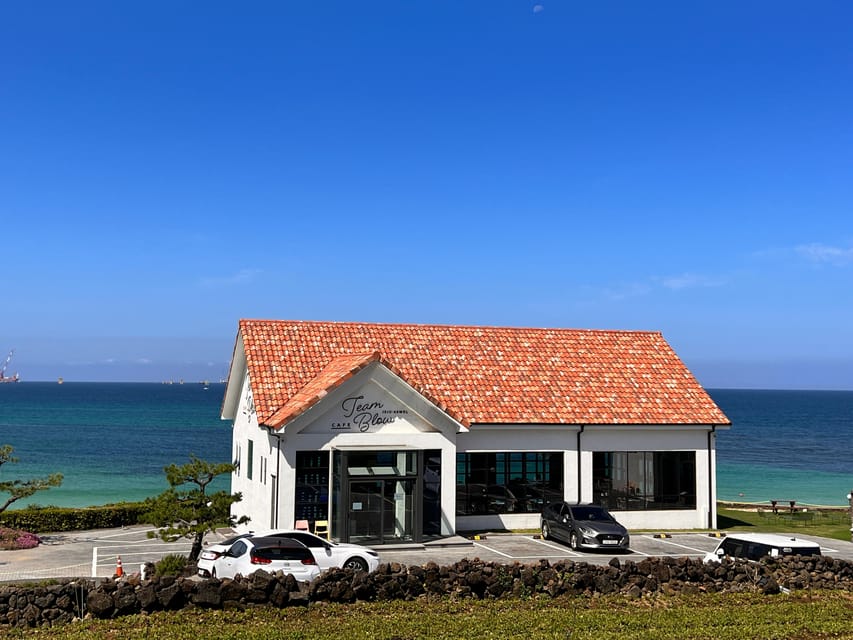
The last major section is flexible. The guide chooses one of three places based on weather and the group’s physical condition: Sanbangsan and Sanbangsa Temple, Songaksan, or Yongmeori Coast.
The planned schedule lists time for Sanbangsan and Yongmeori, but the operating details make clear that only one of the three options is visited. You should not book this day expecting to see all of them.
Sanbangsan and Sanbangsa Temple
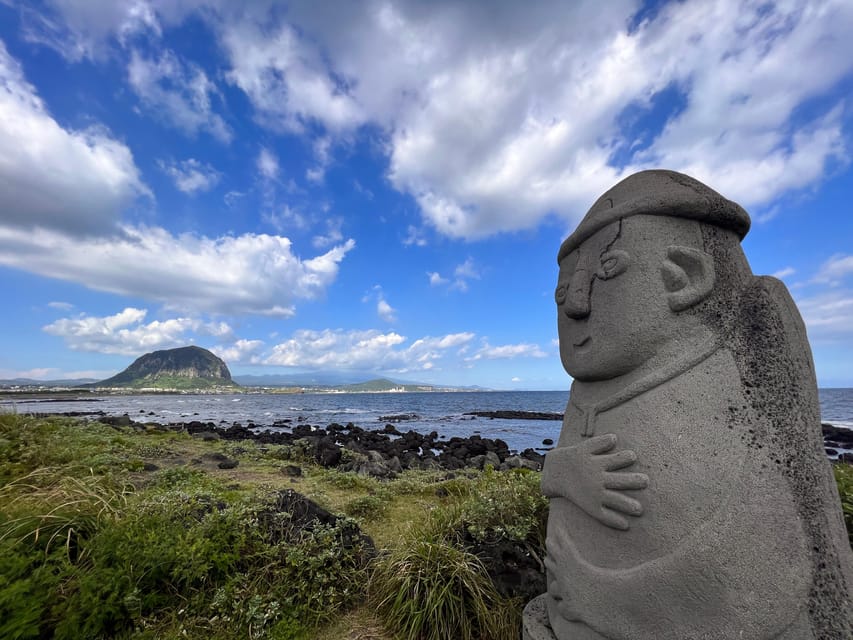
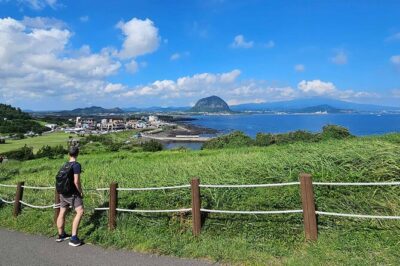
Sanbangsan is a trachytic tuff lava dome connected to the sedimentary layers around Yongmeori. Stairs lead up toward Sanbangsa Temple, and the walk takes about 50 minutes when this option is selected.
This is the strongest choice if you want culture as well as scenery. The temple gives you a look at Jeju’s Buddhist tradition, while the mountain’s unusual rock form adds geological interest. The stairs are well made, but you still need enough mobility for an uphill walk.
The climb is not simply a photo stop. It gives the guide a chance to explain the place and its religious setting. If the group is tired, weather is poor, or the route is slippery, the guide may recommend another option.
Songaksan
Songaksan provides a different kind of coastal outing. It is selected as an alternative final stop, not added to the other two. The exact walking pattern and time can depend on the guide’s decision that day, so ask for the plan before leaving the vehicle.
Yongmeori Coast
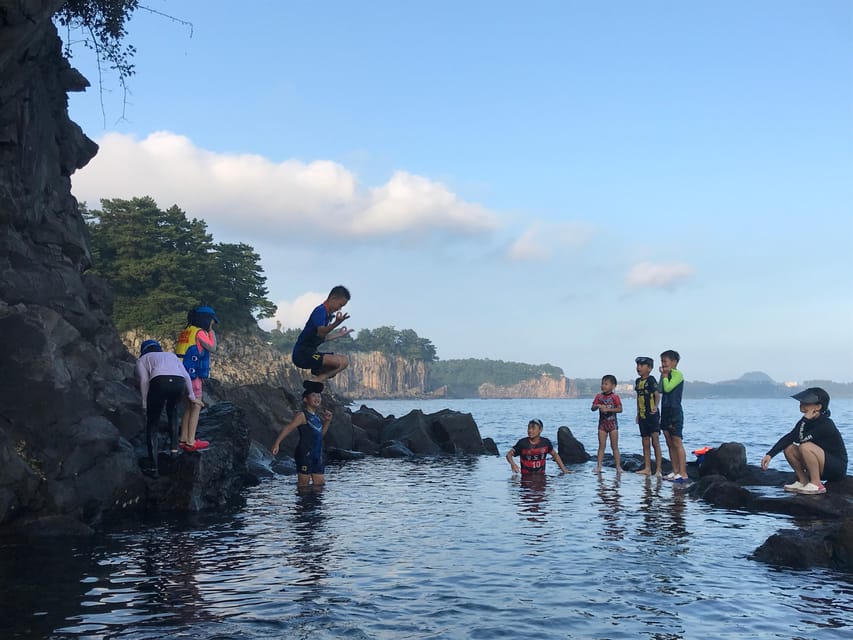
Yongmeori is associated with the sedimentary coast below Sanbangsan and offers a more direct seaside experience. The rock formations and shoreline are the main appeal, but coastal conditions can affect access and comfort.
This is a good reason to keep the itinerary flexible. A fixed promise to visit a shoreline is less useful when wind, rain, or sea conditions make the walk unpleasant. The guide’s choice is designed to match the day rather than force one attraction at all costs.
Transport, timing, and what the price really covers
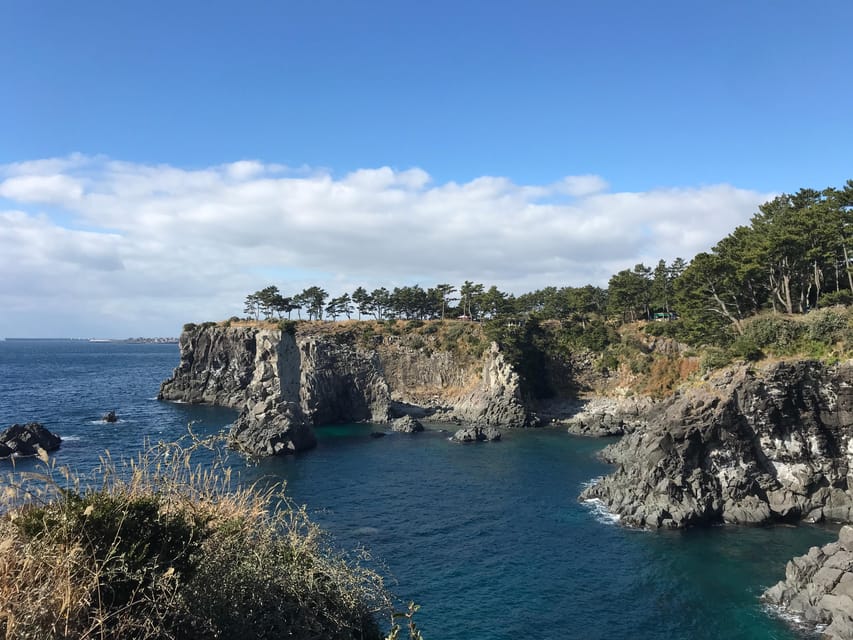
At $88 per person, this tour offers solid value if you want to cover many west Jeju sights in one day. The price includes the vehicle, English or Korean-speaking guide, fuel, parking, and admission fees for the parks. It does not include lunch, insurance, hotels, flights, or personal purchases.
Transport can be a family van for up to five people, a small van for up to 12, a minibus for up to 17, or a larger bus for up to 40. The advertised group size is limited to 12, but the vehicle format can vary. Larger groups may have a separate driver, while the guide and driver’s meals are covered.
Pickup is available from hotels in Seogwipo’s old town, with availability confirmed the day before. Casaloma Hotel is used as a central pickup point for people staying outside the main Seogwipo area. The tour returns to the departure hotel or Casaloma Hotel.
There is also a practical airport or Jeju City option on the way back. The vehicle stops at a bus stop for people continuing toward Jeju Airport or downtown Jeju City. Confirm the exact arrangement before relying on it for a flight, since this is not presented as a private airport transfer.
You can cancel up to 24 hours before departure for a full refund, and reserve now while paying later. Assistance dogs are allowed, but ordinary pets are not. The experience is not suitable for people over 95, and the walking portions make basic comfort with stairs and outdoor paths important.
Who will enjoy this day most
I would choose this tour if you are staying in Seogwipo and want to see the west without renting a car. It is also a strong fit for a short Jeju stay, since one day covers gardens, tea fields, cafés, beaches, wind turbines, and one cultural or coastal site.
It suits first-time visitors who want context along with photographs. Fabio’s explanations of place names, local culture, and island history add value that you would miss by simply following a map.
It is less suitable if you want a slow beach day, extensive hiking, or complete control over every stop. The schedule is full, and each attraction gets a set amount of time. You should also think twice if you dislike wind, long drives, or eating lunch on a timetable.
If you have dietary needs, tell the guide early. If you are hoping to see haenyeo divers or dolphins, the guide may help you watch for them, but sightings depend on luck and conditions.
Should you book the west Jeju bus tour?
Book it if you want an efficient, guided look at west Jeju from a Seogwipo base. The strongest reasons are the sensible route, included admissions and transport, small-group format, and Fabio’s reported care with questions, history, food needs, and unexpected coastal stops.
Skip it if your priority is a private schedule or long periods at one beach. For most first-time visitors, though, $88 is a fair price for a nine-and-a-half-hour day that removes the hard work of crossing the island. Pack for wind, keep lunch money ready, and accept that the final stop may change. That flexibility is part of the tour’s practical appeal.
FAQ
Where does the tour start in Seogwipo?
Pickup is available from hotels in Seogwipo’s old town. The meeting point is listed as Seogwipo Maeil Olle Market, and Casaloma Hotel is used for some people staying outside the central Seogwipo area. Pickup availability is confirmed the day before.
How long does the tour last?
The tour lasts 570 minutes, or about nine and a half hours. The exact starting time depends on availability.
Is lunch included?
No. Lunch is not included, so you should budget for food at the Hyeopjae and Geumneung beach stop. Personal expenses are also extra.
Which final attraction will I visit?
You visit only one of Sanbangsan and Sanbangsa Temple, Songaksan, or Yongmeori Coast. The guide selects the stop based on weather and the group’s physical condition.
Is the tour available in English?
Yes. Live guiding is available in English and Korean. Fabio is the named English-speaking guide for this experience.
What should I bring?
Bring a wind jacket because Jeju can be very windy. In summer, a raincoat and flip-flops can be useful, while an umbrella helps block the sun on clear days. Comfortable walking shoes are sensible for the gardens, coast, and possible temple stairs.
Newest Jeju trips on the site
- Jeju: Seogwipo City Walking Tours with Sunset★ 5.0 · 11 reviews
- Jeju: Western Jeju K-Drama Spots Tour with Hotel Pickup★ 5.0 · 4 reviews
- Jeju: Western & Southern Jeju Hydrangea Festival Tour★ 5.0 · 3 reviews
- Jeju: K-Drama Spot When Life Gives You Tangerines Hotel Pick★ 5.0 · 4 reviews
- Jeju: Sunset Tour Olle Trail Walking Tour with Hotel Pickup★ 4.9 · 7 reviews
- Jeju West: Small Group Healing Tour w/Caves & Dolphins★ 5.0 · 8 reviews
- Jeju Premium Small Group UNESCO Day Tour – East★ 4.8 · 33 reviews
- Jeju South: Small Group Healing Tour w/Mt.Halla & Olle Trail★ 5.0 · 8 reviews
Jeju Tours, compared.

East Jeju Essentials – Seongsan Ilchulbong (UNESCO) & Haenyeo
Read our review →
South-West Jeju Essentials: Hallasan & Signature Highlights
Read our review →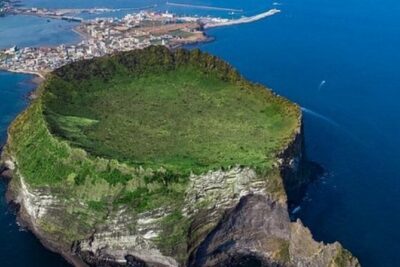
Jeju Island English Private & Flexible Tour any number anywhere
Read our review →
East Jeju: Day Tour with Seongsan Peak & Haenyeo Performance
Read our review →South-West Jeju Essentials: Hallasan & Signature Highlights
Read our review →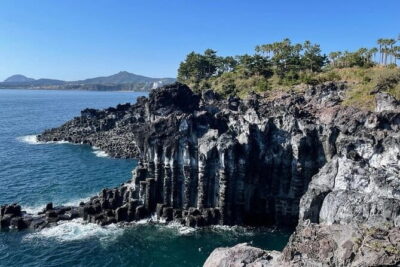
Jeju Southern UNESCO Full Day Tour with Mt.Halla
Read our review →Browse the lists this tour appears in