
Reviewed · JEONJU TOURS
Jeonju Hanok Village and Maisan Tapsa Temple Day Tour From Seoul
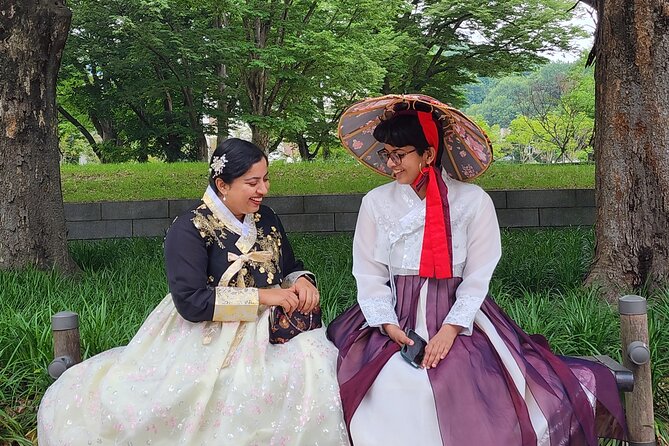
Jeonju Hanok Village gives you two strong Korean experiences in one place: you can walk among hundreds of traditional houses while dressed in hanbok, then stop for Jeonju’s famous bibimbap. The unusual second act is Maisan Tapsa Temple, where tall stone pagodas look like upside-down icicles.
I like the small maximum group of nine, and I like that basic hanbok rental, transportation, and entrance fees are included in the $60 price. The main consideration is the long day from Seoul, with only about an hour at the village itself before the schedule moves on.
I also like that guide Dos of Dream Journey Korea may run the trip even with a very small group. That can make the day feel more personal. Bring comfortable shoes, and remember that lunch, hair accessories, hats, and personal travel insurance cost extra.
Key points at a glance
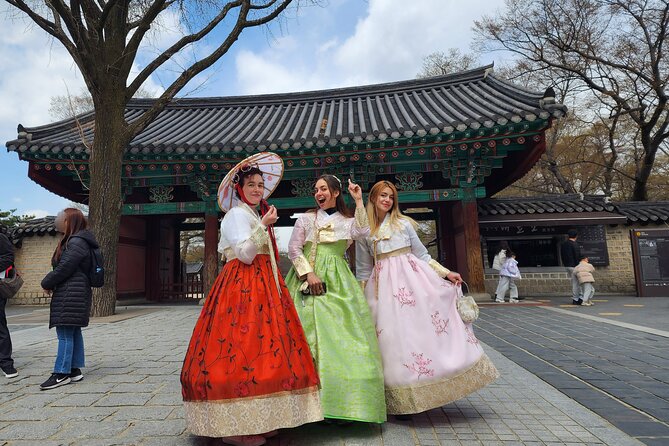
- Hanbok time is included: You get a basic traditional outfit for 1.5 hours, giving your walk through Jeonju a more memorable look.
- Jeonju’s old quarter is the centerpiece: The village contains roughly 700 to 800 traditional homes and offers food, photos, and historic streets.
- Tapsa Temple is genuinely unusual: Its stone pagodas have distinctive icicle-like shapes and sit in a peaceful mountain setting.
- Several landmarks fit into one day: Gyeonggijeon Shrine, Jeondong Catholic Church, Pungnammun Gate, Hanok Village, and Tapsa Temple are all included.
- The group stays small: A maximum of nine people is useful for a long day with several stops.
- The price covers the basics: At $60, you get round-trip transportation, entry fees, and the hanbok session, but not lunch.
Why this Seoul day trip works
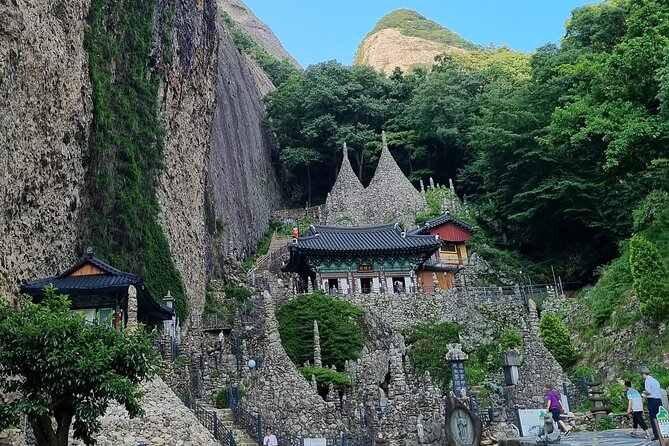
This tour is built around contrast. In the morning, you get Jeonju’s carefully preserved traditional streets and royal-era culture. Later, you trade tiled roofs for mountain scenery and a Buddhist temple known for its strange, hand-built stone towers.
That mix is the strongest reason to book it. A day focused only on Hanok Village could feel like a shopping and photo outing. A day focused only on Tapsa Temple would give you nature and religion but less contact with everyday Jeonju culture. Together, the stops create a fuller picture of the region.
The tour lasts about eight to ten hours, so you should treat it as a full-day commitment rather than a quick side trip. The drive from Seoul is part of the bargain, but the included round-trip transport removes the need to work out intercity connections yourself.
The group limit of nine is another practical plus. A small vehicle and a small group are especially helpful when the schedule includes several short stops. Dos, the guide named in the supplied information, has also shown flexibility when group numbers change, including running the trip for a single participant.
More Hanok Village Tours in South Korea:
- Seoul: Gyeongbok Palace, Bukchon Village, and Gwangjang Tour
★ 4.9 · 2,321 reviews - Seoul City Sightseeing Tour Including Gyeongbokgung Palace, N Seoul Tower, and Namsangol Hanok Village
★ 5.0 · 1,423 reviews - Seoul: Gyeongbok Palace, Bukchon Village, and Gwangjang Tour
★ 5.0 · 1,044 reviews
Wearing hanbok in Jeonju Hanok Village
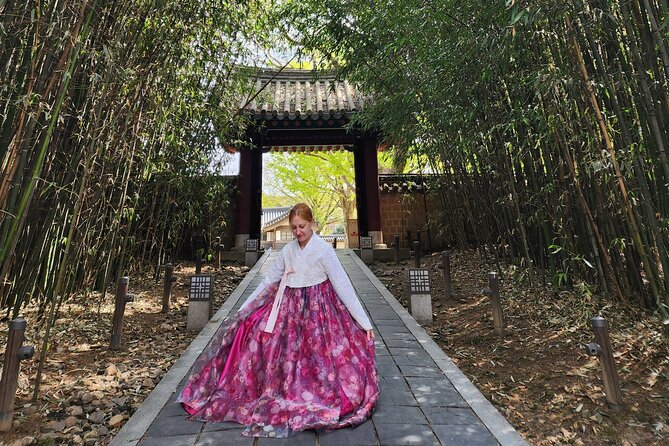
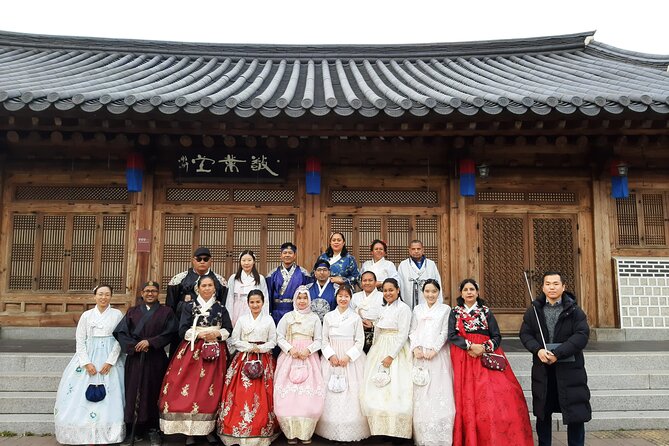
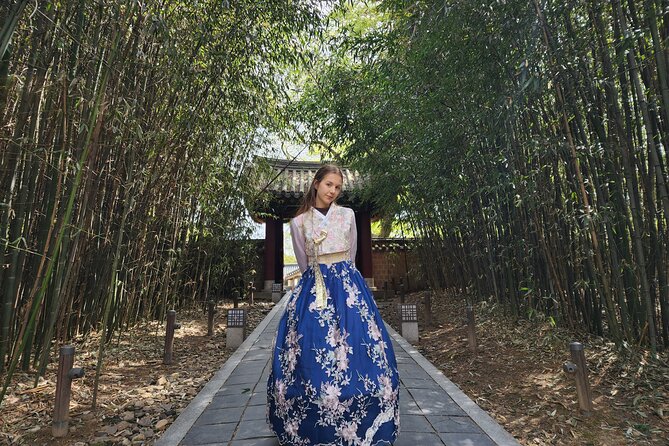
The hanbok session is one of the clearest selling points. You receive a basic hanbok rental for 1.5 hours, and that is enough time to dress, walk through the village, and take photos around the traditional buildings.
A basic rental means you should not expect every possible accessory to be included. Hair accessories and hats are specifically excluded, so budget extra if those details matter to you. The outfit itself is included, which keeps the total cost easier to understand.
Jeonju Hanok Village contains roughly 700 to 800 traditional houses. The point is not just one landmark building. You are walking through a whole district of tiled roofs, narrow streets, shops, food stops, and restored homes. The tour allows about an hour for sightseeing in the village, separate from the listed hanbok time, though the exact flow may depend on the day’s timing.
I would use the hanbok period carefully. Get changed promptly, take your main photos early, then use the remaining time to look around rather than staying only in front of one doorway. You can also use the walk to try local food, including bibimbap, but lunch is not part of the price.
Jeonju is strongly associated with bibimbap, so this is one of the days when I would avoid bringing a large packed meal. You are free to choose your own lunch, and that gives you control over cost and menu. The tradeoff is that you need to keep an eye on the clock.
Gyeonggijeon Shrine and the Joseon royal connection
Gyeonggijeon Shrine receives about an hour and includes admission. It was built to house the portrait of the first king of the Joseon dynasty, giving the stop more meaning than a simple photo break.
The shrine’s appeal is visual as well as historical. Traditional buildings, courtyards, and formal details give you a setting that pairs naturally with hanbok. If you are interested in Korean royal culture, this is likely the most important stop in Jeonju itself.
An hour is enough to see the main areas without turning the visit into a long museum session. It also gives you time to take photographs and listen to the guide’s explanation. Since entrance is included, you do not need to decide at the gate whether the visit is worth an extra fee.
Jeondong Catholic Church and Pungnammun Gate
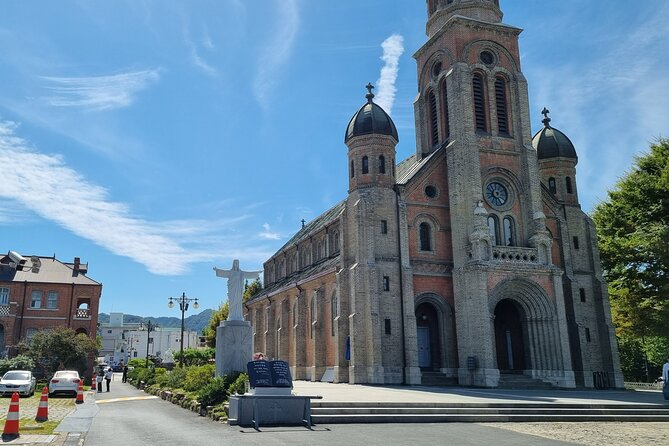
The tour then gives you two short Jeonju landmarks. Jeondong Catholic Church receives about ten minutes, while Pungnammun Gate also receives about ten minutes.
Jeondongseongdang Cathedral is described as the first Catholic martyrium in Korea. The short stop is mainly about seeing the church and learning about the history of Catholicism in Korea. Ten minutes will not support a detailed visit, but it works as a compact introduction.
Pungnammun Gate was the main gate of Jeonju’s city fortress. Again, this is a quick look rather than an extended historical visit. The value comes from seeing a surviving part of the old city structure while moving between the larger stops.
These brief visits are useful if you want several reference points in Jeonju. They may feel rushed if your priority is quiet architectural study. I would think of them as well-chosen snapshots, not full guided tours of each site.
More Temple Tours in South Korea:
- Seoul: Mt Seorak + Naksansa Temple or Nami Island Group Tour
★ 4.7 · 422 reviews - Best Things to Do – Half Day Seoul Trip (Seoul Palace & Temple)
★ 5.0 · 190 reviews - Mount Seorak and Naksansa Temple One Day Tour from Seoul
★ 4.5 · 167 reviews - Busan Tour: Gamcheon Village & Haedong Yonggungsa Temple + Lunch
★ 5.0 · 119 reviews
The stone pagodas of Maisan Tapsa Temple
Tapsa Temple is the tour’s most unusual sight. Its stone pagodas are described as looking like upside-down icicles, a shape that makes the temple different from the more familiar Korean Buddhist sites built around painted halls and standard pagoda forms.
You receive about 1 hour and 10 minutes at the temple, with admission included. That gives you enough time to appreciate the pagodas, walk through the peaceful temple setting, and take in the surrounding mountain scenery.
The pagodas are the reason this stop is memorable. Their irregular, vertical forms create an almost mysterious appearance, and the setting adds a strong nature element to a day that begins in an urban historic district. Tapsa has also been selected by CNN as one of South Korea’s most beautiful temples, though the real value is seeing its unusual stone work for yourself.
This part of the day requires moderate physical fitness. The tour does not promise a completely level route, and temple grounds can involve walking. Wear shoes that are comfortable for a full day, not just shoes that look good with hanbok.
The time allocation is sensible for a first visit, but it is not a long hike or a detailed religious study. You will see the principal setting and have time to look around. If you want extensive walking around Maisan or a slow photography session, the fixed day-trip schedule may feel limited.
How the $60 price adds up
At $60 per person, the tour is priced as a practical package rather than a luxury outing. The cost includes round-trip transportation, every listed entrance fee, the basic hanbok experience, and car accident insurance.
That matters because separate admission fees and transport can make a self-organized day more complicated. You also avoid arranging the route between Jeonju and Tapsa Temple, which is the part most likely to take extra planning.
Lunch is not included. Neither are travel insurance, hair accessories, or hats for the hanbok rental. These exclusions are straightforward, but they mean your real spending will be higher than $60 if you want a meal and a more complete costume.
I consider the price good value if you want all three of these things: a guided Jeonju visit, hanbok rental, and Tapsa Temple. If you only want to see Hanok Village and eat bibimbap, a self-guided visit may give you more control over your pace. The tour earns its price by combining distant places in one day.
Timing, transport, and group size
The advertised length is about eight to ten hours. That is long enough to require an early start and a full day of attention, though the exact pickup and return times are not provided here.
Round-trip transportation is included, which is important because the tour covers Seoul, Jeonju, and Maisan. You can focus on the sights instead of planning each connection. The small maximum group of nine should also make it easier to hear explanations and keep the day moving.
The schedule has several fixed blocks: one hour at Gyeonggijeon Shrine, one hour in Hanok Village, ten minutes at Jeondong Catholic Church, ten minutes at Pungnammun Gate, and 1 hour 10 minutes at Tapsa Temple. Travel time fills the rest of the day.
The pace suits you if you prefer a guided overview of several places. It is less suited to you if you dislike time limits or want to linger over lunch, browse every shop, or photograph each building at leisure.
Confirmation is provided when you book. The tour is near public transportation, and service animals are allowed. You need moderate physical fitness, particularly for a long day that includes temple grounds and extended walking.
What makes the guide important
The named guide is Dos, who runs Dream Journey Korea. The small group format gives the guide a chance to adjust the day more easily than a large coach tour.
That flexibility may matter if the group is tiny. One supplied account describes Dos continuing with the tour even when the booking had been reduced to one participant. You should not assume every departure will be private, but this detail suggests a willingness to honor the scheduled experience when numbers change.
The guide’s role is especially useful at Gyeonggijeon Shrine and Jeondong Catholic Church, where a short explanation adds context to what you see. At Tapsa Temple, a guide can also help connect the stone pagodas with the setting rather than leaving you to view them as unusual objects without background.
The trip is best approached as a guided introduction. You will see a lot in one day, but the schedule does not allow long, specialist-level visits at every stop.
Who should book this tour?
I would recommend it to a first-time visitor to South Korea who wants traditional culture, a scenic temple, and an easy route from Seoul. It is also a good match for families, couples, and solo visitors who like having transportation and admission handled together.
The hanbok element makes the day especially appealing if you want photographs in a traditional setting. The Tapsa stop adds enough variety to keep the day from becoming only a city sightseeing trip.
You may want to skip it if your main goal is a slow food day in Jeonju, a serious religious visit, or extended time at one site. You should also think twice if a full eight to ten hours on the road sounds tiring.
The tour has a five-star rating from 12 submitted ratings and a 100 percent recommendation rate. That is a small sample, so I would treat it as encouraging rather than final proof. The consistent strengths are clear: the included hanbok, the unusual temple, the personal attention possible in a group of nine, and Dos’s flexibility.
Final call: a strong value for a packed cultural day
Book this tour if you want Jeonju’s traditional streets and Maisan Tapsa Temple without arranging the route yourself. The $60 price is fair because it includes transportation, entry fees, and a 1.5-hour basic hanbok session.
Go in knowing that lunch is extra, the day is long, and some Jeonju stops are brief. Bring comfortable shoes, leave room in your budget for bibimbap, and reserve at least 24 hours before departure if you need to cancel for a full refund.
FAQ
How long does the Jeonju and Tapsa Temple tour last?
The experience lasts approximately eight to ten hours.
What is included in the tour price?
The price includes basic hanbok rental for 1.5 hours, every listed entrance fee, round-trip transportation, and car accident insurance.
Is lunch included?
No. Lunch is not included, so you should budget separately for food in Jeonju.
How large is the tour group?
The tour has a maximum of nine people.
Which places are included in the itinerary?
The stops are Gyeonggijeon Shrine, Jeonju Hanok Village, Jeondong Catholic Church, Pungnammun Gate, and Tapsa Temple.
Are hanbok accessories included?
Hair accessories and hats are not included in the hanbok experience.
What is the cancellation policy?
You can cancel up to 24 hours before the experience start time for a full refund. Cancellations or changes made less than 24 hours before the start time are not accepted for a refund.
Newest South Korea trips on the site
- Seoul : Must-see & Hidden Gems Private Walking Tour★ 4.9 · 8 reviews
- Seoul: Nami and K-Garden with Optional Alpaca Winter Tour★ 5.0 · 3 reviews
- Seoul: Nami and Petite France Tour with Optional K-Garden★ 4.2 · 31 reviews
- Seoul: Mt. Seorak & Nami Island & Eobi Ice Valley Day Tour★ 3.8 · 3 reviews
- Seoul: Mt.Seorak, Nami Island, No Shopping(+RailBike Option)★ 4.7 · 38 reviews
- Seoul: Mt.Seorak(+CableCar Option)+Sokcho Fish Market&Beach★ 4.5 · 9 reviews
- Seoul: Maisan Cherry Blossom and Jeonju Hanok Day Tour★ 4.7 · 3 reviews
- Seoul: Max Out Must Visit City Highlights Panoramic Day Tour★ 5.0 · 7 reviews
Jeonju Tours, compared.
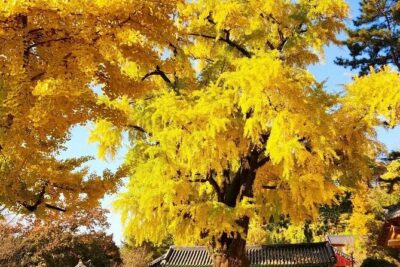
Jeonju Hanok Village Full-Day Tour:Jangtaesan Autumn Foliage
Read our review →Jeonju Hanok Village Full-Day Tour: Jangtaesan Autumn Foliage
Read our review →
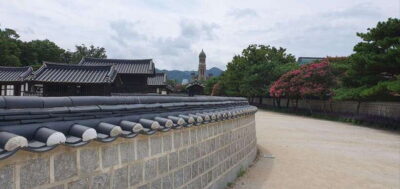
Essence of Jeonju, Hanok Village & Maisan Mountain
Read our review →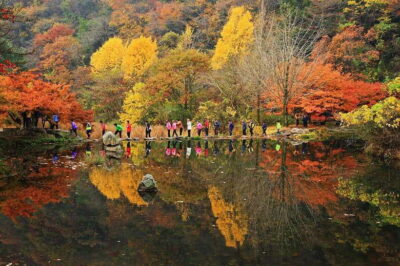
Autumn Foliage – Mt. Naejang + Jeonju Hanok Village
Read our review →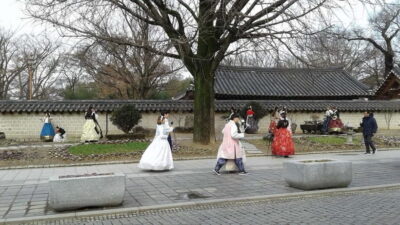
Browse the lists this tour appears in