
Reviewed · DMZ TOURS
Private DMZ the 3rd Tunnel Tour from Seoul (optional Red Bridge)
The most striking part of this tour is the chance to stand at Dora Observatory and look toward North Korea, then walk through the cramped Third Tunnel built for a possible invasion. This is not a polished sightseeing attraction. It is a place where current military rules can change the day’s plan.
I like the private vehicle and hotel pickup, especially for a group of family or friends splitting the $500 price. I also like the mix of sobering memorials, war relics, and countryside stops rather than a single rushed checkpoint visit. The main consideration is that the schedule is not fully in your hands: military instructions, weather, and security conditions can alter the route without a refund.
Key points to know before you book
- The Third Tunnel is physical: You walk down a steep route into a low passage, and the tour allows about 30 minutes there.
- Dora Observatory gives the big view: Binoculars help you spot North Korea’s Kijong-dong and, when conditions allow, Kaesong City.
- Your private group can include up to six people: The $500 rate is per group, not per person.
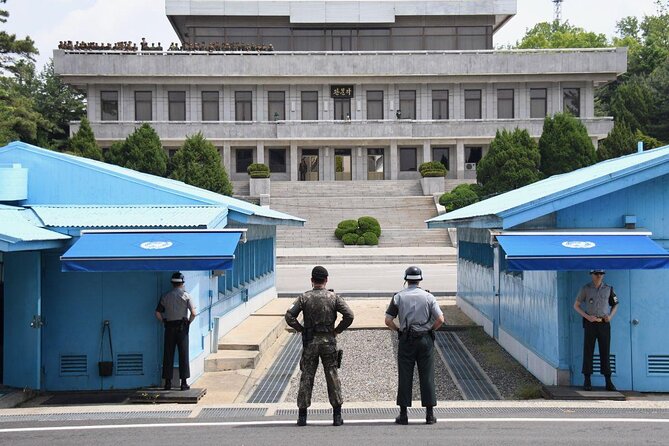
- The day has strong memorial stops: Imjingak, Mangbaedan, the Freedom Bridge, and the bullet-marked steam locomotive add human weight to the military story.
- The Red Bridge is optional: Gamaksan Chulleong Bridge adds about an hour and an admission-free stop, but it is not the central DMZ visit.
- Bring your passport: You need it on the tour day, and the DMZ schedule can change under military rules.
Why this private DMZ day is worth your time
The Korean Demilitarized Zone is a four-kilometer-wide buffer created by the 1953 armistice. It is not a normal border crossing, and you do not simply wander where you please. Checkpoints, restricted roads, and changing military instructions shape the day.
That controlled setting is part of the point. You are seeing a living political divide, not just a museum display. A guide can explain what you are looking at, why the sites matter, and how the Korean War still affects families and daily life.
The private format works best when you care about questions and conversation. You have your own guide and driver, hotel pickup in downtown Seoul, and a vehicle for the long ride north. If your group has six people, the $500 total comes to about $83 per person before any optional charges. For two people, the cost feels much steeper, but the privacy and flexible attention may still suit you better than a large coach.
The company assigns an English or Chinese-speaking guide. Names connected with this service include Ray, Alice, Lina, Sua, Diane, and Tom, but you should not assume a particular guide unless the operator confirms one. The most useful guides on a DMZ trip are those who explain the military details in plain language and leave time for your questions.
A few more DMZ trips worth comparing
- Best DMZ Tour Korea from Seoul (Red Suspension Bridge Optional)
★ 5.0 · 41,422 reviews - DMZ Tour: 3rd Tunnel, Option(Suspension Bridge, Boat) from Seoul
★ 5.0 · 21,373 reviews - DMZ tour south Korea from Seoul (NK experience hall, defector)
★ 5.0 · 20,599 reviews
The ride from Seoul and the first border approach
Your day begins with hotel pickup in downtown Seoul, or with a meeting at a nearby subway station if that is easier for the driver. The tour lasts about eight hours, but the exact start time can change because of military instructions.
That flexibility matters. The DMZ is an active security area, so the route is not as fixed as a palace or city walking tour. Weather, road conditions, and military restrictions can also change the schedule. The operator says that refunds are not available when such changes affect the day, so keep this in mind before booking.
The ride gives your guide time to explain the Korean War, the armistice, and the meaning of the places ahead. You will also pass along the Imjin River, whose calm appearance can feel at odds with the history attached to its banks.
Inside the DMZ area, groups of fewer than 30 people may need to transfer to a group shuttle bus. That means the tour is private from Seoul, but not every vehicle segment is necessarily exclusive once you enter the controlled zone. This is an important detail if you are paying for privacy.
Imjingak Park, the Freedom Bridge, and the human cost of division
Imjingak Pyeonghwa-Nuri Park is one of the day’s most thoughtful places to begin. Opened in 2005 near the DMZ, it uses memorials, open grounds, and symbolic objects to express hopes for peace and reunification.
You get about 30 minutes here. That is enough to see the principal sites, but not enough for a slow, unhurried visit to every corner. Use your time for the main memorial areas and listen closely as your guide explains the symbolism.
The Bridge of Freedom is one of the most affecting stops. A temporary wooden bridge carried 12,773 prisoners of war back to South Korea in 1953. The name is not abstract. It refers to people who crossed after years of fighting and captivity.
Near the bridge, Mangbaedan Memorial Altar recalls families separated from relatives in North Korea. During holidays such as Chuseok, people come here to honor family members they may never see again. The stop lasts only about 10 minutes, but its purpose is clear: the division is not just a line on a map. It split households.
You will also view the Imjin River Dokgae Bridge, a steel structure rebuilt after the war, and the preserved steam locomotive from Jangdan Station. The locomotive was derailed by bombing in 1950 and has remained as a rusted record of the fighting. Its frame carries more than 1,000 bullet and shell marks, giving you something concrete to study after the memorials.
The 21-ton Peace Bell at Imjingak adds a more hopeful note. It was cast in 2000 to express hopes for reunification. You will spend only about 10 minutes there, so think of it as a symbolic pause rather than a full bell ceremony.
Crossing toward the DMZ on the Unification Bridge

The Unification Bridge opened in 1998 and carries traffic toward the DMZ. Crossing it gives the route a physical sense of moving from ordinary South Korea toward a tightly controlled zone.
You may pass military checkpoints, and the road itself is part of the experience. The tour does not treat the bridge as a grand monument. Its value is in what it represents: a link built for access to an area that remains politically divided.
At this point, keep your passport close. It is required on the tour day. There is no special dress code, but practical shoes are a smart choice because the Third Tunnel involves a steep walk and a low ceiling.
More Private Tours in DMZ:
- Private DMZ Tour (No Shopping): 3rd Tunnel & Suspension Bridge
★ 5.0 · 607 reviews - Premium Private DMZ Tour & (Suspension Bridge or N-Tower) include lunch
★ 5.0 · 348 reviews - Private DMZ Tour
★ 5.0 · 240 reviews - Free style private Tour(Essence of Seoul city or DMZ)
★ 5.0 · 125 reviews
Walking into the Third Tunnel of Aggression
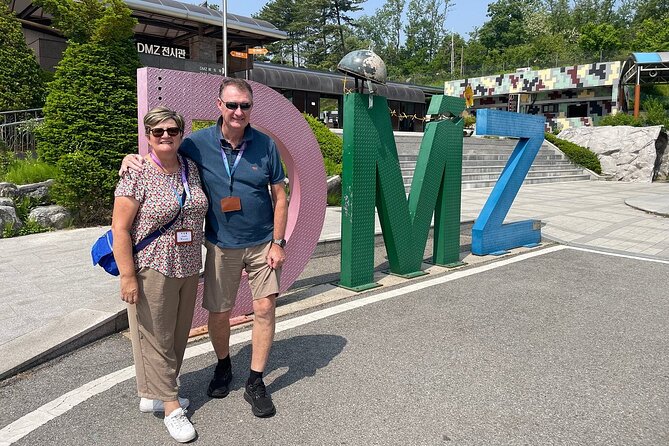
The Third Tunnel is the most active part of the day. North Korea built the 1,635-meter passage as an infiltration route, and it was discovered in 1978, about 52 kilometers from Seoul.
Only part of the tunnel is open to the public. The passage is roughly two meters high and two meters wide, so taller people may need to stoop. The walk down is steep, and the return climb can be tiring. The tour allows about 30 minutes, which gives you time to see the tunnel without turning the visit into a long underground hike.
This is where the DMZ stops feeling like a distant political story. You are walking through a narrow military passage cut into rock, built for a purpose that never came to pass. The physical limits of the space make the security concerns easier to understand.
Large bags and loose items may be inconvenient in such a narrow passage, so pack lightly for this portion. The tour details do not specify particular storage rules, and conditions can vary, but comfortable shoes are sensible.
The Third Tunnel may not suit anyone with difficulty on steep or confined routes. Most people can take part, but the tour is not entirely effortless. If you have concerns about the climb, ask the operator before booking.
Looking across the border at Dora Observatory
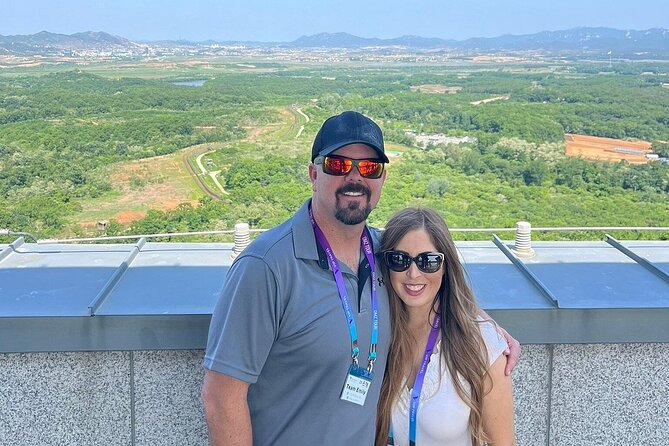
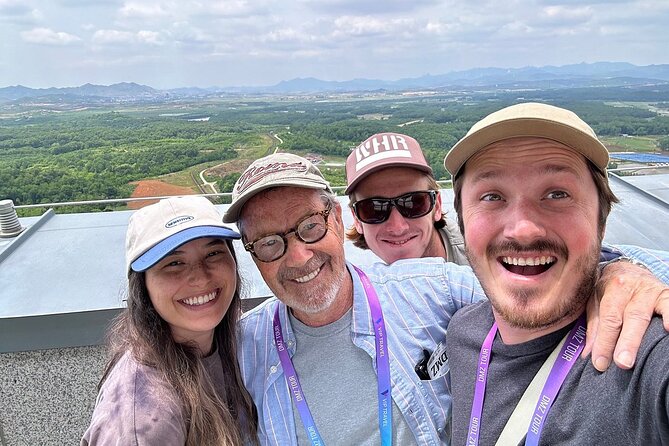
Dora Observatory is the visual high point of the day. Set on Dorasan, it offers South Korea’s closest public viewpoint toward North Korea. From the viewing area, you may use binoculars to look toward Kijong-dong, often described as a propaganda village, and Kaesong City.
The quality of the view depends on weather, haze, and access conditions. Do not expect a dramatic close-up of daily life across the border. The scene can feel distant and quiet. That distance is precisely what makes the visit valuable: the border is visible, but ordinary access beyond it is not available.
You get about 30 minutes here. Have your passport and belongings ready, listen to the guide’s instructions, and take your photographs only where permitted. Military rules can affect what is open and what you may photograph.
This is also a good place to ask your guide about the geography. A strong explanation turns a vague view into a clearer picture of the villages, roads, and border positions in front of you.
Tongilchon village and a pause in the countryside
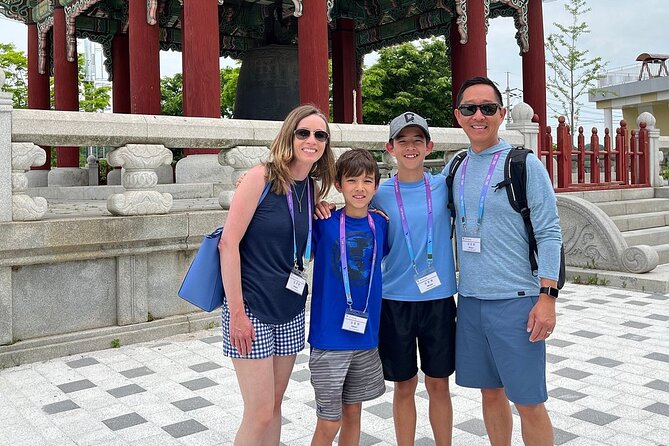
Tongilchon-gil leads through Tongilchon village, located beyond the Civilian Control Line. The area is known for fertile fields and Jangdan soybeans, a local agricultural product.
The 30-minute stop gives the day a different rhythm. After the memorials and military sites, you see farmland and a working rural area. That contrast matters. The DMZ region is not empty scenery. People live and farm close to one of the world’s most heavily watched borders, within the limits set by the security zone.
Do not expect a full village tour or a long meal stop here. Lunch is not included, and the schedule is already full. Ask your guide when and where you will have time to eat.
The optional Gamaksan Chulleong Red Bridge
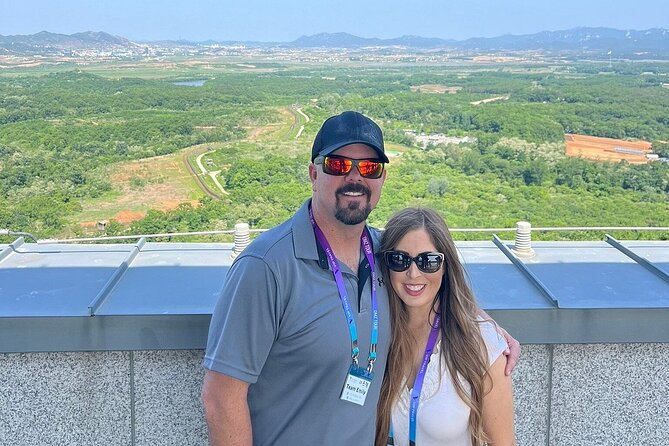
The optional Gamaksan Chulleong Bridge adds roughly one hour to the trip. This 150-meter red suspension bridge opened in 2018 and commemorates Korean War heroes. It hangs about 30 meters above the ground and gives you a more active finish to the day.
The bridge is free of admission charge according to the tour details, though the general terms note that optional admission, parking, and toll fees may not be included. Confirm the exact cost before departure, especially if the route changes.
I would add the bridge if your group enjoys heights, short walks, and scenic viewpoints. I would skip it if your main goal is the DMZ itself, if you are already tired after the tunnel, or if you prefer more time at the memorial sites. It is an extra attraction, not a replacement for Dora Observatory or the Third Tunnel.
What the $500 group price really buys
At $500 per group of up to six, this tour offers its best value to families and small groups. Six people sharing the cost pay about $83 each. Three people pay about $167 each, while a couple pays $250 each before any extra charges.
The price includes downtown Seoul hotel pickup and drop-off, a professional English or Chinese-speaking guide, taxes, fees, and handling charges. It does not include lunch. The details also warn that optional admission charges, parking, and toll fees may be extra, so ask for clarification before paying.
You are paying for a private setup, not a luxury sightseeing package. The benefit is control over your own group, direct access to a guide, and a vehicle arranged around your pickup. Once inside the DMZ, a group shuttle may still be required for groups under 30, so private does not mean every minute is secluded.
The high overall rating and full recommendation rate point to consistent satisfaction, especially with guide attention and the educational side of the day. Specific guides praised by name include Ray, Alice, Lina, Sua, Diane, and Tom. Some guide assignments may also allow small additions when timing and location work, such as a strawberry-picking stop mentioned by one family, but you should treat that as an exception rather than a promised part of the itinerary.
Who should book this DMZ tour?
I would choose this tour for a family, group of friends, or first-time visitor who wants the main DMZ sights without joining a large coach from the start. It also suits anyone who wants to ask detailed questions about the Korean War and the continuing division of the peninsula.
The day works well for children old enough to handle the tunnel and for adults who prefer a guide to explain the political setting. One family with 11-year-old twins found the format suitable, but every child is different. The tunnel is cramped, the day is long, and hot weather can make the outdoor stops harder.
I would hesitate if you dislike fixed military schedules, steep walks, or the possibility of route changes. The DMZ is not a place where the operator can promise every stop in every condition.
Free cancellation is available up to 24 hours before the start time. Changes or cancellations inside that window are not accepted for a refund. Because military conditions can alter the plan, leave some flexibility in your Seoul schedule rather than booking an important connection immediately afterward.
Should you book this private DMZ day?
Book it if you want the Third Tunnel, Dora Observatory, and the major Imjingak memorials in one organized day, and if your group can share the $500 cost. The private guide and hotel pickup make the long outing easier, while the memorial stops keep it from becoming a simple border photo trip.
Skip it if you want a guaranteed, unchanging timetable or a bargain for one or two people. For most small groups, though, this is a thoughtful way to see a difficult and important part of Korea, provided you arrive with your passport, practical shoes, and patience for military rules.
FAQ
How long does the private DMZ tour last?
The tour lasts approximately eight hours, including the ride from Seoul and the scheduled stops.
How many people can join the private tour?
The $500 group rate covers up to six people.
Is hotel pickup included?
Yes. Free hotel pickup and drop-off are offered in downtown Seoul. You may also meet the guide and driver at a nearby subway station.
Do I need to bring my passport?
Yes. A passport is required on the tour day.
What language does the guide speak?
The professional guide speaks English or Chinese.
Is lunch included?
No. Lunch is not included in the tour price.
Can the schedule change after booking?
Yes. The start time and itinerary can change because of military guidelines, weather, or other conditions. A refund is not available when the schedule changes for these reasons.
Newest DMZ trips on the site
- Seoul: DMZ & Live Talk with North Korean Defector★ 4.9 · 50 reviews
- Seoul: DMZ Tour with Japanese-Speaking Guide★ 5.0 · 28 reviews
- Seoul: DMZ 2nd Tunnel and Suspension Bridge Tour★ 4.8 · 56 reviews
- Seoul: DMZ, 3rd Tunnel, Odusan or Suspension Private Tour★ 5.0 · 4 reviews
- Seoul: Closest DMZ Observatory with North Korea View (1.4km)★ 4.9 · 10 reviews
- From Seoul: Private DMZ and Odusan Observatory Full-Day Tour★ 4.9 · 34 reviews
- Private DMZ SPY Tour from Incheon Airport★ 4.6 · 7 reviews
- From Seoul: DMZ Tour and North Korea Experience Hall★ 4.7 · 34 reviews
DMZ Tours, compared.
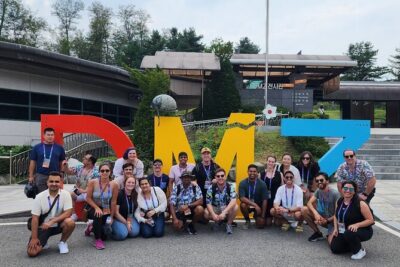
Best DMZ Tour Korea from Seoul (Red Suspension Bridge Optional)
Read our review →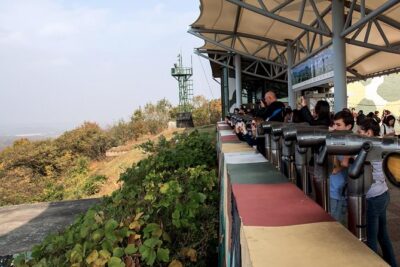
DMZ Tour: 3rd Tunnel, Option(Suspension Bridge, Boat) from Seoul
Read our review →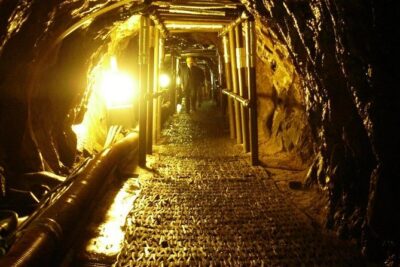
DMZ tour south Korea from Seoul (NK experience hall, defector)
Read our review →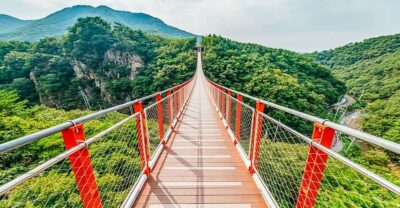
DMZ Insider Tour: 3rd Tunnel, NK Defector Meet & Red Bridge
Read our review →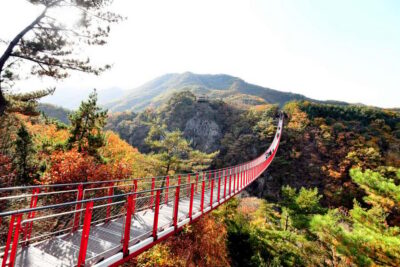

Signature DMZ Tour: Exclusive Defector Talk & Suspension Bridge
Read our review →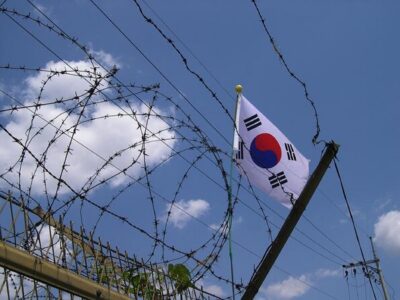
Thrilling Korean DMZ 3rd Tunnel Tour from Seoul + Red Bridge Rush
Read our review →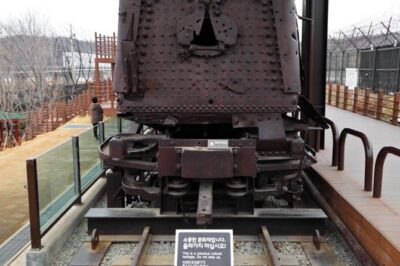
DMZ Past and Present: Korean Demilitarized Zone Tour from Seoul
Read our review →Browse the lists this tour appears in