
Reviewed · SEOUL TOURS
Seoul City Half Day Tour-Gyeongbok Palace Guard Changing Ceremony
The changing of the guard at Gwanghwamun Gate is the star here. Colorful uniforms, measured movements, drums, and the grand palace entrance make this a fine first look at Seoul’s royal past. The coach also helps you cover several central sights without wrestling with the city’s traffic and subway map.
I like the calm start at Jogyesa Temple, followed by Gyeongbokgung’s wide courtyards and palace roofs. Guides such as Kelly, Emily, Sunny, Ray, Gabby, and Yuna have earned strong praise for clear explanations and helpful photo advice. The main drawback is the final ginseng stop, which can feel more like a sales visit than a museum.
Key points to know before booking
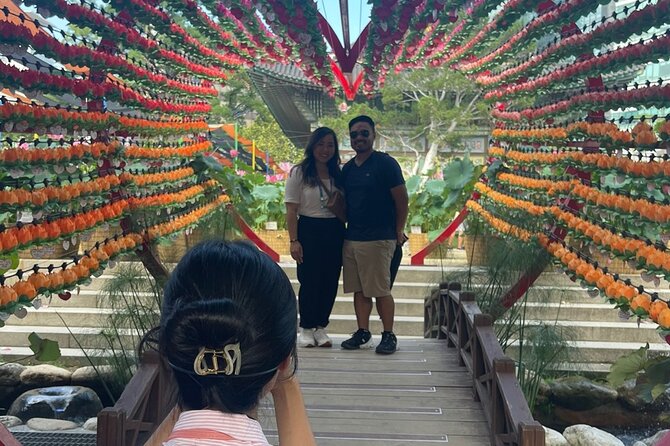
- See the guard ceremony from a good position: Guides often place the group near the front of the action at Gwanghwamun Gate.
- Cover several central sights in three hours: Jogyesa Temple, the Blue House area, Gyeongbokgung, and a cultural exhibit fit into one morning.
- Expect an English- or Chinese-speaking guide: The guide’s personality can shape the day, and past guides named Kelly, Emily, Sunny, Ray, Gabby, and Yuna were especially praised.
- Prepare for outdoor walking: Palace grounds offer little shade, so bring a hat in warm weather and dress for cold or snow in winter.
- Know the final stop is a shop: The ginseng center is presented as a museum visit, but some guests found the sales pitch pushy.
- Plan your afternoon: The tour ends near City Hall or Myeongdong, leaving you well placed for lunch and more sightseeing.
Why this three-hour tour works for a first morning in Seoul
Seoul can feel huge on arrival. Its royal palaces, Buddhist temples, government buildings, shopping streets, and modern towers sit within a large urban spread. This tour gives you a quick framework for the central city before you set off on your own.
At $38 per person, the value comes from the transport, guide, palace admission, and hotel pickup. You are not paying for a long, slow palace visit. You are paying for a guided introduction that links several sights and gets you back into the city by late morning.
The group may reach as many as 40 people, so do not expect a private tour. The vehicle is air-conditioned, and that matters in Seoul’s hot summers or cold winters. If the group is small, the day may feel more flexible. One small group even arranged a drop-off that suited its hotel area.
The tour has a rating of 4.6 from 357 ratings, with 92 percent recommending it. That points to a dependable introduction, but the mixed reaction to the ginseng stop is important. I would book this for the sights and guide, not for the shopping portion.
More Palace Tours in Seoul:
- Seoul: Gyeongbok Palace, Bukchon Village, and Gwangjang Tour
★ 4.9 · 2,321 reviews - Best Seoul City Tour (Gyeongbokgung Palace,Insadong,Namsan Tower)
★ 5.0 · 1,647 reviews - Small-Group Royal Palace and Seoul City Tour (hotel pick-up)
★ 5.0 · 1,474 reviews
Jogyesa Temple offers a quiet start
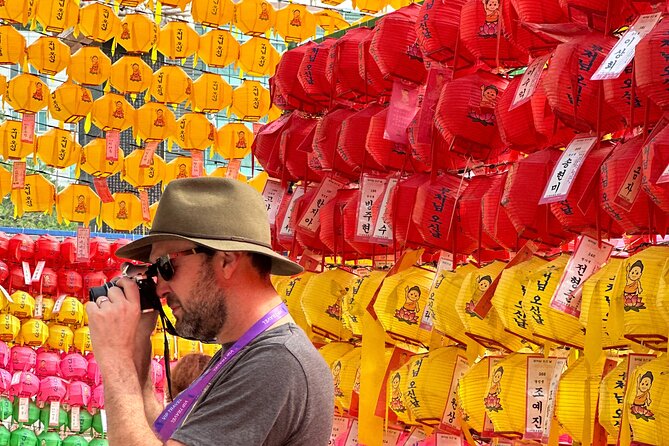
The first stop is Jogyesa Temple, one of the leading centers of Korean Buddhism. It sits downtown, yet the tree-lined approach gives you a short break from traffic and tall buildings.
You will see a seven-story pagoda and enter the main temple building to view a Buddha statue. The visit is scheduled for about 40 minutes, enough time to look around and hear why the temple matters without turning the morning into a long religious-site tour.
This stop suits you if you want cultural context before the palace. A guide can point out details that are easy to miss when you walk through alone, including the layout of the temple grounds and the role of Buddhism in Korea.
If temples are not high on your list, Jogyesa may feel like a modest stop compared with Gyeongbokgung. The visit is short, though, and it sets a useful contrast: first a living Buddhist site, then the formal court world of the Joseon Dynasty.
Cheongwadae Sarangchae explains modern Korea
The coach next takes you to Cheongwadae Sarangchae, an exhibition hall about Korea’s presidents, cultural traditions, and UNESCO World Heritage Sites. You have time to browse the displays and connect the country’s older royal past with its modern political story.
The tour also passes by Cheongwadae, better known as the Blue House, the Korean presidential residence. This is a drive-by rather than a full interior visit, so keep your expectations in check. It is useful as a landmark and photo opportunity, but it will not replace a dedicated presidential or political-history visit.
I like this part because it breaks up the palace focus. You get a small dose of contemporary Korea before returning to architecture from the Joseon period. For a first morning, that mix gives you more context than visiting a palace alone.
The timing here can vary with traffic and the group. If you are hoping for a long museum session, this is not that. Think of it as a compact orientation stop.
Gyeongbokgung Palace is the main event
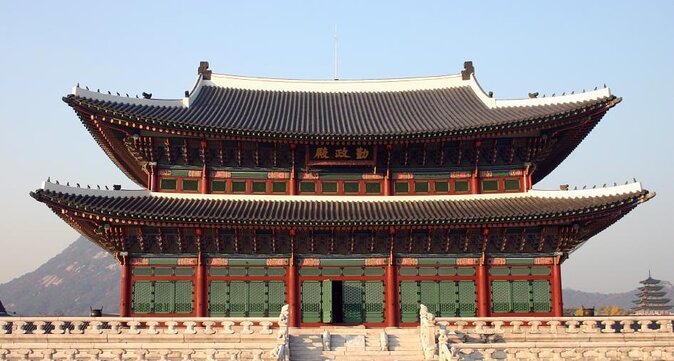
Gyeongbokgung was built in 1394 and served as the primary royal residence during the Joseon Dynasty. It is the largest of Seoul’s Five Grand Palaces, with broad courtyards, ornate gates, and formal buildings that make a strong visual impression even if you know little about Korean history.
The palace visit lasts about an hour. Your guide leads you through the compound and explains the purpose of the buildings and the royal setting. That guided structure helps you avoid wandering through a large site without knowing what you are seeing.
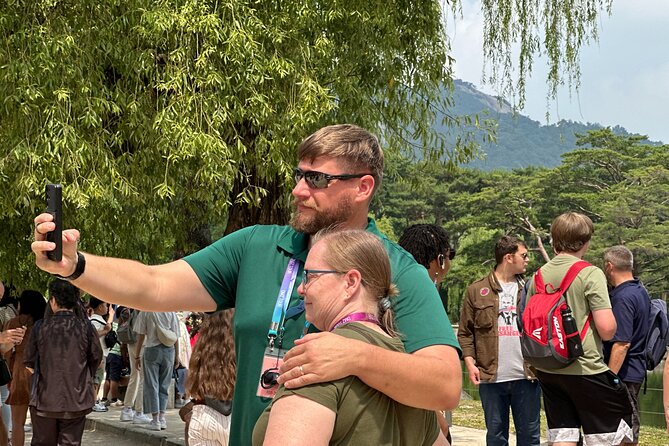
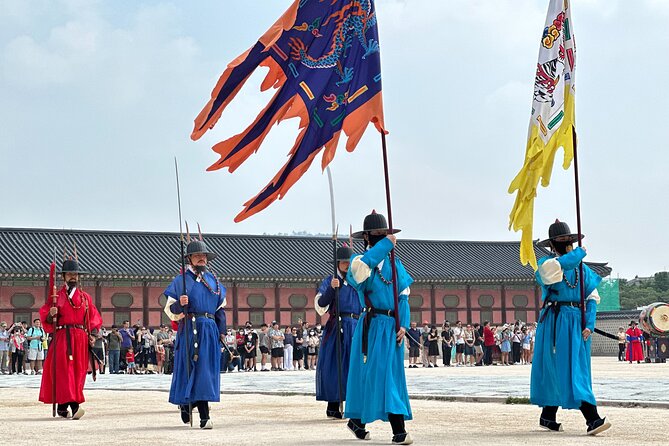
The most important moment comes at Gwanghwamun Gate, where the guard-changing ceremony takes place. The performance is carefully choreographed and full of color. A good guide can make a real difference here by getting the group into a useful viewing position. Ray was singled out for knowing the best places for views and photos, while another guide positioned the group in the front row for the ceremony.
Bring a hat in summer. The palace grounds involve outdoor walking, and one guest found the heat difficult in high summer. In winter, the same open courtyards can feel bitterly cold, especially if there is snow. Comfortable shoes are more important than dress shoes, and you should keep your phone ready before the ceremony begins.
The ceremony itself is not the same as a long historical reenactment. It is a short, formal display, so the experience depends partly on where you stand and how much explanation your guide provides. Still, it is one of the most photogenic sights on this morning route.
A few more Seoul trips worth comparing
- Full Day Tour In The Soop BTS Ver in PyeongChang Filming Location
★ 5.0 · 1,709 reviews - Seoul City Sightseeing Tour Including Gyeongbokgung Palace, N Seoul Tower, and Namsangol Hanok Village
★ 5.0 · 1,423 reviews - Seoul Street Food Market Tour
★ 5.0 · 1,226 reviews - Seoul: Gyeongbok Palace, Bukchon Village, and Gwangjang Tour
★ 5.0 · 1,044 reviews
The museum stop adds context, with one naming issue
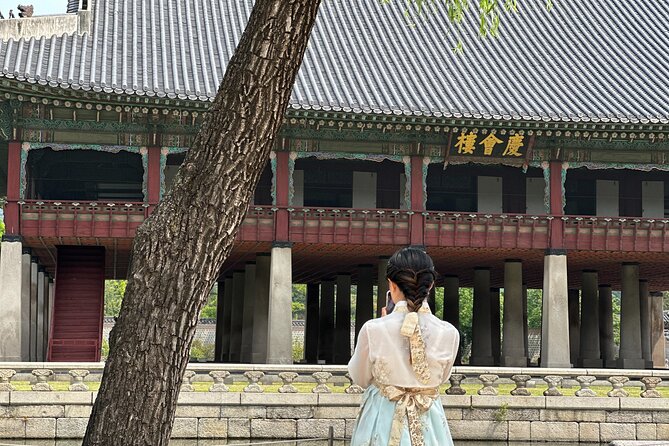
The schedule allows about 30 minutes for a palace or folk museum visit. The supplied details refer to the National Folk Museum of Korea and also describe the National Palace Museum of Korea, so the exact museum arrangement is not fully clear from the tour information.
That matters because the two museums offer different angles. The National Folk Museum focuses on Korean life and traditions, while the National Palace Museum centers more closely on royal objects and court culture. Ask your guide which museum is included on your date.
This stop is brief, but it can help explain what you have just seen at Gyeongbokgung. You may get more from it after the palace visit than before, since the buildings and ceremony give you a visual base for the displays.
Do not book this tour expecting hours inside a museum. The main experience remains the palace and guard ceremony. The museum is a compact supporting stop.
The ginseng visit is the clear weakness
The final stop is listed as a ginseng museum and shopping visit at Cheongha Korea Ginseng. In practice, you should expect a commercial shop with a short explanation of Korean ginseng followed by an opportunity to buy products.
Some people may enjoy learning about ginseng and browsing the goods. If you want to take home a Korean health product, this creates a convenient chance to look. But several guests found the sales presentation too forceful, with one describing it as being taken into a room for a hard sell.
That is the part of the tour I would change. It uses about 30 minutes that could instead go to the palace, a neighborhood walk, or a longer museum visit. You do not have to buy anything, but the setting may feel uncomfortable if you dislike organized shopping stops.
Go in prepared. Treat it as a retail visit, not as a normal museum. Once you know that, the surprise is less likely to sour an otherwise good morning.
The guide makes a large difference
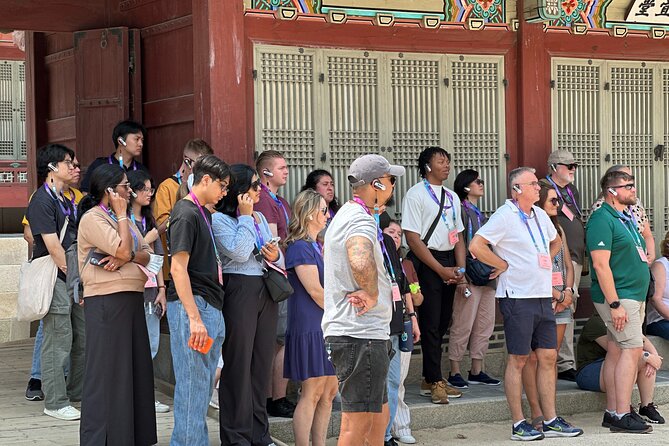
The route is set, but the human part is not. A friendly guide can turn short stops into useful lessons, while a rushed guide may leave you with little more than photographs.
The strongest guide names attached to this tour include Kelly, Emily, Sunny, Ray, Gabby, Yuna, Hana, Crystal, Jenny, and Henry. Kelly was praised for her history and calm manner. Emily was noted for explaining Korean history clearly. Sunny brought a cheerful style and even suggested restaurants around Insadong after the tour.
Ray was valued for answering questions and finding strong photo positions. Gabby was described as patient and kind, while Henry gave extra help to a guest whose wife had limited mobility. These details suggest that the guide team can be attentive, but you cannot request a particular guide based on the information provided.
The tour offers English or Chinese guidance. Confirmation arrives when you book, and most people can take part, though the route includes walking over palace grounds and temple paths.
Pickup, drop-off, and the shape of the morning
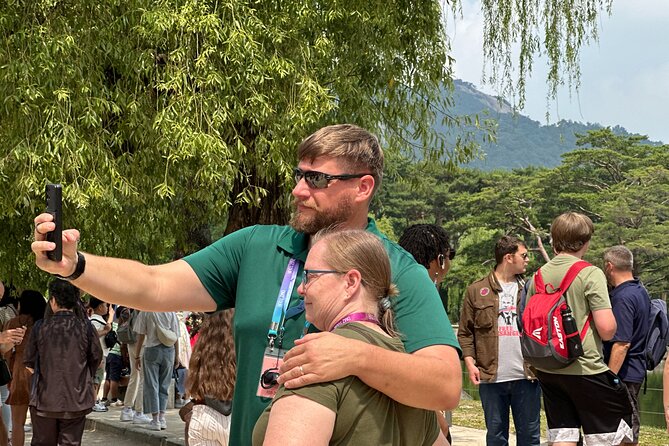
Hotel pickup is offered in Seoul, and the meeting point is listed at City Hall Station. The end point is Seoul City Hall, with the tour details also mentioning City Hall or Myeongdong for drop-off. The important practical point is that this is not a return-to-your-hotel service.
That ending works well. You can have lunch near City Hall, walk toward Insadong, continue to Myeongdong, or use the subway for the next part of your day. One guide helped guests choose a lunch spot around Insadong, which is a useful follow-on area after Jogyesa and the palace.
The coach saves time between sights, but Seoul traffic can affect the pace. A maximum group size of 40 means you should listen carefully for meeting instructions and stay close during transitions.
Pickup details can vary, so read the confirmation closely. One guest received pickup help even after arriving from the airport, and another was collected after getting lost near City Hall Station. That suggests the operator may help when problems arise, but you should still allow time to reach the meeting point.
Tuesday changes the palace plan
Gyeongbokgung Palace and the National Folk Museum are closed every Tuesday. The tour information gives two different Tuesday alternatives: one note says Deoksugung Palace, while another says Changdeok Palace and Bukchon Hanok Village.
Because of that conflict, confirm the exact Tuesday route before you book. You should not assume that you will see Gyeongbokgung or the guard ceremony on that day.
The replacement plan can still offer a good morning, but it is a different experience. Deoksugung is a traditional palace in a walled central compound, and the Seoul Museum of Art is also located on its grounds. The other listed option, Changdeok Palace with Bukchon Hanok Village, shifts the focus toward another royal site and a traditional neighborhood.
If the guard ceremony is your main reason for booking, choose a non-Tuesday date.
Weather, walking, and what to bring
This tour requires good weather and may be moved or refunded if poor conditions cause cancellation. Even when it runs, the season affects comfort.
In summer, bring a hat and prepare for sun across the palace courtyards. In winter, wear warm layers. A guest completed the tour during heavy snow and found it worthwhile, but cold conditions clearly changed the experience.
Wear shoes suitable for walking. You will move through a temple compound, palace grounds, museum areas, and the shopping stop. There is no lunch included, so plan to eat after the drop-off.
The tour ends with your afternoon open, which is one of its best practical features. You can recover from an early start, find a local meal, or continue exploring without being tied to a full-day schedule.
Who should book this Seoul morning tour
I would choose this tour if you have only a short stay, want a guided first look, or prefer a coach to several subway transfers. It works especially well on your first morning, when the city’s major historical names still need to be placed on the map.
It also suits families and older visitors who value transport between stops. The guide support can help with questions, timing, and finding a good view of the ceremony.
I would skip it if you want a slow palace visit, dislike group tours, or have no patience for shopping stops. Independent visitors can spend longer at Gyeongbokgung and choose their own museum and neighborhood route.
Should you book it?
Book this tour for Jogyesa Temple, Gyeongbokgung Palace, and the guard ceremony. At $38, the combination of coach transport, admission, hotel pickup, and a guide offers fair value for a three-hour introduction.
Just treat the ginseng center as a sales stop, not a museum, and confirm the Tuesday replacement route if that is your only available day. If you can accept those limits, this is a practical way to get your bearings, learn some Korean history, and leave the afternoon free for Seoul on your own terms.
FAQ
How long does the Seoul half-day tour last?
The tour lasts approximately three hours and takes place in the morning.
What sights are included?
The route includes Jogyesa Temple, Cheongwadae Sarangchae, a pass by the Blue House, Gyeongbokgung Palace, the guard-changing ceremony, a museum stop, and a ginseng shopping visit.
Is hotel pickup included?
Yes. Hotel pickup in Seoul is included. The listed meeting point is City Hall Station.
Where does the tour finish?
The tour ends near Seoul City Hall, with the details also listing City Hall or Myeongdong as drop-off areas. Hotel drop-off is not included.
Is the changing of the guard ceremony included?
Yes, the ceremony at Gwanghwamun Gate is included when Gyeongbokgung Palace is open.
What happens if I book for Tuesday?
Gyeongbokgung Palace and the National Folk Museum are closed on Tuesdays. The tour details list alternative visits, including Deoksugung Palace and, in another schedule note, Changdeok Palace with Bukchon Hanok Village. Confirm the exact route before booking.
Can I cancel for a full refund?
Yes. You can cancel at least 24 hours before the start time for a full refund. Cancellations or changes made within 24 hours are not refunded, and poor weather or an insufficient minimum group may lead to a different date or a full refund.
Newest Seoul trips on the site
- Seoul : Must-see & Hidden Gems Private Walking Tour★ 4.9 · 8 reviews
- Seoul: Lotte World Aquarium Ticket★ 4.5 · 10 reviews
- Seoul: Max Out Must Visit City Highlights Panoramic Day Tour★ 5.0 · 7 reviews
- Seoul: K-Fashion Shopping Tour with a Professional Stylist★ 5.0 · 5 reviews
- From Seoul: Korea Spring Cherry Blossom Day Tour★ 4.8 · 6 reviews
- Seoul: Guided Street Food Tour at Namdaemun Market★ 5.0 · 10 reviews
- Seoul: Jisan Forest Winter Ski Day Tour with Basic Lesson★ 4.4 · 6 reviews
- Jisan Forest Resort: Ski Full-Day Tour or Shuttle from Seoul★ 5.0 · 4 reviews
Seoul Tours, compared.
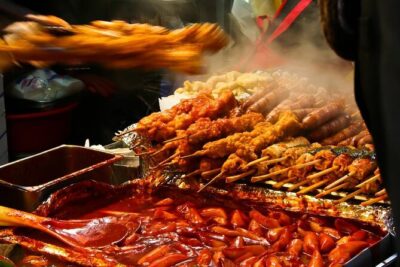
Gyeongbok Palace, Bukchon Village, and Gwangjang Tour
Read our review →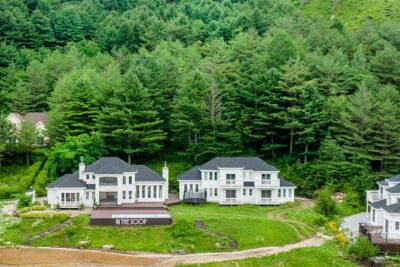
Full Day Tour In The Soop BTS Ver in PyeongChang Filming Location
Read our review →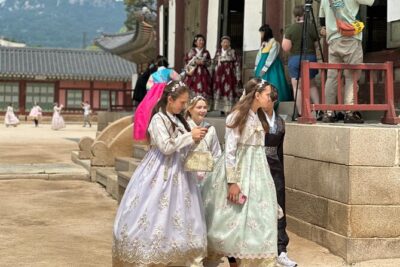
Best Seoul City Tour (Gyeongbokgung Palace,Insadong,Namsan Tower)
Read our review →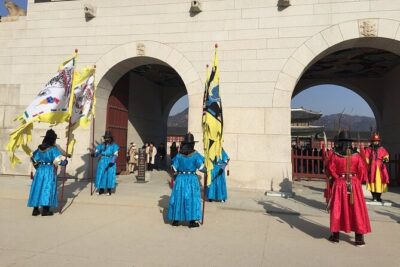
Small-Group Royal Palace and Seoul City Tour (hotel pick-up)
Read our review →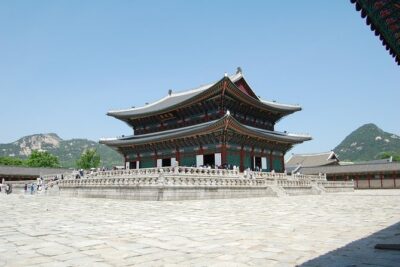
Seoul City Sightseeing Tour Including Gyeongbokgung Palace, N Seoul Tower, and Namsangol Hanok Village
Read our review →
Gyeongbok Palace, Bukchon Village, and Gwangjang Tour
Read our review →
Local Home Korean Cooking Class & Market Adventure in Seoul
Read our review →Browse the lists this tour appears in