
Reviewed · DMZ TOURS
South Korea Demilitarized Zone, DMZ Tour from Seoul
The most striking part of this DMZ tour from Seoul is the sudden shift from city streets to a heavily controlled border zone. At Dora Observatory, you may look across North Korea. In the Third Tunnel, you walk through a passage built for a possible invasion. These are not ordinary sightseeing stops.
I like the early start, since it helps you reach the main sites before the afternoon rush. I also like the $30 price, which covers transport, admission, and a guide without adding a shopping stop. The main drawback is the early pickup, often around 6:00 or 6:50 a.m., plus the chance that military orders, fog, or heavy snow will change the plan.
Key points to know before booking
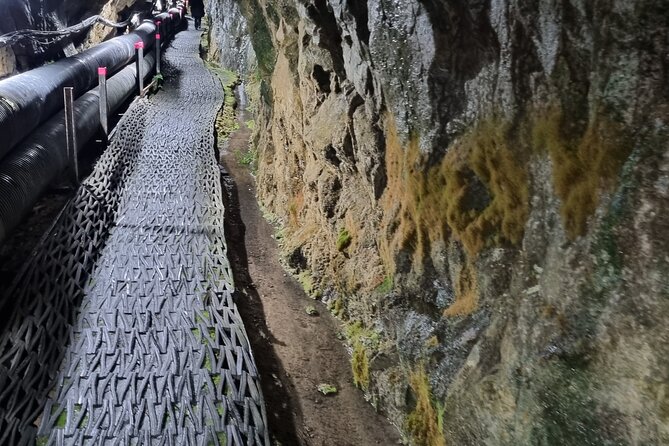
- The Third Tunnel is the physical challenge: Expect a downhill walk, low ceilings, and a steep climb back.
- Dora Observatory depends on conditions: Fog, military rules, or photography restrictions can limit your view.
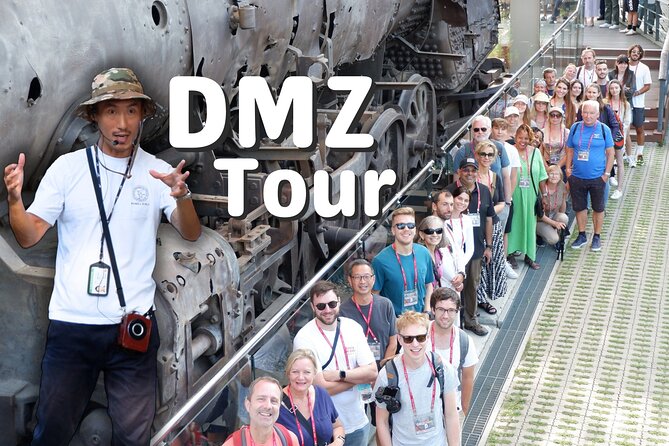
- Guides make the difference: Winnie, Kenny, Grace, Stella, and Thomas Bae are known for clear English, humor, and strong historical explanations.
- The early departure has a purpose: You are trying to beat crowds at sites with limited access.
- Bring your passport: Soldiers may check it before you enter the DMZ area.
- This is not a JSA tour: The Joint Security Area is not included.
Why the DMZ feels different from a normal day trip
The Korean Demilitarized Zone is not a theme park or a simple border viewpoint. It is a living military area shaped by the Korean War and the continuing division between North and South Korea. You will see exhibits, fences, lookout points, and controlled roads, but the most important part is understanding what those places mean.
The DMZ lies north of Seoul, and the trip usually takes much of the morning and early afternoon. The advertised duration is about seven and a half hours, though the exact return time depends on traffic, military access, and the order of the stops.
I would choose this tour if you want the major DMZ sights in one outing and prefer a guide to explain the politics and history along the way. It is especially useful if you have limited time in Seoul. You do not need to plan separate transport to each location, and admission fees are included.
The experience is not designed for a slow, flexible day. The schedule is tightly managed, and the group must move together. That structure is useful at a military-controlled site, but it can feel hurried if you want long photo stops or quiet time at each location.
A few more DMZ trips worth comparing
- Best DMZ Tour Korea from Seoul (Red Suspension Bridge Optional)
★ 5.0 · 41,422 reviews - DMZ Tour: 3rd Tunnel, Option(Suspension Bridge, Boat) from Seoul
★ 5.0 · 21,373 reviews - DMZ tour south Korea from Seoul (NK experience hall, defector)
★ 5.0 · 20,599 reviews
The early morning ride from Seoul
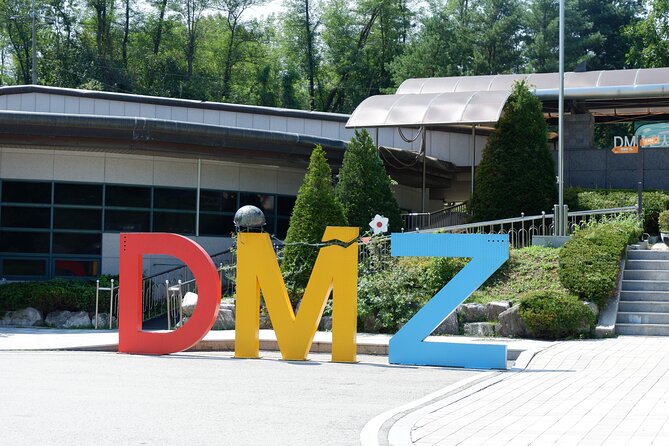
The day begins early. Pickup is arranged at a designated meeting point rather than at your hotel, so check your exact location carefully before the morning of the tour. Confirmation is provided when you book, and the operator may contact you with pickup details.
The vehicle is air-conditioned, a welcome feature because the tour involves a long ride and several outdoor stops. Guides often use the drive to explain the Korean War, the division between North and South Korea, and the current situation around the border.
This is one of the tour’s strongest features. Guides such as Kenny and Winnie are described as energetic, funny, and easy to understand in English. Grace is known for using videos and facts on a screen aboard the bus, while Thomas Bae brings a lively explanation of the war and present-day border situation.
That bus commentary matters. The sites themselves can be visually stark, and without background information you may see a tunnel or a lookout without grasping its importance. A good guide connects the physical place to the human cost of the division.
The group size can reach 500 people, so the actual vehicle and group may vary by departure. That is a major point to consider. A large operation can handle transport and military timing well, but it will not feel like a private tour.
Imjingak Park and Pyeonghoa-Nuri Park
The first main stop is Imjingak, about 7 kilometers from the Military Demarcation Line. Imjingak was built in 1972 as a place connected with the hope of Korean reunification, and it has become one of the main public sites for learning about the war and the divided peninsula.
You get about an hour here, including time around Pyeonghoa-Nuri Park. The area gives you room to begin the day at a slower pace before entering more restricted territory. It is also a useful place to think about the difference between ordinary life in South Korea and the military reality farther north.
Some departures have included a suspension bridge or an optional gondola ride near this part of the route, but these additions are not guaranteed in the stated itinerary. Treat them as possible changes rather than promised inclusions.
Imjingak can also have refreshments and souvenirs. Bring a small snack and drink anyway, especially if you prefer not to spend time buying food at each stop. Lunch is not included, and this is a morning-to-afternoon outing.
The military checkpoint and DMZ exhibition
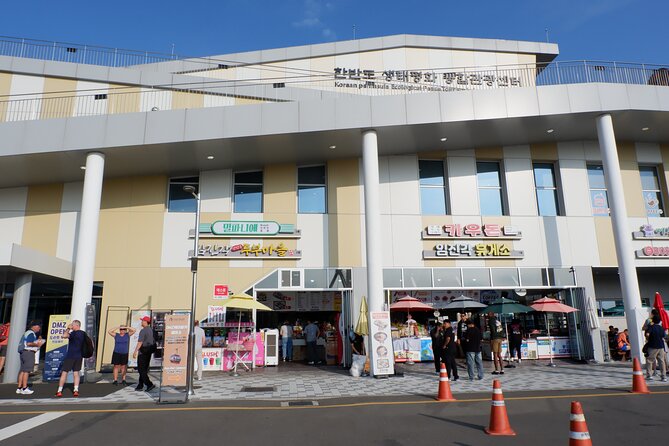
Before entering the controlled DMZ area, soldiers may check your passport. You must bring a current, valid passport on the day of the tour. A photo or copy is not described as an acceptable substitute, so do not leave the original in your hotel.
The DMZ section includes an exhibition hall with a short video and displays explaining the division of Korea and the painful history behind it. The visit is listed at about 30 minutes, so it is a compact introduction rather than a full museum visit.
This stop is useful because it gives context before the tunnel and observatory. You will likely understand the later stops better after seeing how the conflict is presented through maps, photographs, and historical material.
The military nature of the area also means the itinerary is never completely fixed. Access can change because of training, official visits, government orders, weather, strikes, road conditions, or other security concerns. Photography rules can change too. At times, you may not be allowed to photograph North Korea from the observatory.
That uncertainty is part of visiting a real border zone. It is also the tour’s biggest limitation. The operator may substitute an alternative route, such as Imjingak Park, Art Space BEAT 131, Odusan Unification Observatory, the War Memorial of Korea, and drop-off near City Hall or Myeongdong. If a change results from military conditions beyond the operator’s control, a refund is not guaranteed.
Same base, a completely different sort of day:
- DMZ Insider Tour: 3rd Tunnel, NK Defector Meet & Red Bridge
★ 4.9 · 15,214 reviews - Seoul: DMZ Tour with Optional Suspension Bridge
★ 4.8 · 5,277 reviews - Signature DMZ Tour: Exclusive Defector Talk & Suspension Bridge
★ 5.0 · 4,459 reviews - Thrilling Korean DMZ 3rd Tunnel Tour from Seoul + Red Bridge Rush
★ 5.0 · 3,097 reviews
Walking through the Third Tunnel
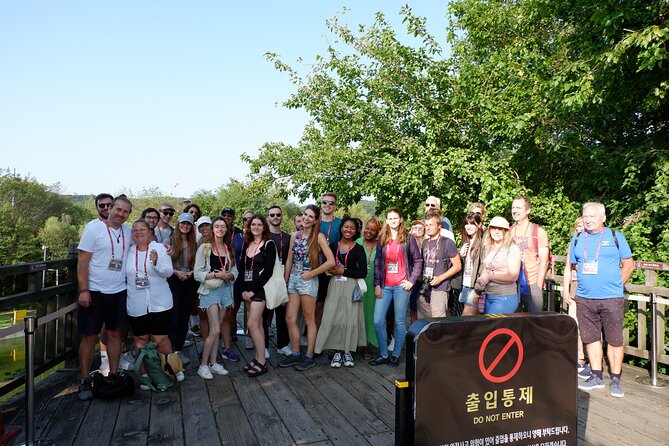
The Third Tunnel is the tour’s most memorable physical stop for many people. South Korea discovered it in 1978. It measures about 1,635 meters long, 2 meters wide, and 2 meters high, and lies about 52 kilometers from Seoul.
The tunnel was built underground and is associated with a possible North Korean invasion route. You walk down into it and then make the return climb. The low ceiling means many people must crouch, especially anyone taller than about 5 feet 5 inches.
This is where footwear matters. Wear sturdy walking shoes, not flip-flops, slippers, or heels. A hard hat is provided, and you will be glad to have it. The walk down may feel manageable, but the uphill return can be strenuous.
The tour requires a moderate level of physical fitness. The tunnel may not suit you if you have trouble with steep slopes, crouching, or extended walking. The guide may keep the group moving, so this is not a place to take frequent long breaks.
Still, the tunnel gives the day a physical edge that a museum cannot. You are not simply hearing that the border was fortified. You are walking through a structure created for military use, beneath the ground, in a narrow space.
Looking north from Dora Observatory
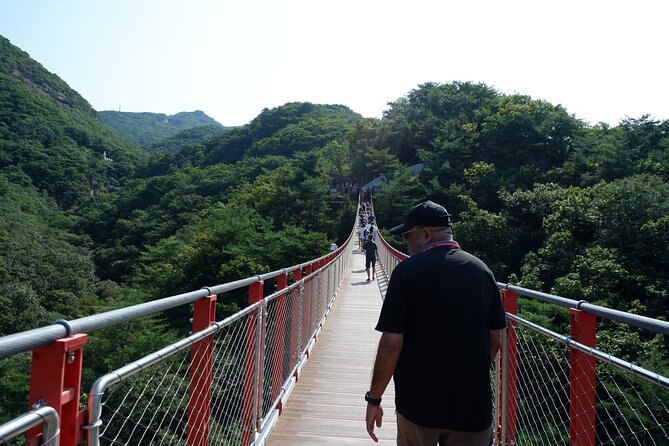
Dora Observatory provides the tour’s clearest look toward North Korea. From here, you may see Gaeseong, Songaksan, the Kim Il-Sung statue, and the Cooperation Farm at Geumamgol, depending on weather and visibility.
The stop lasts about 30 minutes. That is enough time to look across the border, listen to the guide, and take photographs if current rules allow them. Do not assume that the same photography policy applies every day. Military restrictions can change with little warning.
Fog is another issue. On a clear day, the view may be the emotional high point of the tour. In dense fog, you may see very little. The operator lists poor weather as a reason a tour may be canceled or altered, but ordinary cloud or haze can still reduce what you see.
The observatory also involves an uphill walk. It is not as demanding as the Third Tunnel, but you should still wear proper shoes and pace yourself.
I like this stop because it turns an abstract political division into a visible one. At the same time, you should not book the tour only for a perfect North Korean view. The border experience includes uncertainty, and the educational value remains even when the weather does not cooperate.
What the guides add to the day
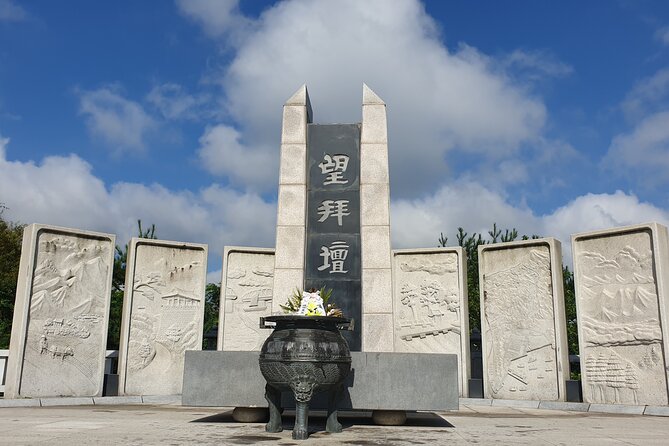
The guide can shape the whole experience. Winnie is repeatedly described as warm, organized, funny, and especially good at making complicated history easy to follow. Kenny is praised for his relaxed style, strong English, humor, and detailed explanations during the drive.
Grace brings energy to the tour and may use videos and facts on the bus screen. Stella is noted for making alternative arrangements and continuing the historical explanation when military limits affected the planned route. Thomas Bae is described as enthusiastic, kind, and clear.
Those names are useful because the operator may assign different guides from one departure to another. You cannot necessarily request a particular person, but the guide roster includes several people who can make the long ride and tightly timed stops much more enjoyable.
The best guides do more than recite dates. They explain how the Korean War affected families, why the border still matters, and how the military controls access today. That turns the tour from a checklist into a lesson with real human weight.
Is $30 good value for a DMZ tour?
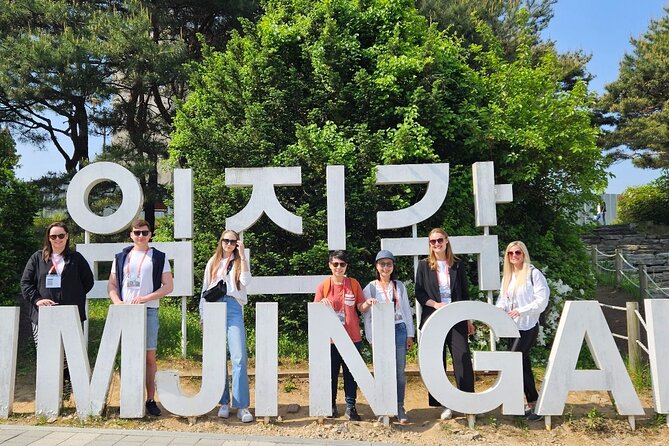
At $30 per person, this is a strong value if the full route operates. The price includes air-conditioned transport, admission fees, and a professional guide. You also avoid arranging separate transport to remote sites, which can be difficult and time-consuming.
The price does not include hotel pickup, lunch, travel insurance, or a visit to the JSA. You need to reach your assigned meeting point, and you should budget for food if you want a proper meal rather than a quick snack.
The low price also reflects the group-tour format. You will not have the flexibility of a private car, and the maximum advertised capacity is large. If saving money and seeing the main sights matter most, this is sensible. If you want a slow pace or highly personal service, pay more for a smaller tour.
There is no obligatory shopping-center stop, which improves the value. You spend the available time on DMZ-related places rather than being steered toward commercial stops.
Practical advice for a smoother day
Bring your passport, water, a snack, and shoes with good grip. Dress for walking and changing weather, since parts of the day take place outdoors.
Arrive early at the meeting point. The tour can start around 6:00 or 6:50 a.m., and late arrival may be difficult once the vehicle leaves. Check messages from the operator the day before.
Keep your schedule flexible after the tour. Traffic, roadworks, weather, or military decisions can change the return time. Do not book a tight airport transfer or an important appointment immediately afterward.
Photography is not guaranteed at every viewpoint. Listen to military instructions, even if you see other people using cameras. If the view is restricted, the guide may provide previously taken images of the scenery, but that does not replace seeing it yourself.
You can cancel for a full refund up to 24 hours before the start time. Changes made less than 24 hours ahead are not accepted, and late cancellations are not refunded. If bad weather or an unmet minimum causes cancellation, you are offered another date or experience, or a full refund.
Who should book this DMZ experience?
I would recommend it to first-time visitors to Seoul who want a clear introduction to the Korean War and the divided peninsula. It also suits history fans, families with older children, and anyone short on time who wants the main sites in one day.
The tour can work for a wide age range, but the Third Tunnel is the deciding factor. One reported group included people from age 8 to 70, with the guide helping different ages manage the day. Even so, the tunnel demands crouching and uphill walking.
I would hesitate if you dislike early mornings, group schedules, military restrictions, or uncertain views. I would also choose another option if the JSA is your main goal, since it is specifically excluded here.
Should you book it?
Book this tour if you want a low-cost, well-organized route to Imjingak, the Third Tunnel, Dora Observatory, and the DMZ exhibition. The early start, included admissions, air-conditioned transport, and strong guide lineup make it a practical choice.
Go in expecting a serious history lesson, not a relaxed sightseeing trip. Bring your passport, wear sensible shoes, accept that the military controls the schedule, and leave room for changes. With those expectations, this is a worthwhile way to understand one of the world’s most closely watched borders.
FAQ
How long does the DMZ tour from Seoul last?
The tour lasts approximately 7 hours and 30 minutes. Actual timing can change because of traffic, weather, road conditions, and military access.
What sites are included?
The stated route includes Imjingak Pyeonghoa-Nuri Park, a DMZ exhibition area, the Third Tunnel, and Dora Observatory. Some departures may have route changes because the DMZ is controlled by the military.
Is the Joint Security Area included?
No. A visit to the Joint Security Area, or JSA, is not included.
Do I need my passport?
Yes. A current, valid passport is required on the day of the tour, and soldiers may check it before you enter the DMZ area.
Is the tour physically demanding?
You need a moderate level of physical fitness. The Third Tunnel includes a downhill walk, low ceilings that require crouching, and a fairly strenuous uphill return. Dora Observatory also involves an uphill walk.
What does the $30 price include?
The price includes an air-conditioned vehicle, transportation, admission fees, and a professional guide. Hotel pickup and drop-off, lunch, travel insurance, and the JSA visit are not included.
Newest DMZ trips on the site
- Seoul: DMZ & Live Talk with North Korean Defector★ 4.9 · 50 reviews
- Seoul: DMZ Tour with Japanese-Speaking Guide★ 5.0 · 28 reviews
- Seoul: DMZ 2nd Tunnel and Suspension Bridge Tour★ 4.8 · 56 reviews
- Seoul: DMZ, 3rd Tunnel, Odusan or Suspension Private Tour★ 5.0 · 4 reviews
- Seoul: Closest DMZ Observatory with North Korea View (1.4km)★ 4.9 · 10 reviews
- From Seoul: Private DMZ and Odusan Observatory Full-Day Tour★ 4.9 · 34 reviews
- Private DMZ SPY Tour from Incheon Airport★ 4.6 · 7 reviews
- From Seoul: DMZ Tour and North Korea Experience Hall★ 4.7 · 34 reviews
DMZ Tours, compared.
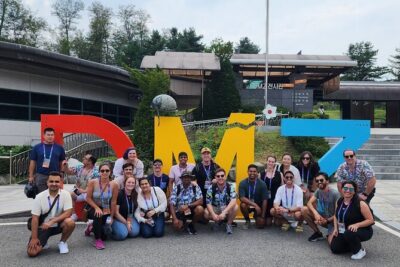
Best DMZ Tour Korea from Seoul (Red Suspension Bridge Optional)
Read our review →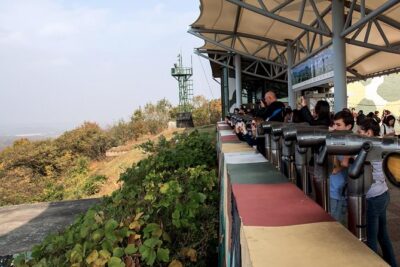
DMZ Tour: 3rd Tunnel, Option(Suspension Bridge, Boat) from Seoul
Read our review →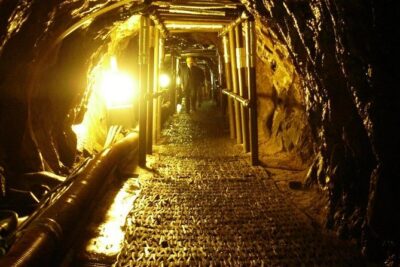
DMZ tour south Korea from Seoul (NK experience hall, defector)
Read our review →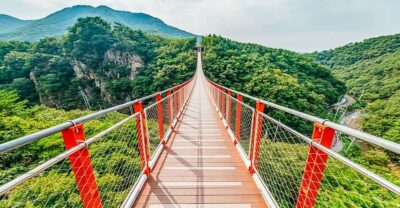
DMZ Insider Tour: 3rd Tunnel, NK Defector Meet & Red Bridge
Read our review →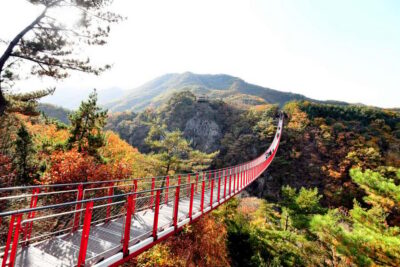

Signature DMZ Tour: Exclusive Defector Talk & Suspension Bridge
Read our review →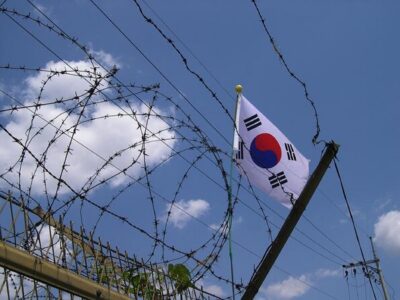
Thrilling Korean DMZ 3rd Tunnel Tour from Seoul + Red Bridge Rush
Read our review →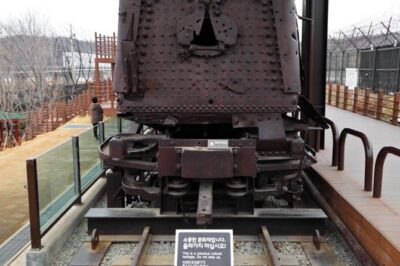
DMZ Past and Present: Korean Demilitarized Zone Tour from Seoul
Read our review →Browse the lists this tour appears in