
Reviewed · SEOUL TOURS
You’re Invited to Our Home in Seoul: The Only Cooking Class!
The most memorable part of this Seoul cooking class is the setting: you are welcomed into a real Korean home, not a restaurant or a classroom. David and Hanna guide a small group of no more than four people through jeon, stew, tea, and dessert while the Han River and downtown skyline fill the view.
I like the personal scale and the practical cultural exchange. You can ask David about food, buses, sightseeing, and daily life, then leave with recipes you can actually use. I also like the care given to dietary needs, including shellfish allergies, vegetarian food, vegan requests, and lower spice levels. The main consideration is that this is a home visit, so it is not suitable for wheelchair users and may feel less polished than a professional cooking studio.
Key points to know before booking
- A genuine home setting: Cook and eat with David and Hanna in their Seoul residence, with views toward the Han River and downtown.
- A small group of four: The intimate format gives you more time for questions and hands-on help.
- Jeon takes center stage: Make several Korean pancakes, from scallion and zucchini to beef, tofu, seafood, or mushroom versions.
- More than a meal: Hear about Korean customs, everyday life, food traditions, and useful places to visit in Seoul.
- Dietary adjustments are available: Tell the hosts in advance about allergies, vegetarian or vegan needs, or a dislike of spicy food.
- A river walk comes afterward: You can add a free one-hour walk around the local area and Han River.
Why a Seoul home kitchen beats another restaurant meal
Seoul has no shortage of restaurants, food markets, and cooking studios. What you get here is different: a look at how food connects with family life. The hosts invite you into their own home, cook beside you, and sit down to eat with you afterward.
That makes the experience feel personal from the start. You are not simply shown how to prepare a dish and sent away with a plate. You can ask David about Korea, travel around Seoul, and local foods to try later. One participant also received help finding the bus after the class, which tells you something useful about the tone of the experience: practical help is part of the welcome.
The group limit matters. With only four participants, you should have room to work at the counter, ask questions, and get direct guidance rather than waiting behind a large class. It also means the social side is stronger. You might cook with a couple, a family member, or two other visitors, then share the meal around a home table.
The tradeoff is simple. A private home is intimate, but it does not offer the predictable layout of a commercial studio. You should arrive ready to remove yourself from a formal tour mindset and take part in a household experience.
More Cooking Classes in Seoul:
- Local Home Korean Cooking Class & Market Adventure in Seoul
★ 5.0 · 1,024 reviews - Master Korean traditional cooking with a Kimchi chef
★ 5.0 · 385 reviews - Seoul: Korean Cooking Class at a Local Home and Market Tour
★ 5.0 · 348 reviews
Starting with tea, conversation, and Han River views
The class begins with Korean traditional tea, snacks, and a chance to settle in. Water is included, and tea remains available during the cooking session. This is a good opening because it gives you time to meet David and Hanna before handling ingredients.
The view is a major part of the setting. From the home, you can look toward the Han River and Seoul’s downtown skyline. The city view gives the class a pleasant sense of place, especially if this is your first visit to Seoul and you want more than an indoor activity.
You receive an apron and use the provided utensils and equipment. Comfortable shoes are a sensible choice, since cooking involves standing and moving around the kitchen. A camera is welcome, and a DSLR photography session is included, with photos provided afterward.
The photography is a nice extra for people who want a record of the visit. Still, I would treat it as a bonus rather than the main reason to book. The heart of the experience is the shared cooking and conversation.
Making assorted jeon from scratch
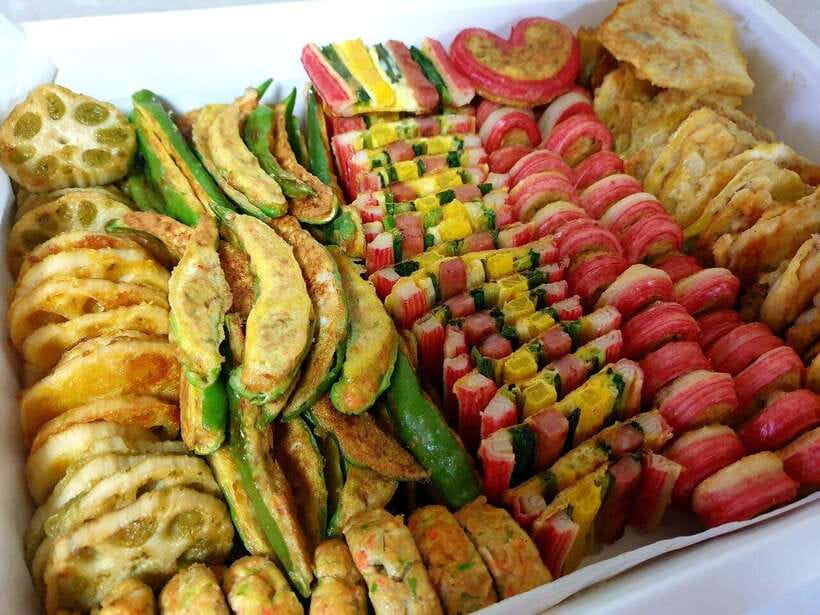
Jeon is often translated as Korean pancake, but that label does not fully explain the range of food involved. Jeon can be made with meat, vegetables, seafood, tofu, mushrooms, or ingredients arranged on skewers, then coated and pan-fried.
Here, you may prepare several kinds:
- Donggeurangttaeng, a meatball pancake
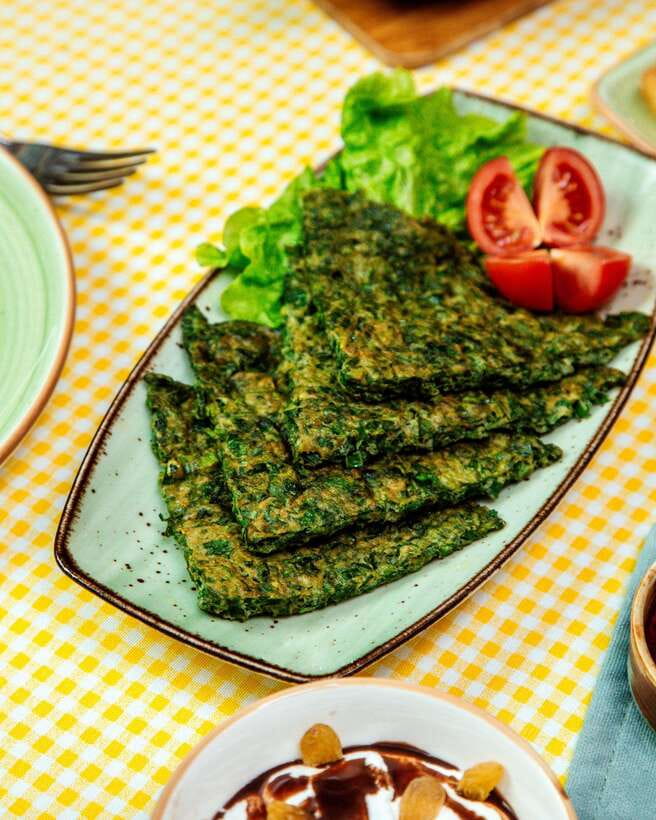
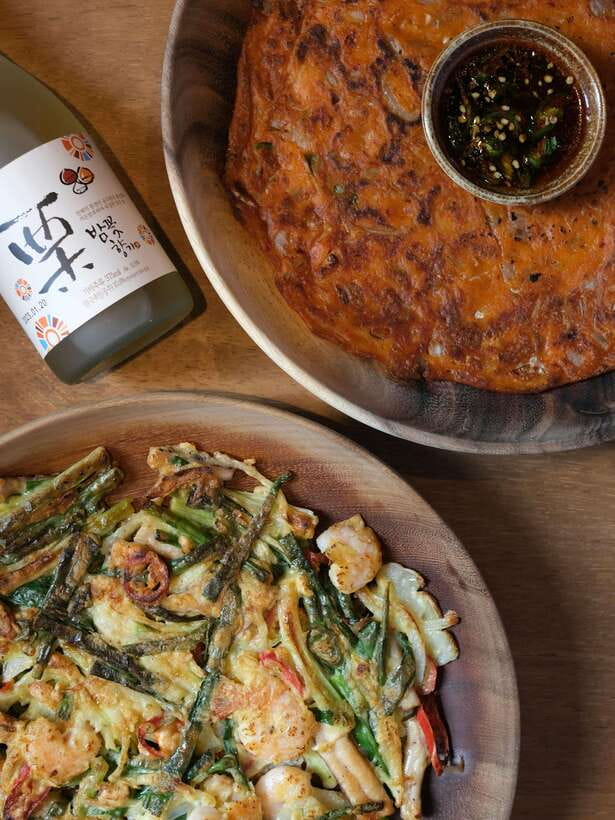
- Pajeon, made with scallions
- Hobakjeon, made with zucchini
- Beoseotjeon, made with mushrooms
- Dubujeon, made with tofu
- Yukjeon, made with beef
- Kkochi-jeon, made on skewers
- Haemuljeon, made with seafood
The exact selection depends on ingredient availability that day. That is worth knowing before you book. You should expect a varied assortment rather than a fixed promise of every item on the list.
The hands-on work is the best part for anyone who likes to understand how food is made. You learn to handle different ingredients, shape the pieces, and pan-fry them with care. Jeon is not fast food. The texture depends on timing, heat, and attention, so the class gives you a useful lesson in patience as well as technique.
The hosts also explain how jeon has been connected with royal banquets, ancestral rituals, holidays, and family celebrations. That context helps you see why these small pancakes matter. They are not simply side dishes. Families often prepare them together for important occasions, making the cooking part of the gathering.
I like that the history is tied to something you are doing with your own hands. You do not just hear about Korean tradition in a lecture. You prepare food associated with celebration, then sit down and eat it.
Adding doenjang-jjigae and seasonal banchan
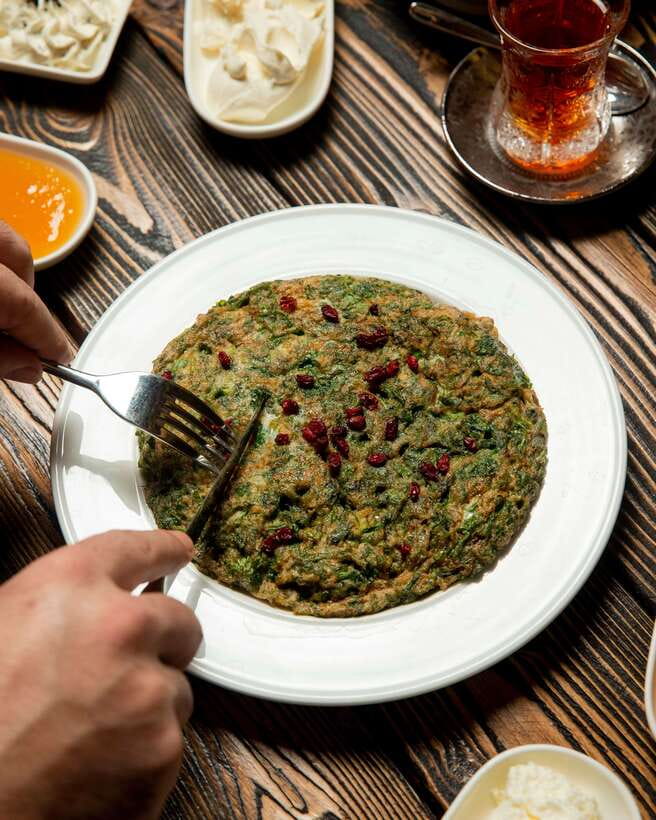
The meal includes doenjang-jjigae, a Korean soybean paste stew, along with three main dishes and seasonal banchan. Banchan are the small side dishes that help make a Korean meal feel varied and complete.
The stew gives the meal a different texture and flavor from the crisp jeon. The pancakes are cooked individually, while the jjigae provides a warm, savory center for the table. Seasonal banchan add more variety, though the exact side dishes are not fixed in advance.
The meal is presented as a full-course Korean home meal rather than a single recipe tasting. That makes the class more useful if you want to understand how several dishes work together. You get to compare the crisp, pan-fried jeon with stew, side dishes, tea, and sweets.
One important point: menu details can change. An earlier class meal included gimbap and octopus ramen, but the current advertised menu centers on assorted jeon, doenjang-jjigae, seasonal banchan, tea, sikhye, and hotteok. Think of the experience as a seasonal home meal with a strong focus on jeon, not as a rigid restaurant menu.
More Workshops in Seoul:
- Korean Cooking Class with Grocery Shopping at Seoul Local Market
★ 5.0 · 107 reviews - Royal Seoul Cooking Class in a 100-Year-Old Hanok
★ 5.0 · 81 reviews - Seoul : Taste of Korea, Authentic Home-Style Cooking Class
★ 5.0 · 64 reviews - K-pop Dance Class in Seoul (Incl. video shooting & editing)
★ 5.0 · 52 reviews
Sikhye, hotteok, and a slower finish
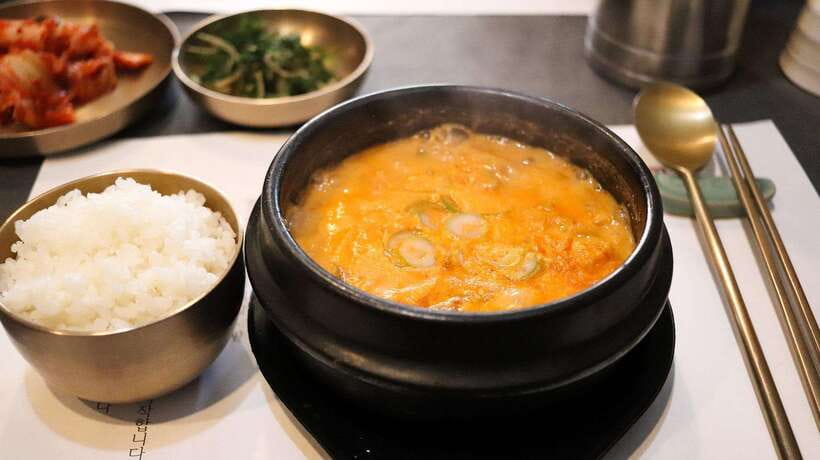
Dessert comes in two Korean forms. Sikhye is a sweet rice punch traditionally served chilled, while hotteok is a sweet Korean pancake. Together, they give you a pleasant contrast to the savory dishes.
Sikhye is especially useful for first-time visitors because it introduces a traditional drink that you may not encounter at every restaurant. Hotteok will feel more familiar as a sweet, pan-cooked treat, but eating it as part of a home meal gives it a different setting from buying one as street food.
Traditional tea is served throughout the experience, and Korean snacks are also available. This creates a slower finish instead of a quick final bite followed by an immediate departure. You have time to keep talking, ask questions, and compare the dishes you made.
The food is one of the most praised parts of the experience, but I would set realistic expectations. This is a two-hour class, so the focus is on participation and shared dining, not on mastering every major Korean recipe. The recipes you receive afterward let you continue the work at home.
The cultural exchange with David and Hanna

The class works best if you come with questions. You can ask about Korean food traditions, local customs, travel plans, and everyday life. David has also offered personal recommendations for places to visit and foods to try, which can be useful when you still have time left in Seoul.
Hanna is part of the warm welcome, and the hosts may include family in the activity. That family connection is one reason the experience feels less like a standard food lesson and more like an invitation into local life.
You should not expect a scripted sightseeing talk. The value is in the informal conversation that happens while chopping, mixing, frying, and eating. If you are curious about how Koreans cook at home, what people eat during holidays, or how to get around after the class, this format gives you a natural chance to ask.
The language support is English and Korean. If you need detailed instructions, tell the hosts what helps you most. The small group makes it easier to follow along, but cooking terms and food names can still be unfamiliar.
Dietary needs and menu changes

The hosts can adjust the menu for vegan, vegetarian, allergy-related, or other dietary needs. They can also reduce spice or modify dishes for people who do not handle spicy food well.
You need to tell them in advance. Do not wait until you arrive, especially if you have a serious allergy. One participant with a shellfish allergy found the advance adjustment reassuring, and that is an important benefit for anyone who has been cautious about trying Korean cuisine.
The menu can change according to ingredient availability, so ask clearly about the dishes planned for your date. If you avoid pork, spicy food, shellfish, or animal products, give the hosts a complete list rather than assuming a general request will cover everything.
This is not a guarantee that every preference can be met in every circumstance. Still, the willingness to adjust the food makes this a more practical choice than a fixed cooking class for many people.
The optional Han River walk after lunch

After the meal, you can join a free one-hour walk through the local area and along the Han River. It is optional, so you can leave after the class if you are tired or have another appointment.
I like this addition because it connects the home experience with Seoul outside the kitchen. You have just discussed Korean life and food, then get a chance to see part of the city with local guidance. The river is also a fine place to slow down after a busy morning of sightseeing.
Do not treat the walk as a separate major sightseeing tour. It is an informal add-on, and the details may depend on the day and the group. Its value is in helping you get your bearings and continue the conversation.
Transportation to and from the home is not included. Plan your route carefully and allow time to find the meeting point. David has helped participants with bus directions after the class, but you are still responsible for getting there and arranging your return.
Is $110 a fair price?
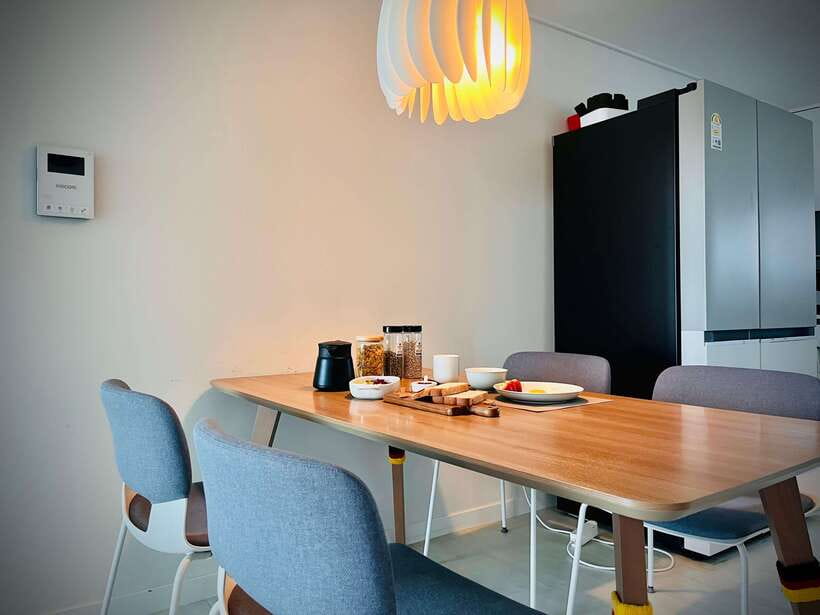
At $110 per person, this is not the cheapest way to eat Korean food in Seoul. You can find a much less expensive meal at a restaurant or market stall. The price makes more sense when you count what is included: a two-hour private-home setting, a small group, ingredients, equipment, apron, a full meal, banchan, desserts, tea, recipes, photography, and the optional local walk.
You are also paying for access to a home and for direct time with the hosts. That is the part you cannot easily reproduce by ordering jeon at a restaurant. If you value personal conversation and want a local food lesson rather than just a meal, the price is reasonable.
For a solo visitor, couple, or small family, the four-person limit may justify the cost. If your main goal is simply to eat as cheaply as possible, I would spend the money elsewhere. The value is strongest for people who want context, participation, and a personal introduction to Korean home cooking.
The free cancellation period is up to 24 hours before the activity, and you can reserve now and pay later. Those terms make it easier to fit the class into a changing Seoul schedule.
Who should book this cooking class?
I would recommend it most strongly to:
- First-time visitors who want a personal introduction to Korean food and customs
- Couples and small families who prefer a home setting
- People who enjoy cooking with others rather than watching a demonstration
- Visitors with dietary restrictions who need menu changes arranged in advance
- Anyone who wants practical Seoul recommendations from local hosts
- People who like adding a relaxed walk to a food experience
I would think twice if you need wheelchair access, dislike standing in a home kitchen, or want a formal studio with a fixed menu. You should also avoid bringing pets or planning to smoke, since both are not allowed.
My verdict: book it for the welcome, not just the pancakes
I would book this class if I wanted one Seoul activity that combined food, conversation, and a view of the city. The jeon is the hook, but the real value comes from cooking with David and Hanna, learning how food fits into Korean family traditions, and getting practical advice for the rest of your visit.
The experience is particularly strong for anyone who feels nervous about Korean food or has dietary concerns. Advance menu changes, a small group, and direct guidance make the meal feel manageable.
Book it if you want a friendly home visit and are happy with a flexible seasonal menu. Skip it if you only want a low-cost meal or a highly structured culinary school lesson. For the right person, this is a memorable way to experience Seoul through an actual kitchen, not just a restaurant table.
FAQ
How long does the Korean home cooking class last?
The cooking class lasts two hours. An optional one-hour walk through the local area and along the Han River can follow the meal.
What food will I prepare?
The menu includes assorted jeon, doenjang-jjigae, seasonal banchan, traditional Korean tea, sikhye, and hotteok. The exact jeon selection may change depending on ingredient availability.
Can the menu accommodate allergies or vegetarian food?
Yes. The hosts can adjust the menu for vegan, vegetarian, allergy-related, and other dietary needs. Tell them in advance, and mention if you need less spice or no spicy food.
How many people are in the class?
The experience is limited to four participants, making it a small-group cooking class with personalized guidance.
Is transportation included?
No. Transportation to and from the Korean home is not included. The optional local area and Han River walk is included at no extra cost.
Is the class wheelchair accessible?
No. The experience is not suitable for wheelchair users. Pets and smoking are also not allowed.
Newest Seoul trips on the site
- From Seoul: Yongpyong Ski Day Tour with Transportation★ 4.9 · 40 reviews
- Your Personal Seoul Photographer!★ 4.1 · 15 reviews
- Seoul: Korean & English Language Exchange Global Party★ 5.0 · 28 reviews
- Unique Native Experience : Han River Picnic, Board game, BBQ★ 5.0 · 3 reviews
- From Seoul: Hwacheon Ice Fishing and Lighting Festival Tour★ 4.5 · 4 reviews
- Seoul: Gangneung BTS K-Pop & K-Drama Filming Locations Tour★ 4.6 · 14 reviews
- Seoulland & Seoul Zoo Discount Ticket(서울랜드+동물원 패키지 *외국인전용)★ 3.5 · 3 reviews
- Seoul Private RV tour, explore real Korea from Past to Future★ 5.0 · 5 reviews
Seoul Tours, compared.
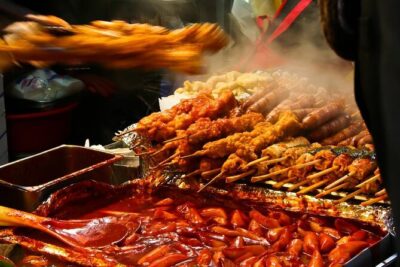
Gyeongbok Palace, Bukchon Village, and Gwangjang Tour
Read our review →
Full Day Tour In The Soop BTS Ver in PyeongChang Filming Location
Read our review →
Best Seoul City Tour (Gyeongbokgung Palace,Insadong,Namsan Tower)
Read our review →
Small-Group Royal Palace and Seoul City Tour (hotel pick-up)
Read our review →
Seoul City Sightseeing Tour Including Gyeongbokgung Palace, N Seoul Tower, and Namsangol Hanok Village
Read our review →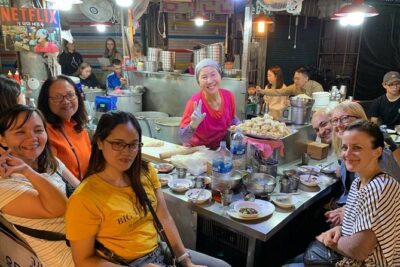
Gyeongbok Palace, Bukchon Village, and Gwangjang Tour
Read our review →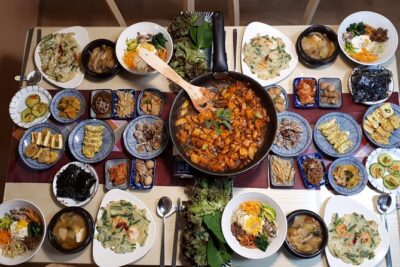
Local Home Korean Cooking Class & Market Adventure in Seoul
Read our review →Browse the lists this tour appears in