
Reviewed · DMZ TOURS
Closest Observatory to DMZ: North Korea View(Starbucks Tour)
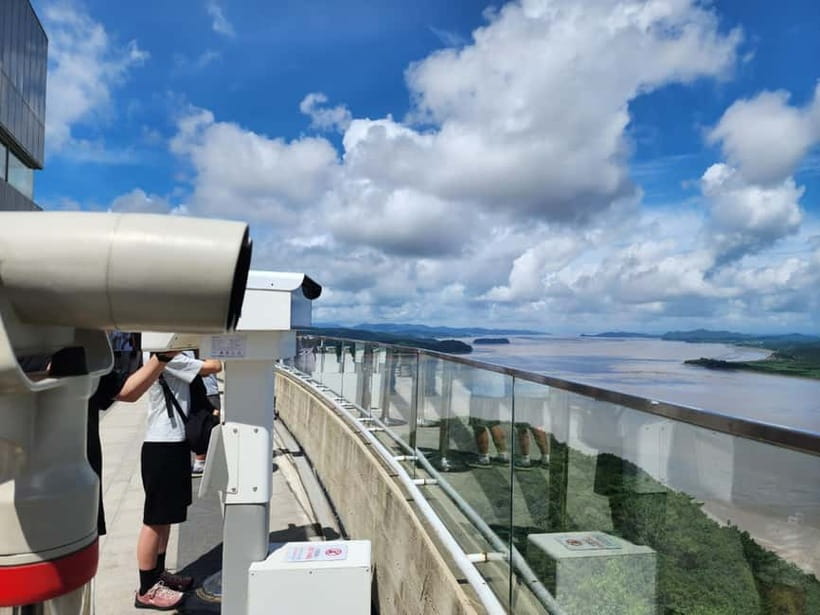
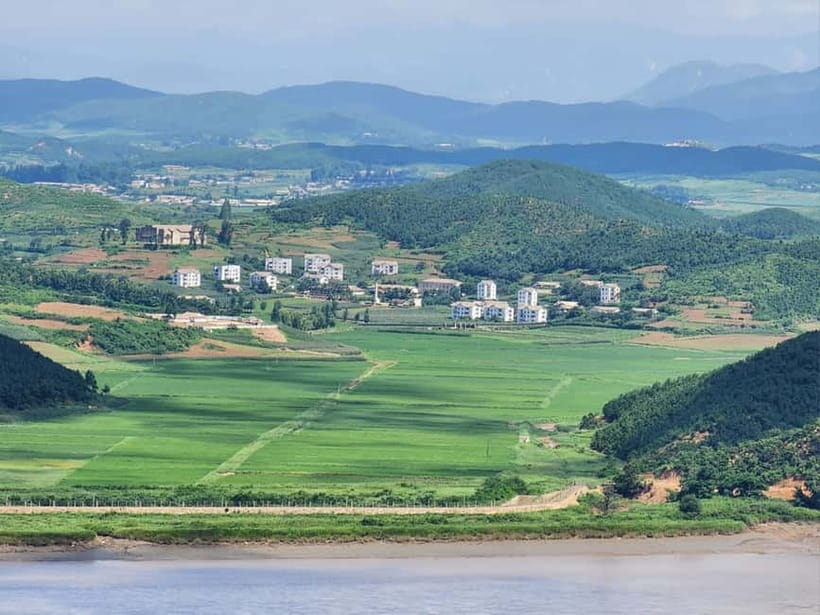
North Korea comes into view from Jogang Observatory, where the river separates you from the northern side by a surprisingly short distance. You may see farmland, buildings, soldiers, or people at work, though weather and security rules shape what you can actually observe. I like the bridge lights arranged in the shape of Aegibong’s former Christmas tree, and I like that this trip gives you a quieter border experience than the usual DMZ route.
I also like the way the guides make the drive useful, explaining the Korean War, separated families, and present-day politics instead of leaving you to guess at the view. Guides including Shin, Henry, Dragon, Sophie, Thomas, and Leo have earned especially strong praise for clear explanations and thoughtful help. The drawback is that Aegibong Peace Ecopark is operated by the military, so the visit can be canceled without notice, and the replacement is Starbucks Bukhansan Branch rather than the observatory.
Key points at a glance
- North Korea from close range: Jogang Observatory is described as the closest observatory to North Korea in this experience.
- A border view with human meaning: Aegibong has long been linked to displaced families hoping to see the area around their former homes.
- The Christmas tree has a surprising story: The original illuminated tree was removed after concerns that its bright lights could provoke conflict.
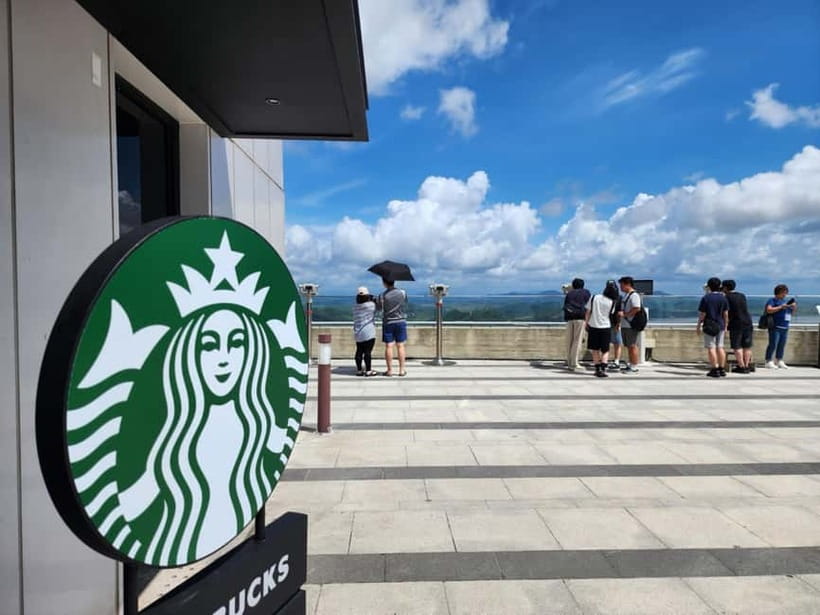
- Coffee with a view: Starbucks is only 1.4 kilometers from North Korea, making the cafe stop part of the appeal.
- A useful half-day outing: The tour lasts about 270 minutes to five hours, with roughly 1.5 hours of free time at the park.
- Military restrictions matter: Bring your passport, ask before taking photos, and expect possible changes to the plan.
A close look at North Korea from Jogang Observatory
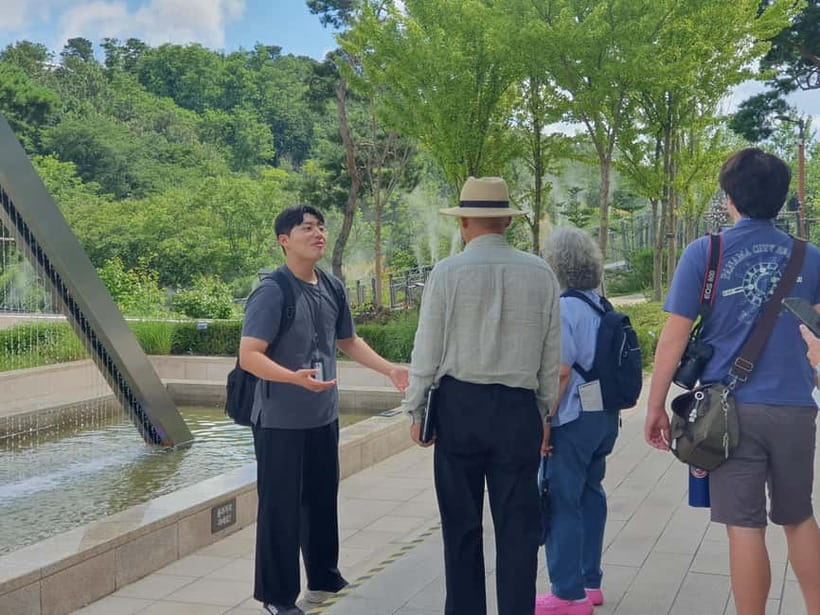
Aegibong Peace Ecopark sits in Gyeonggi Province at the meeting area of the Hangang and Jogang rivers. This is not the standard DMZ outing built around the Third Tunnel. The focus here is simpler: reach an observation point, look across the water, and understand why this border has carried such weight for Korean families.
The old observatory opened in 1978. It was later removed and replaced by Jogang Observatory, which gives you a view toward North Korea from very close range. The exact sight line depends on weather, but clear conditions can make the visit feel startlingly immediate. You might see fields, houses, a propaganda village, soldiers, or people working in the distance. Fog can hide the northern side, then lift suddenly, as one visitor described while the Jogang River slowly came into view.
That uncertainty is part of the experience. You are not guaranteed a dramatic panorama, and this is not a theme-park view arranged for easy photographs. The border is a working military zone. The feeling comes from knowing that ordinary-looking land on the other side remains politically and physically out of reach.
Bring your passport. The park is run by the military, and some areas and facilities cannot be photographed. Ask your guide before raising your camera. Video recording is not allowed, so you should be ready to watch rather than record every moment.
More Observation Decks in the DMZ
- Closest Observatory to DMZ & Suspension Bridge Tour from Seoul
★ 5.0 · 664 reviews - Premium Private DMZ Tour & (Suspension Bridge or N-Tower) include lunch
★ 5.0 · 348 reviews - From Seoul: Aegibong Starbucks Observatory & DMZ View
★ 5.0 · 102 reviews
Why Aegibong carries more than a military story
The name Aegibong is tied to displaced people who came here after the Korean War. Many had lost access to their hometowns in the North. They visited the hill to look toward the places they could no longer reach, making this more than a strategic viewpoint.
That background changes the way you read the scene. A field or village across the river is not just a distant object through binoculars. For many Korean families, the view points toward a lost home, relatives, and a past that has not been neatly put away.
The park’s message is peace and harmony, but the setting remains guarded and uneasy. That contrast is useful. You see a public park with paths, bridges, and a cafe, yet military rules still control where you go and what you photograph. A good guide helps you hold both facts at once.
Guides such as Shin and Dragon have been praised for explaining the Korean War alongside current political conditions. Henry has also received strong praise for answering detailed questions, while Sophie and Thomas are noted for making the trip approachable and friendly. Guide quality matters here because the physical view alone can be hard to interpret.
The Christmas tree that became a bridge
Aegibong was once known for a huge Christmas tree. Its lights could be seen from North Korea, but the display became controversial because the illumination was considered too bright for a place with limited electricity. The tree was eventually removed.
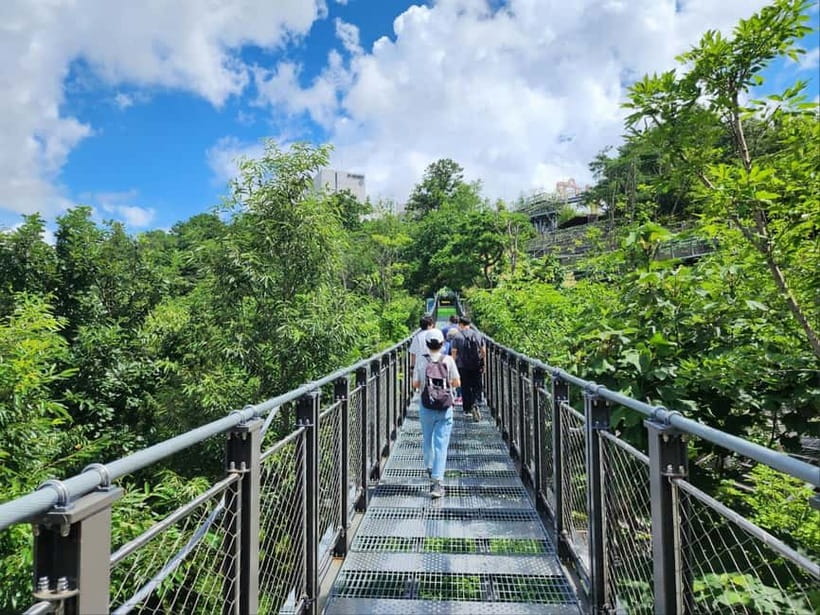
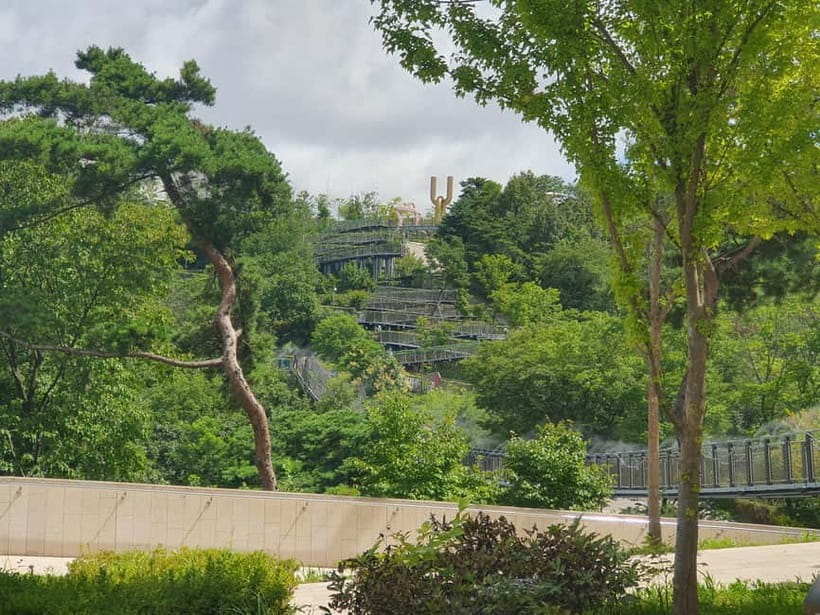
The park workers created a striking replacement: bridges arranged in the shape of a Christmas tree. You can read this as a design feature, but it also carries a quiet political history. The shape recalls the old landmark without restoring the bright lights that caused tension.
This is one of the more memorable details of the visit because it makes the site feel specific. Many border attractions blur into watchtowers, fences, and warning signs. Here, the bridges connect a local story, a former landmark, and the careful balancing act required at a sensitive border.
What the Seoul departure and return are like

The tour offers two starting location options around 62-10, Hongik University Station area, and finishes in Myeong-dong. Your exact meeting point depends on the option you book, so check the confirmation carefully rather than assuming every departure uses the same place.
Roundtrip transport from Seoul is included. The drive takes about an hour each way according to the experience details shared by visitors, making the vehicle time a useful part of the tour rather than dead time. Guides often explain Korean history, the division of the peninsula, and current events on the road.
That matters because Aegibong is not a place where signs alone can give you the full story. A guide can explain why displaced families came here, how the border developed, and how the site differs from better-known DMZ stops.
The total outing takes between 270 minutes and five hours. You receive about 1.5 hours of free time at Aegibong Peace Ecopark. That is enough for the observatory, the bridges, the view, and the cafe area without turning the day into an exhausting expedition.
The return to Myeong-dong is convenient if you are staying in central Seoul or planning dinner there. If you need to reach another part of the city afterward, allow some flexibility because military-area operations and traffic can affect the timing.
Same base, a completely different sort of day:
- Best DMZ Tour Korea from Seoul (Red Suspension Bridge Optional)
★ 5.0 · 41,422 reviews - DMZ Tour: 3rd Tunnel, Option(Suspension Bridge, Boat) from Seoul
★ 5.0 · 21,373 reviews - DMZ tour south Korea from Seoul (NK experience hall, defector)
★ 5.0 · 20,599 reviews - DMZ Insider Tour: 3rd Tunnel, NK Defector Meet & Red Bridge
★ 4.9 · 15,214 reviews
Starbucks near the North Korean border
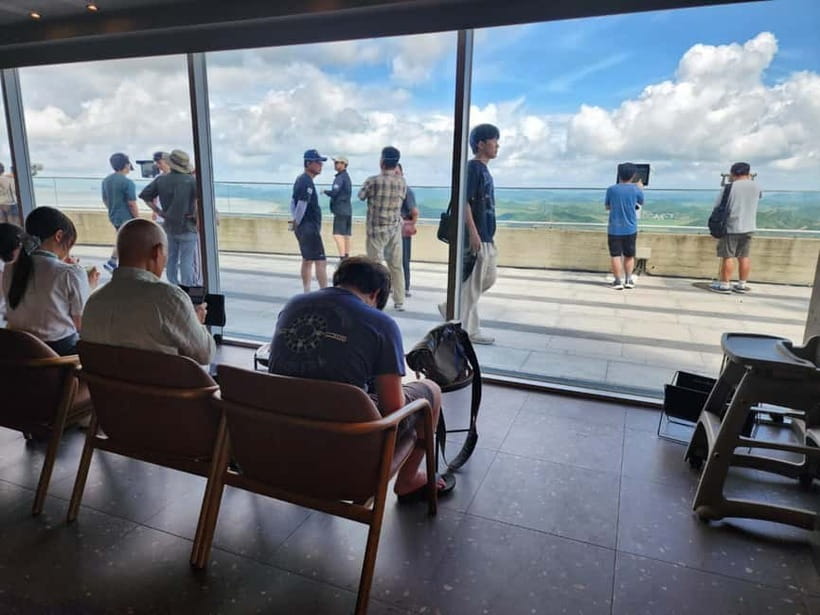
The Starbucks stop is not a minor refreshment break. The cafe is only 1.4 kilometers from North Korea, which gives the visit its unusual character. You can buy a coffee, sit down, and take in the fact that the northern border is close by.
Food and drinks are not included, so budget separately for anything you want from the cafe. The stop works best as a pause after the observatory, when you have already absorbed the seriousness of the place. Coffee does not make the border casual, but it gives you a moment to process what you have seen.
There is also a practical warning. If military authorities cancel the Aegibong visit, the replacement plan is Starbucks The Bukhansan Branch. That means you should treat the North Korea view as the main possibility, not an absolute promise. If seeing the actual border is your only reason for booking, this risk deserves serious thought.
How this compares with a standard DMZ tour
This outing suits you if you want a shorter and less crowded alternative to a full DMZ program. It does not center on the Third Tunnel, and it does not try to cover every major border attraction in one day.
The advantage is focus. You spend your limited time at one distinctive observatory, with enough room to look carefully and ask questions. The setting also feels different from a large, heavily programmed tour route. Several guides have been praised for keeping the group moving while still offering detailed explanations during the drive.
The tradeoff is that you see fewer sites. If you want tunnels, multiple observation posts, extensive military displays, or a fuller tour of the Demilitarized Zone, another itinerary may suit you better. If you want one close view of North Korea with a strong historical frame, Aegibong makes more sense.
Weather is another factor. Clear skies can reveal people and activity across the border. Mist, haze, or cloud may reduce the view to a river and faint outlines. The visit remains meaningful in poor weather, but your photographs and visual impression will be weaker.
The guides make a real difference
This is a guide-dependent experience. The attraction is not only the observatory, and the border’s modern politics can be difficult to understand without context.
Shin has been praised for being organized, friendly, and clear about both history and current affairs. Henry is a strong choice if you want detailed answers and a guide who enjoys explaining the subject. Dragon has been singled out for excellent English, careful attention, and help with photographs. Sophie is described as warm, informative, and safety-conscious.
Thomas, Leo, Grace, Rachel, Stella, Sunny, and others have also received praise for history explanations and personal help. Leo, in particular, has been noted for sharing stories during the trip and taking photos for visitors. Your guide depends on the departure and booking option, so you may not be able to select a particular person.
If you book a guide option, expect English or Japanese service. The guide can also help with practical details, such as where photography is permitted and how to manage the return to Seoul. One guide even helped a visitor recover a forgotten backpack and arrange a taxi afterward, a reminder that small acts of attention can matter on a half-day outing.
Who should book this experience?
I would recommend it to first-time visitors who want a direct look at North Korea without giving up a full day in Seoul. It is also a good fit if you have already taken a conventional DMZ tour and want a quieter viewpoint with a different story.
The tour works well for history-minded visitors, photographers who can accept strict camera rules, and anyone curious about the human cost of the division. It also suits people who like unusual cafe stops. Seeing the northern side from the observatory and then having coffee nearby makes for a memorable combination.
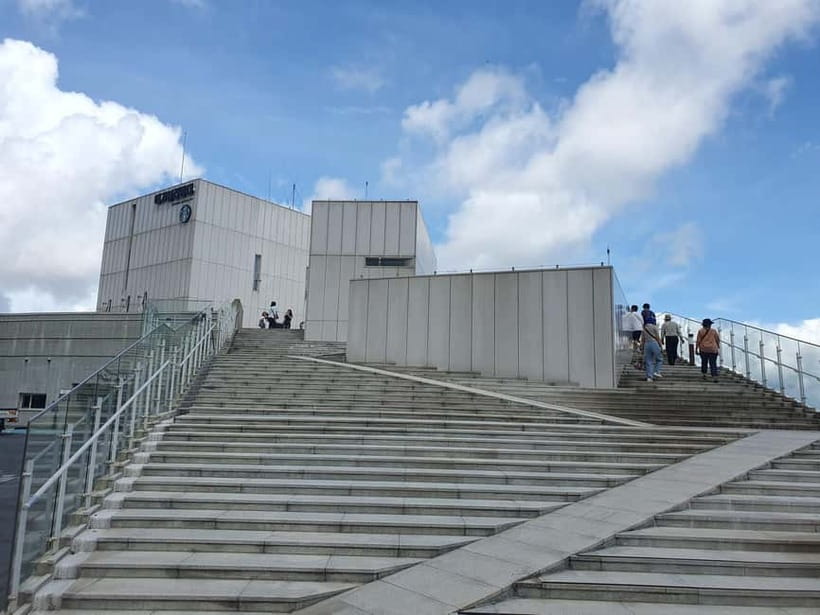
It is less suitable if you need a fully accessible route. The park includes steep slopes and hills, and strollers and wheelchairs cannot access all areas. It is also not recommended for pregnant women or people with heart problems. Pets are not allowed, and drinks cannot be carried in the vehicle.
Is $48 good value?
At $48 per person, the tour offers solid value if you want transport from Seoul, park admission, and a guide in one package. You avoid arranging your own route to a military-operated site, and the drive becomes an informal history lesson rather than a simple transfer.
The value depends on your priorities. You are paying for access, transport, interpretation, and convenience, not a long list of attractions. Food and drinks are extra, and the observatory visit can be canceled by the military without notice.
The free-cancellation policy allows you to cancel up to 24 hours ahead for a full refund, and the reserve-now, pay-later option helps if your schedule is still changing. Those terms reduce the risk of committing too early, but they do not remove the possibility of a same-day change caused by park operations.
Practical advice before you go
Wear shoes that are comfortable on slopes. The park is not fully friendly to wheels, and the route can involve hills. Bring your passport, even if you do not expect to show it repeatedly.
Keep your camera ready but wait for permission. Military facilities may be off limits, and video recording is prohibited. If you are unsure, ask your guide before taking a photograph rather than assuming a distant view is safe to capture.
Give yourself a little breathing room after the scheduled return. The total duration can range from 270 minutes to five hours, and the journey passes through an area where the military can change access.
Most of all, set realistic expectations. You might see North Korean soldiers, workers in rice fields, houses, or a former propaganda village. You might also get haze and a restricted view. The success of the trip comes from the place and the context, not from a guaranteed postcard image.
Should you book the Jogang Observatory and Starbucks tour?
Book it if you want a focused half-day border experience with a close view of North Korea, strong historical background, and an unusual cafe stop. It is especially useful when your Seoul schedule is tight or when you prefer one meaningful site over a long checklist.
Think twice if you require certainty, full accessibility, or a large selection of DMZ sights. The military can cancel the park visit, photography is controlled, and the replacement stop may not provide the North Korea view you expected.
For most visitors who accept those limits, $48 is a fair price for a well-organized trip with transport, admission, and guide service. Choose it for the human story behind Aegibong, not just the novelty of drinking coffee near the border.
FAQ
How long does the tour last?
The experience lasts between 270 minutes and five hours, depending on the available departure and operating conditions.
Where does the tour start?
There are two starting location options near 62-10, Hongik University Station area. The exact meeting point depends on the option you book.
Where does the tour finish?
The tour finishes in Myeong-dong.
Is transportation from Seoul included?
Yes. Roundtrip transfer from Seoul is included.
Is admission to Jogang Observatory included?
Yes. Admission to the observatory is included.
Are food and drinks included?
No. Food and beverages are not included, so you pay separately for coffee or anything else you buy.
What languages are available?
Live guiding is available in English and Japanese.
Do I need to bring my passport?
Yes. A passport is listed as an item you must bring.
Can I take photographs and videos?
Photography is restricted around military facilities, so ask your guide before taking a picture. Video recording is not allowed.
What happens if Aegibong Peace Ecopark closes?
Because the park is operated by the military, the trip may be canceled without prior notice. If that happens, the replacement visit is to Starbucks The Bukhansan Branch.
Is the tour accessible to wheelchair users?
No. The park has steep slopes and hills that strollers and wheelchairs cannot access. The experience is also not suitable for pregnant women or people with heart problems.
Can I cancel the booking?
You can cancel up to 24 hours in advance for a full refund. You can also reserve now and pay later, depending on the booking option.
Newest DMZ trips on the site
- Seoul: DMZ & Live Talk with North Korean Defector★ 4.9 · 50 reviews
- Seoul: DMZ Tour with Japanese-Speaking Guide★ 5.0 · 28 reviews
- Seoul: DMZ 2nd Tunnel and Suspension Bridge Tour★ 4.8 · 56 reviews
- Seoul: DMZ, 3rd Tunnel, Odusan or Suspension Private Tour★ 5.0 · 4 reviews
- Seoul: Closest DMZ Observatory with North Korea View (1.4km)★ 4.9 · 10 reviews
- From Seoul: Private DMZ and Odusan Observatory Full-Day Tour★ 4.9 · 34 reviews
- Private DMZ SPY Tour from Incheon Airport★ 4.6 · 7 reviews
- From Seoul: DMZ Tour and North Korea Experience Hall★ 4.7 · 34 reviews
DMZ Tours, compared.
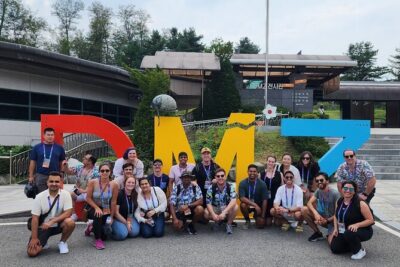
Best DMZ Tour Korea from Seoul (Red Suspension Bridge Optional)
Read our review →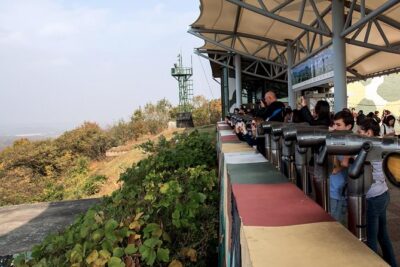
DMZ Tour: 3rd Tunnel, Option(Suspension Bridge, Boat) from Seoul
Read our review →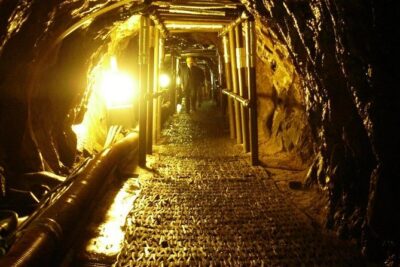
DMZ tour south Korea from Seoul (NK experience hall, defector)
Read our review →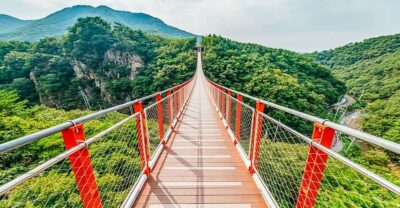
DMZ Insider Tour: 3rd Tunnel, NK Defector Meet & Red Bridge
Read our review →

Signature DMZ Tour: Exclusive Defector Talk & Suspension Bridge
Read our review →
Thrilling Korean DMZ 3rd Tunnel Tour from Seoul + Red Bridge Rush
Read our review →
DMZ Past and Present: Korean Demilitarized Zone Tour from Seoul
Read our review →Browse the lists this tour appears in