
Reviewed · SEOUL TOURS
Cook 3 Authentic Korean Dishes with Local Market Tour
Mangwon Market is the real beginning of this experience. You meet Jomin at Mangwon Station, then walk through a working Seoul food market before cooking three Korean dishes in her studio. I like the way the market visit gives meaning to the ingredients, and I like that this is hands-on, not a cooking demonstration.
The small format, listed at a maximum of four people for the class, allows Jomin to help with knife work, seasoning, and individual cooking stations. The main consideration is the changing menu: you may cook soft tofu stew, bibimbap, bulgogi, japchae, kimchi stew, or stir-fried pork, so ask ahead if you have your heart set on one dish.
Key points to know before booking
- Mangwon Market comes first: See and taste Korean ingredients before using them in class.
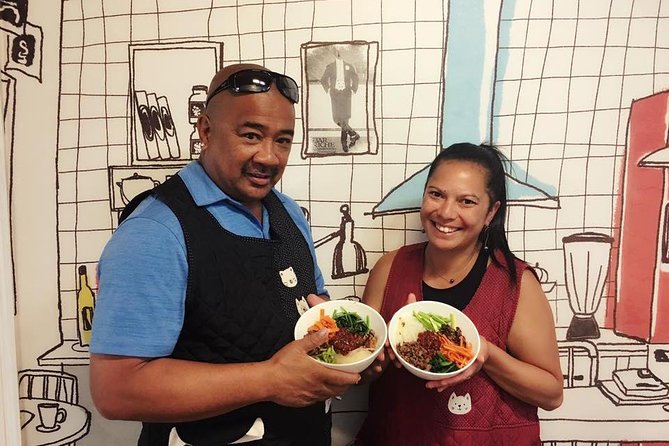
- You cook three dishes yourself: Each person gets a private cooking table, cooker, and prepared ingredients.
- Jomin leads the class: Her instructions cover both cooking technique and Korean food customs.
- The food is eaten fresh: You dine on your own dishes and can take leftovers with you.
- Vegetarian and vegan options are available: Share dietary needs when booking.
- The class lasts about three and a half hours: Choose a lunch or dinner session and meet at Mangwon Station, Exit 2.
Why this Seoul cooking class feels more personal
Many cooking classes begin with bowls of measured ingredients on a table. This one begins at Mangwon Market, which gives you a useful frame for the meal. You can see the produce, seafood, tofu, noodles, sauces, and prepared foods that help shape everyday Korean cooking.
Jomin points out ingredients used in the recipes and explains foods you may otherwise walk past. There is also time to taste market snacks and ask questions. That matters because Korean food is not just a list of recipes. It is a mix of shared side dishes, fermented foods, broths, grilled meats, noodles, and rice dishes, often served together.
The class then moves to a clean, organized cooking studio. You get your own table and cooker rather than standing behind a chef while trying to see over other people’s shoulders. That arrangement is especially helpful if you are new to Korean cooking or do not often cook at home.
The format is friendly but structured. Jomin explains each step, then gives you time to prepare it. Several class accounts describe her as patient and clear, but also firm when needed. That is useful in a kitchen. You want help, but you also want to learn how to do the work yourself.
More Market Tours in Seoul
- Seoul Street Food Market Tour
★ 5.0 · 1,226 reviews - Local Home Korean Cooking Class & Market Adventure in Seoul
★ 5.0 · 1,024 reviews - Seoul: Night Market Food Tour with Local Guide
★ 4.9 · 943 reviews
Starting at Mangwon Station and entering the market
The meeting point is Mangwon Metro Station, Line 6, Exit 2. You should allow enough time to find the correct entrance, since the market walk begins from there and the class schedule is built around the meeting time.
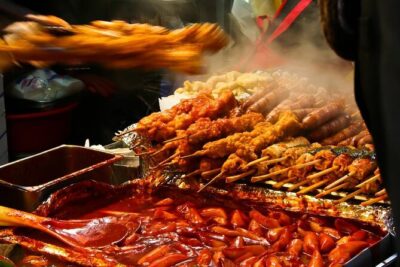
Mangwon Market is not treated as a quick photo stop. Jomin uses it as a teaching ground. You may see the fresh ingredients for your dishes, learn how they are used, and taste some street food along the way. The market also gives you a look at local shopping habits, from everyday vegetables to seafood and ready-to-eat foods.
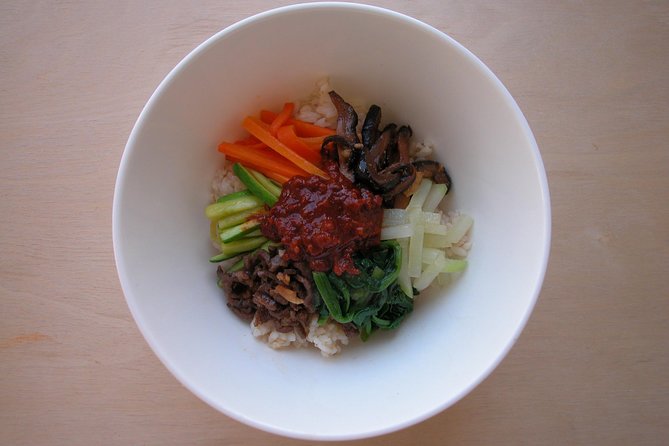
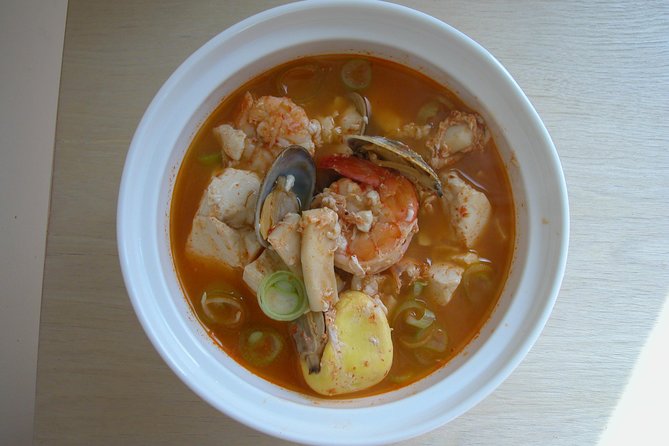
This part is valuable for anyone who wants more than a recipe card. A dish such as sundubu jjigae, or soft tofu stew, makes more sense after you have seen the tofu, shellfish, stock ingredients, and seasonings used to build it. Bibimbap also becomes less mysterious when you recognize the separate vegetables before they are arranged over rice.
The market portion can change with the calendar. One class had fewer open stalls during the Chuseok holiday, although enough remained for a useful visit. If your date falls during a major Korean holiday, expect some variation.
You will also have time to buy foods that catch your eye, according to the activity details and class accounts. That is a nice bonus, but do not treat the walk as a full market-shopping tour. Its main purpose is to prepare you for the cooking session.
Three Korean dishes at your own station
Once you reach the studio, Jomin gives a short explanation of the menu and cooking plan. The exact three dishes can vary. Possible choices include:
- Soft tofu stew
- Bibimbap
- Bulgogi
- Kimchi stew
- Japchae
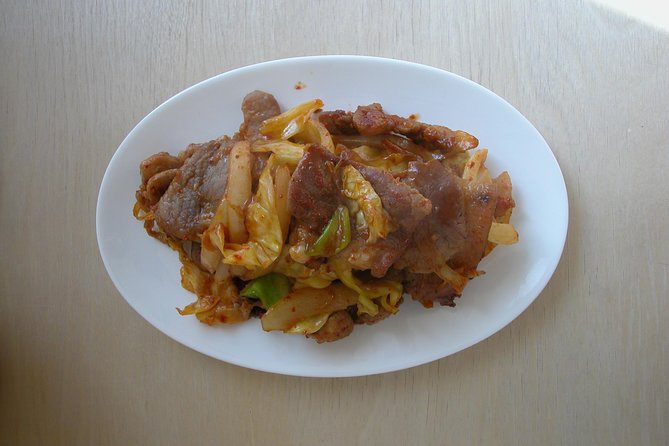
- Stir-fried pork
This flexible menu is a strength for repeat visitors. One person may make sundubu jjigae, bibimbap, and bulgogi, while another class may feature japchae or a different combination. It also means you should confirm the menu if a particular dish is your main reason for booking.
The class is not a demonstration where you simply watch a chef prepare the food. You work at your own cooking table with your own cooker and fresh local ingredients. Jomin explains the process, then helps as you chop, mix, season, and cook.
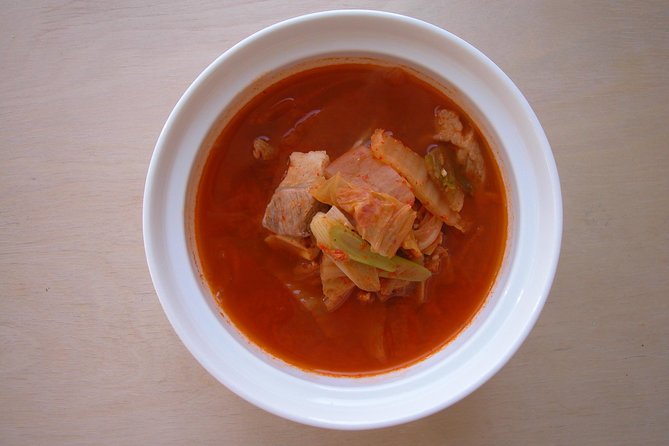
A typical sequence may include making a bulgogi marinade, preparing soft tofu stew, cutting vegetables for bibimbap, cooking each part on an individual burner, and bringing finished dishes to the dining area. You may eat one dish while the next preparation is being arranged. This keeps the three-hour-thirty-minute session moving and lets you try each dish while it is hot.
The pace should suit beginners. You do not need to arrive as a confident cook. Instructions cover basic preparation and cooking steps, and personal help is available. At the same time, you are expected to participate. If you prefer only to watch, this is not the right format.
What you may learn about Korean food
The food itself is only half the lesson. Jomin also explains Korean ingredients, banchan, kimchi, and the role of stock in Korean dishes. Some sessions include prawns and anchovies for stock, along with a taste of rice wine.
That kind of detail gives the class lasting value. You are not just copying a finished plate. You learn why a broth tastes the way it does, how vegetables are prepared for bibimbap, and how a marinade shapes bulgogi. The professionally designed cookbook includes the dishes made in class and other Korean favorites, so you have something practical to use after Seoul.
The menu is approachable. Bibimbap lets you see how separate ingredients come together over rice. Bulgogi teaches you about marinating and quick cooking. Soft tofu stew shows how a broth can carry the flavor of tofu, seafood, or other ingredients. Japchae brings noodles, vegetables, and seasoning into the lesson.
You should not expect a full course in Korean culinary history in three and a half hours. You will, however, get useful context about food culture and common ingredients while working with them. That balance keeps the class from turning into a lecture.
Same base, a completely different sort of day:
- Seoul: Gyeongbok Palace, Bukchon Village, and Gwangjang Tour
★ 4.9 · 2,321 reviews - Full Day Tour In The Soop BTS Ver in PyeongChang Filming Location
★ 5.0 · 1,709 reviews - Best Seoul City Tour (Gyeongbokgung Palace,Insadong,Namsan Tower)
★ 5.0 · 1,647 reviews - Small-Group Royal Palace and Seoul City Tour (hotel pick-up)
★ 5.0 · 1,474 reviews
Eating the food you prepared
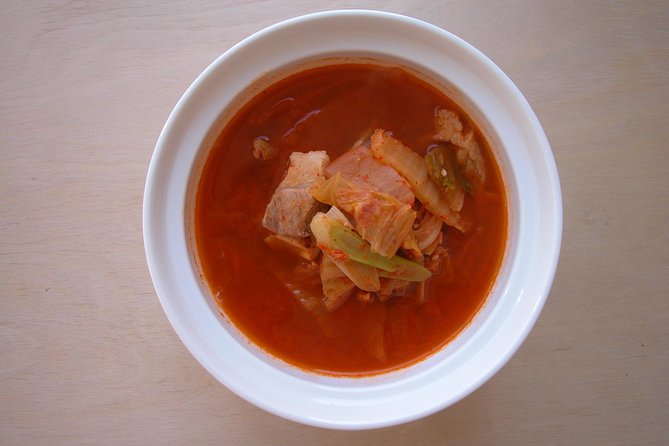
The best part comes when the cooking stops and you sit down to eat. You enjoy the dishes you made, rather than receiving a separate meal prepared by someone else. That makes small mistakes less important and successes more satisfying.
The food is served as it becomes ready, and some class formats use a separate dining area. One detailed account describes eating the stew first, then returning to the cooking station for bibimbap and bulgogi. Leftovers can be packed to take away, which is handy because three dishes can make a large meal.
The meal also gives you a chance to compare your results with the instructor’s advice. You may discover that Korean cooking is less about complicated equipment and more about preparation, timing, seasoning, and good ingredients.
A little patience helps here. You are preparing three dishes, so this is not a quick make-and-eat session. If you have a tight evening schedule, leave room after the class rather than booking a show or timed attraction immediately afterward.
Class size, atmosphere, and teaching style
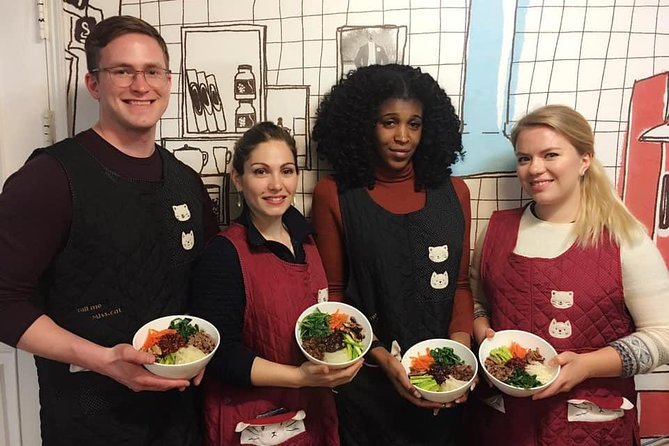
The cooking class is described as having a maximum of four people, which is one of its strongest features. A group this small gives you better access to Jomin and more control over your own work. You can ask why a sauce is mixed a certain way or have her check your technique before the food reaches the stove.
The additional booking information lists a maximum of 11 people for the activity overall. Since that differs from the stated four-person class size, ask the provider if the exact group size is important to you. The cooking arrangement itself is presented as a small-group format.
The studio is described as clean, spacious, and well organized. That matters when several burners, ingredients, knives, and dishes are in use. A tidy work area makes it easier to follow the lesson and focus on the food.
The tone is laid-back, but not careless. Jomin gives clear instructions and personal assistance, and the class has enough structure to keep everyone on track. You can expect social conversation with the other people in the group, though the exact mix will change from session to session.
This works well for couples, families with older children, solo visitors who enjoy meeting people, and anyone who wants a practical introduction to Korean cooking. It is also a good choice for someone who rarely cooks. The class is not reserved for experienced home chefs.
Vegetarian, vegan, and dietary needs
Vegetarian and vegan options are available. Dietary restrictions can also be accommodated, but you should state them when booking rather than waiting until the class begins.
That is particularly important because the possible menu includes meat, seafood, fish-based stock, tofu, and kimchi. Some Korean sauces and broths may contain ingredients that are not obvious at first glance. Clear communication gives Jomin time to adjust the dishes and ingredients.
The class can still work well for mixed groups. A person with restrictions may be able to prepare a suitable version while others cook the standard menu. The available information supports flexibility, but it does not promise every possible substitution, so ask specific questions if your needs are serious or medically necessary.
Is $79 a fair price?
At $79 per person, this costs more than eating a Korean meal in Seoul. That comparison is not quite fair, because the price includes about three and a half hours of instruction, the Mangwon Market walk, ingredients, cooking equipment, three dishes, the meal, and a cookbook.
The strongest value comes from the combination of market and class. A standard cooking lesson may teach you recipes, but it may not show you where the ingredients fit into local food culture. A market tour on its own may let you browse, but it will not teach you how to turn what you see into lunch or dinner.
You also get a meal and possible leftovers. If you count the food, the guided activity, and the recipe book together, the price is reasonable for Seoul, particularly for people who plan to cook Korean food at home later.
The value drops if you want a quick sightseeing stop, a formal chef demonstration, or a fixed menu. This is active, food-centered time. You need to enjoy chopping, stirring, tasting, and asking questions to get the most from it.
Timing, meeting point, and cancellation
The experience lasts approximately three hours and thirty minutes and is offered as a lunch or dinner class. It begins and ends at Mangwon Station, with the meeting point at Line 6, Exit 2.
Mobile tickets are available, and confirmation is provided when you book. The activity is near public transportation, so Mangwon Station is a practical place to meet.
Free cancellation is available up to 24 hours before the start time for a full refund. Changes or cancellations inside that 24-hour window are not accepted for a refund. The class also needs a minimum number of participants. If the provider cancels because that minimum is not met, you are offered another date or experience, or a full refund.
Since the minimum is four according to the activity notes, check your plans before booking a date that cannot easily be changed. This is a small point, but it matters more for a cooking class than for a large city tour.
Who should book this class?
I would choose this for you if food is one of the main reasons you came to Seoul and you want to understand what you are eating. It is especially useful early in a trip, since the market visit can help you recognize ingredients and dishes during the rest of your stay.
It also suits first-time Korean cooks. You receive clear instruction, your own workstation, and support from Jomin without needing to know Korean cooking terms in advance.
You may want to skip it if you dislike group activities, have a very limited schedule, or want complete control over the menu. The dish selection can change, and the market visit plus three-course cooking session takes a real block of time.
Should you book Cook 3 Authentic Korean Dishes with Local Market Tour?
Yes, if you want a practical Seoul food experience rather than another restaurant meal. The combination of Mangwon Market, personal cooking stations, three Korean dishes, a shared meal, and a take-home cookbook gives the $79 price a clear purpose.
The best reason to book is Jomin’s teaching style and the small working format. Confirm the menu and explain dietary needs before you go. Also check the expected group size if the four-person limit is important to you. With those details settled, this is a strong pick for curious eaters, beginner cooks, and anyone who wants to bring a little Seoul home.
FAQ
Where does the cooking class meet?
Meet Jomin at Mangwon Metro Station, Line 6, Exit 2, in Seoul. The activity ends back at the meeting point.
How long does the experience last?
The activity lasts approximately three hours and thirty minutes.
How many people are in the class?
The cooking class is described as having a maximum of four people. The additional activity information lists an overall maximum of 11, so you can ask the provider to confirm the group size for your date.
Which dishes will I cook?
The three-course menu may include soft tofu stew, bibimbap, bulgogi, kimchi stew, japchae, or stir-fried pork. The exact combination can vary.
Are vegetarian and vegan options available?
Yes. Vegetarian and vegan options are available. Share your dietary needs when booking so the class can prepare appropriately.
Can I cancel for a full refund?
Yes. You can cancel at least 24 hours before the local start time for a full refund. Cancellations or changes made less than 24 hours before the start time are not accepted for a refund.
More Shopping Tours in Seoul
- Downtown Seoul Guided Food & Market Tour with 8+ Local Tastings
★ 5.0 · 580 reviews - Seoul: Korean Cooking Class at a Local Home and Market Tour
★ 5.0 · 348 reviews - Seoul Night Palace & Market Food Tour with Vehicle
★ 5.0 · 275 reviews - Korean Palace and Market Tour in Seoul Including Insadong and Gyeongbokgung Palace
★ 4.0 · 174 reviews
Newest Seoul trips on the site
- Seoul : Must-see & Hidden Gems Private Walking Tour★ 4.9 · 8 reviews
- Seoul: Lotte World Aquarium Ticket★ 4.5 · 10 reviews
- Seoul: Max Out Must Visit City Highlights Panoramic Day Tour★ 5.0 · 7 reviews
- Seoul: K-Fashion Shopping Tour with a Professional Stylist★ 5.0 · 5 reviews
- From Seoul: Korea Spring Cherry Blossom Day Tour★ 4.8 · 6 reviews
- Seoul: Guided Street Food Tour at Namdaemun Market★ 5.0 · 10 reviews
- Seoul: Jisan Forest Winter Ski Day Tour with Basic Lesson★ 4.4 · 6 reviews
- Jisan Forest Resort: Ski Full-Day Tour or Shuttle from Seoul★ 5.0 · 4 reviews
Seoul Tours, compared.
Gyeongbok Palace, Bukchon Village, and Gwangjang Tour
Read our review →
Full Day Tour In The Soop BTS Ver in PyeongChang Filming Location
Read our review →
Best Seoul City Tour (Gyeongbokgung Palace,Insadong,Namsan Tower)
Read our review →
Small-Group Royal Palace and Seoul City Tour (hotel pick-up)
Read our review →
Seoul City Sightseeing Tour Including Gyeongbokgung Palace, N Seoul Tower, and Namsangol Hanok Village
Read our review →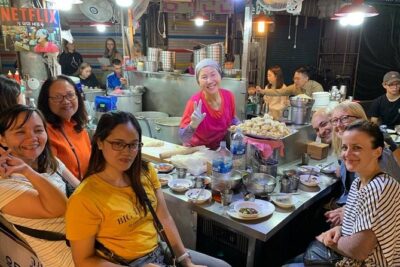
Gyeongbok Palace, Bukchon Village, and Gwangjang Tour
Read our review →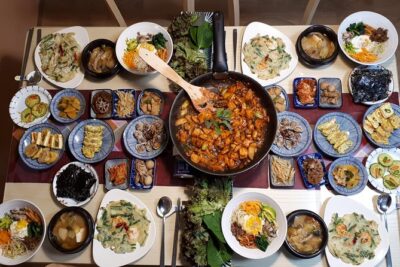
Local Home Korean Cooking Class & Market Adventure in Seoul
Read our review →Browse the lists this tour appears in