
Reviewed · DMZ TOURS
Private DMZ Tour
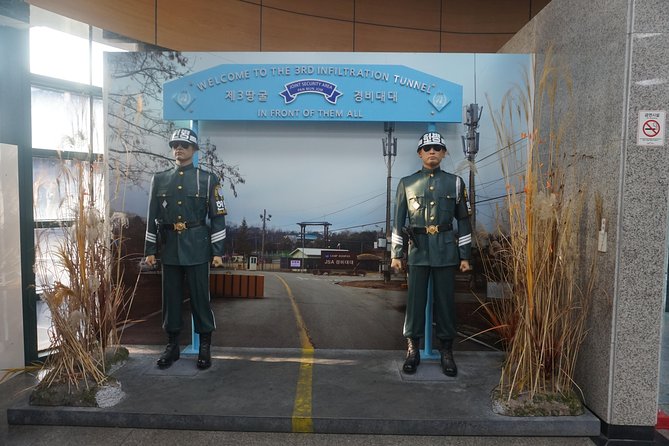
The most striking part of this tour is the chance to look toward North Korea from Dora Observatory, then walk through a narrow tunnel built for a possible invasion. This is not a sightseeing trip in the usual sense. It is a quiet, controlled visit to one of the world’s most heavily guarded borders.
I like the hotel pickup and private guide, which take the stress out of a day involving checkpoints and changing military rules. I also like the guides’ personal touch. AJ, BK, Jun, Lizzy, Miel, and Felicity are singled out for clear explanations, patience, and care. The main drawback is that private may not mean fully private inside the DMZ. Some groups are taken by private car to a staging point, then join a larger bus permitted to enter the zone.
Key points to know before booking
- The 3rd Infiltration Tunnel requires effort: Expect a steep, narrow walk with a long uphill return and some crouching.
- Dora Observatory depends on conditions: You may look toward North Korea, but views can be limited by weather or military restrictions.
- Private service begins at pickup: Your guide and vehicle are private, though a shared bus may be required within the DMZ.
- A passport is essential: You must carry a current valid passport, but you do not need to send a copy when booking.
- The guides add real value: AJ, BK, Jun, Lizzy, Miel, and others are praised for history, organization, and personal care.
- The price reflects convenience: At $240 per person, this is costly, but it includes transport, admission, hotel pickup, and a private guide.
Why the Seoul DMZ deserves a full morning
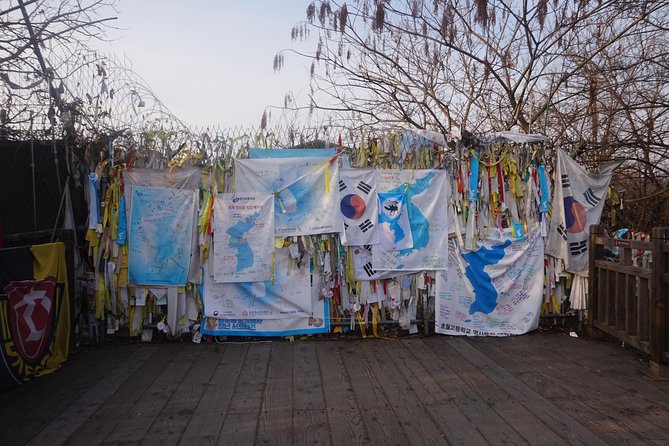
The Korean Demilitarized Zone is not an ordinary border attraction. It is a place shaped by the Korean War, the 1953 armistice, military caution, separated families, and an uneasy peace that still affects daily life on the peninsula.
That weight is easy to miss if you arrive, take a quick photo, and leave. A good guide gives the sights a human scale. On the drive from Seoul, your guide explains how Korea was divided and points out the meaning behind the sites you are about to see. Guides such as BK, AJ, Jun, and Lizzy are praised for turning facts into a clear story rather than delivering a dry lecture.
The tour lasts about six hours, with morning pickup listed at 8:00 a.m. An afternoon option may also be possible, but you should confirm the exact pickup time with the local operator. The drive toward the border takes roughly an hour, so the ride itself becomes part of the tour.
I would choose this experience for a first visit to Korea if you want historical context beyond palaces, markets, and modern Seoul. It is also a strong choice for families and older adults who prefer a guide to handle the route, security procedures, and timing.
A few more DMZ trips worth comparing
- Best DMZ Tour Korea from Seoul (Red Suspension Bridge Optional)
★ 5.0 · 41,422 reviews - DMZ Tour: 3rd Tunnel, Option(Suspension Bridge, Boat) from Seoul
★ 5.0 · 21,373 reviews - DMZ tour south Korea from Seoul (NK experience hall, defector)
★ 5.0 · 20,599 reviews
Hotel pickup and the private-tour question
The experience includes pickup and drop-off at your Seoul hotel in a comfortable, air-conditioned vehicle. That matters here. The DMZ is not a place where you want to worry about finding the right transport, missing a checkpoint, or trying to understand sudden route changes.
The private format gives you direct time with your guide during the drive and between stops. You can ask questions about the Korean War, North and South Korea, Korean culture, or the meaning of what you are seeing. Several guides are praised for staying with their group throughout the day and helping with photos where photography is permitted.
There is one important detail to understand before you pay. Some bookings described a clean private van from the hotel, followed by a transfer to a larger bus for the actual DMZ section. The private guide traveled along and helped the group, but the bus included other people. This arrangement may be tied to access rules within the zone.
That does not make the tour useless, but it changes what you are buying. You are paying for private pickup, private attention, and a guide focused on your party, not necessarily a private vehicle at every single stop. If total privacy is essential, ask the operator to explain exactly which sections are private before booking.
Imjingak Park and the first look at the border story
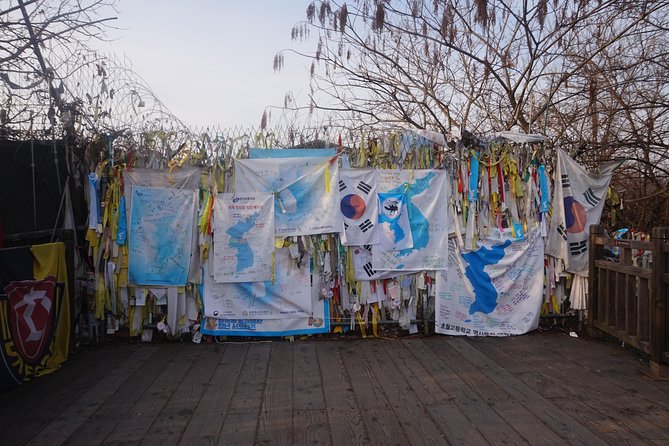
The first major stop is Imjingak Park, beside the Imjin River. Here you see artillery and other war-related objects connected to the Korean conflict. The setting helps you understand that this is not simply a line on a map. The river, the old military equipment, and the nearby crossing point make the division feel physical.
This is also where the tour begins to connect military history with ordinary lives. Korea was divided into two countries, but families and communities were divided too. Your guide can explain the events that led to the armistice and the lasting impact of the border.
Imjingak is a useful opening stop because it gives you room to orient yourself before entering more restricted areas. You can ask questions here, while the route still feels relatively open. Listen closely to the guide’s explanation of the border. It will make the later tunnel and observatory visits easier to understand.
Freedom Bridge and the story of returning prisoners
From Imjingak, the tour continues to Freedom Bridge. Nearly 13,000 Korean prisoners of war crossed here on their return to South Korea after the Korean War.
The number is large, but the bridge is most affecting when you picture the individual people who crossed it. They were returning from captivity to a country that had itself been torn apart. The bridge represents movement toward home, yet it also points to the many families who remained separated.
This stop is short enough to fit comfortably into the half-day schedule, but do not rush through it. I would use the time to ask your guide about the prisoner exchanges and the broader meaning of the crossing. Guides who are strong storytellers, including AJ, BK, and Miel, can help turn a simple structure into a memorable historical place.
Photography rules can change, so follow your guide’s instructions. The DMZ is a working security zone, not a museum with fixed rules for every day.
More Private Tours in DMZ:
- Private DMZ Tour (No Shopping): 3rd Tunnel & Suspension Bridge
★ 5.0 · 607 reviews - Private DMZ the 3rd Tunnel Tour from Seoul (optional Red Bridge)
★ 5.0 · 429 reviews - Premium Private DMZ Tour & (Suspension Bridge or N-Tower) include lunch
★ 5.0 · 348 reviews - Free style private Tour(Essence of Seoul city or DMZ)
★ 5.0 · 125 reviews
The 3rd Infiltration Tunnel: expect a workout
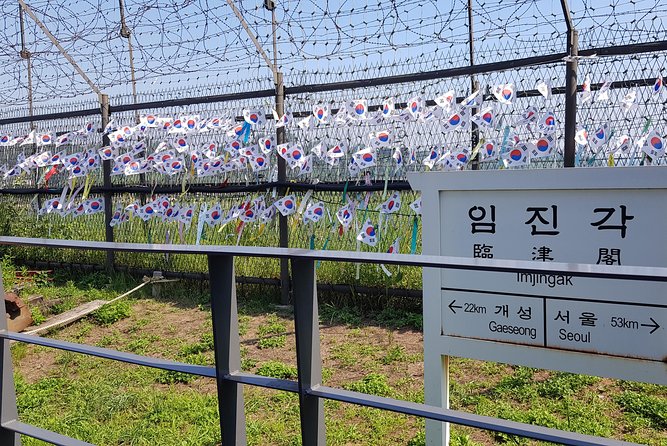
The 3rd Infiltration Tunnel is the most physical part of the tour. It was built beneath the border and is presented as a route intended for a possible North Korean incursion. South Korea has blocked the actual Military Demarcation Line inside the tunnel.
You walk through a steep and narrow passage. The route back out is a long, sharply inclined ramp, and taller people may need to crouch in places. One direct piece of advice: wear comfortable shoes and clothes, and do not treat this as a casual stroll.
A moderate level of walking is required, but the tunnel feels more demanding because of the incline and confined space. If your knees, hips, or balance are a concern, consider that carefully before booking. The tour information says most people can participate, but that does not remove the need for stamina.
Photography is not allowed in the tunnel. That rule can feel strict, yet it also keeps the focus on the place itself. The tunnel is an unusual physical reminder of how close the two Koreas remain beneath the surface, both literally and politically.
The tour price includes admission, but the tram is not included. If a tram option is available during your visit, expect to pay extra. The exact tram arrangement is not specified, so ask your guide on the day if you prefer to reduce the walking.
Dora Observatory and the view toward North Korea
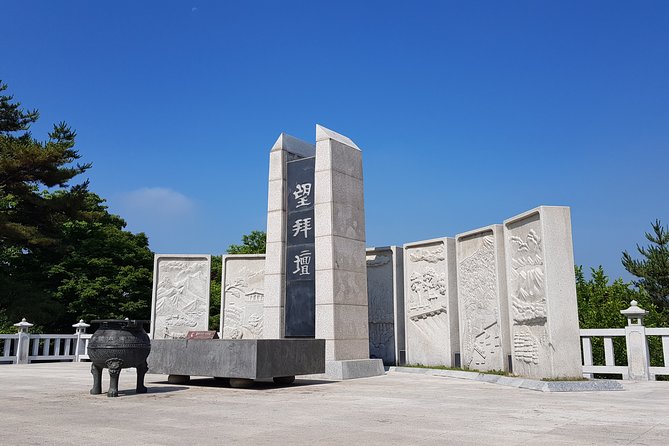
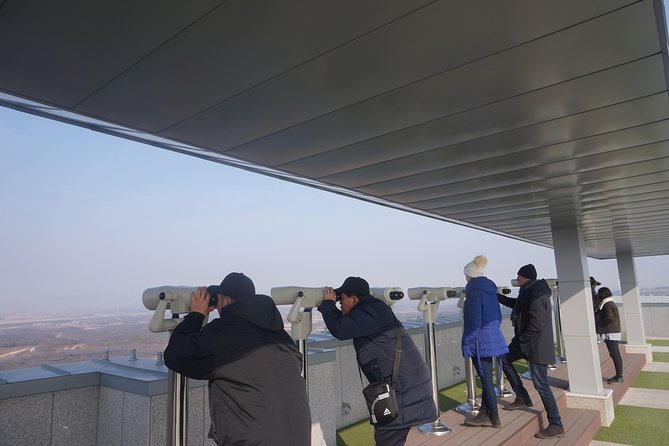
Dora Observatory offers the moment most people picture when they think of a DMZ tour. From the viewing area, you can use binoculars to look toward North Korea. On a clear day, the act of looking across the border feels unusually direct.
Do not expect a guaranteed postcard view. Weather, haze, military rules, and temporary closures can all affect what you see. One guide handled rainy conditions by bringing umbrellas and printed images of places that were hidden by the weather. That kind of preparation can make a real difference, but it cannot control the sky.
Photography is restricted at the observatory, so listen carefully before taking out your phone or camera. You may be allowed to take photos in some areas, but the instructions of your guide and the South Korean authorities come first.
The observatory is valuable even when the view is poor. The point is not simply to spot a building across the border. It is to understand the distance, the security arrangements, and the fact that two societies remain close enough to see, but separated by rules and weapons.
The DMZ Exhibition Hall and the role of the guide
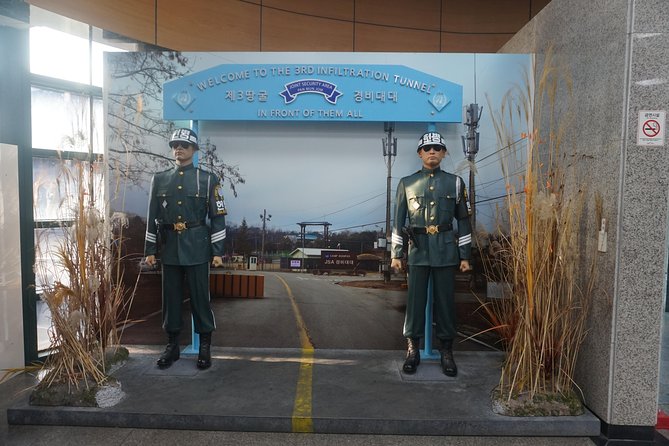
The DMZ Exhibition Hall adds background to the outdoor stops. It helps place the tunnel, bridge, and observatory into a wider account of the division between North and South Korea.
This is where a private guide can be worth the extra cost. You can stop to ask about details that interest you, rather than waiting for a whole bus group to move on. The best guides named in the feedback, including AJ, BK, Jun, Lizzy, Miel, and Felicity, are praised for clear English, patience, organization, and an ability to adjust their explanations to the group.
The strongest praise is not only for historical knowledge. Felicity was remembered for helping a choking child at the observatory, while Jun took extra care with an older parent. Lizzy adapted the day for a family with two young children when heavy rain closed parts of the route. These details suggest a service culture focused on looking after people, not just completing a checklist.
You cannot select a particular guide with certainty unless the operator agrees in advance. Still, the repeated praise for several guides is a good sign. Ask for a guide who can explain Korean history in the language you need and who will remain with you during the restricted portions of the visit.
Weather, closures, and military restrictions
The DMZ operates under military and local controls. A section of the route may be closed because of security conditions, flooding, rain, or another local decision. If that happens, the operator states that there is no refund for the canceled portion.
That policy is important because this is not a standard museum visit. Heavy rain has prevented some groups from entering the zone at all, forcing the guide to replace or rearrange stops. A flexible guide can still provide history and visit whatever sites remain open, but the experience will not be identical.
I would avoid placing this tour on the one day of your trip when every detail must go perfectly. Leave some room in your schedule and accept that the border’s rules come first. That is part of the nature of the place, even if it can be disappointing.
Is $240 per person a fair price?
At $240 per person, this tour is expensive compared with a standard group DMZ excursion. For two people, the total is about $480, before any extras such as lunch or the tram.
The value depends on what you want. The fee includes a private guide, hotel pickup and drop-off, air-conditioned transport, admission, and help with the security process. You also avoid arranging a separate trip from Seoul and gain time for questions during the drive.
The private format is particularly useful for a small family, a couple, or a group with different walking speeds. A guide can explain the tunnel before you enter, help an older relative, and adjust the pace where possible. It can also reduce the confusion of joining a large organized excursion from the start.
The value is weaker if you mainly want transport to the border and do not care about personal explanations. It is also weaker if you expect an entirely private vehicle inside the DMZ. Confirm that point before booking, because at least some arrangements involve a larger bus for the restricted section.
Lunch is not included, so plan for that separately. The tour duration is about six hours, and the itinerary may be affected by queues, security checks, weather, or military instructions.
Who should book this DMZ experience?
I would recommend it to history-focused visitors, first-time visitors to Seoul, families who want a guide, and anyone who prefers a controlled day trip rather than independent navigation.
It suits you especially well if you enjoy asking questions. The private setup lets you talk about the Korean War, the border, North and South Korean society, and Korean culture in a way a large bus tour may not allow.
It is less suitable if you dislike steep walking, narrow spaces, strict photography rules, or the chance of last-minute changes. The 3rd Tunnel is not optional in spirit if you want the full experience, and the military setting means you must follow instructions without debate.
Bring your current passport on the day. You do not need to send a copy in advance. Wear shoes suitable for a steep ramp, and dress comfortably for several stops outside the vehicle.
Should you book the private DMZ tour?
Book it if you want the DMZ explained by a guide who can focus on your group, and if hotel pickup, transport, and border logistics are worth paying for. The strongest part of the experience is the combination of serious history, restricted access, and direct help from guides such as AJ, BK, Jun, Lizzy, and Miel.
Before paying, confirm two things: the exact pickup time and whether your group will use a shared bus inside the DMZ. If you can accept that arrangement, this is a well-organized and unusually personal way to see Freedom Bridge, the 3rd Infiltration Tunnel, the exhibition hall, and Dora Observatory.
You can cancel for a full refund up to 24 hours before the start time. After that point, cancellations and changes are not accepted for a refund.
FAQ
How long does the private DMZ tour last?
The experience lasts approximately six hours, including transport from Seoul and the visits to the main DMZ sites.
What time does the tour start?
The listed start time is 8:00 a.m. You should contact the local operator to confirm your exact hotel pickup time.
Is hotel pickup included?
Yes. Round-trip pickup and drop-off at your Seoul hotel are included.
Do I need to bring my passport?
Yes. You must carry a current valid passport on the day of the tour. You do not need to send a copy before the visit.
Is the tour completely private?
The booking is described as a private activity for your group, but some arrangements use a private vehicle to reach a location where participants board a larger bus for the DMZ section. Confirm the exact arrangement with the operator.
Is the 3rd Infiltration Tunnel difficult to walk through?
The tunnel involves a moderate amount of walking through a steep, narrow passage. The return is a long, steep ramp, and taller people may need to crouch. Comfortable shoes and clothing are recommended.
Are lunch and the tram included?
Lunch and the tram are not included. Admission to the listed tour sites is included.
Newest DMZ trips on the site
- Seoul: DMZ & Live Talk with North Korean Defector★ 4.9 · 50 reviews
- Seoul: DMZ Tour with Japanese-Speaking Guide★ 5.0 · 28 reviews
- Seoul: DMZ 2nd Tunnel and Suspension Bridge Tour★ 4.8 · 56 reviews
- Seoul: DMZ, 3rd Tunnel, Odusan or Suspension Private Tour★ 5.0 · 4 reviews
- Seoul: Closest DMZ Observatory with North Korea View (1.4km)★ 4.9 · 10 reviews
- Private DMZ SPY Tour from Incheon Airport★ 4.6 · 7 reviews
- From Seoul: Private DMZ and Odusan Observatory Full-Day Tour★ 4.9 · 34 reviews
- From Seoul: DMZ Tour and North Korea Experience Hall★ 4.7 · 34 reviews
DMZ Tours, compared.
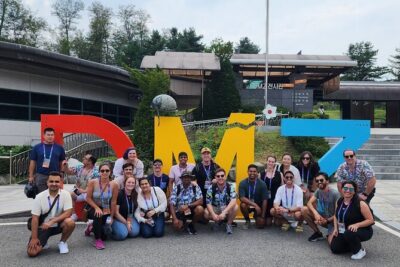
Best DMZ Tour Korea from Seoul (Red Suspension Bridge Optional)
Read our review →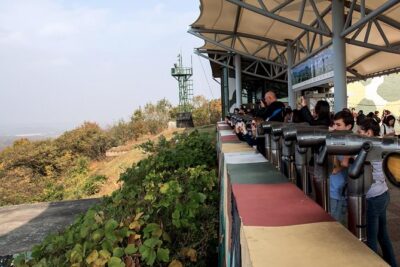
DMZ Tour: 3rd Tunnel, Option(Suspension Bridge, Boat) from Seoul
Read our review →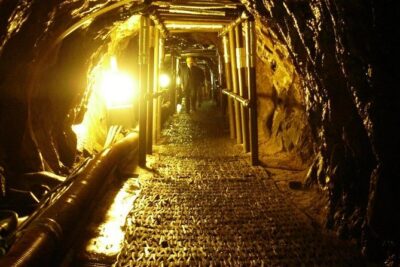
DMZ tour south Korea from Seoul (NK experience hall, defector)
Read our review →
DMZ Insider Tour: 3rd Tunnel, NK Defector Meet & Red Bridge
Read our review →

Signature DMZ Tour: Exclusive Defector Talk & Suspension Bridge
Read our review →
Thrilling Korean DMZ 3rd Tunnel Tour from Seoul + Red Bridge Rush
Read our review →
DMZ Past and Present: Korean Demilitarized Zone Tour from Seoul
Read our review →Browse the lists this tour appears in