
Reviewed · SEOUL TOURS
Master Korean traditional cooking with a Kimchi chef
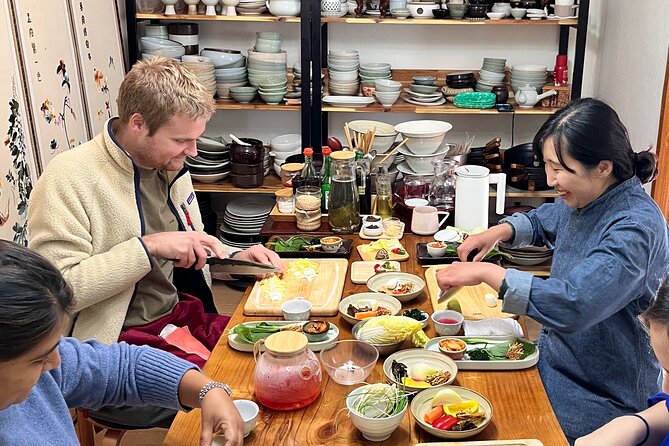
The best part of this Seoul food experience happens before you touch a knife. You walk through Gyeongdong Market, a huge food and traditional-medicine market, with your cooking guide explaining the ingredients you are about to use. Then you cook a three-dish Korean meal in a local-style home or nearby cooking studio.
I like the small-group format, limited to seven people on the class description, because it gives you room to ask questions and work at the stove. I also like the changing menu: choose Thursday for kimchi, Friday for bibimbap, or Tuesday and Saturday for a fuller spread of bulgogi, japchae, and doenjang jjigae.
The main thing to watch is the schedule. You do not choose every dish yourself, and each day offers a different menu. The meeting point at Jegi-dong Station can also be easy to miss if you arrive late, so give yourself time to find Exit 2.
Key points before you book
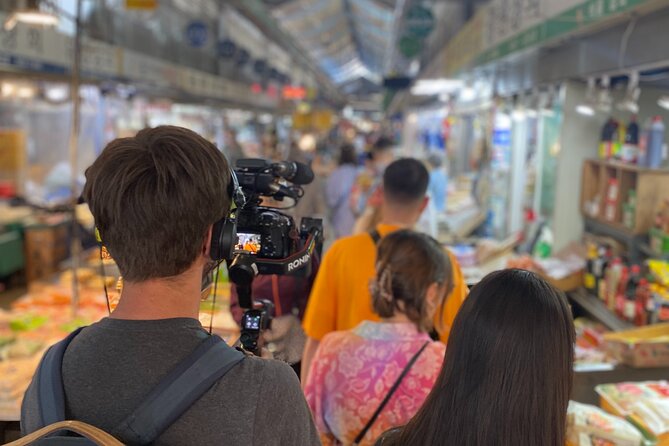
- Gyeongdong Market comes first: Shop for ingredients while learning about Korean food and traditional medicine.
- Chef Minseon teaches with patience: You get hands-on instruction rather than simply watching a demonstration.
- The menu depends on the day: Thursday is kimchi, Friday is bibimbap, and Sunday focuses on Korean desserts.
- You eat what you make: Lunch, dinner, or dessert is included according to the selected class.
- Dietary needs can be accommodated: Vegan and halal options are available.
- Plan for a morning start: Meet at Jegi-dong Station Exit 2 shortly before 10 a.m. for a roughly three-and-a-half-hour session.
Why this class is more than a cooking demonstration
A cooking class can be a pleasant way to fill a rainy morning. This one adds a useful Seoul market visit, which makes the food easier to understand once you reach the kitchen.
Korean cooking depends on ingredients that may be unfamiliar if you are visiting from abroad. The market walk gives you a chance to see vegetables, spices, sauces, herbs, and medicinal products in their everyday setting. You are not only told what goes into a dish. You see where those ingredients are bought and how they fit into a local food culture.
That matters most for dishes such as kimchi and doenjang jjigae. The finished food can look simple, but the flavor depends on fermented ingredients, seasoning balance, and preparation details. A guide who explains those points while you shop can give you a better start than a class held entirely in a tourist kitchen.
The class also makes you participate. You prepare portions of the menu, follow instructions, and then sit down to eat the meal you helped make. You do not need to be an experienced cook. Chef Minseon is described as patient and clear, and the class is designed to keep beginners involved.
More Kimchi Classes in Seoul:
- Korean Kimchi Making Day Experience with a Local Market Tour
★ 5.0 · 99 reviews - Seoul Cultural Tour – Kimchi Making, Gyeongbok palace with Hanbok
★ 5.0 · 25 reviews - Kimchi class with Chef Hakyung near Gyeongbokgung place
★ 5.0 · 20 reviews
Meeting at Jegi-dong Station before 10 a.m.
Your morning begins at Jegi-dong Station, Exit 2, on Line 1. The meeting point is near Dongdaemun Station, although the activity itself takes place in the Jegidong area, so check the station name and exit carefully before leaving your hotel.
The group meets shortly before 10 a.m. The organizer does not provide subway pickup or drop-off, and the activity finishes back at the same meeting point. That makes the start and end easy to understand, but you are responsible for getting to the station and arriving on time.
I would not cut this close. One class participant reportedly had trouble finding the meeting place, and Chef Minseon helped with directions. That is reassuring, but it is still better to save the meeting point on your phone and allow extra time for the station.
The class is listed as a private activity for your group, while the experience is also described as a small-group class limited to seven people. Booking details also specify a maximum of 10 people per booking. The practical takeaway is that this is intended to feel personal rather than like a large food tour, but you should confirm the exact group size for your date.
Gyeongdong Market: the most distinctive stop
The market is not a quick photo stop. It is the first major part of the experience, and it gives the class its local character.
Gyeongdong Market is known for food and traditional medicine. The walk takes you through an area that sees everyday shopping, not just sightseeing. You might see unfamiliar produce, dried goods, seasonings, and medicinal materials as your guide points out ingredients needed for the day’s recipes.
The market visit also helps you understand how Korean meals are built. Instead of treating a recipe as a fixed list from a cookbook, you see the raw ingredients and learn what they look like before preparation. For a first Korean cooking class, that is especially useful.
The walk can be lively and crowded, and the market is large. Wear comfortable shoes and keep your belongings close. You may also want to keep breakfast light, since snacks can appear along the way and a full meal comes later.
Some classes include a sample of a traditional Korean doughnut or another small market treat. This is not the main point of the activity, but it adds a pleasant food discovery before the cooking begins.
Choosing your menu by day
The biggest decision is not the time. It is the date. The food changes by day, so check the selected option before booking.
More Cooking Classes in Seoul:
- Local Home Korean Cooking Class & Market Adventure in Seoul
★ 5.0 · 1,024 reviews - Seoul: Korean Cooking Class at a Local Home and Market Tour
★ 5.0 · 348 reviews - Seoul: Korean Cooking at Seoul Cooking Club!
★ 5.0 · 311 reviews - Korean Cooking at Seoul Cooking Club
★ 5.0 · 220 reviews
Monday: samgyetang
Monday focuses on samgyetang, a traditional Korean chicken soup. This is a good choice if you want to learn a single centerpiece dish with a strong place in Korean home cooking.
Tuesday and Saturday: bulgogi, japchae, and doenjang jjigae
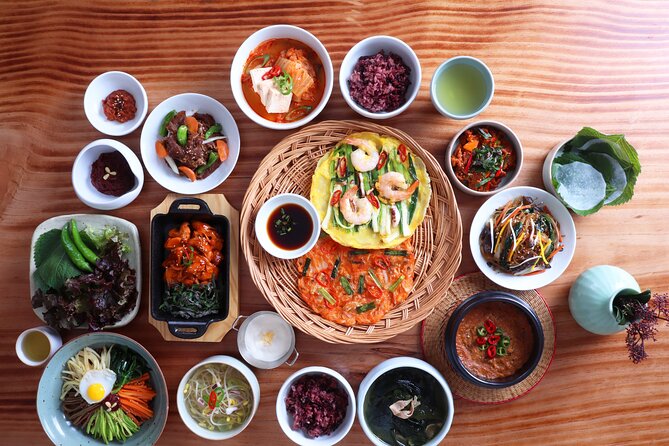
These days offer the broadest meal listed in the schedule. Bulgogi gives you seasoned meat, japchae adds noodles and vegetables, and doenjang jjigae brings a fermented soybean stew to the table.
This combination is a useful introduction to the balance of a Korean meal. You get different textures, cooking methods, and flavors rather than repeating one technique three times.
Thursday: kimchi
Thursday is the obvious pick if kimchi is your main reason for booking. You learn how it is prepared rather than simply buying a jar from a shop.
The experience title highlights a kimchi chef, but the class is not limited to kimchi on every date. If you specifically want kimchi, choose Thursday and check the current menu when you reserve.
Friday: bibimbap
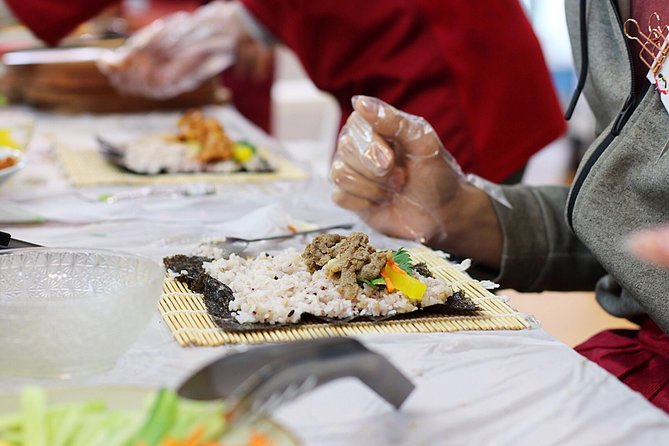
Friday is devoted to bibimbap. The class can show you how traditional ingredients are prepared and arranged before the final mixing.
Bibimbap is a friendly dish for beginners because the finished bowl brings several separate elements together. It also gives you a chance to see how vegetables, seasoning, and rice work as one meal.
Sunday: Korean desserts
Sunday classes focus on a variety of Korean desserts. This is the best choice if you prefer a sweet food experience or have already taken a savory Korean cooking class.
Because the menu changes, the class is worth considering more than once on separate Seoul visits. You would not get the same cooking session simply by returning on another day.
Inside the Korean-style home and cooking studio
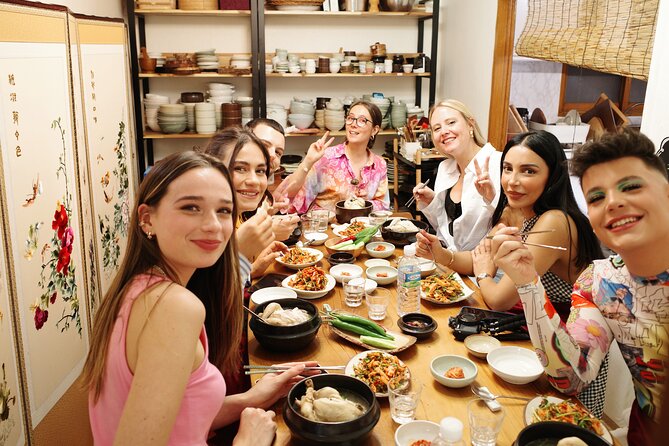
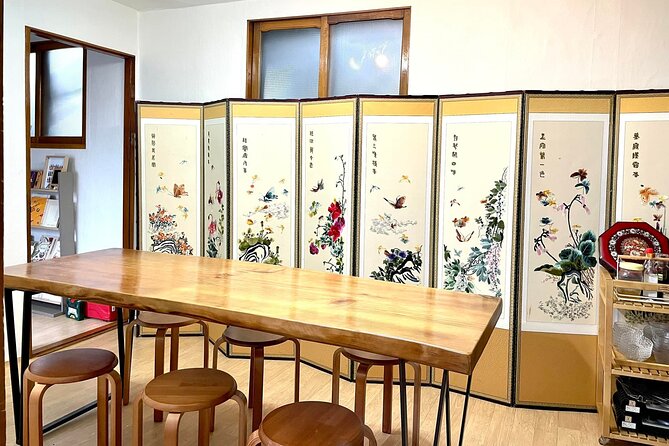
After the market, your guide leads the group to a local neighborhood and into a Korean-style house or nearby cooking studio. The supplied details describe a well-equipped, organized cooking space, with some sessions taking place in a newer studio close to the market.
The room is arranged for participation. You work on small portions of the menu, follow the chef’s instructions, and help prepare each dish. This is different from a demonstration class where the instructor does all the work while you take notes.
The pace is intended to be manageable. You may chop, mix, season, cook, and assemble food under direction. The chef helps keep people involved, which is important when several dishes are being prepared at once.
English instruction is available, and Chef Minseon is specifically praised for clear explanations and patient help. The class also begins with introductions, which makes it easier to speak with the other people in the room. That social element is useful if you are traveling alone or want an activity that is more personal than a standard sightseeing stop.
Morning tea is included. Once the cooking is complete, you sit down with the group and eat what you prepared. Depending on the selection, the included food is lunch, dinner, or dessert.
The food value at $85
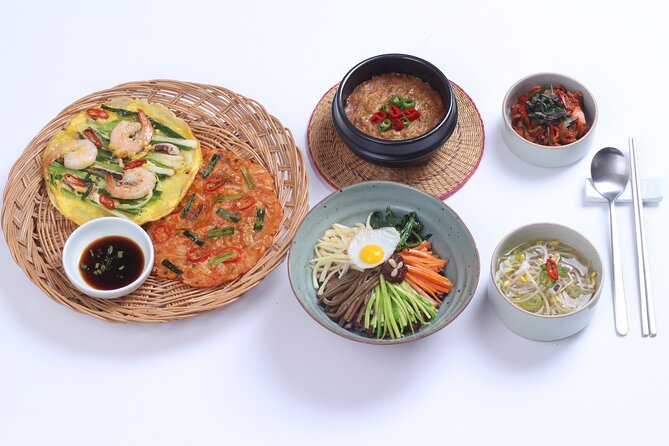
At $85 per person, this is not the cheapest meal in Seoul. You are paying for more than the food, though. The price covers a local guide, the market walk, instruction, ingredients, kitchen use, and the prepared meal.
I think the value is strongest if you care about learning. You get a market visit and a hands-on class in about three and a half hours, rather than paying separately for a meal and a short market tour. The small group also gives the instructor time to correct technique and answer questions.
The value is weaker if you only want to eat Korean food. Seoul has many less expensive meals, and this activity takes most of a morning. You should book it because you want to understand the food and make it yourself, not because it is the fastest route to lunch.
Some class participants received a recipe book to use at home. Since this is not clearly listed as a standard inclusion, treat it as a possible extra rather than a guarantee. Either way, the recipes are meant to be practical and easy to repeat, which improves the long-term value.
Dietary needs, children, and comfort
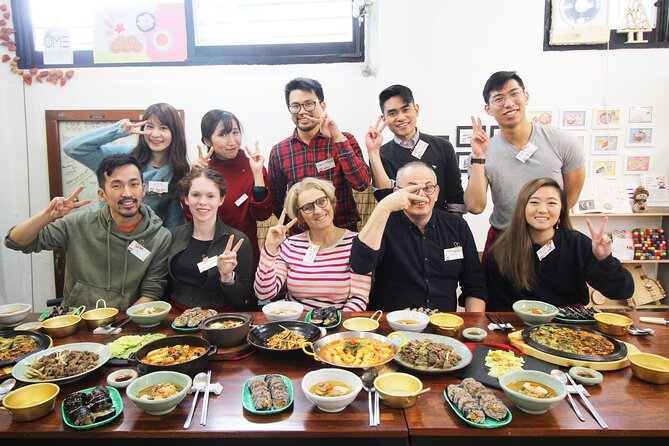
Vegan and halal options are available, but you should state your needs when booking. The class is built around a fixed menu for each day, so advance notice matters.
Guests older than 14 pay the adult price. Up to one child can participate in each class, but children under six are not accepted for safety reasons. If you are arranging a family booking, confirm that the child’s place is available before relying on it.
You will walk through a market and then spend time standing and working in the kitchen. Comfortable shoes are sensible. The class is near public transportation, but the organizer does not provide station pickup or drop-off.
The experience requires at least one person to operate, and confirmation is sent within 48 hours of booking, subject to availability. Free cancellation is available up to 24 hours before the start time. Cancellations or changes inside that window are not refunded or accepted, and a class canceled because the minimum is not met can be moved or refunded.
Who will enjoy this Seoul food experience
I would choose this class if you want a direct connection to Korean food rather than a polished restaurant meal. It suits first-time cooks, solo visitors, couples, families with an older child, and anyone who likes to bring home a skill from a trip.
It is also a good match for people who enjoy markets. The Gyeongdong visit is not filler before the real activity. It is one of the strongest parts, especially if you have not visited a Korean food market before.
Pick your date with care:
- Choose Thursday for kimchi.
- Choose Friday for bibimbap.
- Choose Tuesday or Saturday for three savory dishes.
- Choose Sunday for desserts.
- Choose Monday for samgyetang.
You might skip it if your schedule is tight, you dislike group activities, or you want complete control over the menu. The early meeting time and fixed daily menus are real limitations. So is the need to find the station exit on your own.
Should you book this cooking class?
Yes, if you want a useful, hands-on introduction to Korean food and can spare a morning in Seoul. The market walk, patient teaching, small class size, and meal at the end make the $85 price reasonable for someone who values context and participation.
For the best match, choose the menu first and the date second. Kimchi fans should book Thursday. Those wanting the widest look at a Korean meal should choose Tuesday or Saturday. If you want an easy, social activity with food you can recreate at home, this is a strong choice.
FAQ
Where does the Korean cooking class meet?
You meet at Jegi-dong Station Exit 2 in Seoul, near the Seoul Oriental Medicine Market.
What time does the activity start?
The experience starts at 10:00 a.m. You should arrive a little before the start time.
How long does the cooking experience last?
The activity lasts approximately three hours and 30 minutes.
What market do you visit?
The main market stop is Gyeongdong Market, an area known for food and traditional medicine.
Does the menu stay the same every day?
No. The menu changes according to the day you select.
Which day includes kimchi?
The Thursday class focuses on making kimchi.
Which day includes bibimbap?
The Friday class is reserved for bibimbap.
Are vegan and halal options available?
Yes. Vegan and halal options are available, but you should provide your dietary information when booking.
Is food included?
Yes. Lunch, dinner, or dessert is included, depending on the selected menu and class time. Morning tea is also included.
Can children join the class?
One child may participate in each class, but children under six are not accepted for safety reasons. Guests over 14 are charged the adult price.
Newest Seoul trips on the site
- Seoul : Must-see & Hidden Gems Private Walking Tour★ 4.9 · 8 reviews
- Seoul: Lotte World Aquarium Ticket★ 4.5 · 10 reviews
- Seoul: Max Out Must Visit City Highlights Panoramic Day Tour★ 5.0 · 7 reviews
- Seoul: K-Fashion Shopping Tour with a Professional Stylist★ 5.0 · 5 reviews
- From Seoul: Korea Spring Cherry Blossom Day Tour★ 4.8 · 6 reviews
- Seoul: Guided Street Food Tour at Namdaemun Market★ 5.0 · 10 reviews
- Seoul: Jisan Forest Winter Ski Day Tour with Basic Lesson★ 4.4 · 6 reviews
- Jisan Forest Resort: Ski Full-Day Tour or Shuttle from Seoul★ 5.0 · 4 reviews
Seoul Tours, compared.
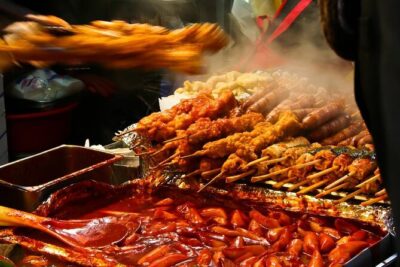
Gyeongbok Palace, Bukchon Village, and Gwangjang Tour
Read our review →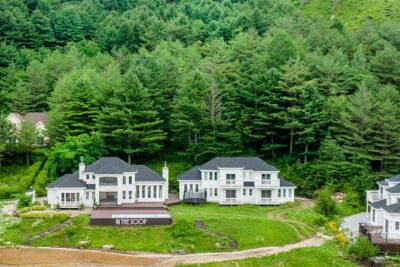
Full Day Tour In The Soop BTS Ver in PyeongChang Filming Location
Read our review →
Best Seoul City Tour (Gyeongbokgung Palace,Insadong,Namsan Tower)
Read our review →
Small-Group Royal Palace and Seoul City Tour (hotel pick-up)
Read our review →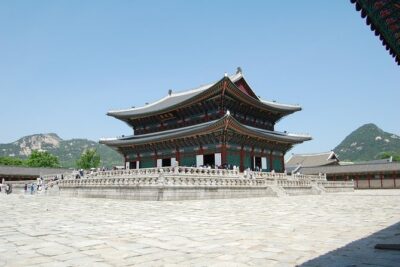
Seoul City Sightseeing Tour Including Gyeongbokgung Palace, N Seoul Tower, and Namsangol Hanok Village
Read our review →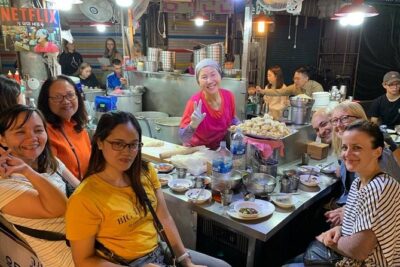
Gyeongbok Palace, Bukchon Village, and Gwangjang Tour
Read our review →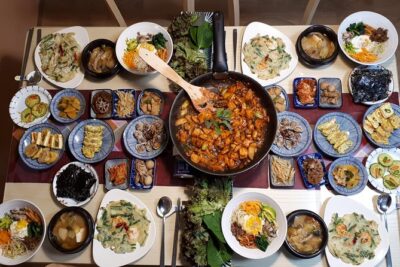
Local Home Korean Cooking Class & Market Adventure in Seoul
Read our review →Browse the lists this tour appears in