
Reviewed · JEJU TOURS
Jeju Premium Small Group UNESCO Day Tour – South
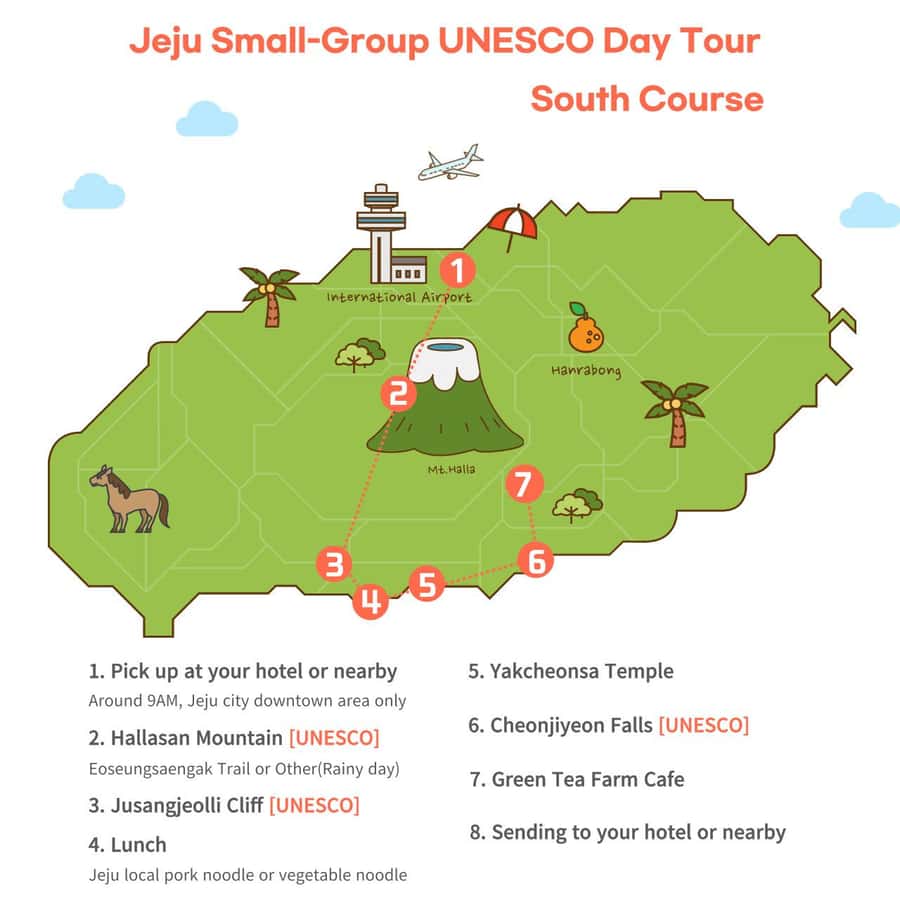
Jeju’s best southern sights fit into one well-planned day here, from a short Hallasan mountain hike to black volcanic cliffs, a grand Buddhist temple, a waterfall, and green tea fields. The route gives you nature, culture, and a proper taste of the island without asking you to organize several buses or rental-car stops.
I like the small group, capped at 15 people, and the English-only format. Guides such as Jin, Henry, and Min have been praised for clear explanations of Jeju culture and for making the day feel personal. I also like the tea stop, which takes you to a less commercial setting. The main consideration is the brief Hallasan walk: it is scenic and useful for getting a feel for the mountain, but it is not a full ascent of Hallasan.
Key points to know before booking
- The Eoseungsaengak Trail is a one-hour mountain walk: You reach about 1,169 meters on the 1.3-kilometer trail, so comfortable shoes matter.
- The group stays fairly small: With no more than 15 people and English-speaking guests only, the day should feel more focused than a large coach tour.
- The tea stop is more than a quick photo break: You receive pure green tea and yellow tea, with time to walk among the fields.
- Lunch is not included in the $100 price: Transport, entry fees, the guide, driver, van, and tea are included, but you pay separately for pork noodle soup or a vegetarian meal.
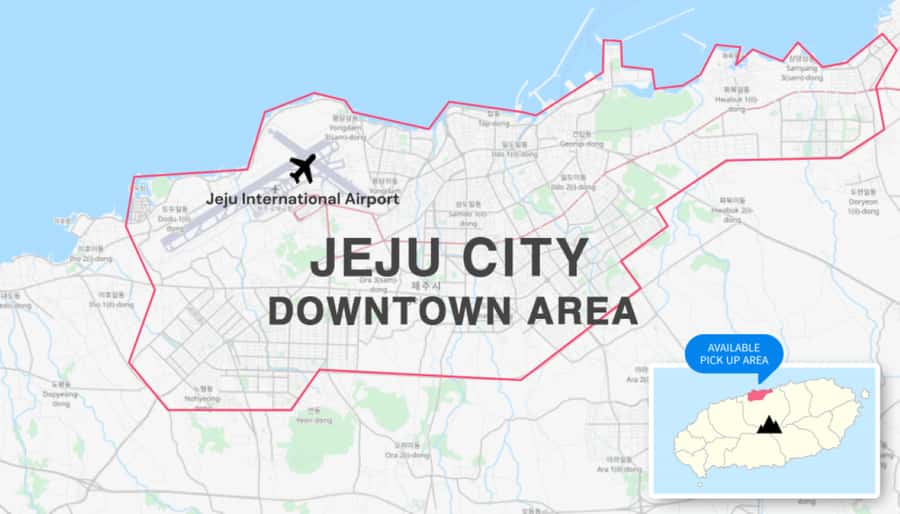
- Pickup is limited to Jeju City downtown: Hotels outside that area require you to meet the van at a nearby designated point.
- Weather can change the mountain portion: Heavy rain, snow, or icy roads may replace the hike with another attraction or indoor museum.
What the $100 price really covers
At $100 per person, this is not the cheapest way to see Jeju. It is a reasonable price if you value door-to-door transport, a small group, an English-speaking guide, and several paid sights in one day.
Your fee covers pickup and return within Jeju City downtown, a professional guide, driver, van transportation, all entrance fees, and tea at the green tea cafe. That removes the usual small costs that add up on a sightseeing day. You do not need to arrange separate admission tickets or work out a route between western and southern Jeju.
Lunch is the notable extra. The meal is usually a Jeju-style pork noodle dish or a vegetarian option, and you pay for it separately. That is worth keeping clear in your budget because the phrase all-inclusive can otherwise sound broader than it is. The tour includes the main sightseeing costs, but not food.
I see the best value for visitors staying in Jeju City who have one full day for the southern side and do not want to rent a car. If you already have a car, prefer long hikes, or want to move at your own pace, you may find the fixed schedule less appealing.
More UNESCO Sites in Jeju
- Jeju: Eastern Jeju UNESCO Spots Day Tour
★ 4.9 · 1,148 reviews - East Jeju Essentials – Seongsan Ilchulbong (UNESCO) & Haenyeo
★ 5.0 · 939 reviews - Jeju: Southern Top UNESCO Spots Bus Tour
★ 4.9 · 648 reviews
Starting with Hallasan’s Eoseungsaengak Trail
Pickup takes place between about 8:30 and 9:00 AM, with the exact time sent to you one day before departure. You will either be collected at your hotel or asked to walk to a nearby meeting point if your accommodation is outside Jeju City downtown.
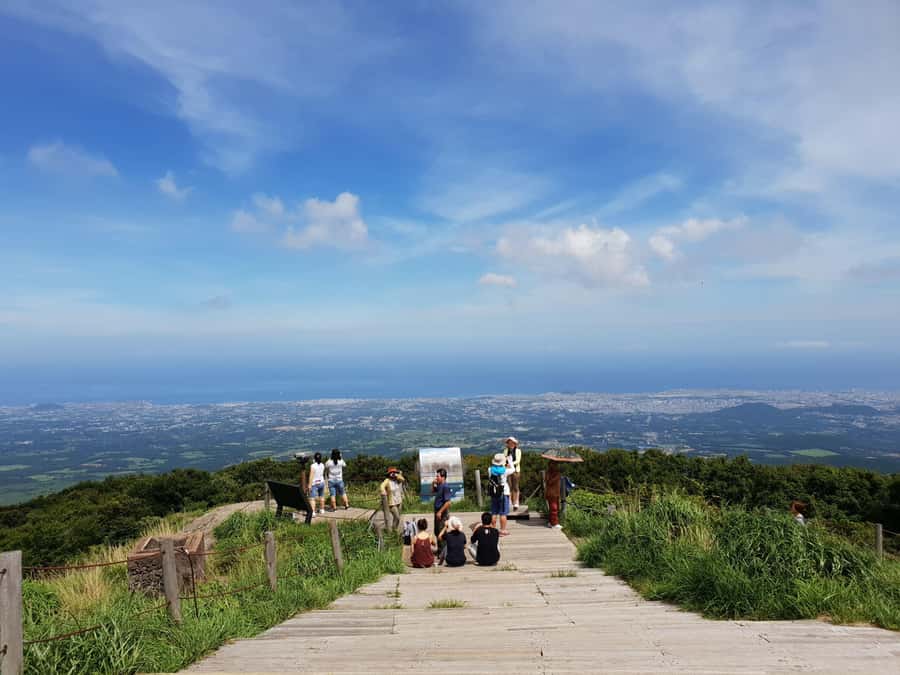
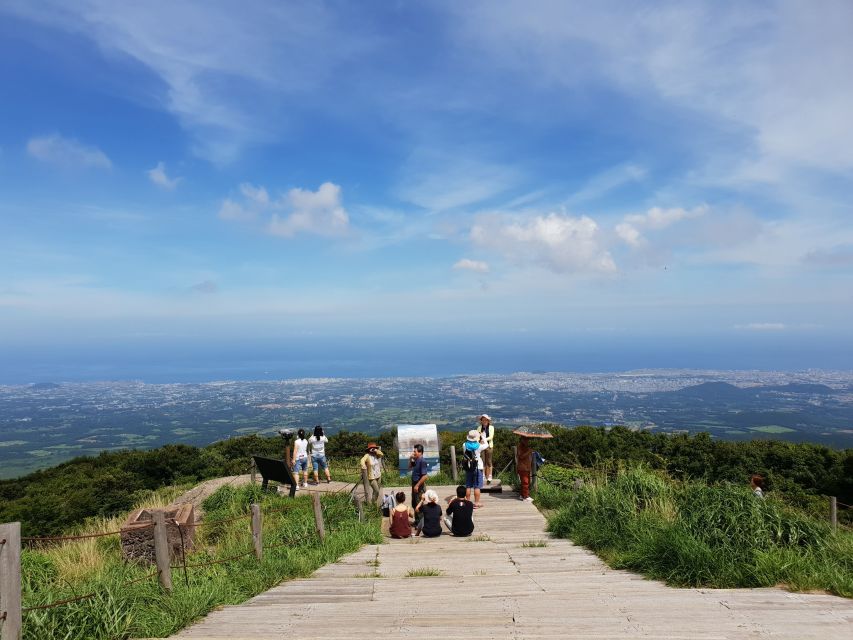
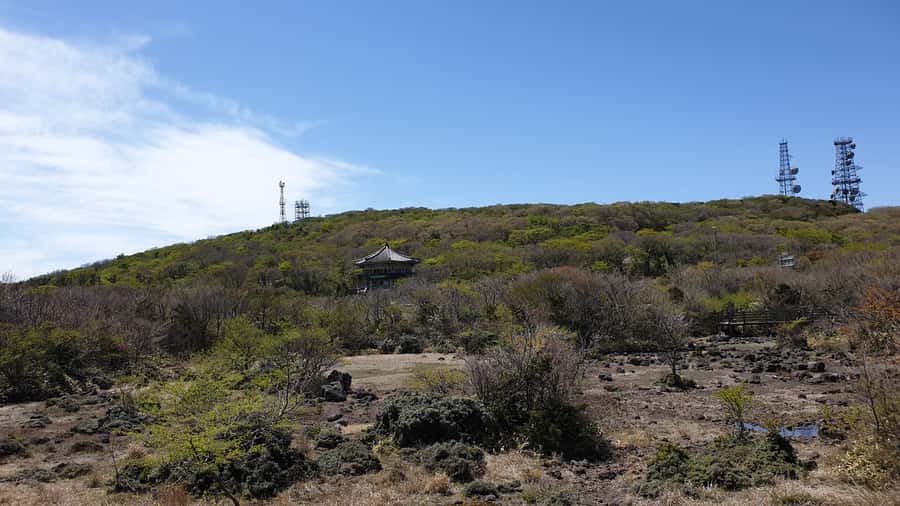
The first major stop is Mt. Hallasan, South Korea’s famous volcanic mountain and a central part of Jeju’s identity. The tour uses the Eoseungsaengak Trail for a hike of about 1.3 kilometers. The walk takes roughly one hour and reaches an elevation of about 1,169 meters above sea level.
That distance makes this a manageable introduction rather than a serious mountain expedition. You can expect a taste of forest and mountain air, along with some uphill walking, but you should not book this tour expecting to reach Hallasan’s summit. A full summit day requires far more time and preparation.
I like this choice for a mixed group. You get a real walk instead of simply viewing the mountain from the van, yet the hike does not take over the day. Wear proper walking shoes and comfortable clothes. Rain, snow, and icy roads can close the route, in which case the itinerary may switch to Songaksan Mountain, Saebyeol Oreum, or an indoor museum.
The mountain stop is also the part most affected by weather. On a clear day, it can be calm and refreshing. In poor weather, the substitute visit may still be worthwhile, but it will not provide the same experience as walking on Hallasan.
Reading the volcanic shapes at Jusangjeolli Cliff
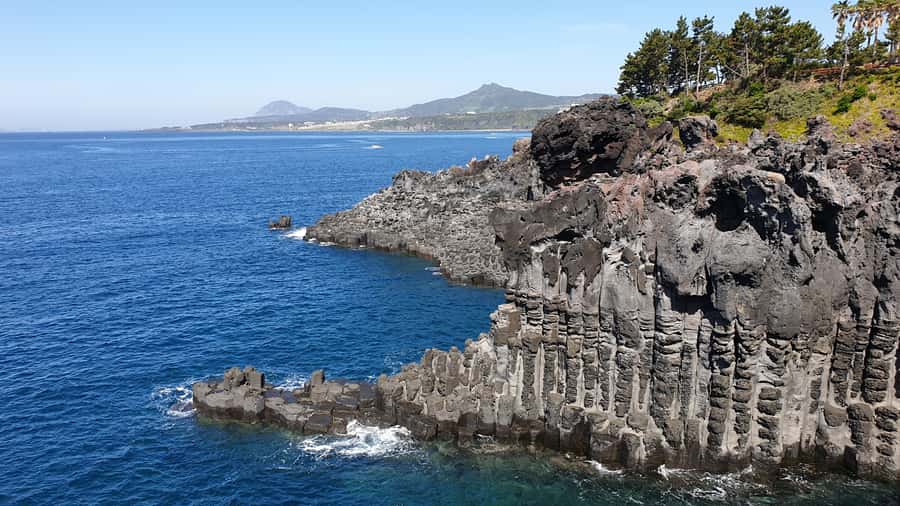
After the mountain, the tour heads toward Jusangjeolli Cliff. This is one of Jeju’s most striking coastal sights, formed by dark volcanic rock that cooled into tall polygonal columns.
The viewing area gives you a broad look at the sea and the rock formations. The stop works well after the hike because it changes the mood completely. You go from high mountain forest to open coast, with the sound and scale of the water replacing the quiet trail.
This is a good place to keep expectations sensible. Jusangjeolli is a viewing stop, not a beach visit or a swimming stop. The water may look inviting on a fine day, but the tour does not state that swimming is allowed. You should stick to the marked viewing areas and enjoy the geology.
I would give this stop extra weight if you like natural formations and photography. The angular columns are unusual, and the sea adds drama without requiring a strenuous walk. If you prefer long periods at one site, the group schedule may feel short, since several major stops must fit into one day.
A Jeju lunch with a separate bill
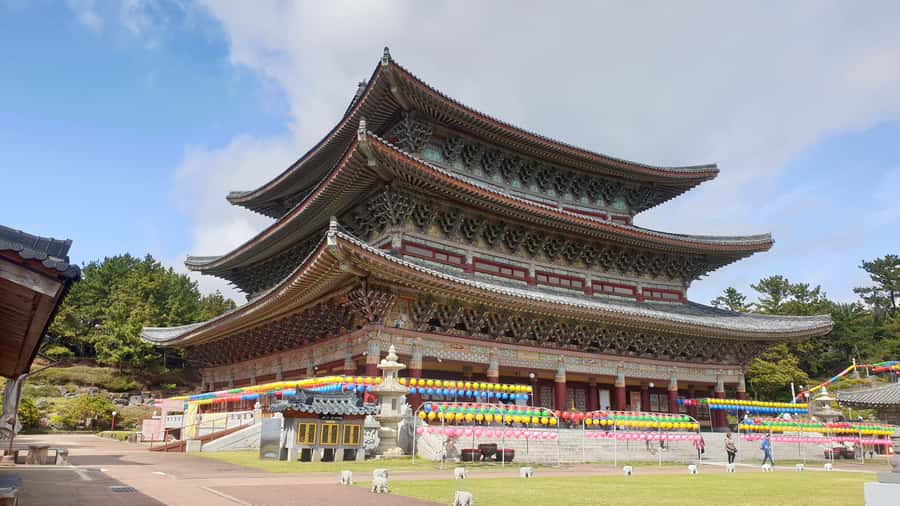
Lunch comes after the coastal stop and gives you a chance to try a local dish rather than relying on a quick snack. The main option is a traditional Jeju pork noodle meal, and vegetarian food can be arranged.
Jeju is known for black pork, so this is a useful introduction to one of the island’s familiar foods. You should still tell the operator about dietary needs when booking. A vegetarian meal is available, but the supplied information does not list every ingredient or guarantee accommodation for every allergy.
The lunch cost is not included, so carry a payment method and allow for that extra expense. This is a small but important distinction for anyone comparing tours by headline price.
Food also adds something a list of scenic stops cannot. You get a short break, a warm local meal, and a chance to ask the guide about island customs. Guides including Jin have been especially appreciated for explaining Korean culture and traditions in clear English. That kind of conversation can be one of the more useful parts of a day tour, particularly if this is your first time in Korea.
Same base, a completely different sort of day:
- Jeju: Western and Southern Sightseeing Day Tour
★ 4.8 · 972 reviews - South-West Jeju Essentials: Hallasan & Signature Highlights
★ 5.0 · 620 reviews - Jeju Island English Private & Flexible Tour any number anywhere
★ 5.0 · 561 reviews - East Jeju: Day Tour with Seongsan Peak & Haenyeo Performance
★ 4.9 · 478 reviews
Yakcheonsa Temple and Jeju’s Buddhist side
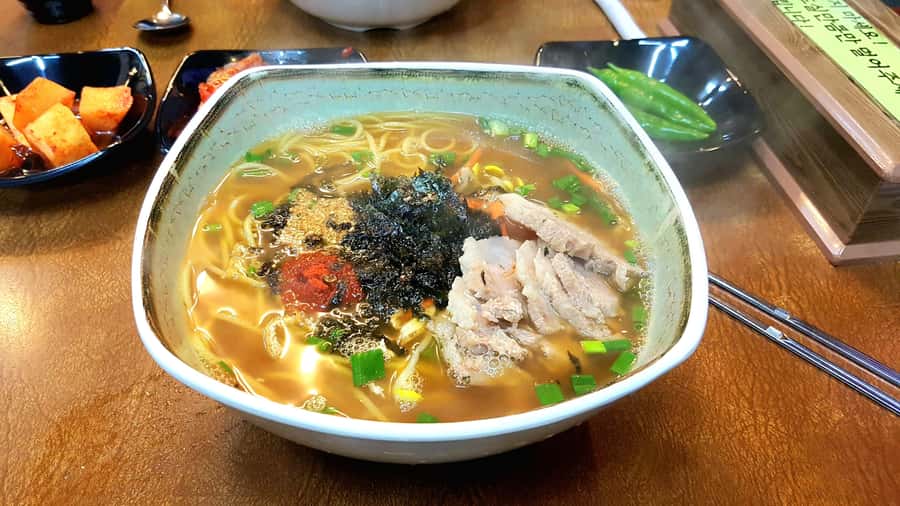
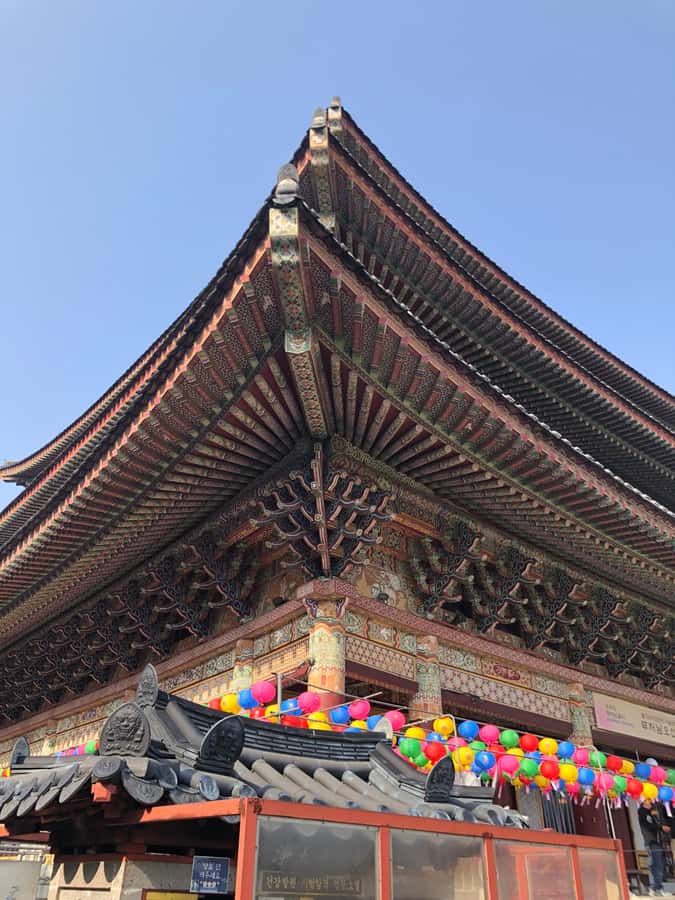
Yakcheonsa Temple offers a change from Jeju’s outdoor scenery. Its name refers to natural medicinal spring water, and the site gives you a look at Korean Buddhist architecture and worship.
The temple is described as beautiful and grand, so allow yourself time to look upward and notice the building details rather than treating it as a fast photo stop. This is also a good place to ask your guide about Buddhist customs and the role of temples in Korean life.
I like having this stop in the middle of a nature-heavy day. Hallasan, the cliff, and the waterfall all focus on the island’s physical setting. Yakcheonsa adds a cultural layer without requiring a separate museum visit.
The experience is still guided and scheduled, so you will not have unlimited time for quiet reflection. If temples are your main interest, you may prefer a specialist cultural tour. For most visitors, though, Yakcheonsa provides a welcome pause and a useful contrast to Jeju’s volcanic scenery.
Cheonjiyeon Falls, where water comes from the heavens
Cheonjiyeon Falls is known as an official natural monument of Korea. Its name refers to the appearance of water falling from the heavens, a fitting description for a waterfall surrounded by greenery and rock.
The route to a waterfall usually involves walking, though the exact length and surface are not specified here. Comfortable shoes remain a good idea for the whole day, not just Hallasan. The stop is less demanding than the mountain hike, but you should still expect to be on your feet.
Cheonjiyeon works well as a slower nature stop. After the open sea at Jusangjeolli and the large forms of Yakcheonsa Temple, the waterfall brings you back to a more enclosed setting. You can enjoy the sound of the water and take photos without needing a major climb.
The main drawback is time. This is a full route with five principal stops, so you will not have the leisure of a half-day visit focused only on the falls. I would think of it as a well-chosen introduction rather than an exhaustive exploration.
Ending among Jeju’s green tea fields
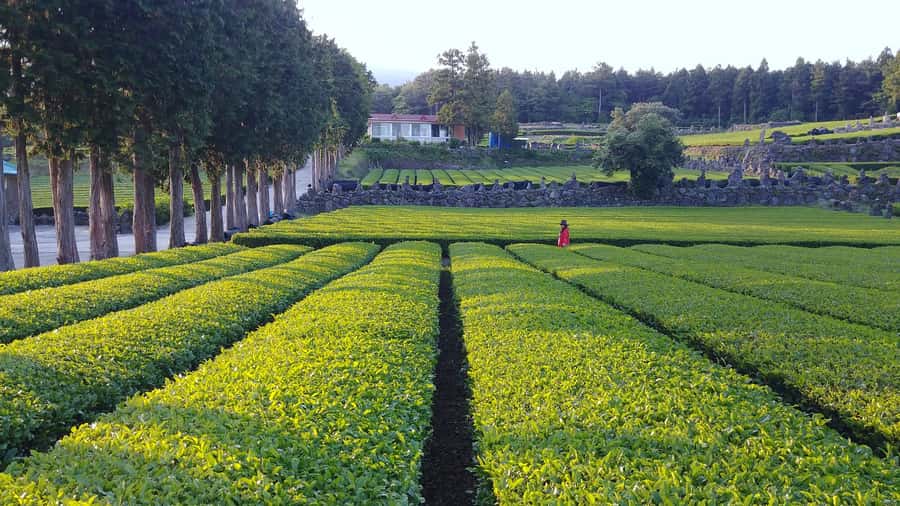
The final destination is a green tea farm, followed by tea time in a green tea cafe. You receive pure green tea and yellow tea, then have time to walk among the fields and enjoy the countryside atmosphere.
This is one of the strongest features of the day because it slows everything down at the end. Instead of finishing with another busy attraction, you get a simple drink, open greenery, and a chance to talk with the group. The tea stop also gives you something local to taste rather than another view to photograph.
Not all tea farms feel the same. This stop is presented as a more private, less commercial setting, which may appeal to you if you want a quieter experience. The exact farm and cafe can change with local conditions, so treat the tea visit as part of the day’s plan rather than a fixed independent destination.
If you are buying tea as a souvenir, no purchase is stated as part of the tour. The included benefit is the tea tasting and cafe time.
Why the small group matters
A maximum of 15 people is a useful middle ground. You get more structure than with a private car, but far less crowding than with a large bus. The van also makes it easier for the guide to explain the route, keep track of the group, and respond to questions.
The tour is for English-speaking customers only, rather than combining English and Chinese commentary. That matters because you are not waiting for repeated explanations in another language. The guide can focus the conversation on one audience.
The guide quality will naturally affect your day. Jin, Henry, and Min are among the names associated with this experience. Direct comments about Jin describe him as friendly, attentive, and good at explaining Jeju culture. Henry is praised for clear English and careful schedule guidance, while Min is described as attentive in a small group.
Those details matter more than polished transport alone. A good guide can explain why a volcanic cliff looks the way it does, tell you what to expect at a temple, and help arrange a vegetarian meal. The experience provider cannot promise which named guide you will receive, so book for the tour structure rather than a specific person unless the operator confirms it.
Timing, transport, and practical limits
The day ends at around 5:00 PM, with return transport to your Jeju City downtown hotel or a nearby point. That makes the tour easy to fit into a short Jeju stay, though you should avoid booking an evening activity with a tight start time.
Pickup is only available within the downtown Jeju City area. If your hotel is outside that zone, you will need to reach the closest meeting point. Give the hotel address when booking so the operator can confirm the arrangement.
The exact pickup time arrives the day before and falls between 8:30 and 9:00 AM. Be ready for a morning departure and keep your phone available for the update.
The route can change because of weather, road conditions, seasonal events, and other local issues. Heavy rain, heavy snow, or icy roads may replace the Hallasan walk. This flexibility is sensible on Jeju, but it means you should not treat every stop as absolutely guaranteed.
Who should book this Jeju day tour?
I would choose this tour if you want a broad introduction to southern Jeju in one day, especially if you are staying downtown and do not want to drive. It suits couples, solo visitors, small families, and anyone who likes a mix of walking, scenery, food, temples, and tea.
It is also a good match for you if you want a guide who can explain local culture instead of simply dropping you at viewpoints. The English-only format and small van help keep the day personal.
Think twice if your priority is a serious Hallasan climb. The Eoseungsaengak walk is short and manageable, not a summit route. You may also prefer another plan if you want long, unstructured time at each attraction or if your hotel is far outside Jeju City and reaching pickup is inconvenient.
Final verdict: a strong one-day introduction
At $100, this tour earns its value through convenience and variety. You get transport, admissions, a guide, driver, van, and tea, while lunch remains an extra charge. The route covers enough of Jeju’s natural and cultural character to make a single day feel full without becoming only a sequence of roadside photo stops.
Book it if you want an organized day with a real mountain walk, volcanic coast, temple, waterfall, and tea fields. Skip it if you are seeking a long Hallasan hike or complete control over your schedule. For most first-time visitors with limited time, the small group and strong guide focus make this a practical choice.
FAQ
How much does the Jeju Premium Small Group UNESCO Day Tour cost?
The tour costs $100 per person. Lunch is not included, so you should budget separately for the Jeju pork noodle or vegetarian meal.
What is included in the tour price?
The price includes hotel or nearby pickup and drop-off within Jeju City downtown, a professional guide, driver, van transportation, entrance fees, and tea time with pure green tea and yellow tea.
Is hotel pickup available everywhere in Jeju?
No. Pickup and drop-off are available only within the Jeju City downtown area. If your hotel is outside that area, you will be asked to go to the nearest meeting point.
How long is the Hallasan hike?
The Eoseungsaengak Trail walk takes about one hour and covers approximately 1.3 kilometers. The trail reaches an elevation of about 1,169 meters above sea level.
Is lunch included?
No. Lunch is paid separately. The meal is a traditional Jeju pork noodle dish or a vegetarian meal.
What happens if the Hallasan trail closes?
Heavy rain, heavy snow, or icy roads can cause the hike to be replaced by a visit to Songaksan Mountain, Saebyeol Oreum, another suitable attraction, or an indoor museum.
What time does the tour finish?
The tour ends at approximately 5:00 PM, followed by transportation back to your Jeju City downtown hotel or nearby drop-off point.
Newest Jeju trips on the site
- Jeju: Seogwipo City Walking Tours with Sunset★ 5.0 · 11 reviews
- Jeju: Western Jeju K-Drama Spots Tour with Hotel Pickup★ 5.0 · 4 reviews
- Jeju: Western & Southern Jeju Hydrangea Festival Tour★ 5.0 · 3 reviews
- Jeju: K-Drama Spot When Life Gives You Tangerines Hotel Pick★ 5.0 · 4 reviews
- Jeju: West of Jeju Island Bus Tour from Seogwipo City★ 5.0 · 20 reviews
- Jeju: Sunset Tour Olle Trail Walking Tour with Hotel Pickup★ 4.9 · 7 reviews
- Jeju West: Small Group Healing Tour w/Caves & Dolphins★ 5.0 · 8 reviews
- Jeju Premium Small Group UNESCO Day Tour – East★ 4.8 · 33 reviews
Jeju Tours, compared.

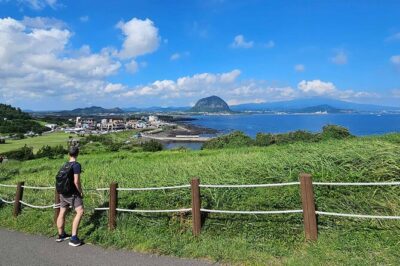
East Jeju Essentials – Seongsan Ilchulbong (UNESCO) & Haenyeo
Read our review →
South-West Jeju Essentials: Hallasan & Signature Highlights
Read our review →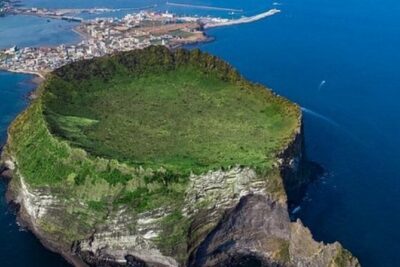
Jeju Island English Private & Flexible Tour any number anywhere
Read our review →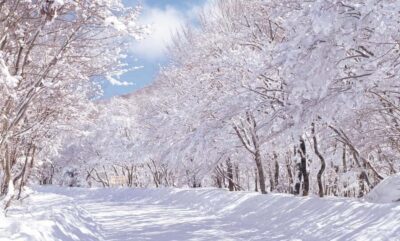
East Jeju: Day Tour with Seongsan Peak & Haenyeo Performance
Read our review →South-West Jeju Essentials: Hallasan & Signature Highlights
Read our review →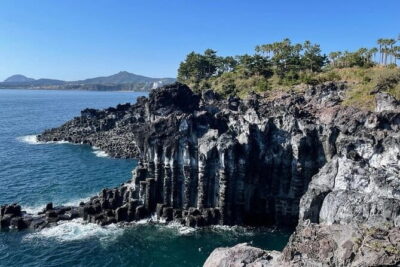
Jeju Southern UNESCO Full Day Tour with Mt.Halla
Read our review →Browse the lists this tour appears in