
Reviewed · GYEONGJU TOURS
Gyeongju: UNESCO Heritage Tour Including Bulguksa Temple
Gyeongju packs more than a thousand years of Korean history into one remarkably manageable day. This tour links the city’s Silla royal tombs, Buddhist monuments, and palace remains without making you sort out distant sites by bus or taxi. It is the easiest way to see the major sights from Busan in a single day.
I especially like the comfortable van and the human touch from guides such as Sue and Steve. I also like the balance between famous monuments and quieter places, from Gyochon Village to the grassy tomb mounds. The drawback is simple: eight hours is a lot of ground to cover, and a late start or holiday traffic can shorten time at the final stops.
Key points to know before booking
- Bulguksa and Seokguram come first: You visit Korea’s most important Buddhist sites while your energy is still good.
- A private or small-group van saves time: Pickup and drop-off are available in Busan or Gyeongju, and the sites are spread far apart.
- The guide makes the difference: Sue, Steve, Jina, Chris, and other English-speaking guides have led tours with lively historical explanations and practical help.
- Lunch and entrance fees are included: You do not need to budget separately for the main admissions, a meal, or bottled water.
- The pace is active: Several stops allow about an hour, with 30 minutes at Cheomseongdae. Wear shoes you can walk in.
- The value depends on your starting point: At $189 per person, it is a strong convenience purchase from Busan, but it can feel expensive if you are already staying in Gyeongju.
Why this Gyeongju day trip works
Gyeongju was the capital of the Silla Dynasty for roughly a millennium, and its historic sites are scattered across the city and surrounding hills. You are not visiting one enclosed museum. You are moving through royal burial grounds, temple courtyards, a mountain grotto, an old village, and a palace garden.
That spread is the main reason to take a guided tour. From Busan, arranging all of this yourself means working out intercity transport, local connections, admission tickets, and the route up to Tohamsan Mountain. The air-conditioned van removes much of that friction.
The tour has earned a 4.8 rating from 104 reviews, with transport receiving especially strong marks. That matters here. Gyeongju’s sites are not lined up along one easy pedestrian route, and a driver who knows the roads can protect your sightseeing time.
The atmosphere is friendly rather than formal. Families, couples, and small groups fit well, and private arrangements are available. Guides such as Sue have been praised for mixing facts with humor, while drivers including Joe have helped with photographs, directions, and small practical needs. Guide assignments can change, so book this for the format and route first, not for a promised individual guide.
More History Tours in Gyeongju
- From Busan: Gyeongju UNESCO World Heritage Guided Day Tour
★ 4.8 · 1,250 reviews - Gyeongju UNESCO World Heritage Guided Day Tour from Busan
★ 5.0 · 660 reviews - Old Korea Thousand History Tour of Gyeongju from Busan
★ 5.0 · 518 reviews
Bulguksa Temple begins the historic journey
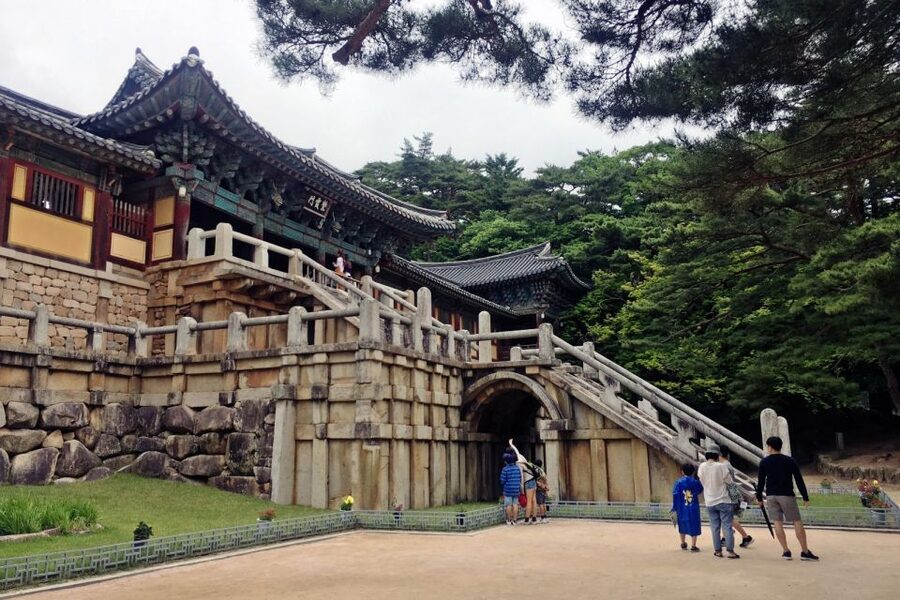
Bulguksa Temple is the tour’s grand opening, and it deserves that position. Its stone stairways, courtyards, bridges, and pagodas show how Silla builders joined religious purpose with careful design.
You get about an hour with a guide. That is enough to see the principal areas and understand why Bulguksa is protected as a UNESCO World Heritage Site, though it is not enough for a slow, solitary exploration of every corner.
Pay attention to Dabotap and Seokgatap, the temple’s famous pagodas. They are not simply decorative markers. They are central examples of Silla stonework, and their different forms give you something concrete to compare as you walk through the grounds.
The temple is also a useful introduction to Korean Buddhism. Your guide can explain how the buildings, steps, courtyards, and mountain setting fit together. The quiet setting helps, though the site can become busy during Korean holidays and popular seasons.
You will walk on uneven surfaces and climb some steps. The tour is not presented as a strenuous hike, but it is not a sit-down sightseeing day either. Give yourself time to look up at the rooflines and out across the surrounding hills instead of rushing from one photo stop to the next.
Seokguram Grotto and its granite Buddha
From Bulguksa, the van climbs Tohamsan Mountain to Seokguram Grotto. The trip adds a change of scenery and gives the day a second, more intimate Buddhist site.
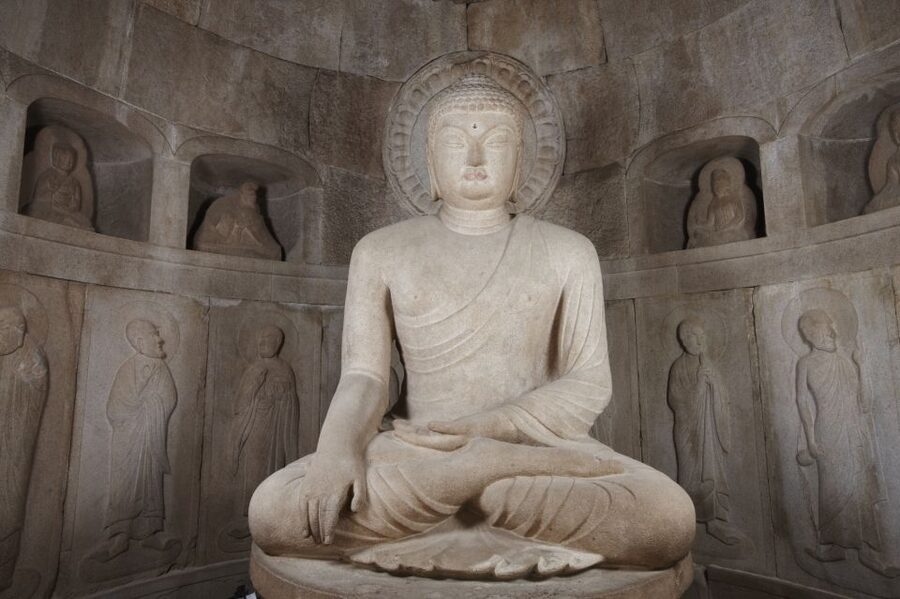
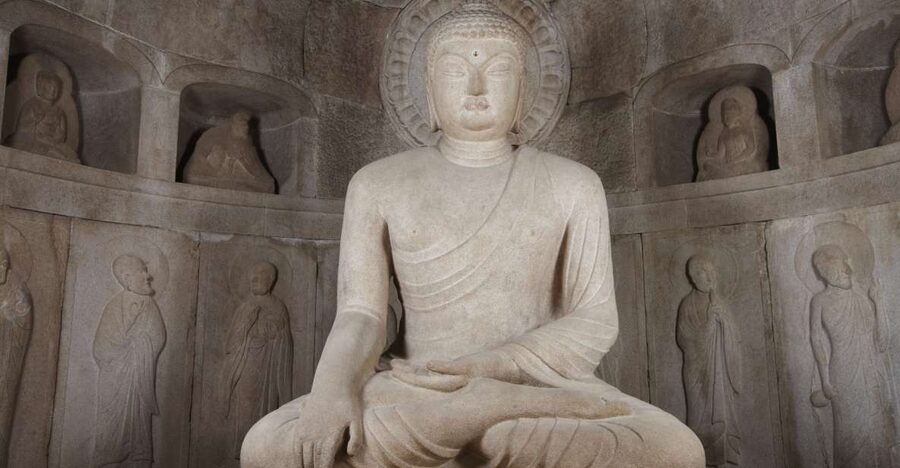
Inside the grotto, a large granite Buddha sits among carved guardians and other figures. The work is impressive not only for its religious meaning but also for the engineering involved in shaping and assembling such a carefully planned stone sanctuary.
The guided portion is listed at about an hour. The actual viewing area is more contained than Bulguksa, so the guide’s explanation is important. You will gain more from the stop if you understand what you are seeing before entering rather than treating it as a quick glance at a famous statue.
Photography conditions may be limited or controlled inside the grotto. Plan to look carefully rather than expecting a long photo session. The mountain location also means weather can affect the feel of the stop.
One particularly nice touch reported on this tour is the chance to try snacks sold by women outside the grotto. That is not the main reason to come, but it adds a small local moment to a highly significant monument.
Daereungwon’s royal tombs put Silla history underfoot
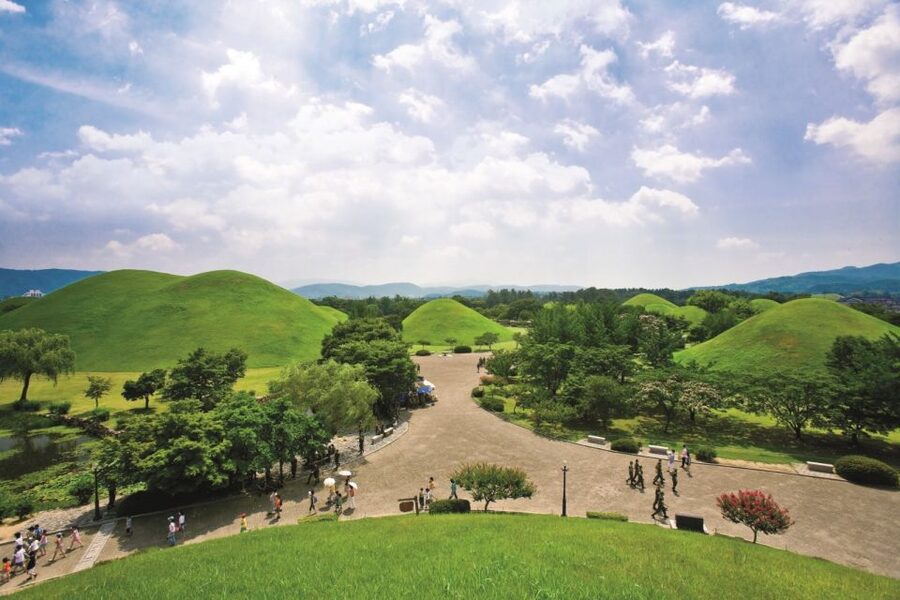
At Daereungwon Tomb Complex, the history is broad and easy to grasp. Large grassy burial mounds rise across the grounds, marking the resting places of Silla kings and aristocrats.
This is one of the tour’s most visually memorable stops because the monuments are not sealed behind a distant viewing barrier. You walk among them, with trees and open grass around the rounded forms. The scale helps you understand the power and ceremony tied to the Silla court.
The tour gives this area about an hour. Key points include Cheonmachong, associated with the famous ancient horse painting, and Hwangnamdaechong, one of the largest tombs from the period. Your guide can connect the objects and burial customs to the people who ruled from Gyeongju.
I like this stop because it slows the day down. After temples and mountain roads, a walk through the tomb complex gives you room to look, think, and take photographs. It is also one of the better places to appreciate how much of Gyeongju’s past remains part of the ordinary city setting.
There is no dramatic building entrance to announce the importance of the site. The mounds can look understated at first. That is precisely why a guide helps. Without context, you might see pleasant grassy hills. With context, you are walking through a royal cemetery.
More UNESCO Sites in Gyeongju
- Gyeongju UNESCO sites Private tour with licensed tour guide
★ 5.0 · 275 reviews - Private Gyeongju Tour – Explore Gyeongju UNESCO Sites
★ 5.0 · 272 reviews - Busan: Gyeongju UNESCO Legacy Tour with National Museum
★ 5.0 · 172 reviews - Gyeongju UNESCO World Heritage Sites and History Full-Day Tour with Lunch
★ 5.0 · 104 reviews
Cheomseongdae shows Silla’s scientific side
Cheomseongdae takes about 30 minutes, making it the shortest scheduled stop. The stone tower is traditionally recognized as the oldest surviving astronomical observatory in Asia and is linked to the reign of Queen Seondeok.
Its shape is compact and distinctive, built from carefully stacked stones. The stop broadens the story beyond kings, temples, and tombs. Silla was also capable of organized scientific work and observation of the sky.
You will not spend an hour here, and that is probably right. Cheomseongdae is best understood with a concise explanation and time for a few photographs. If you want extensive discussion of ancient astronomy, this tour’s schedule may feel brief.
The site works especially well alongside Daereungwon. One shows royal burial practice and power; the other points to the court’s interest in time, seasons, and the heavens. Together, they make the Silla period feel more complete.
Gyochon Village adds a living side of old Gyeongju
Gyochon Village changes the rhythm again. Instead of monumental ruins, you explore traditional hanok buildings and narrow, peaceful lanes associated with the Gyeongju Choi Clan.
The House of the Gyeongju Choi Clan is a central point. The visit gives you a look at historic domestic architecture and the lifestyle of a noble family. It also helps prevent the day from becoming a parade of ancient stones. Here, you can think about how people lived, worked, and passed traditions from one generation to the next.
The scheduled visit lasts about an hour. When available, you may be able to try Gyeongju Gyodong Beopju, a traditional local liquor. Availability is not guaranteed, so do not book the tour solely for the tasting.
This is also the stop where your own pace matters. You can study roof details, courtyards, and village lanes, or simply enjoy a quieter break between major attractions. The tour may adjust the order or amount of time at stops when traffic, crowds, or personal requests require it.
Wolji Pond is the right final view
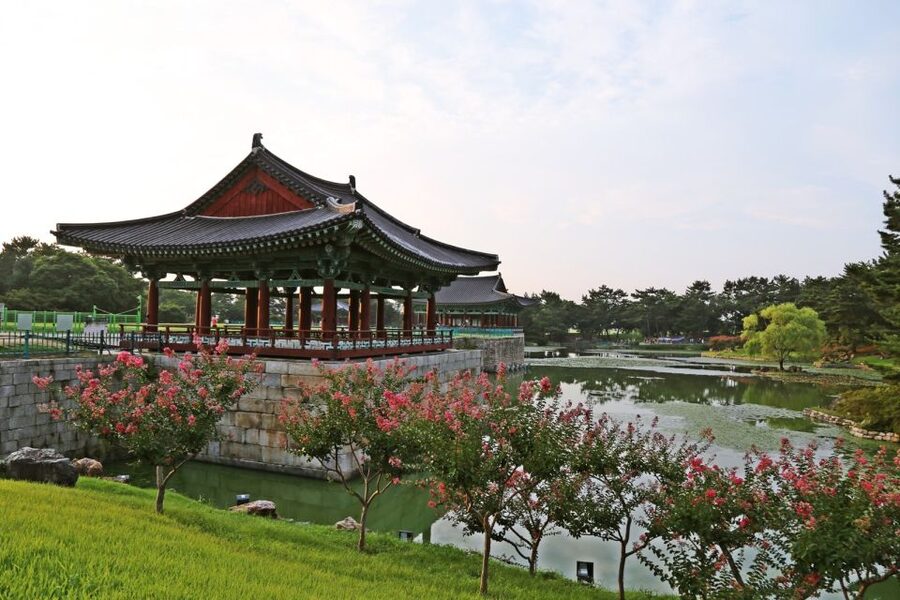
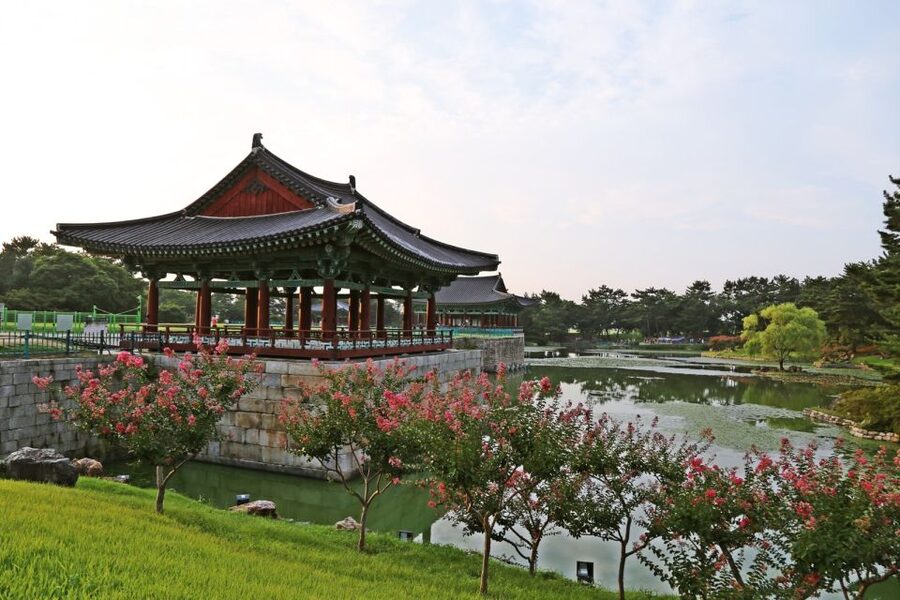
Donggung Palace and Wolji Pond, formerly known as Anapji, finish the sightseeing. The palace buildings are largely gone, but the pond and reconstructed pavilions preserve the sense of a royal garden created during King Munmu’s reign.
The water reflects the pavilions and trees, making this one of Gyeongju’s most pleasing places for photographs. The mood is especially good toward dusk, when the light softens and the garden feels more reflective than ceremonial.
You receive about an hour here. It is a smart final stop because you can absorb the day’s themes in one view: royal power, careful architecture, water, and nature. If the tour starts late or traffic is heavy, this may be the place most at risk of a shortened visit. One booking from a late-starting group missed the final scheduled item, though the group accepted the change to visit another village.
If Wolji Pond is a priority, ask about the expected timing at the start of the day. Guides such as Steve have adjusted routes around crowds and traffic, but no driver can remove the effects of a major Korean holiday.
Lunch, transport, and the $189 question
Lunch is included, along with bottled water and all entrance fees. The meal has received repeated praise, with bibimbap and other Korean food making a strong impression. One family particularly enjoyed learning how to mix bibimbap properly, and another group appreciated that the guide and driver joined the meal.
The exact restaurant and menu are not specified, so you should think of lunch as a useful included meal rather than a guaranteed culinary destination. It is still valuable on a packed day because you do not need to spend sightseeing time searching for food.
At $189 per person, this is not the cheapest way to see Gyeongju. If you are already based in Gyeongju and comfortable using local transport, a self-guided visit will likely cost less. A separate comment also judged the price high compared with a similar tour departing Busan.
From Busan, the calculation changes. You are paying for an air-conditioned van, hotel pickup and return, an English-speaking guide, a driver, lunch, water, and admissions. You also avoid losing time between widely separated sites. For a first visit or a one-day Busan stay, that package can be fair value.
The 96 percent perfect score for transport is worth noting. Heat, holiday crowds, and long roads can make this kind of day tiring without a private vehicle. In August, a guide even prepared iced water for the group. That is a small detail, but it shows why vehicle comfort matters.
How much walking and time should you expect?
The tour lasts eight hours, but the day is not eight hours of continuous guiding. You will alternate between driving, walking, viewing monuments, and eating.
Plan for:
- About one hour at Bulguksa Temple
- About one hour at Seokguram Grotto
- About one hour at Daereungwon
- About one hour at Wolji Pond
- About 30 minutes at Cheomseongdae
- About one hour at Gyochon Village
Wear comfortable shoes and bring sun protection in warm weather. The tour includes water, but you may want additional drinks if you are sensitive to heat. The schedule can feel full, especially when traffic is heavy or a holiday brings large local crowds.
A private group gives you more control. A small group offers a social atmosphere without the size of a large coach tour. In either format, tell the guide early if one stop matters most to you.
Who should book this Gyeongju tour?
I would choose this tour if you are staying in Busan and want Gyeongju’s main sights without planning a complicated route. It also suits first-time visitors who want historical context instead of simply collecting photographs.
Families can benefit from the van, included lunch, and guide support. Couples and solo visitors may appreciate the easy logistics and the chance to see several UNESCO and national treasure sites in one day.
It is less suitable if you prefer long, unhurried visits at each monument. The schedule covers a lot, and a late departure can force compromises. Independent visitors already staying in Gyeongju should compare the $189 cost with local transport and admission prices before booking.
Should you book it?
Book this Gyeongju UNESCO heritage tour if your priority is seeing the major Silla sites efficiently from Busan. Bulguksa, Seokguram, Daereungwon, Cheomseongdae, Gyochon Village, and Wolji Pond give you a well-rounded day, while the guide adds the context that scattered ruins often lack.
The strongest reasons are the comfortable van, included lunch and admissions, and the warm practical help provided by guides such as Sue, Steve, and Jina. The main caution is the price and pace. If you are already in Gyeongju, compare alternatives. If you have only one day and want the route handled for you, this is a sensible choice.
FAQ
Where does the tour pick me up?
Pickup is available from your hotel or chosen location in Busan or Gyeongju.
Where does the tour finish?
Drop-off is available in Busan or Gyeongju, depending on your selected location.
How long does the tour last?
The activity lasts eight hours.
What language does the guide speak?
The live tour guide speaks English.
Is transportation included?
Yes. The tour includes an air-conditioned van, a driver, and hotel pickup and drop-off.
Is lunch included?
Yes. Lunch is included in the tour price.
Are entrance fees included?
Yes. All entrance fees listed for the tour are included.
Which major sites are visited?
The route includes Bulguksa Temple, Seokguram Grotto, Daereungwon Tomb Complex, Donggung Palace and Wolji Pond, Cheomseongdae, and Gyochon Traditional Village.
Can I book a private tour?
Yes. Private and small-group options are available.
Can I cancel for a full refund?
You can cancel up to 24 hours in advance for a full refund.
More Temple Tours in Gyeongju
- From Daegu: Gyeongju UNESCO Tour 7 Highlights with Bulguksa
★ 4.6 · 5 reviews - Seoul: Mt Seorak + Naksansa Temple or Nami Island Group Tour
★ 4.7 · 422 reviews - Best Things to Do – Half Day Seoul Trip (Seoul Palace & Temple)
★ 5.0 · 190 reviews - Mount Seorak and Naksansa Temple One Day Tour from Seoul
★ 4.5 · 167 reviews
Newest Gyeongju trips on the site
- Gyeongju: Private Car Charter Taxi Tour★ 5.0 · 37 reviews
- From Daegu: Gyeongju UNESCO Tour 7 Highlights with Bulguksa★ 4.6 · 5 reviews
- From Busan: Echoes of Silla Gyeongju Historical Day Tour★ 4.8 · 55 reviews
- From Busan: Gyeongju Small Group Photo Tour & Hotel Pick-up★ 5.0 · 3 reviews
- From Busan: Gyeongju Historical Day Tour with Sky Capsule★ 4.7 · 17 reviews
- From Busan: Gyeongju Full-Day Historical Tour★ 4.1 · 6 reviews
- From Busan: Busan & Gyeongju One Day Tour★ 5.0 · 5 reviews
- Busan: Winter Healing Park and (Gyeongju/Daegu) One Day Tour★ 5.0 · 5 reviews
Gyeongju Tours, compared.
Gyeongju Guided Day Trip to Three Kingdoms Capital
Read our review →
Gyeongju UNESCO World Heritage Guided Day Tour
Read our review →
Gyeongju UNESCO World Heritage Guided Day Tour from Busan
Read our review →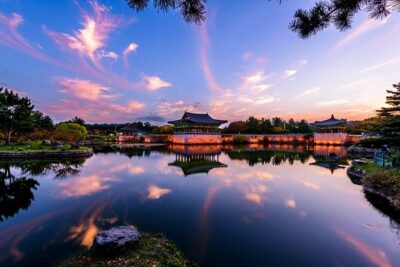
Old Korea Thousand History Tour of Gyeongju from Busan
Read our review →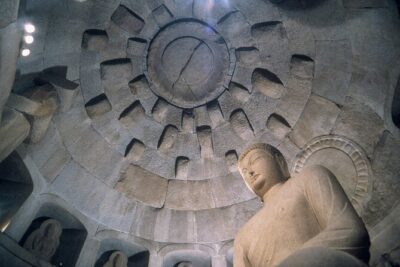
Gyeongju UNESCO sites Private tour with licensed tour guide
Read our review →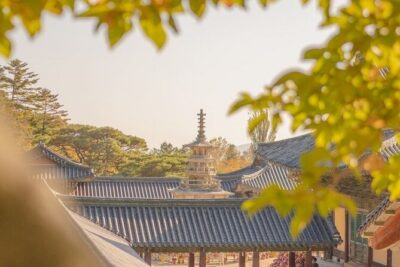
Private Gyeongju Tour – Explore Gyeongju UNESCO Sites
Read our review →
Gyeongju UNESCO Legacy Tour with National Museum
Read our review →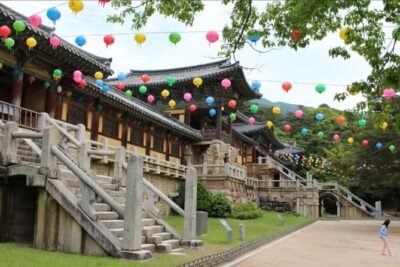
Gyeongju UNESCO World Heritage Sites and History Full-Day Tour with Lunch
Read our review →Browse the lists this tour appears in