
Reviewed · GYEONGJU TOURS
Gyeongju: Private Car Tour with a Licensed Tour Guide
Gyeongju is where Korea’s ancient Silla kingdom feels most real, and this private car tour gives you a practical way to connect the major sites. You can travel from Busan, return to Busan, or finish in Gyeongju, while a licensed guide explains the temples, tombs, Buddhist art, and royal customs along the way. I especially like the door-to-door transport and the chance to adjust the day when heat, crowds, rain, or tired legs get in the way.
The other big plus is the human touch. Guides including Mia, Jason, Joy, Dylan, and Gina have helped visitors understand unfamiliar dishes at lunch, avoid busy times, arrange photos, and change the pace for older family members. The main consideration is time: seeing every listed stop from Busan makes for a long, active day, and lunch and entrance fees are extra.
Key points to know before booking
- A private route from Busan or Gyeongju: Pickup and drop-off can be arranged in either city, with several combinations available.
- Licensed English-speaking guides: Mia, Jason, Joy, Dylan, Gina, and other guides have led the tour, with strong praise for clear explanations and friendly service.
- Six major cultural stops: The route covers Bulguksa Temple, Seokguram Grotto, Daereungwon, Cheomseongdae, Gyeongju National Museum, and Donggung Palace and Wolji Pond.
- Flexible pacing: Your guide can adjust the schedule for fitness, weather, crowds, family needs, and personal interests.
- Comfortable private transport: The air-conditioned vehicle includes fuel, parking, and toll fees, which matters on a full day in summer.
- A substantial Korean meal: Hongsi Hanjeongsik is planned as a traditional lunch, but the meal itself is not included in the tour price.
Why a private car makes Gyeongju easier
Gyeongju’s sights are spread across the city and surrounding hills. Bulguksa and Seokguram are in the southeast, while the royal tombs, observatory, museum, and palace pond are closer to the central historic area. A private vehicle saves you from piecing together separate taxis and public transport rides.
The tour costs $399 per group of up to seven people. That price is not cheap for one person, but it becomes much better value with a full group. Seven people sharing the cost pay about $57 each before lunch and entrance fees. A couple will pay more per person, but you are also paying for a private guide, vehicle, fuel, parking, tolls, and a route that can begin and end at your accommodation.
I like this setup for families and small groups because you do not have to keep up with strangers or wait for a large coach. You can ask for a slower pace, spend more time at a favorite site, or cut something short when the heat takes over. One family even had the itinerary changed when a grandmother became tired, while another group received extra time after arriving during a national holiday.
The vehicle is air-conditioned, a major advantage in Gyeongju’s hot months. Several guides have also been praised for safe driving and comfortable vans or spacious SUVs. In winter, one guide prepared hot packs, and in wet weather another supplied raincoats and umbrellas. These are small touches, but they matter when the weather does not cooperate.
A few more Gyeongju trips worth comparing
- Gyeongju: Private Car Charter Taxi Tour
★ 5.0 · 37 reviews - Jeju Island Popular Sightseeing Private Car Charter Tour 5/9hours
★ 5.0 · 382 reviews - Jeju Island: Private Car Charter Tour
★ 4.9 · 157 reviews
Bulguksa Temple and the Silla imagination
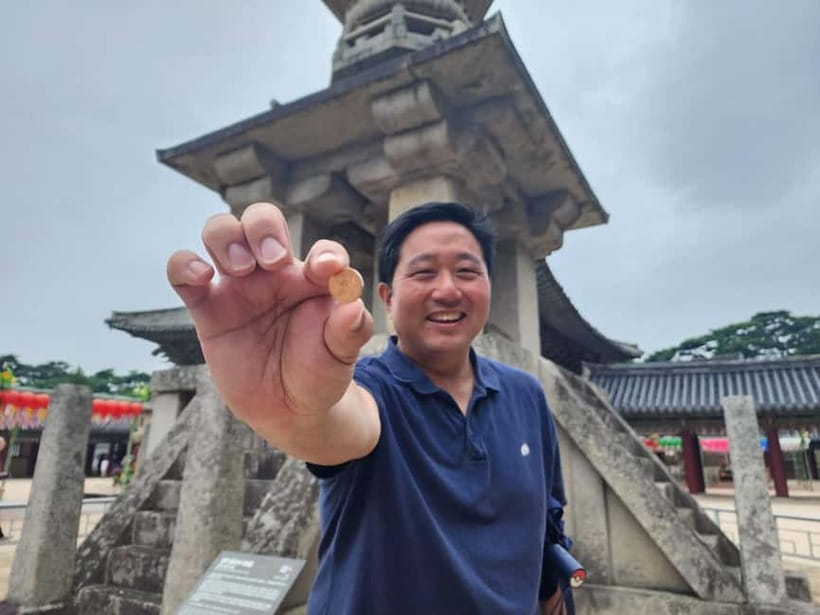
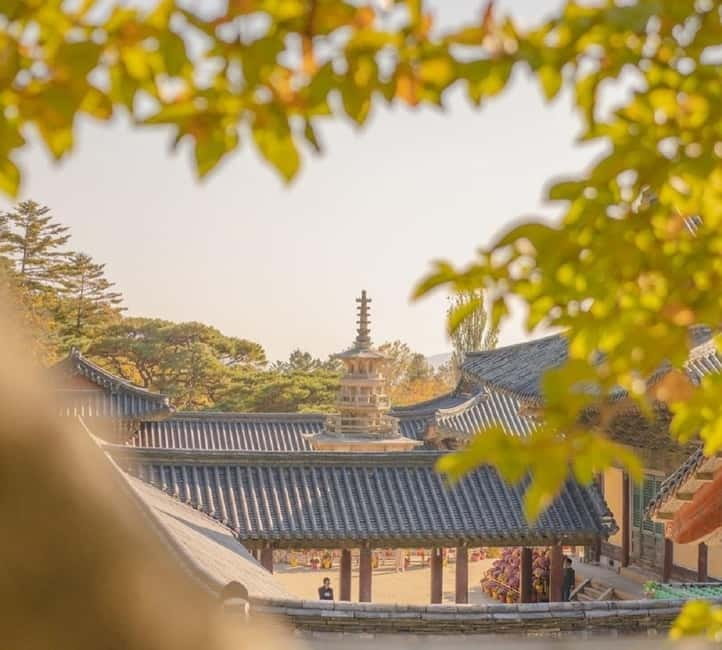
Bulguksa is usually the first major stop, with about an hour for a guided visit. This UNESCO World Heritage site is one of the clearest introductions to Silla-era Buddhism and architecture.
The temple complex is known for its grand halls, stone stairways, and carefully worked pagodas. Your guide can help you read the site rather than simply photograph it. The stonework, layout, and religious images make more sense when you understand how Buddhism shaped Silla court life.
This is also one of the places where a guide makes a real difference for visitors who do not usually enjoy temples. Joy has been praised for explaining Bulguksa in a way that made the visit accessible even to someone who normally dislikes temple sightseeing. That is the right standard to expect: not just names and dates, but stories that show why the buildings matter.
The site involves walking and some uneven surfaces, so tell your guide early if stairs or extended walking are difficult. The itinerary is adjustable, but Bulguksa is not a drive-by attraction. Give it enough time to appreciate the stone details.
Seokguram Grotto and a quieter Buddhist setting
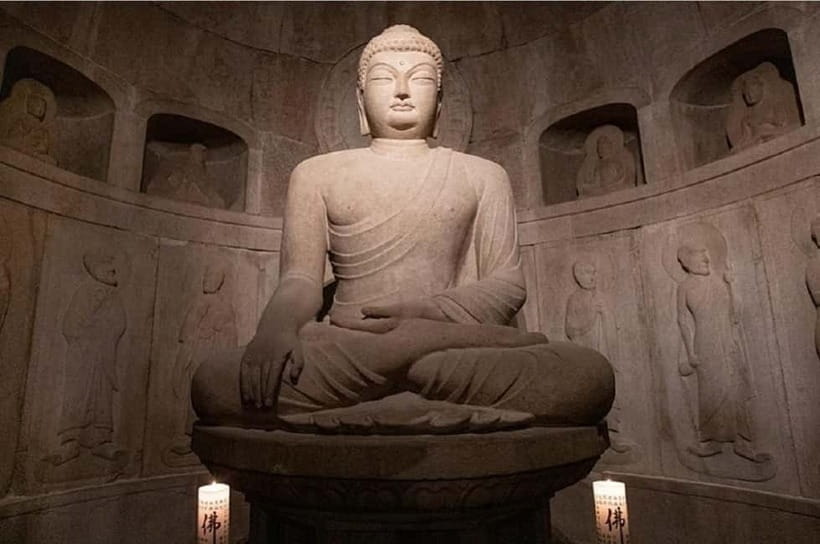
A short drive from Bulguksa brings you to Seokguram Grotto, another UNESCO World Heritage site. The grotto is artificial, built from stone, and contains a large Buddha surrounded by carved Buddhist figures.
The atmosphere here is different from Bulguksa. Bulguksa is an open temple complex with courtyards and buildings, while Seokguram focuses attention on one carefully arranged sacred chamber. Your guide can explain the Buddha, surrounding figures, and the artistic choices that make the space so powerful.
The visit is planned for about an hour. The grotto itself is not a huge attraction in terms of physical size, so the value comes from understanding what you are seeing. A guide who can explain Buddhism and Silla culture in clear English helps turn a brief visit into a meaningful one.
Because Seokguram sits away from the central city sights, a private car is especially useful here. You avoid arranging separate transport between two UNESCO sites and can make the journey at a pace that suits your group.
Hongsi Hanjeongsik and the meaning of a Korean meal
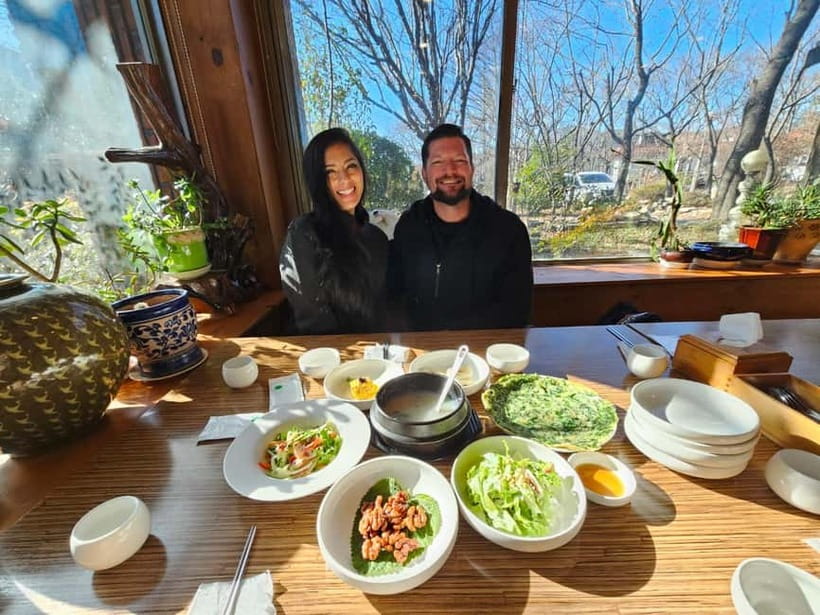
Lunch at Hongsi Hanjeongsik is presented as a traditional Korean meal rather than a quick stop between monuments. The meal includes appetizers, fish, meats, three types of soup, side dishes, dessert, frozen persimmon, and Korean tea made with more than ten medicinal herbs.
The guide’s role is valuable here. Korean meals can arrive with many dishes at once, and it is not always obvious how they fit together. Mia and Gina have been praised for explaining the dishes and helping with ordering, which turns lunch into part of the cultural program rather than a pause in it.
The restaurant is described as reasonably priced, but lunch is not included in the $399 tour cost. Confirm the current menu and payment arrangements when you book. You should also allow room for a substantial meal, since the lunch is designed as a full traditional spread.
Food is one of the best ways to make a history tour feel connected to the present. After a morning of temples and Buddhist art, a local meal gives you a direct experience of Korean dining customs. If your group has dietary restrictions, tell the provider ahead of time so the restaurant choice can be discussed.
Same base, a completely different sort of day:
- Busan: Gyeongju Guided Day Trip to Three Kingdoms Capital
★ 4.8 · 1,925 reviews - From Busan: Gyeongju UNESCO World Heritage Guided Day Tour
★ 4.8 · 1,250 reviews - Gyeongju UNESCO World Heritage Guided Day Tour from Busan
★ 5.0 · 660 reviews - Old Korea Thousand History Tour of Gyeongju from Busan
★ 5.0 · 518 reviews
Daereungwon and the royal tombs
After lunch, the route moves into central Gyeongju and the Daereungwon Tomb Complex. Large grassy burial mounds mark the resting places of Silla royalty and nobles. Their simple outer shapes can look almost mysterious until you understand what lies inside.
Cheonmachong Tomb can be entered, and displays show objects found during excavation. This gives you a more concrete view of Silla royal life than the mounds alone. Gold, pottery, burial objects, and other artifacts help explain the power and ceremony surrounding the Silla court.
The outdoor portion is generally calm and open, but you will be walking. In hot weather, the combination of sun and earlier temple visits can wear you down. The private vehicle lets you recover between stops, and your guide can shorten the visit if needed.
Entrance to Daereungwon is listed at about $2 and is not included. It is a small extra cost, but remember that the tour price does not cover all site admissions.
Cheomseongdae, a compact stop with a big story
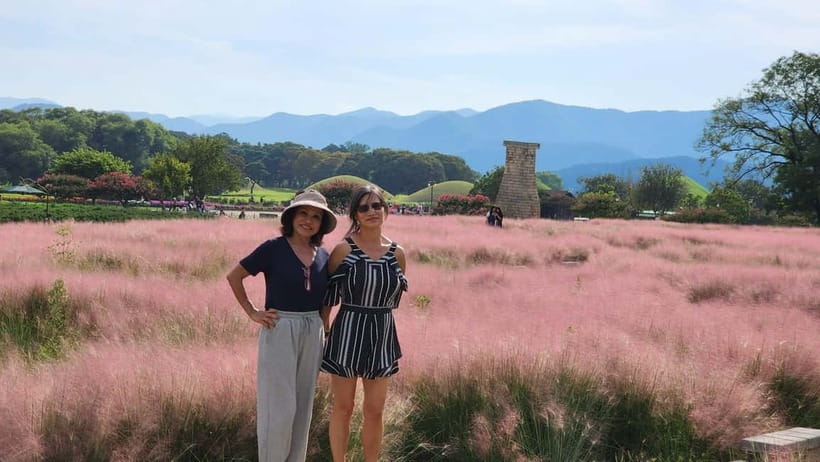
Cheomseongdae takes about 30 minutes and is one of the shortest stops on the route. It is also one of the most distinctive: the bottle-shaped stone structure is traditionally identified as an astronomical observatory from the reign of Queen Seondeok.
You will not spend hours here. Instead, this is a useful stop for understanding Silla science, royal authority, and the importance of watching the sky. The structure’s shape and construction make more sense when your guide explains how it may have been used to observe stars and track weather patterns.
Because Cheomseongdae is brief, it works well between the larger museum and tomb visits. If your group has a special interest in science, Queen Seondeok, or Silla engineering, ask your guide for extra context. If you are running late, this is one of the easier stops to keep concise.
Gyeongju National Museum and the objects behind the stories
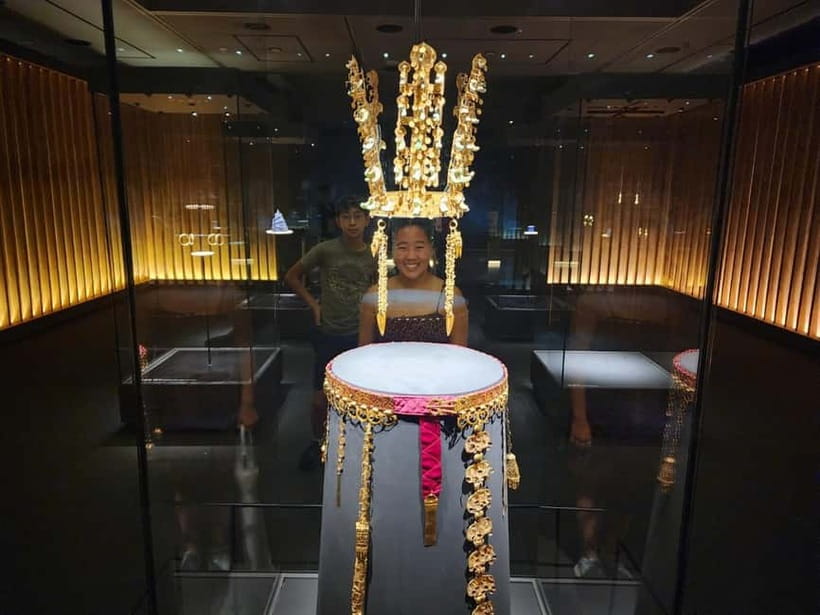
The Gyeongju National Museum gives you the indoor context that outdoor ruins cannot provide. Its collection includes Silla gold crowns, pottery, Buddhist objects, and other archaeological finds from the area.
I consider this one of the most useful stops for first-time visitors. At Bulguksa, you see the religious setting. At Daereungwon, you see the burial mounds. In the museum, you see the actual objects that show how the Silla court lived, worshiped, and displayed status.
Plan on about an hour with the guide. The museum can feel dense if you try to read every label, so let your guide point out the pieces that best connect with the day’s earlier sites. English explanations and a clear route through the collection are especially helpful here.
The order of the stops can be adjusted. The listed schedule places the museum before Donggung Palace and Wolji Pond, but your guide may shift the timing to fit opening hours, crowds, weather, or your preferred sunset visit.
Donggung Palace and Wolji Pond at the end of the day
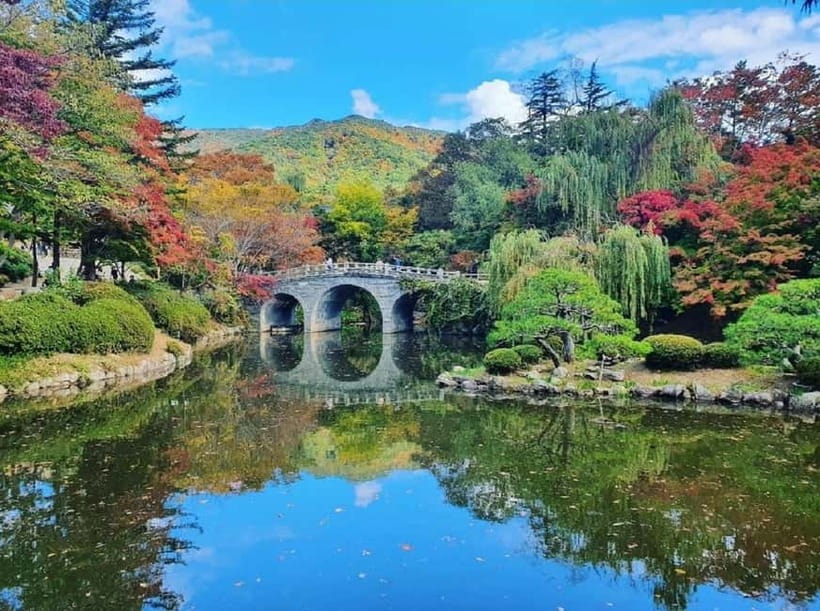
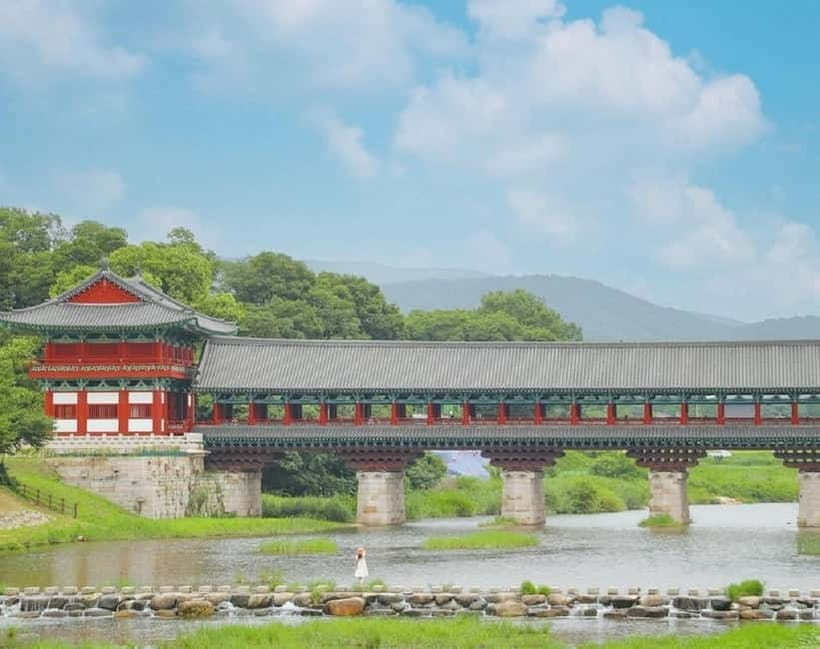
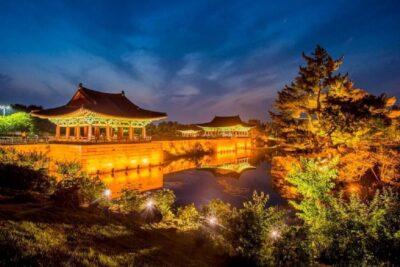
Donggung Palace and Wolji Pond is often the most atmospheric stop. The pond belonged to a secondary Silla palace complex, and the reconstructed buildings reflect beautifully in the water, especially around dusk.
This is a good place to finish because the mood changes from study to quiet sightseeing. In daylight, you can focus on the palace grounds and the pond’s design. As evening comes, lighting adds another layer and creates strong photo opportunities.
Entrance is listed at about $2 and is not included. If you want the best chance of seeing the site near sunset, mention that when arranging the starting time. A late finish may affect your drop-off time, particularly on a Busan return.
The pond is also a useful test of the tour’s flexibility. Some groups may prefer the museum in the afternoon and the pond near dusk. Others may need to leave earlier. Your guide can help balance the ideal light against the realities of traffic and travel time.
Choosing the right tour length and route
The experience is sold in several formats, and the timing matters.
A four-hour option is limited to pickup and drop-off within Gyeongju. That version is best for a shorter introduction or for visitors already staying in the city. It is unlikely to allow a relaxed visit to every listed stop, so confirm exactly what will be included when you book.
An eight-hour route can begin and end in Gyeongju, begin in Busan and finish in Gyeongju, or begin in Gyeongju and finish in Busan. A nine-hour option covers Busan pickup and Busan return. The full route from Busan is a long day, but it is efficient if you have limited time and want to avoid changing hotels.
The listed full itinerary adds up to several hours of visits before driving, lunch, and breaks. Do not expect a slow, unhurried day at every site. You will see a great deal, but you should tell the guide which places matter most so the day has a clear priority.
The best fit is a family, couple, or group of up to seven people who values convenience and explanation over the lowest possible price. It is also a strong choice for anyone staying in Busan who wants to see Gyeongju without arranging intercity transport independently.
What the guides add to the day
The strongest feature of this tour is the guide. Mia has used a binder of photos to make historical stories easier to follow. Jason has been praised for clear English, safe driving, humor, and practical help. Joy is known for careful pacing, local familiarity, and thoughtful assistance with water, snacks, photos, and restaurant suggestions.
Other guides, including Dylan, Gina, Daisy, Larry, Willow, Arthur, Austin, Cynthia, and Kim, have also led the experience. Their styles may differ, so you can request a preferred guide if availability allows, but the provider cannot promise a particular person without confirmation.
Expect the guide to do more than recite facts. The best parts of this format are the small explanations: why a dish is served a certain way, how Buddhism shaped Silla, what objects found in a tomb reveal about royal life, or why a crowded holiday requires a different route.
Communication before the tour is another practical strength. Some guides confirm meeting details through WhatsApp, and the provider can help with arrangements such as taxis or extra transport. Pickup is at the first floor of your accommodation at the requested time.
The tour is wheelchair accessible, but several historic sites include outdoor paths, stairs, or uneven ground. Tell the provider about mobility needs before booking so the route and pacing can be planned properly.
Is $399 good value for you?
For a full private day with up to seven people, the price is fair, particularly when you add the vehicle, guide, fuel, tolls, and parking. The value rises sharply with five to seven people. For two people, a shared group tour or public transport may cost less, but neither gives you the same control over timing or pickup.
Budget separately for lunch and the listed entrance fees at Daereungwon and Donggung Palace. The tour description does not include lunch, even though Hongsi is a central part of the planned day. Ask about any other current admission charges when confirming your booking.
Free cancellation is available up to 24 hours in advance, and you can reserve now and pay later. Those terms help if your Busan plans are still shifting, but you should still check the available start time before building your day around sunset at Wolji Pond.
Should you book this Gyeongju private tour?
Book it if you want the major Silla sites explained in clear English and prefer a private vehicle to a rigid group schedule. It is especially useful for families, older relatives, groups of up to seven, and Busan visitors who want door-to-door travel.
Choose the longer option if you can. The four-hour version is useful for a short Gyeongju visit, but the full route needs time, and the nine-hour Busan round trip gives you the best chance to see the temples, tombs, museum, and palace pond without rushing every stop.
Skip it if you prefer to wander independently, spend half a day in one museum, or keep costs as low as possible. For everyone else, this is a sensible way to see Gyeongju’s most important sites, with enough flexibility to make the day fit your group rather than the other way around.
FAQ
Where does the tour begin and end?
Pickup and drop-off can be arranged in Busan or Gyeongju, depending on the tour length and route selected. The four-hour option is limited to the Gyeongju area.
How long is the tour?
The experience lasts from 4 to 9 hours. Gyeongju pickup and return is listed as 8 hours, Busan pickup and return as 9 hours, and routes connecting Busan and Gyeongju as 8 hours.
How many people can join?
The private tour is priced for a group of up to seven people.
Is transportation included?
Yes. Pickup and drop-off, an air-conditioned vehicle, fuel surcharge, parking fees, and toll fees are included.
Is lunch included in the price?
No. Lunch at Hongsi Hanjeongsik is not included. The planned meal includes traditional Korean dishes, soups, side dishes, dessert, and tea.
Which sites are included?
The planned route includes Bulguksa Temple, Seokguram Grotto, Hongsi Hanjeongsik, Daereungwon Tomb Complex, Cheomseongdae, Gyeongju National Museum, and Donggung Palace and Wolji Pond.
Are entrance fees included?
No. The listed entrance fees for Daereungwon and Donggung Palace are about $2 each and are paid separately.
Is the guide available in English?
Yes. The tour includes a live, professionally qualified English-speaking guide.
Can the itinerary be changed?
Yes. The itinerary can be adjusted around your preferences, fitness, weather, crowds, and available time.
Is the tour wheelchair accessible?
Yes, the activity is listed as wheelchair accessible. Because historic sites may include outdoor paths or uneven areas, share mobility requirements when booking.
Newest Gyeongju trips on the site
- Gyeongju: Private Car Charter Taxi Tour★ 5.0 · 37 reviews
- From Daegu: Gyeongju UNESCO Tour 7 Highlights with Bulguksa★ 4.6 · 5 reviews
- From Busan: Echoes of Silla Gyeongju Historical Day Tour★ 4.8 · 55 reviews
- From Busan: Gyeongju Small Group Photo Tour & Hotel Pick-up★ 5.0 · 3 reviews
- From Busan: Gyeongju Historical Day Tour with Sky Capsule★ 4.7 · 17 reviews
- From Busan: Gyeongju Full-Day Historical Tour★ 4.1 · 6 reviews
- From Busan: Busan & Gyeongju One Day Tour★ 5.0 · 5 reviews
- Busan: Winter Healing Park and (Gyeongju/Daegu) One Day Tour★ 5.0 · 5 reviews
Gyeongju Tours, compared.
Gyeongju Guided Day Trip to Three Kingdoms Capital
Read our review →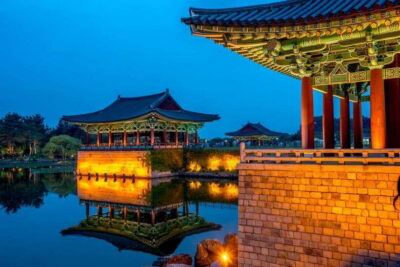
Gyeongju UNESCO World Heritage Guided Day Tour
Read our review →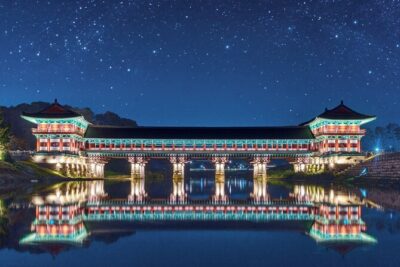
Gyeongju UNESCO World Heritage Guided Day Tour from Busan
Read our review →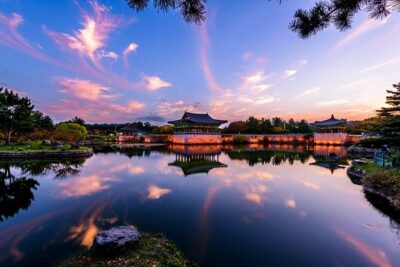
Old Korea Thousand History Tour of Gyeongju from Busan
Read our review →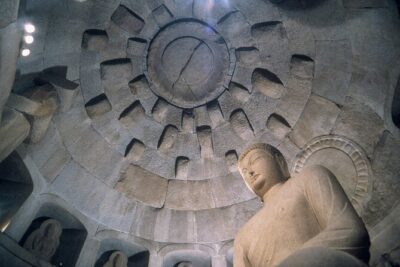
Gyeongju UNESCO sites Private tour with licensed tour guide
Read our review →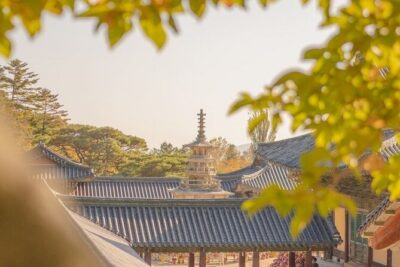
Private Gyeongju Tour – Explore Gyeongju UNESCO Sites
Read our review →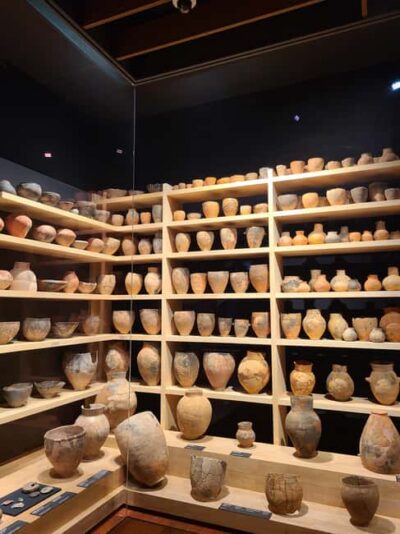
Gyeongju UNESCO Legacy Tour with National Museum
Read our review →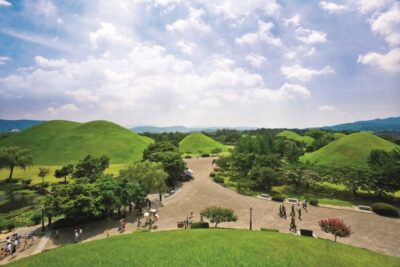
UNESCO Heritage Tour Including Bulguksa Temple
Read our review →Browse the lists this tour appears in