
Reviewed · SEOUL TOURS
Local Home Korean Cooking Class & Market Adventure in Seoul
Mangwon Market is the real doorway into this experience. You do not simply arrive at a kitchen and follow a recipe. You walk through a Seoul market, learn what unfamiliar herbs and ingredients are used for, taste street snacks such as kwabaeggi, then cook a Korean meal in your host’s home. Sarah and Junghee are warm, lively hosts who add plenty of cultural talk and practical kitchen advice.
I especially like the market visit and the small-group format. The market gives the cooking class a useful setting, while a maximum of 10 people leaves room for questions and hands-on work. The main consideration is the price: at $91 per person, this is not a cheap meal. You are paying for a three-and-a-half-hour cultural activity, instruction, food, and a full traditional dinner, not just a plate of bibimbap.
Key points at a glance
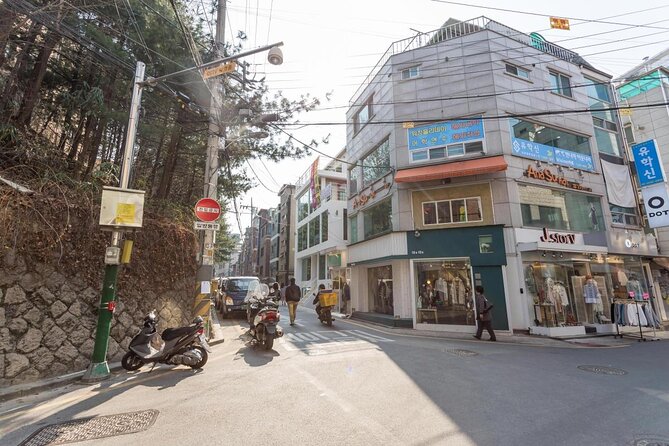
- Mangwon Market first: Learn the names, uses, and seasonal qualities of Korean ingredients before cooking with them.
- Four dishes by hand: Prepare dishes such as bibimbap rice or dakgalbi rather than watching a chef do all the work.
- A real home setting: The class takes place in your host’s home, creating a more personal atmosphere than a restaurant kitchen.
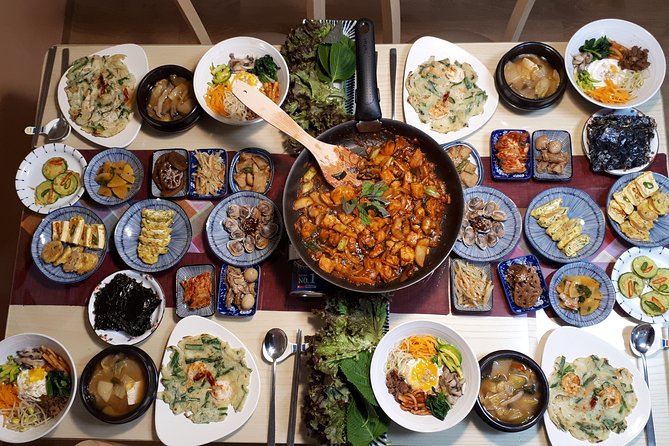
- Hanjeongsik finish: Eat your homemade dishes with more than 10 additional side dishes, dessert, and a glass of makgeolli.
- Hosts with personality: Sarah and Junghee combine cooking instruction with Korean phrases, food traditions, and stories about life in Seoul.
- Useful for families: The relaxed format suits couples, older children, and people who do not normally cook.
Why Mangwon Market makes this more than a cooking lesson
Meet at Mangwon Station Entrance 2, at 377-20 Mangwon-dong, Mapo-gu. The location is near public transportation, which makes this a practical afternoon plan from other parts of Seoul. The activity ends back at the same meeting point.
The market walk gives you context that a stand-alone cooking class often misses. Korean food depends on ingredients that may look similar at first glance, and a guide can explain what each item is called and how it is used. You might learn why Korean cooks choose spring onions rather than chives in certain dishes, how seasonal produce fits into home cooking, and how to recognize familiar market foods on your own later.
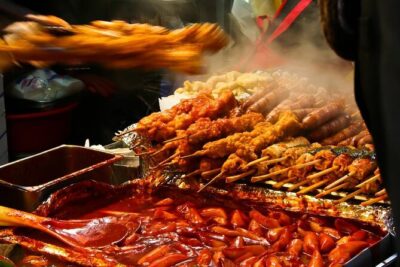
There is also a social side to the walk. You are encouraged to sample street food, and the experience has included treats such as kwabaeggi, a twisted Korean doughnut. One useful touch is that the host may ask you to order a snack in Korean, turning a simple purchase into a low-pressure language lesson.
That hands-on language practice is small but valuable. You pick up words connected to food, buying, and greetings, then have a chance to use them immediately. It is more memorable than studying a list of vocabulary in a hotel room.
The market can also be the liveliest part of the outing. You will be walking, stopping often, and paying attention to stalls and explanations. If you prefer a quiet, polished food tour with little standing or tasting, this may feel less comfortable. The experience is built around movement and conversation, not a formal lecture.
More Market Tours in Seoul
- Seoul Street Food Market Tour
★ 5.0 · 1,226 reviews - Seoul: Night Market Food Tour with Local Guide
★ 4.9 · 943 reviews - Downtown Seoul Guided Food & Market Tour with 8+ Local Tastings
★ 5.0 · 580 reviews
Cooking four Korean dishes in a local home
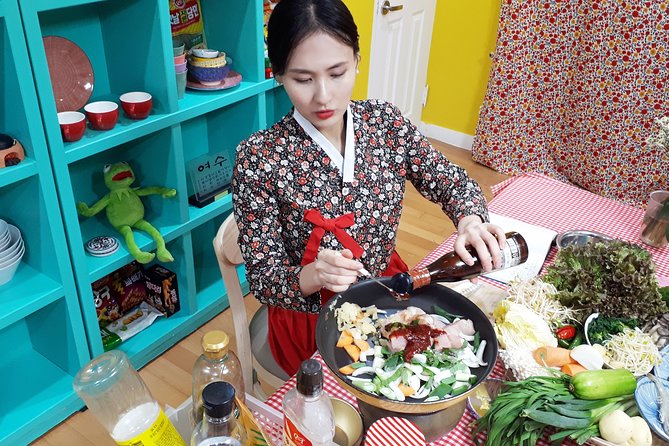
After the market, you go to the host’s home for a fully hands-on class. The point is participation. You are not seated at the edge of a demonstration while someone else handles the knife, pan, and seasoning. You help prepare a selection of four Korean dishes, which may include bibimbap rice or dakgalbi.
The exact menu can vary, so do not book this expecting a fixed restaurant-style menu every time. That flexibility makes sense for a home kitchen and for seasonal ingredients, but it also means you should confirm any dietary needs before booking if they are important to you. The supplied information does not promise vegetarian, vegan, gluten-free, or allergy-specific substitutions.
The instruction is designed to make Korean cooking feel manageable. The hosts explain techniques as they go and offer small tips that are easy to carry home. This is useful for beginners, since Korean recipes can look complicated when a table is covered with many sauces, vegetables, and side dishes. Breaking the work into clear steps helps you see how the pieces fit together.
Sarah is described as friendly, charismatic, and easygoing, while Junghee is known for humor, Korean language tips, and lively conversation. The experience has also included personal stories about Korean life and food traditions. That mix matters. You learn not just what to do with an ingredient, but why it appears in a dish and how it connects to everyday meals.
The class suits non-cooks particularly well. You do not need to arrive with technical skills, and the relaxed tone keeps mistakes from becoming a problem. If you already cook Korean food at home, you may value the ingredient guidance and regional or cultural details more than the basic steps.
The Hanjeongsik meal is a full second act
The final meal is not simply a quick taste of what you prepared. You sit down to a traditional Hanjeongsik-style spread, with your four homemade dishes joined by more than 10 side dishes, dessert, and a glass of makgeolli, Korean rice wine.
This is where the class earns much of its value. Korean dining is often understood through the balance between a main dish and many smaller accompaniments. Eating the food together lets you compare textures, seasonings, and preparation styles while the meal is still fresh in your mind.
The side dishes also give you a wider introduction to Korean food than four recipes alone could provide. You may discover that a dish you noticed in the market tastes different in a home meal, or that a small banchan item becomes a favorite. The meal provides room to ask questions and connect the market ingredients with the dishes on the table.
Makgeolli adds a traditional touch, but it is only one glass according to the experience details. The class is therefore not built as a drinking tour. The focus remains food, cooking, and conversation.
The meal can run at a comfortable social pace, especially when the group includes people from different countries. If you want a fast, tightly timed cooking lesson, the shared dinner may feel long. If you like meeting people around a table, it is one of the strongest parts of the experience.
A small group changes the feel of the class
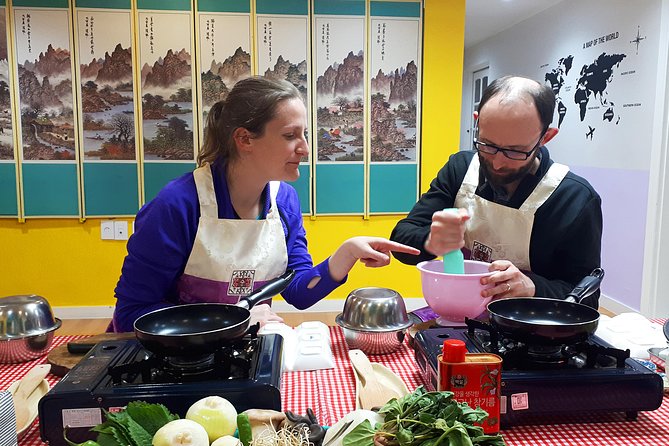
The maximum group size is 10 people. That is large enough for a social meal but small enough for the host to give individual attention. You have a better chance to ask about seasoning, preparation, ingredients, and Korean food customs than you would in a large commercial class.
There is also the possibility of a very small group. On some dates, a couple has ended up with what felt like a private class because no one else booked. That is not guaranteed, so you should treat it as a bonus rather than a feature.
The hosts’ personalities are a major part of the experience. Sarah and Junghee are not presented as distant instructors. They cook with you, explain Korean words, tell stories, and help create an easy mood. The humor can make the class feel more like being welcomed into someone’s home than attending a standard tourist workshop.
That personal approach may not suit everyone. Some people prefer a formal chef-led lesson with exact measurements and a printed timetable. Here, the appeal is the host’s energy and willingness to talk. You should choose it for conversation and cultural exchange as much as for the recipes.
More Cooking Classes in Seoul:
- Master Korean traditional cooking with a Kimchi chef
★ 5.0 · 385 reviews - Seoul: Korean Cooking Class at a Local Home and Market Tour
★ 5.0 · 348 reviews - Seoul: Korean Cooking at Seoul Cooking Club!
★ 5.0 · 311 reviews - Korean Cooking at Seoul Cooking Club
★ 5.0 · 220 reviews
What the $91 price really covers
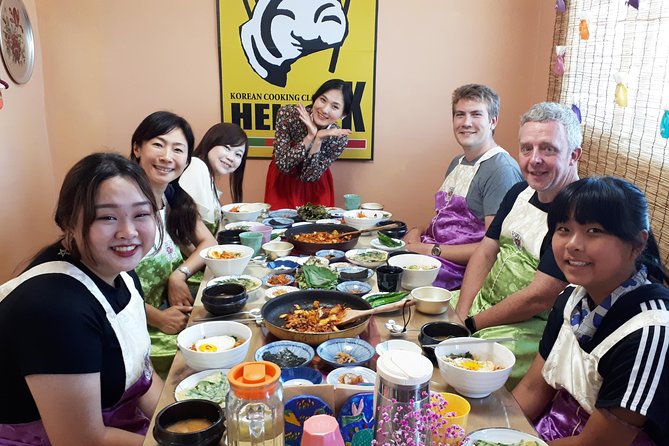
At $91 per person, the class sits in the premium range for a three-and-a-half-hour food activity. The value improves if you plan to use what you learn later, since the experience includes market orientation, street-food tasting, cooking instruction, a large meal, side dishes, dessert, and makgeolli.
You are also paying for access to a local home and a small group. That is different from buying a meal at a restaurant. A restaurant gives you polished dishes with no work. This class gives you the background to understand the ingredients, the process of making the dishes, and the chance to recreate them at home.
The recipes are sent afterward, which makes the price easier to justify for people who want a lasting souvenir. You can return to the dishes at home rather than leaving with only photographs. The hosts may also share restaurant suggestions for the rest of your Seoul visit, adding practical value beyond the scheduled activity.
Still, the cost will not suit every budget. If you mainly want to eat Korean food, a market meal or neighborhood restaurant will cost less. Book this when you want instruction and cultural contact, not merely dinner.
Who will get the most from this Seoul activity
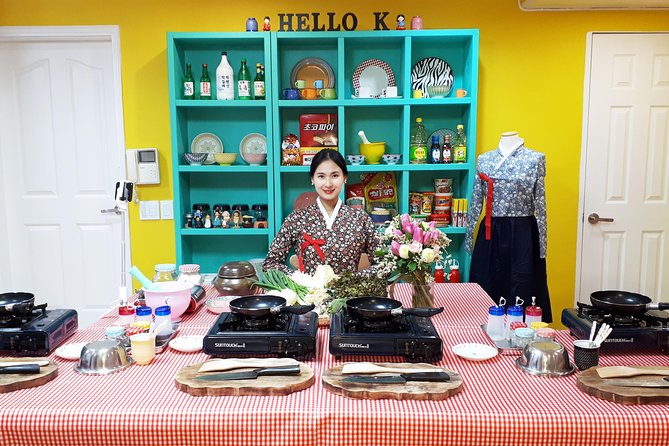
This class is a strong fit for couples, families, and small groups of friends. It has worked well for families with older children and young adults because the market walk, cooking tasks, food tasting, and shared meal keep changing the pace.
It also works for solo visitors who enjoy meeting people at the table. The small group gives you a natural setting for conversation, and the host helps keep the group involved. The class is less suitable if you need a highly private experience, though a private-feeling session may happen when booking numbers are low.
You do not need to be an experienced cook. Beginners can take part, and the dishes are presented as approachable rather than technically demanding. People who already know Korean cooking may prefer it for the market knowledge, ingredient explanations, and home-style meal.
The experience is also a good early-trip choice. You learn food names, market customs, Korean phrases, and restaurant ideas that can help during the rest of your time in Seoul. Schedule it when you have enough energy for a market walk and a long meal, rather than squeezing it between two rushed attractions.
Practical details before you book
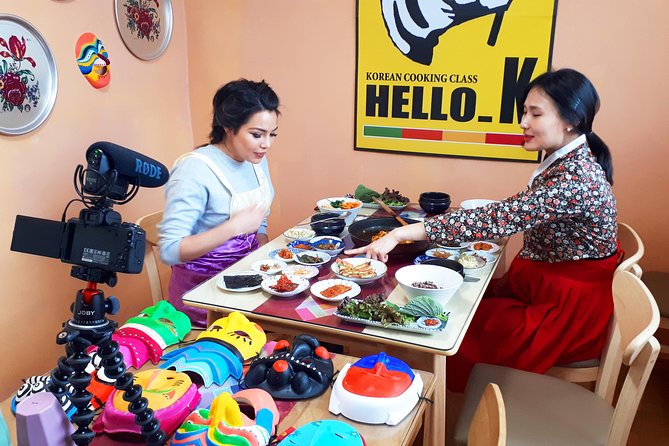
The experience lasts about 3 hours and 30 minutes and begins at Mangwon Station Entrance 2. Your confirmation arrives when you book, and the activity is offered with a mobile ticket.
Wear something comfortable for walking and cooking. The supplied information does not specify a dress code or accessibility details, so contact the provider directly if you have mobility concerns or need special arrangements. The market and home setting may involve standing and moving through a working food market.
Food allergies and dietary restrictions deserve advance attention. The menu can include dishes such as bibimbap and dakgalbi, but the available information does not promise substitutions. Ask Hello K Cooking Class before booking rather than assuming the recipes can be changed.
Free cancellation is available if you cancel at least 24 hours before the local start time. Changes or cancellations made later are not refundable. That policy is worth noting because the class involves a small group and food preparation.
Should you book Hello K Cooking Class?
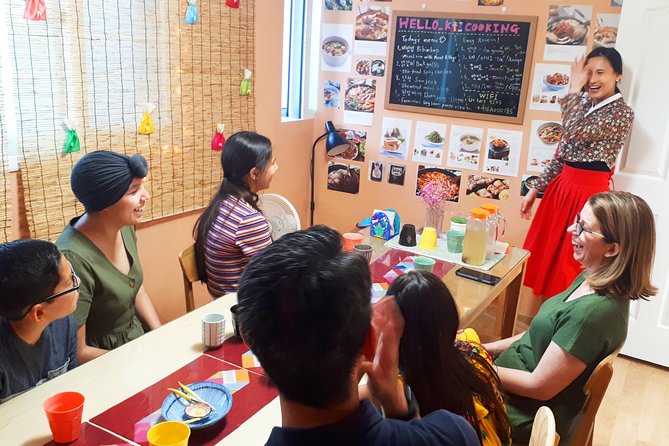
Book it if you want more than a recipe lesson. The market visit, street-food tasting, local-home setting, four dishes, and Hanjeongsik dinner create a well-rounded introduction to Korean food culture. The warm teaching style associated with Sarah and Junghee is especially useful if you enjoy humor, questions, and personal stories along with cooking.
Think twice if your budget is tight, you want a fixed menu, or you prefer a short restaurant meal with no preparation. At $91, the value depends on using the whole experience: market guidance, hands-on cooking, the large shared meal, and recipes to take home.
For most visitors who want one food activity in Seoul, this is a sensible choice. It gives you something to eat, something to learn, and practical knowledge you can use after the class ends.
FAQ
Where does the Seoul cooking class begin?
It begins at Mangwon Station Entrance 2, at 377-20 Mangwon-dong, Mapo-gu, Seoul, South Korea.
How long does the experience last?
The activity lasts approximately 3 hours and 30 minutes.
What food will I cook?
You prepare four Korean dishes. Examples include bibimbap rice and dakgalbi, but the exact selection may vary.
Is the class held in a restaurant?
No. The cooking class takes place in the host’s local home after the market visit.
Is a meal included?
Yes. You eat your homemade dishes as part of a Hanjeongsik-style dinner with more than 10 side dishes, dessert, and a glass of makgeolli.
What is the cancellation policy?
You can cancel for a full refund up to 24 hours before the experience start time. Cancellations or changes made less than 24 hours before the start are not accepted for a refund.
More Workshops in Seoul
- Korean Cooking Class with Grocery Shopping at Seoul Local Market
★ 5.0 · 107 reviews - Royal Seoul Cooking Class in a 100-Year-Old Hanok
★ 5.0 · 81 reviews - Seoul : Taste of Korea, Authentic Home-Style Cooking Class
★ 5.0 · 64 reviews - Make your K-scent perfume: Modern oneday class in Seoul
★ 5.0 · 40 reviews
More Shopping Tours in Seoul
- Seoul Night Palace & Market Food Tour with Vehicle
★ 5.0 · 275 reviews - Cook 3 Authentic Korean Dishes with Local Market Tour
★ 5.0 · 231 reviews - Korean Palace and Market Tour in Seoul Including Insadong and Gyeongbokgung Palace
★ 4.0 · 174 reviews - Seoul: Nighttime Tour of Palace, Market, Naksan Park & More
★ 4.9 · 143 reviews
Newest Seoul trips on the site
- Seoul : Must-see & Hidden Gems Private Walking Tour★ 4.9 · 8 reviews
- Seoul: Lotte World Aquarium Ticket★ 4.5 · 10 reviews
- Seoul: Max Out Must Visit City Highlights Panoramic Day Tour★ 5.0 · 7 reviews
- Seoul: K-Fashion Shopping Tour with a Professional Stylist★ 5.0 · 5 reviews
- From Seoul: Korea Spring Cherry Blossom Day Tour★ 4.8 · 6 reviews
- Seoul: Guided Street Food Tour at Namdaemun Market★ 5.0 · 10 reviews
- Seoul: Jisan Forest Winter Ski Day Tour with Basic Lesson★ 4.4 · 6 reviews
- Jisan Forest Resort: Ski Full-Day Tour or Shuttle from Seoul★ 5.0 · 4 reviews
Seoul Tours, compared.
Gyeongbok Palace, Bukchon Village, and Gwangjang Tour
Read our review →
Full Day Tour In The Soop BTS Ver in PyeongChang Filming Location
Read our review →
Best Seoul City Tour (Gyeongbokgung Palace,Insadong,Namsan Tower)
Read our review →
Small-Group Royal Palace and Seoul City Tour (hotel pick-up)
Read our review →
Seoul City Sightseeing Tour Including Gyeongbokgung Palace, N Seoul Tower, and Namsangol Hanok Village
Read our review →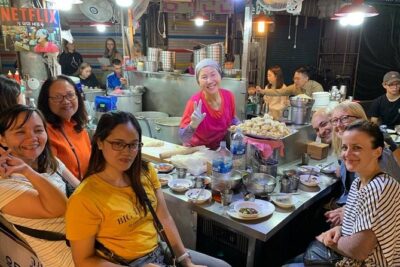
Gyeongbok Palace, Bukchon Village, and Gwangjang Tour
Read our review →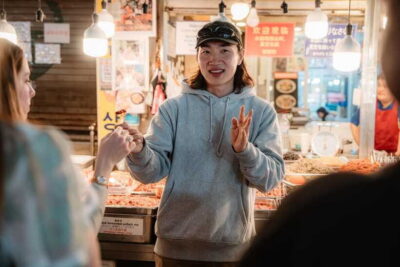
Browse the lists this tour appears in