
Reviewed · SEOUL TOURS
Royal Seoul Cooking Class in a 100-Year-Old Hanok
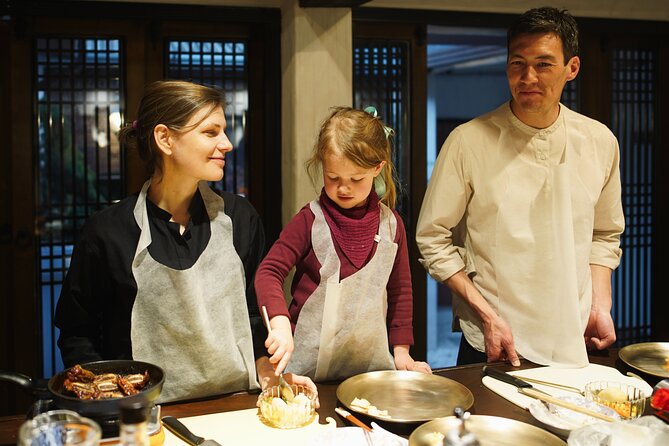
The special part here is the setting: you cook inside a lovingly restored 100-year-old hanok, not a bright commercial studio. Chef Park, also known as Ricky, leads the class with stories about Korean food, history, and daily life.
I like the tiny group size, with no more than six people, and the fact that you eat what you make on traditional Bangjja bronze tableware. The main consideration is the $98.98 price for about two hours and fifteen minutes, which is fair for a private-style cultural experience but high if you only want a basic cooking lesson.
Key points at a glance
- A real residential hanok: The class takes place in a restored traditional home near Ikseon-dong.
- Four substantial dishes: You prepare LA galbi, fresh kimchi, haemul pajeon, and tangpyeongchae.
- Chef Park and Ricky: The instructor is warm, funny, and happy to discuss food, history, and Seoul beyond the kitchen.
- Small-group instruction: The maximum of six people allows hands-on help and a relaxed pace.
- A complete Korean meal: Cooking is followed by dining, makgeolli, and traditional desserts.
- Useful for mixed groups: Solo visitors, couples, families, and people with little cooking experience can all take part.
Cooking royal dishes inside a Seoul hanok
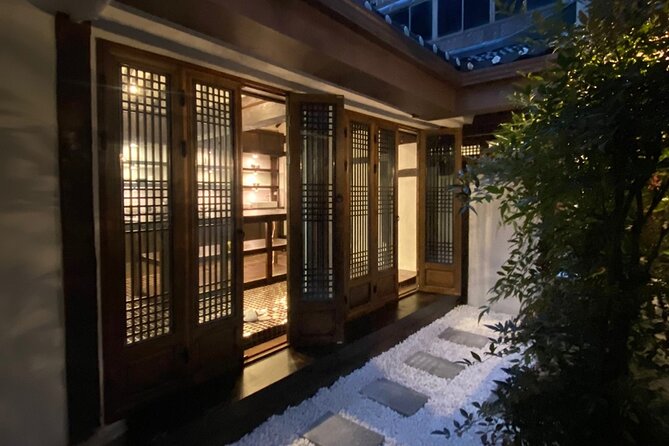
Many Korean cooking classes focus on the recipe and overlook the room. This one gets the setting right. You enter a traditional hanok in the center of Seoul, with its timber structure, quiet dining space, and old-home atmosphere, then sit down to prepare dishes connected to Korea’s royal cuisine and regional food traditions.
The house is not treated as a backdrop. It shapes the whole evening. You cook in a space that feels domestic and personal, then eat in a traditional Korean dining area rather than rushing away after the last pan is washed.
The class lasts about two hours and fifteen minutes. That gives you enough time to cook several dishes, hear the stories behind them, and sit down for a proper meal. It is not a quick demonstration where you watch someone else do the work.
Chef Park, also called Ricky, is central to the experience. His teaching style is friendly and clear, with plenty of humor. He also talks about Korean culture, food customs, and historical events, including the colonial period. If you enjoy asking questions, the small group makes conversation easy.
More Hanok Village Tours in Seoul
- Seoul: Gyeongbok Palace, Bukchon Village, and Gwangjang Tour
★ 4.9 · 2,321 reviews - Seoul City Sightseeing Tour Including Gyeongbokgung Palace, N Seoul Tower, and Namsangol Hanok Village
★ 5.0 · 1,423 reviews - Seoul: Gyeongbok Palace, Bukchon Village, and Gwangjang Tour
★ 5.0 · 1,044 reviews
What you actually cook
The menu gives you a useful spread of Korean flavors and techniques. You are not making four versions of the same dish.
LA galbi brings sweet, savory grilled beef to the table. It is one of the best-known Korean dishes outside Korea, but learning how it is prepared in a home setting gives it more context than simply ordering it at a barbecue restaurant.
Fresh kimchi adds the sharp, spicy side of the meal. Because it is made during the class, you can see how the texture and seasoning differ from the older, fermented kimchi often served as a side dish.
Haemul pajeon is a seafood and green onion pancake. It is approachable for beginners and gives you a chance to work with batter, heat, and timing. Pancakes look simple, but getting the texture right is part of the fun.
Tangpyeongchae, also called tapyeongchae in the tour description, is a refined Korean dish made with mung bean jelly and other ingredients. It is less familiar to many international visitors than galbi or kimchi, so it adds a useful glimpse of Korean food beyond the usual restaurant menu.
The menu combines popular comfort food with a more delicate royal-cuisine tradition. That balance matters. You leave with recipes you are likely to try at home, along with at least one dish that may be new to you.
A teacher who makes the class feel personal
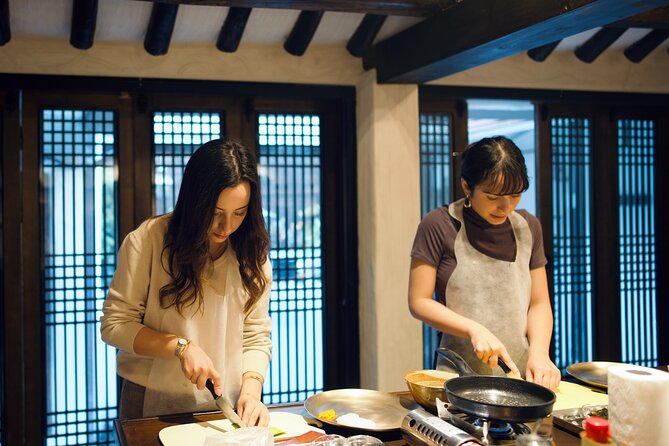
Chef Park’s role goes beyond reading instructions from a recipe card. He prepares the ingredients carefully and guides each person through the process. That makes the class suitable for beginners, including people who describe themselves as basic cooks.
The small size is a major advantage. With a maximum of six people, you can ask for help without waiting behind a large group. The instructor can slow down for someone who needs more time, and families can take part at different skill levels. One family used the class as a three-generation activity, with children aged 11 and 13 included.
The class also works well for solo visitors. You will cook beside other people, share a meal, and have a natural chance to talk. It is more social than cooking alone, but less crowded than a large group workshop.
Chef Park also seems to understand that comfort affects the experience. One participant with a bad leg requested a stool while cooking, and the request was accommodated. That does not mean every access need is guaranteed, so you should contact the provider in advance if you need a specific arrangement. Still, it is a useful sign that the class can adapt when you explain your needs clearly.
Eating on Bangjja bronzeware
The meal at the end is more than a reward for finishing the recipes. You eat from handmade Bangjja, a traditional Korean bronze tableware, in the hanok dining area.
The bronze plates and bowls change the feel of the meal. You are not simply standing around a kitchen island with a paper plate. You sit down and experience the food in a setting that connects the ingredients, the cooking methods, and the table customs.
You also receive freshly brewed makgeolli and traditional Korean desserts. Makgeolli is a milky rice wine with a soft, lightly sweet character. If you do not drink alcohol, the supplied details do not specify a substitute, so ask before booking if that matters to you.
The meal is one reason the price makes more sense. You are paying for instruction, food, the setting, tableware, and time with a local host. It is not the cheapest way to eat in Seoul, but it is a fuller cultural activity than a restaurant meal.
Same base, a completely different sort of day:
- Full Day Tour In The Soop BTS Ver in PyeongChang Filming Location
★ 5.0 · 1,709 reviews - Best Seoul City Tour (Gyeongbokgung Palace,Insadong,Namsan Tower)
★ 5.0 · 1,647 reviews - Small-Group Royal Palace and Seoul City Tour (hotel pick-up)
★ 5.0 · 1,474 reviews - Seoul Street Food Market Tour
★ 5.0 · 1,226 reviews
Finding the hanok near Ikseon-dong
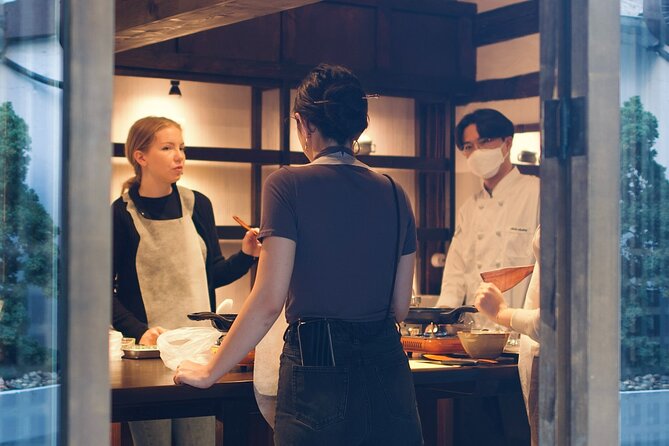
The meeting point is 25 Samil-daero 32ga-gil in Jongno District. The class is near public transportation and ends back at the meeting point.
You should allow a little extra time to find the entrance. A traditional residential lane can be less obvious than a hotel lobby, and one useful feature of this experience is that the provider sends directions and photos to help you locate the house.
The location is close to Ikseon-dong Hanok Street, one of Seoul’s best areas for combining old architecture with cafes, restaurants, and small shops. The class itself does not need to be treated as a sightseeing bus tour. Think of the listed places, including Gyeongbokgung Palace, Changdeokgung Palace, Kwangjang Market, Ikseon-dong, and Gwanghwamun Square, as nearby Seoul highlights that fit naturally into the same day.
For planning, visit one of the palaces or Kwangjang Market before class, then spend time around Ikseon-dong afterward. The activity ends where it begins, so you can continue exploring from the same central area.
How the listed Seoul sights fit your day
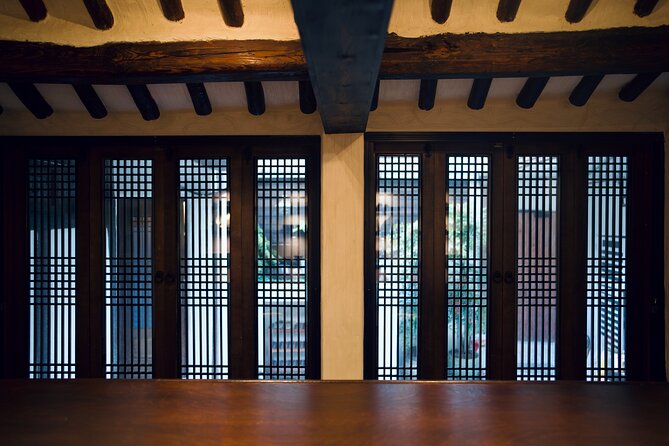
The itinerary includes several major places in central Seoul, but the supplied details do not explain a separate guided sightseeing route or transportation between each one. Do not book this expecting a full palace and market tour combined with cooking.
Gyeongbokgung Palace is the grand choice for an introduction to Joseon-era Seoul. Its broad grounds and formal buildings work well earlier in the day, before the more intimate hanok setting.
Changdeokgung Palace offers a different mood and is also close to the traditional neighborhoods of Jongno. If you have time for only one palace, your choice can depend on opening hours and your interest in the grounds.
Kwangjang Market is useful before class if you want to sample street food and see everyday market life. It can be crowded, so leave enough time to reach the meeting point without rushing.
Ikseon-dong Hanok Street is the most natural pairing with this activity. After cooking in a traditional house, you can continue through lanes lined with restored hanok buildings, cafes, and restaurants. The area is popular, so expect more activity than inside the quiet cooking space.
Gwanghwamun Square gives you a broad civic center and an easy link to other central Seoul sights. It is better treated as part of your wider Jongno plan than as a formal stop within the cooking lesson.
What the $98.98 price buys you
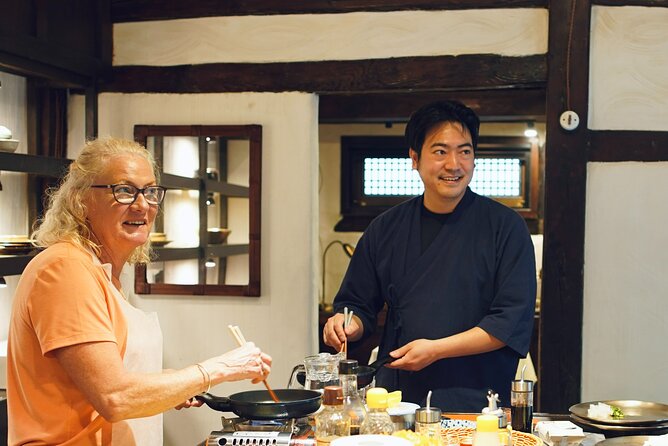
At $98.98 per person, this is a premium cooking activity. Seoul offers cheaper meals and probably cheaper cooking lessons, so the value depends on what you want from the afternoon or evening.
The strongest value comes from the combination of four dishes, a certified culinary instructor, a maximum group of six, the restored hanok, a sit-down meal, makgeolli, desserts, and cultural explanation. If you bought a similar meal in a restaurant, you would not receive the hands-on instruction or the personal connection to the home.
The price is easier to justify for a first visit to Seoul, a special evening, or a family activity where different ages can participate. It is less attractive if your main goal is to learn advanced knife work or professional restaurant techniques. The recipes are designed to be approachable, and the instructor prepares much of the setup, so the lesson favors enjoyment and confidence over culinary challenge.
I also like that the food is practical. Several people were eager to recreate the recipes after returning home. That gives the class value beyond the day itself, although you will still need to find Korean ingredients in your own area.
The class works in every season
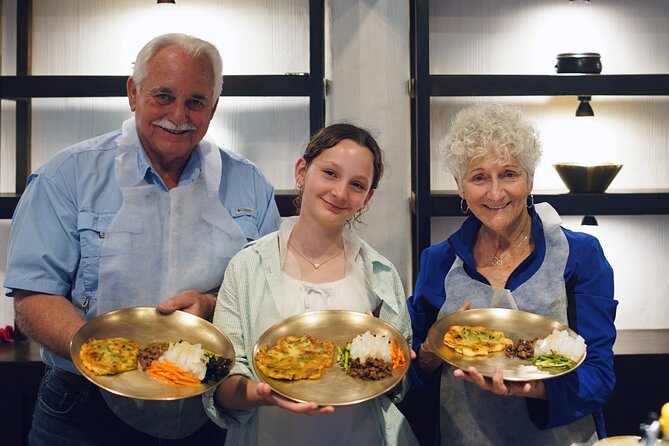
The hanok setting is useful in any season. In colder weather, the enclosed dining space gives the experience a cozy feel. In warmer months, the traditional home offers a break from Seoul’s busy streets.
The interior has been restored with care, and classical music may be playing during the meal. Those touches create a calm pace, but they also mean this is not a loud, high-energy cooking party. You should choose it if you like conversation, food stories, and a slower shared meal.
The experience is also a good choice for a first or second day in Seoul. Chef Park gives restaurant recommendations and local suggestions, and the class helps you understand dishes you will see throughout the rest of your trip.
Who should book this class
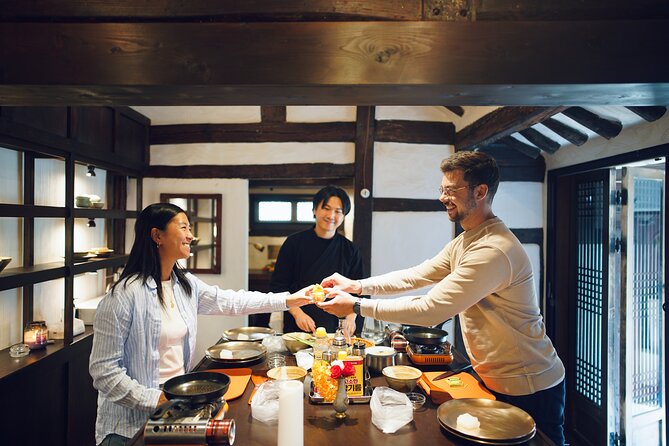
I would recommend it most strongly to:
- Couples looking for a shared activity with a meal at the end
- Solo visitors who want an easy way to meet people
- Families with older children and grandparents
- Beginners who want clear instruction without pressure
- Food lovers interested in Korean dishes beyond barbecue and fried chicken
- Visitors staying near central Jongno who want to combine cooking with palace and market visits
You may want to skip it if you dislike group activities, cannot eat the listed ingredients, or want a long technical lesson. The menu includes beef, seafood, and alcohol in the meal, and the supplied details do not list dietary substitutions. Ask before booking if you have allergies or strict dietary needs.
The activity is mobile-ticket friendly, and confirmation arrives at booking. Free cancellation is available up to 24 hours before the start time. After that point, the amount paid is not refunded, and late changes are not accepted.
Is Royal Seoul Cooking Class worth booking?
Yes, if you want a personal Korean food experience rather than a simple recipe lesson. The restored hanok, small group, generous menu, Bangjja tableware, and Chef Park’s stories give the class a clear sense of place.
I would book it as a cultural anchor for a Jongno day. Visit a palace or market first, arrive with time to spare, then continue through Ikseon-dong after the meal. At $98.98, it is not a bargain activity, but the setting and full meal make it good value for anyone who wants to cook, eat, and understand more about Korean food in one well-paced visit.
FAQ
How long does the Royal Seoul Cooking Class last?
The class lasts approximately two hours and fifteen minutes.
Where does the cooking class meet?
It meets at 25 Samil-daero 32ga-gil in Jongno District, Seoul, South Korea. The activity ends back at the meeting point.
How many people can join the class?
The maximum group size is six people.
What dishes will I prepare?
You will prepare LA galbi, fresh kimchi, haemul pajeon, and tangpyeongchae, also written as tapyeongchae in the tour details.
Is the class suitable for beginners?
Yes. The class is designed for people without cooking experience, and Chef Park provides hands-on guidance.
Can I cancel for a full refund?
Yes, if you cancel at least 24 hours before the experience start time. Cancellations or changes made less than 24 hours before the start time are not accepted for a refund.
More Workshops in Seoul
- Korean Cooking Class with Grocery Shopping at Seoul Local Market
★ 5.0 · 107 reviews - Seoul : Taste of Korea, Authentic Home-Style Cooking Class
★ 5.0 · 64 reviews - Make your K-scent perfume: Modern oneday class in Seoul
★ 5.0 · 40 reviews - Traditional Soju Class and Makgeolli Tasting in Seoul
★ 5.0 · 35 reviews
More Cooking Classes in Seoul
- Local Home Korean Cooking Class & Market Adventure in Seoul
★ 5.0 · 1,024 reviews - Master Korean traditional cooking with a Kimchi chef
★ 5.0 · 385 reviews - Seoul: Korean Cooking Class at a Local Home and Market Tour
★ 5.0 · 348 reviews - Seoul: Korean Cooking at Seoul Cooking Club!
★ 5.0 · 311 reviews
Newest Seoul trips on the site
- Seoul : Must-see & Hidden Gems Private Walking Tour★ 4.9 · 8 reviews
- Seoul: Lotte World Aquarium Ticket★ 4.5 · 10 reviews
- Seoul: Max Out Must Visit City Highlights Panoramic Day Tour★ 5.0 · 7 reviews
- Seoul: K-Fashion Shopping Tour with a Professional Stylist★ 5.0 · 5 reviews
- From Seoul: Korea Spring Cherry Blossom Day Tour★ 4.8 · 6 reviews
- Jisan Forest Resort: Ski Full-Day Tour or Shuttle from Seoul★ 5.0 · 4 reviews
- Seoul: Guided Street Food Tour at Namdaemun Market★ 5.0 · 10 reviews
- Seoul: Jisan Forest Winter Ski Day Tour with Basic Lesson★ 4.4 · 6 reviews
Seoul Tours, compared.
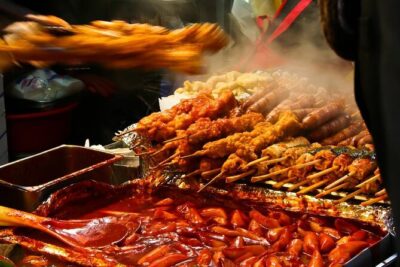
Gyeongbok Palace, Bukchon Village, and Gwangjang Tour
Read our review →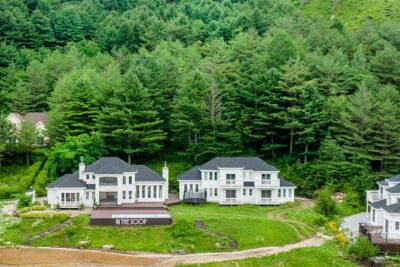
Full Day Tour In The Soop BTS Ver in PyeongChang Filming Location
Read our review →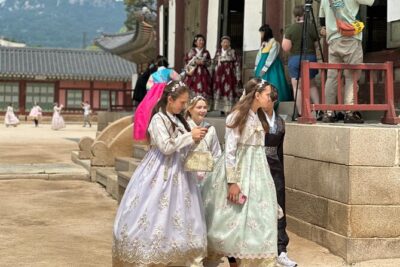
Best Seoul City Tour (Gyeongbokgung Palace,Insadong,Namsan Tower)
Read our review →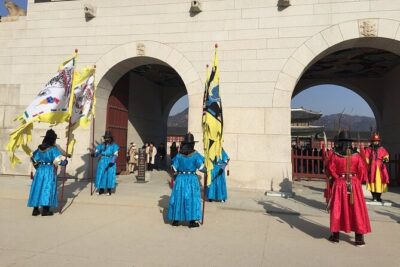
Small-Group Royal Palace and Seoul City Tour (hotel pick-up)
Read our review →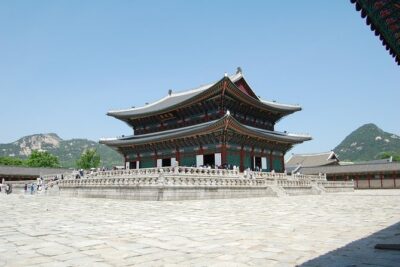
Seoul City Sightseeing Tour Including Gyeongbokgung Palace, N Seoul Tower, and Namsangol Hanok Village
Read our review →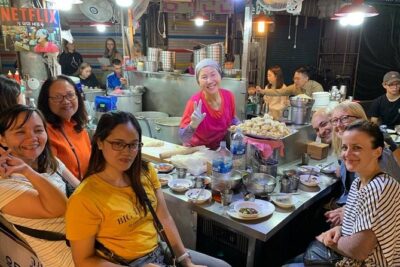
Gyeongbok Palace, Bukchon Village, and Gwangjang Tour
Read our review →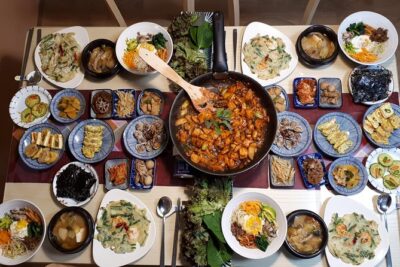
Local Home Korean Cooking Class & Market Adventure in Seoul
Read our review →Browse the lists this tour appears in