
Reviewed · SEOUL TOURS
Seoul : Taste of Korea, Authentic Home-Style Cooking Class
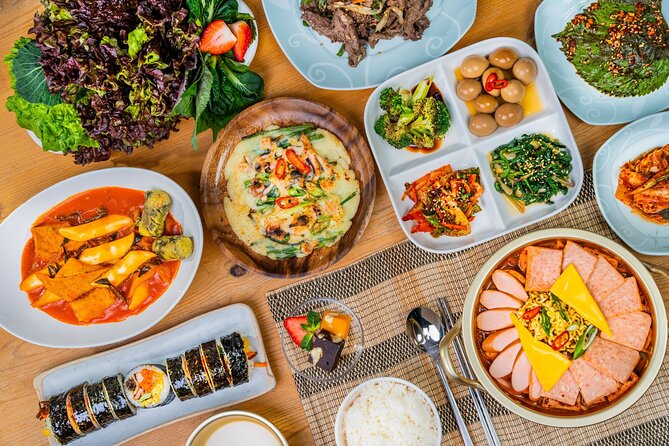
Korean food makes the most sense when you cook it yourself. In this three-hour class, Jennifer guides you through four home-style dishes, from rolling gimbap to seasoning budae jjigae, then serves the meal with Korean tea, snacks, sikhye, makgeolli, and dessert. You do the cooking, not just watch a demonstration.
I like the patient, friendly teaching and the unusually generous amount of food. I also like the small maximum of 10 people, which gives Jennifer time to help with knife work, rolling, batter, and seasoning. The main consideration is simple: come very hungry, because the class produces a large meal, and the pace may feel full for anyone wanting a light food tasting.
Key points
- Four dishes from start to finish: Make gimbap, tteokbokki, haemulpajeon, and budae jjigae rather than watching a chef do all the work.
- Jennifer leads the class: She explains cooking methods, food background, and some Korean language while helping each person at the station.
- A generous final meal: Tea, snacks, side dishes, sikhye, makgeolli, dessert, and possible leftovers are part of the food experience.
- Small group setting: The class accepts a maximum of 10 people, allowing for individual help.
- Family-friendly format: Children aged 10 and 12 have taken part successfully, with adjustments for different skill levels.
- Useful after the class: Digital recipes are provided so you can try the dishes at home.
Cooking four Korean classics in one Seoul afternoon
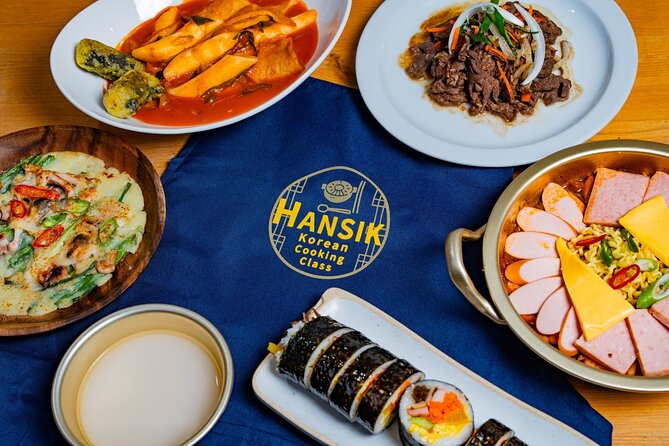
This is not a quick lesson in one signature dish. You work through four familiar Korean foods, each showing a different side of home cooking.
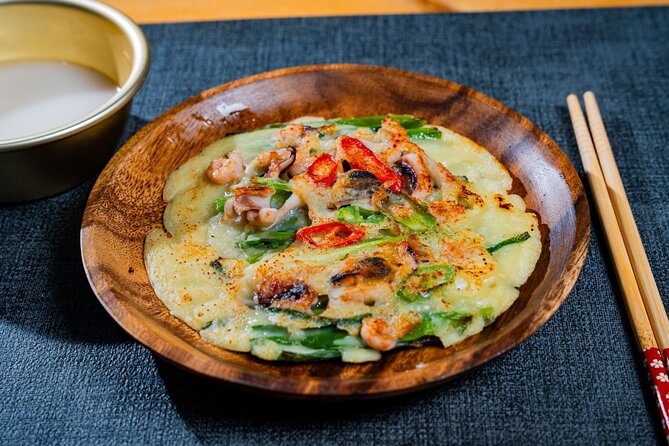
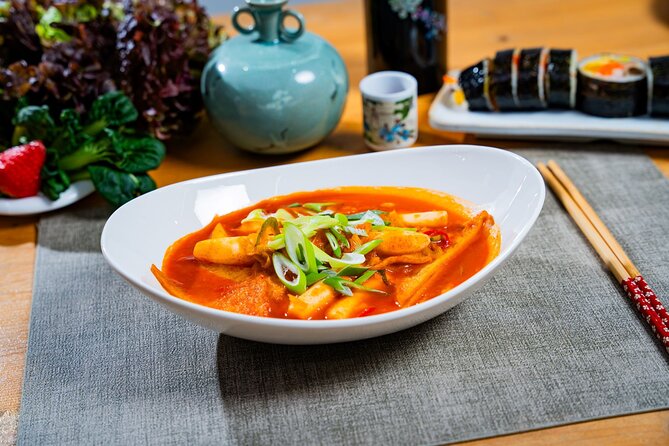
Gimbap teaches you how Korean rice rolls come together. Tteokbokki brings chewy rice cakes and gochujang, the red chili paste that gives the dish its sweet, spicy character. Haemulpajeon is a savory seafood and green onion pancake, while budae jjigae is a hearty stew with a modern Korean story behind it.
That range is the class’s biggest strength. You are not simply repeating one recipe. You are handling rice, rice cakes, seafood, batter, vegetables, broth, and spicy seasoning in one session. The dishes also vary in texture and technique, so the class feels like a useful introduction to Korean home food rather than a single cooking trick.
The class lasts about three hours. That gives enough time to explain the recipes, cook at a reasonable pace, and sit down for a proper meal afterward. It also means you should not plan a tight appointment immediately after the session.
More Cooking Classes in Seoul:
- Local Home Korean Cooking Class & Market Adventure in Seoul
★ 5.0 · 1,024 reviews - Master Korean traditional cooking with a Kimchi chef
★ 5.0 · 385 reviews - Seoul: Korean Cooking Class at a Local Home and Market Tour
★ 5.0 · 348 reviews
Jennifer’s hands-on teaching style
Jennifer is the key to the class. She teaches each recipe step by step, then gives you room to do the work yourself. You can expect help when you need it, but not a demonstration where you stand back and watch everything happen.
The teaching also goes beyond ingredients and instructions. Jennifer includes background on the dishes and some Korean history and language. That matters because food names and customs make more sense when you understand a little of the culture around them.
Her approach appears especially useful for first-time cooks. She is patient with different skill levels and can assist with technique without taking over. One of the pleasures of a hands-on class is that your food will not look perfectly uniform, and that is part of learning. You get a chance to try, adjust, and occasionally make a small mistake while someone is there to help.
The maximum group size is 10. That is not a private lesson, but it is small enough to avoid the anonymous feel of a large demonstration. If you need help with a recipe or have a question about an ingredient, you have a fair chance of getting personal attention.
What happens at the cooking stations
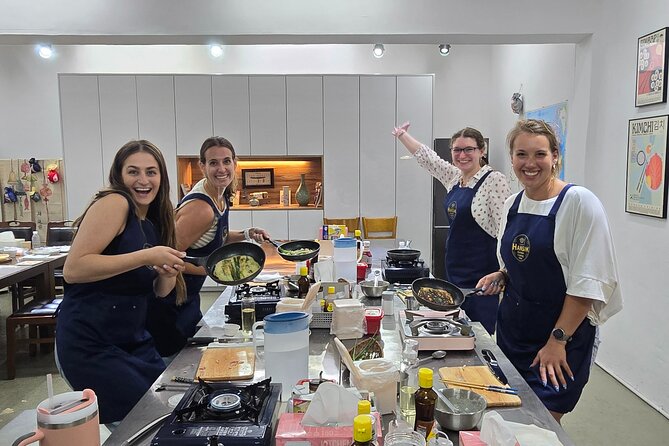
The kitchen is described as clean, professional, and set up with dedicated cooking stations. That practical detail makes a difference. You spend less time waiting for equipment and more time preparing the dishes.
The class works best if you treat it as a sequence of shared tasks. You may begin by learning the ingredients and basic methods, then move through each dish with Jennifer’s guidance. Gimbap requires care with rice and rolling. Haemulpajeon asks you to manage batter, seafood, and green onions. Tteokbokki depends on getting the sauce balance right, while budae jjigae brings the ingredients together in a savory, spicy broth.
You should expect a busy session. Four dishes in three hours is a substantial amount of cooking, even with preparation organized in advance. The pace has been described as comfortable rather than rushed, but it is still a full workshop. If you prefer a slow, single-recipe lesson, this may feel like too much. If you want to learn several practical dishes in one sitting, the format works well.
Dietary needs can be discussed with the host. Alternative recipes have been offered for dietary restrictions and preferences, but you should communicate those needs when booking rather than waiting until the class begins. The available information does not specify every possible substitution, so ask in advance if your requirements are strict.
The meal after the cooking
Once the dishes are ready, you sit down to eat what you made. This changes the class from a technical lesson into a social meal, and it gives you a chance to see how the dishes work together.
The food is served with Korean tea, snacks, side dishes, sikhye, makgeolli, and dessert. Sikhye is a sweet Korean rice punch, while makgeolli is Korean rice wine. Alcohol is served only to people aged 21 and older. Younger participants receive non-alcoholic drinks.
Portions are generous. You should not eat a large meal before arriving. Several people have found the food plentiful enough to take leftovers away, which adds value to a class already built around a substantial meal.
The large portions are a benefit if you want dinner included. They may be less appealing if you are looking for a short tasting session or trying to keep your evening light. Plan your day around the class, not simply around it.
More Workshops in Seoul:
- Korean Cooking Class with Grocery Shopping at Seoul Local Market
★ 5.0 · 107 reviews - Royal Seoul Cooking Class in a 100-Year-Old Hanok
★ 5.0 · 81 reviews - Make your K-scent perfume: Modern oneday class in Seoul
★ 5.0 · 40 reviews - Traditional Soju Class and Makgeolli Tasting in Seoul
★ 5.0 · 35 reviews
Why the four dishes make a good cultural lesson
Each recipe gives you a different view of Korean food.
Gimbap is practical and portable, with rice and fillings arranged in a seaweed roll. It is a good lesson in proportion and neat preparation. Tteokbokki introduces gochujang and the sweet-spicy flavor profile familiar from Korean street food.
Haemulpajeon shows how a simple pancake can become a shared dish through seafood, green onions, and a crisp texture. Budae jjigae adds a different kind of story. Its name means army stew, and its mixed ingredients reflect a modern chapter in Korean food culture.
The class therefore connects everyday home cooking with foods you may already have seen in Seoul restaurants or street stalls. You leave with more than a list of ingredients. You understand how several recognizable dishes are assembled and served.
Price and what the $89 includes
At $89 per person, this is not the cheapest way to eat Korean food in Seoul. You can buy a bowl of tteokbokki or a simple meal for far less. The value here comes from the instruction, the use of a dedicated kitchen, the hands-on preparation, the cultural explanation, and the full meal afterward.
You are also getting four recipes rather than one. Tea, snacks, side dishes, sikhye, makgeolli for eligible participants, and dessert add to the food portion of the cost. If you take home leftovers and receive the recipes digitally, the class becomes useful beyond the three-hour session.
For a couple or family, the price adds up quickly, so consider what you want from the outing. If your main goal is to eat cheaply, choose a market or neighborhood restaurant. If you want a structured activity that teaches you how to recreate Korean dishes at home, the fee is easier to justify.
The class is particularly good value for people who enjoy cooking and plan to use the recipes later. It is also a practical choice for a rainy-day plan, though the stated cancellation terms note that the activity requires good weather. Confirm the arrangements if weather looks poor.
Location, timing, and planning your day
The meeting point is 31-5 Jahamun-ro in Seoul’s Jongno District. The activity ends at the same place, so you do not need to arrange a separate return transfer.
The location is near public transportation, but you should still allow time to find the exact address. A mobile ticket is provided, and booking confirmation is issued at the time of booking.
Morning and evening sessions are available. A morning class can work well if you want a large lunch afterward and a free evening. An evening class can replace dinner, since the final meal is substantial. Either way, avoid scheduling a major food stop immediately before the class.
The experience is booked an average of 34 days ahead. That does not guarantee every date sells out, but it is a useful warning for anyone planning a short Seoul visit. If your schedule is fixed, reserve early.
A good choice for families and mixed skill levels
This class suits adults, couples, friends, and families. Children aged 10 and 12 have taken part, and the teaching can be adjusted to different ability levels. Younger children may find three hours of cooking demanding, but the available information does not set a younger age limit, so ask before booking.
The format also works for a mixed group. One person can be an experienced home cook while another is learning basic techniques. Jennifer’s role is not simply to deliver instructions to the fastest person. She can assist when someone needs help and let each participant take part at a comfortable level.
It is less suitable if you dislike spicy food, seafood, rice dishes, or shared meals. The recipes can be adjusted for some preferences, but the class is built around Korean flavors and ingredients. Ask about alternatives before you commit.
What to bring and how to prepare
Arrive hungry, but not so hungry that you cannot concentrate. You will be cooking several dishes and then eating a large meal. Comfortable clothes make sense for any cooking class, though no special equipment is listed.
Come ready to participate. The best part of the class is doing the preparation yourself, not simply collecting recipe cards. You will get more from it if you ask about ingredients, seasoning, and methods as you go.
If you have dietary restrictions, state them when booking. The host has adapted recipes for some needs, but the exact options are not listed. Also remember the age rule for alcoholic drinks: participants under 21 receive non-alcoholic beverages.
Free cancellation is available up to 24 hours before the start time for a full refund. Changes or cancellations inside that window are not accepted for a refund. If the minimum number is not met, or poor weather causes cancellation, you are offered another date or experience, or a full refund.
My call: book it if you want to cook, not just eat
I would choose this class if you want a personal connection to Korean food and like the idea of leaving Seoul with recipes you can use at home. The combination of four dishes, patient instruction from Jennifer, a small group, and a very generous meal gives the $89 price a reasonable case.
Book it especially if you are traveling with family, want a weather-proof activity, or have already eaten plenty of restaurant food and want to understand how Korean dishes are made. Skip it if you want a brief tasting, a cheap dinner, or a tightly timed attraction.
Reserve ahead if your dates are fixed. Then arrive hungry, allow the full three hours, and expect to leave with both a full stomach and several dishes worth trying again in your own kitchen.
FAQ
How long does the Korean cooking class last?
The class lasts approximately three hours, including the cooking and meal.
Where does the class meet?
It meets at 31-5 Jahamun-ro in Jongno District, Seoul. The activity ends back at the same meeting point.
Which dishes will I cook?
You will learn to prepare gimbap, tteokbokki, haemulpajeon, and budae jjigae.
Is the class hands-on?
Yes. You prepare the dishes yourself with step-by-step guidance from Jennifer and assistance when needed.
How many people can join the class?
The maximum group size is 10 participants.
Are morning and evening sessions available?
Yes. You can choose from morning or evening sessions.
Are alcoholic drinks served to minors?
No. Alcoholic drinks are served only to people aged 21 and older. Younger participants receive non-alcoholic drinks.
Can I cancel for a refund?
You can cancel at least 24 hours before the start time for a full refund. Cancellations or changes made less than 24 hours before the start time are not refunded or accepted.
Newest Seoul trips on the site
- Seoul : Must-see & Hidden Gems Private Walking Tour★ 4.9 · 8 reviews
- Seoul: Lotte World Aquarium Ticket★ 4.5 · 10 reviews
- Seoul: Max Out Must Visit City Highlights Panoramic Day Tour★ 5.0 · 7 reviews
- Seoul: K-Fashion Shopping Tour with a Professional Stylist★ 5.0 · 5 reviews
- From Seoul: Korea Spring Cherry Blossom Day Tour★ 4.8 · 6 reviews
- Seoul: Guided Street Food Tour at Namdaemun Market★ 5.0 · 10 reviews
- Seoul: Jisan Forest Winter Ski Day Tour with Basic Lesson★ 4.4 · 6 reviews
- Jisan Forest Resort: Ski Full-Day Tour or Shuttle from Seoul★ 5.0 · 4 reviews
Seoul Tours, compared.
Gyeongbok Palace, Bukchon Village, and Gwangjang Tour
Read our review →
Full Day Tour In The Soop BTS Ver in PyeongChang Filming Location
Read our review →
Best Seoul City Tour (Gyeongbokgung Palace,Insadong,Namsan Tower)
Read our review →
Small-Group Royal Palace and Seoul City Tour (hotel pick-up)
Read our review →
Seoul City Sightseeing Tour Including Gyeongbokgung Palace, N Seoul Tower, and Namsangol Hanok Village
Read our review →
Gyeongbok Palace, Bukchon Village, and Gwangjang Tour
Read our review →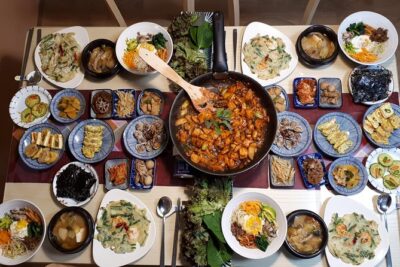
Local Home Korean Cooking Class & Market Adventure in Seoul
Read our review →Browse the lists this tour appears in