
Reviewed · GYEONGJU TOURS
Busan: 7 Highlights Gyeongju City One Day Tour
Gyeongju is the kind of place where an ancient tomb can sit beside a stylish bakery, and a rebuilt wooden bridge can glow over a quiet stream after sunset. This day trip gives you a useful first look at the old Silla capital without making you arrange several trains, buses, and taxis yourself.
I like the time-saving route from Busan and the mix of major monuments with everyday Korean culture on Hwangnidan-gil. I also like that guides such as Leo have helped visitors find good photo spots and explained the sites in clear English. The main drawback is the pace: seven sights in one day means short visits, long road time, and limited freedom to linger.
Seven reasons this Gyeongju day trip works
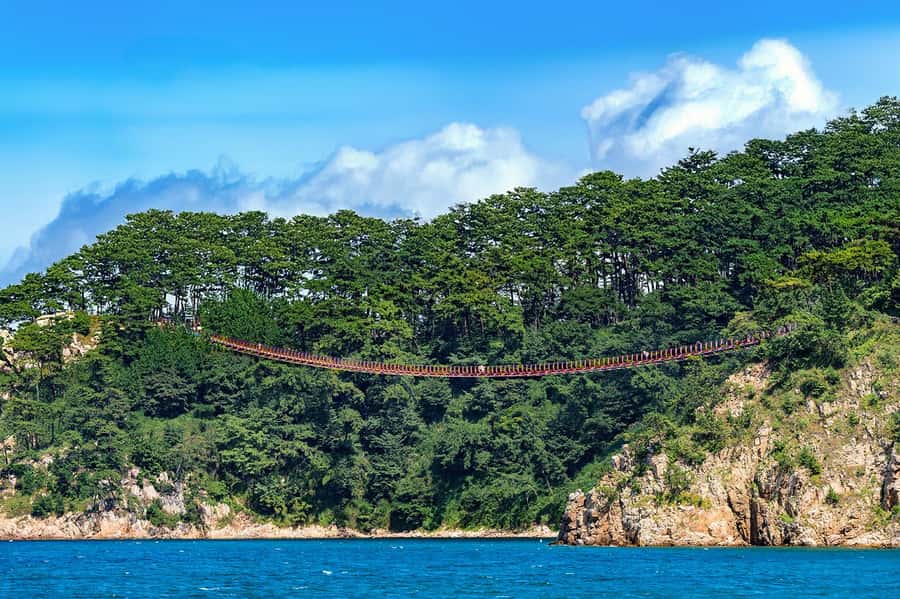
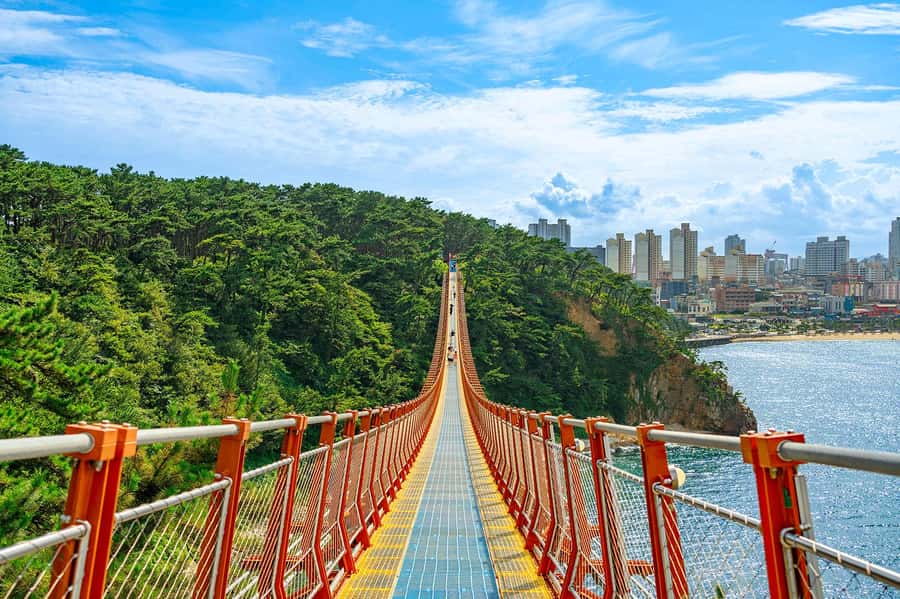
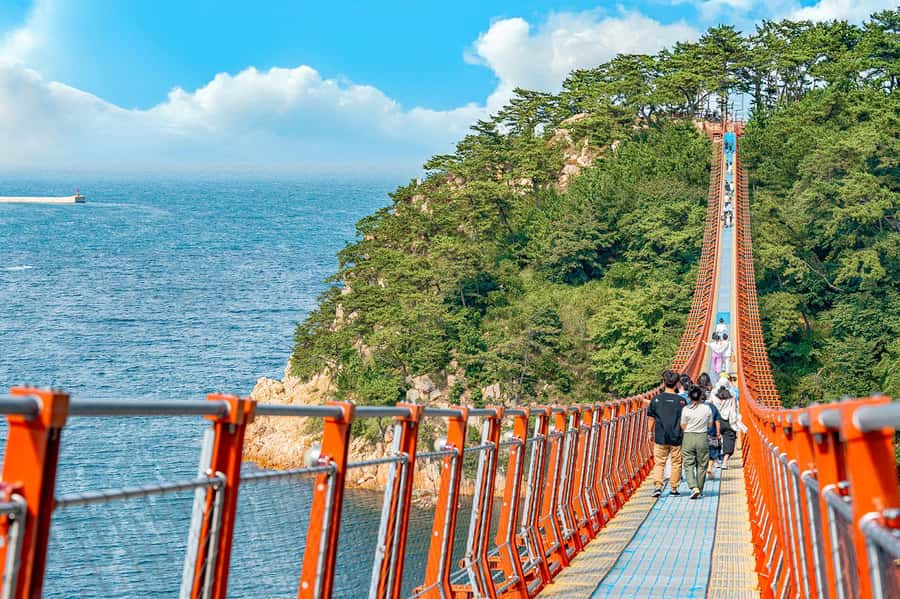
- Daewangam Suspension Bridge: From September 15, 2025, the tour adds a sea-and-rock stop in Ulsan.
- Bulguksa Temple: See Silla stonework, including the Dabotap pagoda pictured on the Korean 10 won coin.
- Hwangnidan-gil snacks: Try the popular 10 won bread among cafés, shops, and restaurants.
- Daereungwon tombs: Walk among large burial mounds linked to Silla kings, queens, and nobles.
- Cheomseongdae and Gyochon: Pair Asia’s oldest astronomical observatory with a Joseon-era village.
- Woljeonggyo Bridge: Finish with one of Gyeongju’s finest photography stops, especially when illuminated.
Why Gyeongju is worth a full day from Busan
Gyeongju was the capital of the Silla kingdom for almost a thousand years. That long period left the city scattered with temples, tombs, observatory remains, village houses, and royal sites. Instead of one fenced-off historic quarter, Gyeongju feels like a modern city built around its past.
That makes independent sightseeing rewarding, but it also makes planning harder. The highlights are spread out, and a first-time visitor may lose time working out local transport. This tour solves that problem with round-trip transport from Busan and a guide who connects the places into one story.
The tour begins at one of three Busan meeting points, depending on the option you book. It returns to Busan at Haeundae Station or Seomyeon Station, making it practical if you are staying in either part of the city. There is no hotel pick-up or drop-off, so you need to reach the selected meeting point on your own.
The price is $47 per person, including the guide, vehicle transfers between stops, and attraction admissions where specified. Meals, drinks, personal spending, and admission to Daereungwon are not included. For a full day covering Busan, Ulsan, and Gyeongju, that is a useful price if you value convenience more than a slow, independent visit.
More Day Trips in Gyeongju:
- Busan: Gyeongju Guided Day Trip to Three Kingdoms Capital
★ 4.8 · 1,925 reviews - From Busan: Busan & Gyeongju One Day Tour
★ 5.0 · 5 reviews - Busan: Winter Healing Park and (Gyeongju/Daegu) One Day Tour
★ 5.0 · 5 reviews
Daewangam Suspension Bridge adds sea air
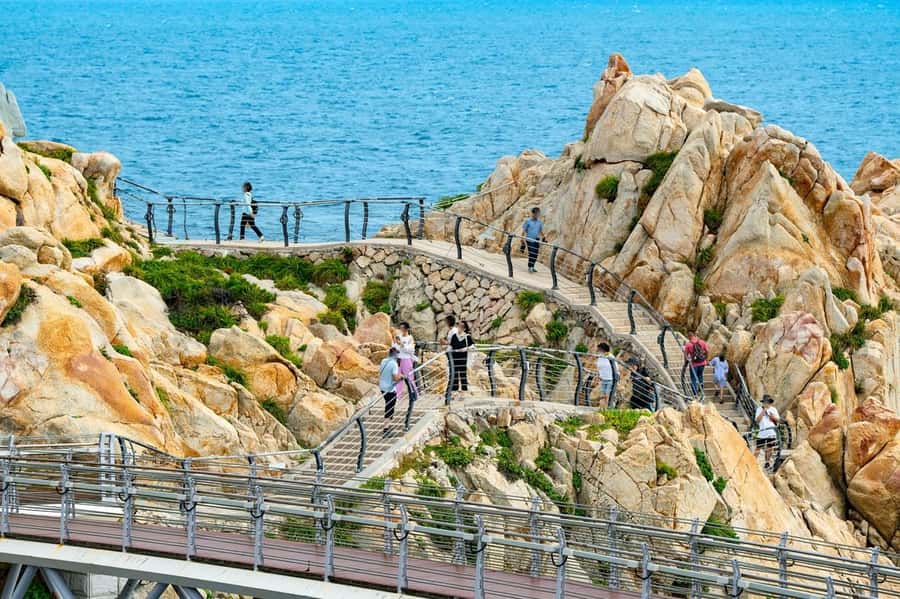
From September 15, 2025, the first major stop is Ulsan Daewangam Suspension Bridge rather than Seokguram Grotto. The bridge gives the day a different opening: instead of starting entirely with temples and tombs, you begin among coastal rocks and sea views.
You can expect a suspended walkway and a little thrill as the bridge crosses the rocky coastal area. It is a good change of rhythm after leaving Busan, and it gives you early photo opportunities before the historical stops begin.
This change matters if you have seen an older description of the tour that mentions Seokguram. The current route after that date is Daewangam. People who specifically want Seokguram’s cave shrine should check the departure date and itinerary before paying.
The suspension bridge may be less appealing if you dislike heights, and the tour does not provide much spare time for a long coastal walk. Think of it as a scenic stop, not a complete Ulsan coastal excursion.
Bulguksa Temple and Silla stonework
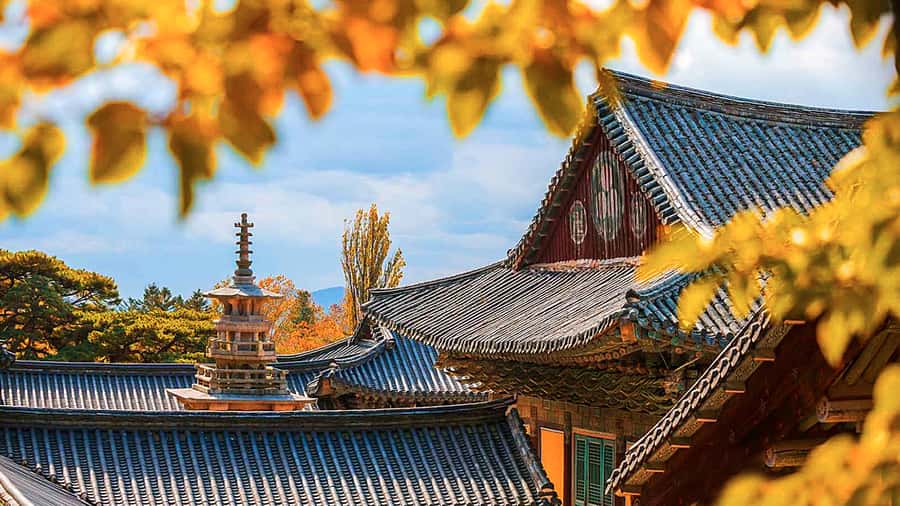
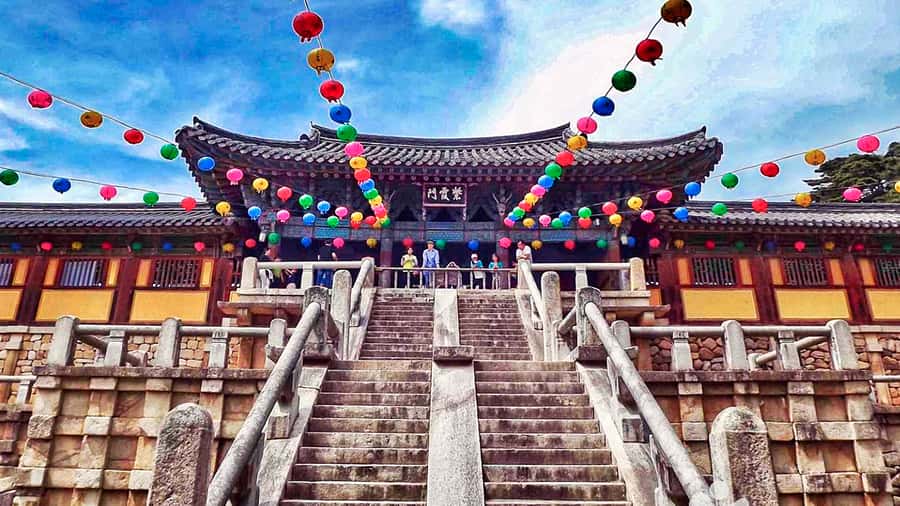
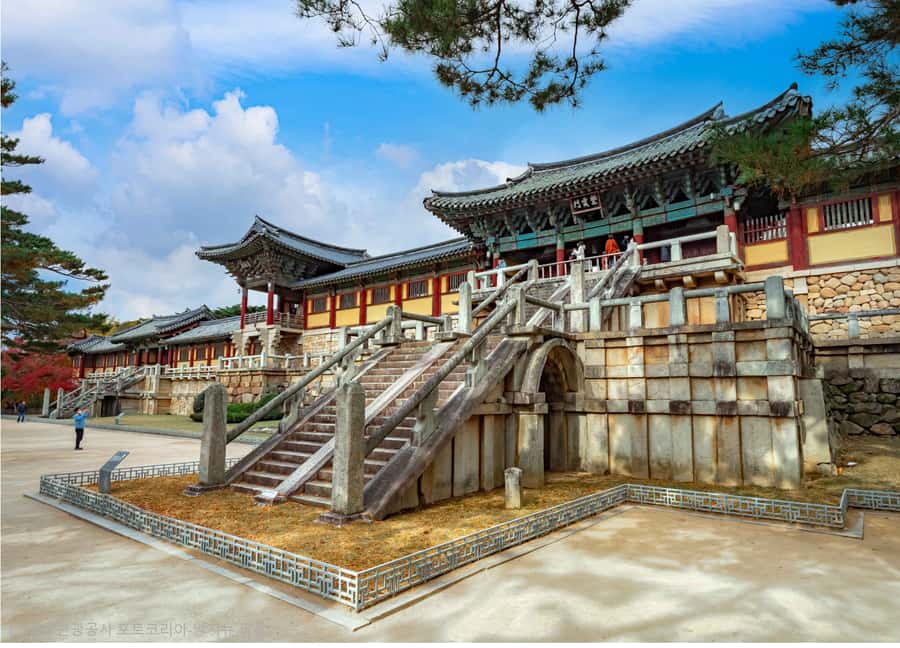
Bulguksa is the day’s major Buddhist site. Set on Tohamsan, the temple gives you a chance to see how Silla builders expressed religious ideas through stairs, platforms, gates, and stone pagodas.
The most famous details are Dabotap and Seokgatap. Dabotap, also called 다보탑, is especially easy to recognize because it appears on the Korean 10 won coin. Looking at the coin after seeing the real pagoda is a small but satisfying way to connect daily Korean life with the country’s older art.
Bulguksa has six National Treasures, so this is not simply a quick temple photo stop. Your guide can help you notice the difference between the two pagodas and explain why the stonework matters. Guides on this route have been praised for clear explanations in English, and some have also spoken Chinese and Korean.
The practical point is footwear and stamina. A temple complex involves walking, steps, and uneven surfaces. The tour is not suitable for wheelchair users, and anyone with heart problems should consider the physical demands before booking.
Hwangnidan-gil: modern Gyeongju beside old tombs
After Bulguksa, the day shifts from formal heritage to food, shops, and street life at Hwangnidan-gil. This pedestrian-only street is one of Gyeongju’s most popular areas, with trendy shops, cafés, and restaurants set among traditional-style buildings.
This is where the tour feels less like a museum visit. You can browse local goods, take photographs of the old-and-new setting, and buy a snack with your own money. The famous choice is 10 won bread, or 십원빵, a round treat named after the coin. It is a fun local food stop, but remember that snacks and meals are not included in the tour price.
You may want to use this stop carefully. The schedule includes several historic sites, so Hwangnidan-gil is not designed for an extended shopping session. If you see something you want, buy it rather than assuming you will have time to return later.
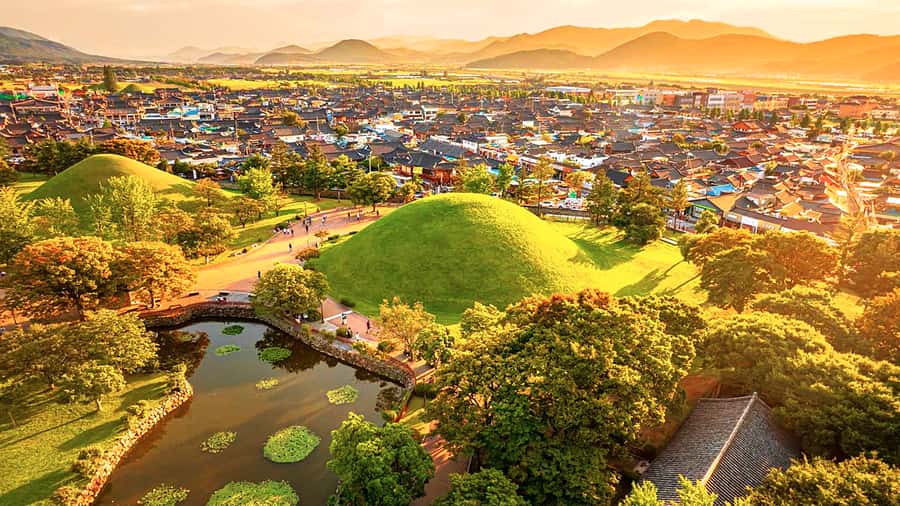
The pairing with Daereungwon next door is clever. You move from cafés and street food straight into one of Gyeongju’s most important Silla burial areas, seeing how the modern city and ancient remains share the same space.
A few more Gyeongju trips worth comparing
- From Busan: Gyeongju UNESCO World Heritage Guided Day Tour
★ 4.8 · 1,250 reviews - Gyeongju UNESCO World Heritage Guided Day Tour from Busan
★ 5.0 · 660 reviews - Old Korea Thousand History Tour of Gyeongju from Busan
★ 5.0 · 518 reviews - Gyeongju UNESCO sites Private tour with licensed tour guide
★ 5.0 · 275 reviews
Daereungwon’s grassy tombs
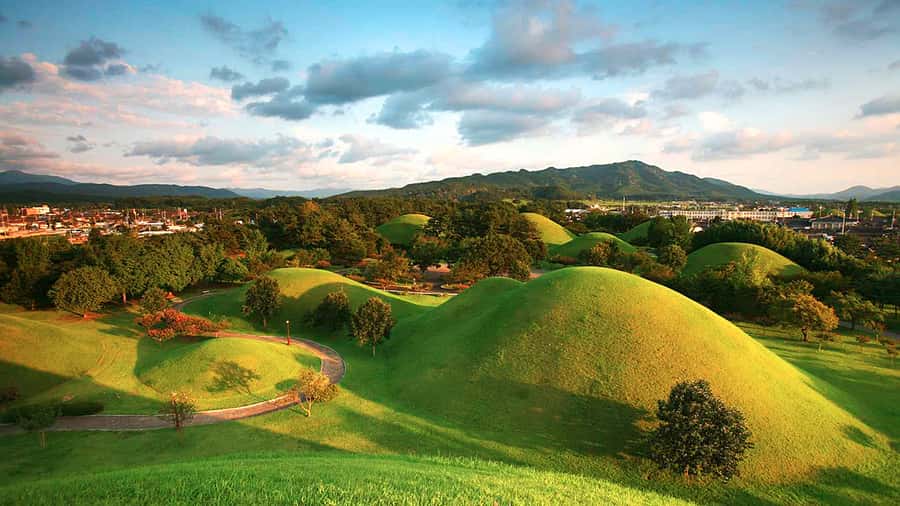
Daereungwon is a complex of Silla-era tumuli, with 23 tombs connected to kings, queens, and nobles. The rounded mounds are striking because they rise directly from the city, looking more like green hills than royal burial places.
The tombs were built with sturdy layers that made robbery difficult. As a result, many objects from inside survived, and several have received National Treasure status. Even without entering a tomb, you can begin to understand the scale and status of Silla’s rulers by walking among the mounds.
Admission to Daereungwon is not included, despite the tour including admission to other attractions. Set aside a small additional amount for this visit, and confirm the current fee when you book. This is an important detail for anyone comparing the advertised price with the final day’s spending.
The grounds are best enjoyed at a steady walking pace. You will get some of the tour’s most recognizable photographs here, especially where the tombs, trees, and traditional architecture meet. The trade-off is that a guided group may not allow unlimited time at each mound.
Cheomseongdae, an early observatory
Cheomseongdae is a compact stone structure with an outsized role in Korean history. It is regarded as the oldest astronomical observatory in Asia, and it gives the tour a useful reminder that Silla culture was not only about royal power and Buddhism.
The structure is made from carefully arranged stones, and your guide can explain how it relates to Silla’s interest in observing the sky. You do not need a long stop to appreciate its shape, but a guide adds meaning that a quick photograph cannot provide.
This is one of the easier stops physically, though the overall day still involves repeated walking. It also offers another strong photo setting, particularly when framed with the open grounds around it.
Gyochon Traditional Village and the Rich Choi family
Gyochon Traditional Village brings you closer to Joseon-era domestic life. Its hanok houses are linked especially with the Gyeongju Choi clan, a wealthy landowning family known locally as the Rich Choi family.
The family is associated with twelve generations of wealth, roughly 400 years. That detail helps explain why the village feels different from a royal palace site. You are looking at the homes and social world of an aristocratic family, not just at monuments built for rulers.
The village also produces Gyeongju Gyo-dong Beopju, a traditional Korean rice wine. It is brewed and sold here, giving the stop a food and craft element alongside the architecture. You can learn about the drink and consider buying it if you have room in your luggage, though personal purchases are your responsibility.
Gyochon is valuable because it slows the historical story down. After royal tombs and a Buddhist temple, you see how an elite household shaped a local neighborhood. The visit remains brief, so do not expect a full museum-style tour of every house.
Woljeonggyo Bridge after the village
Woljeonggyo is next to Gyochon, so the two stops fit together naturally. The bridge was first built during the Unified Silla period, from AD 676 to 935, burned during the Joseon Dynasty, and rebuilt in 2018.
It is now described as the largest wooden bridge in Korea. Its long form, traditional design, and position over the water make it one of the day’s best photography stops. The mood is calmer here than on Hwangnidan-gil, and you can take in the architecture without the same level of street activity.
If the timing allows, the bridge can be especially attractive when its lights are on. The exact return time depends on traffic and weather, so you should not assume a particular sunset or illumination schedule. Still, this is a strong final stop because it leaves you with a quiet image of Gyeongju rather than ending only with a busy shopping street.
Transport, pace, and guide quality
The vehicle can be a car, van, or coach depending on the number of participants. That flexibility helps the operator run the tour at different group sizes, but it means the exact seating experience is not fixed.
You will spend a fair amount of the day on the road between Busan, Ulsan, and Gyeongju. That is the price of covering so much ground in one day. Traffic and weather can change the order or timing, and drop-off may be later than expected.
A good guide matters here. Leo is one guide associated with this experience, and the tour also uses English-speaking guides who explain the sites, answer questions, and point out photo locations. One practical advantage is help with taking pictures, which can be useful when you are traveling alone or want a group shot.
The strongest praise for this experience centers on friendly, clear guiding and an itinerary that feels organized without being frantic. Still, no guide can turn a seven-stop day into a leisurely cultural retreat. You should book it for efficient coverage, not for long periods of quiet reflection at every site.
Who should book this Busan day trip?
I would choose this tour if you are staying in Busan and want to see Gyeongju without handling several connections. It suits first-time visitors, short-stay visitors, photographers, and anyone who wants a broad introduction to Silla and Joseon culture in one day.
It is also a good match if you enjoy variety. You get a coastal suspension bridge, Buddhist architecture, burial mounds, street food, hanok houses, an astronomical site, and a historic wooden bridge.
I would be more cautious if you want to spend hours inside Bulguksa, shop slowly on Hwangnidan-gil, or explore every corner of Daereungwon. The tour is not suitable for wheelchair users, does not offer baby seats, and infants aged two and under must sit on an adult’s lap. Pets are not allowed.
Arrive at the meeting point five to ten minutes early. Late arrivals and no-shows cannot be refunded. You can cancel up to 24 hours ahead for a full refund, and the reserve-now, pay-later option may help if your Busan plans are still shifting.
Should you book it?
Book this tour if your priority is seeing Gyeongju’s main sights efficiently from Busan. At $47, the included transport, guide, and listed admissions make it good value, even after allowing extra money for food and Daereungwon.
Skip it if you prefer a slow, self-guided day or if you specifically want Seokguram after September 15, 2025, when the route changes to Daewangam Suspension Bridge. For most visitors with only one free day, though, this is a practical way to meet Gyeongju’s temples, tombs, food, village houses, and bridge lights without losing time to logistics.
FAQ
Where does the tour start and finish?
The meeting point varies by the option booked. The tour finishes back at the meeting point, with returns to Haeundae Station or Seomyeon Station in Busan.
Is hotel pick-up included?
No. Hotel pick-up and drop-off are not included. You must travel to the assigned meeting point.
What is included in the price?
The price includes an English-speaking tour guide and driver, round-trip transfers between destinations, and admission to the attractions covered by the tour. Meals, beverages, personal expenses, and Daereungwon admission are not included.
Does the tour visit Seokguram Grotto?
From September 15, 2025, the tour visits Ulsan Daewangam Suspension Bridge instead of Seokguram Grotto.
Are infants allowed?
Infants aged zero to two can join free of charge if they sit on an adult’s lap. Baby seats are not available.
Can I cancel the booking?
You can cancel up to 24 hours in advance for a full refund. Late arrivals and no-shows cannot be refunded.
Newest Gyeongju trips on the site
- Gyeongju: Private Car Charter Taxi Tour★ 5.0 · 37 reviews
- From Daegu: Gyeongju UNESCO Tour 7 Highlights with Bulguksa★ 4.6 · 5 reviews
- From Busan: Echoes of Silla Gyeongju Historical Day Tour★ 4.8 · 55 reviews
- From Busan: Gyeongju Small Group Photo Tour & Hotel Pick-up★ 5.0 · 3 reviews
- From Busan: Gyeongju Historical Day Tour with Sky Capsule★ 4.7 · 17 reviews
- From Busan: Gyeongju Full-Day Historical Tour★ 4.1 · 6 reviews
- From Busan: Busan & Gyeongju One Day Tour★ 5.0 · 5 reviews
- Busan: Winter Healing Park and (Gyeongju/Daegu) One Day Tour★ 5.0 · 5 reviews
Gyeongju Tours, compared.
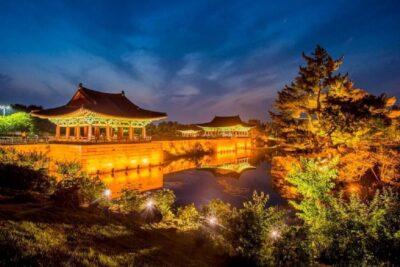
Gyeongju Guided Day Trip to Three Kingdoms Capital
Read our review →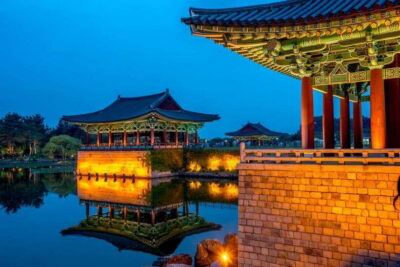
Gyeongju UNESCO World Heritage Guided Day Tour
Read our review →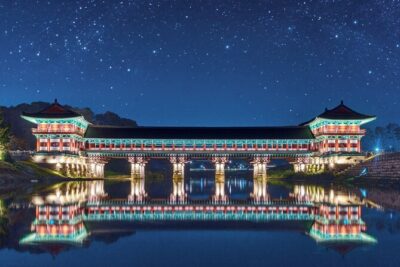
Gyeongju UNESCO World Heritage Guided Day Tour from Busan
Read our review →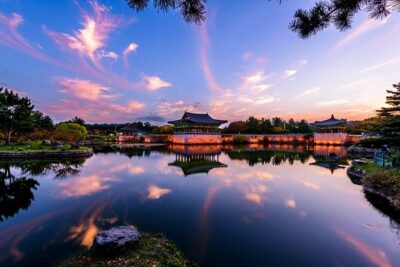
Old Korea Thousand History Tour of Gyeongju from Busan
Read our review →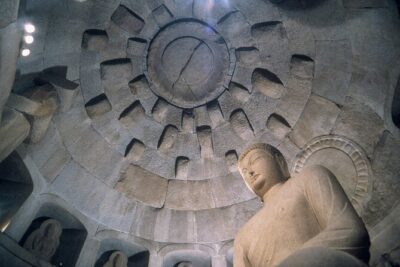
Gyeongju UNESCO sites Private tour with licensed tour guide
Read our review →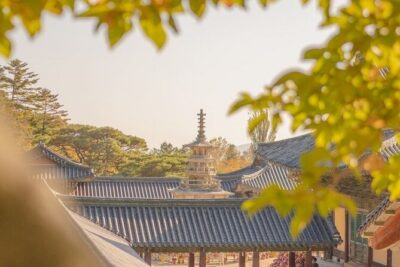
Private Gyeongju Tour – Explore Gyeongju UNESCO Sites
Read our review →
Gyeongju UNESCO Legacy Tour with National Museum
Read our review →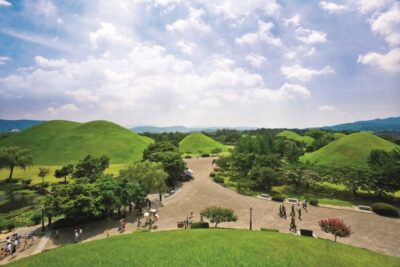
UNESCO Heritage Tour Including Bulguksa Temple
Read our review →Browse the lists this tour appears in