
Reviewed · GYEONGJU TOURS
Busan: Winter Healing Park and (Gyeongju/Daegu) One Day Tour
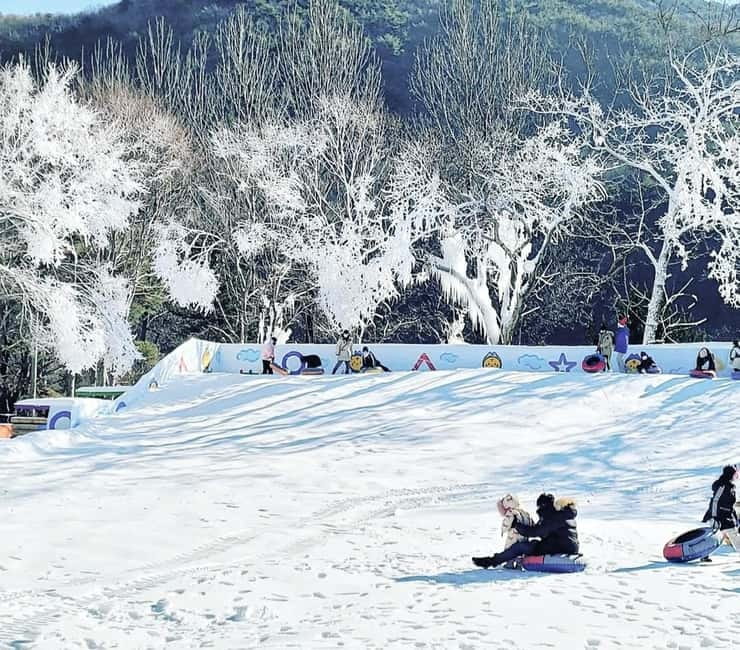
Kookmin Healing Park is the unusual heart of this long day out: a snowy winter park with sled rides, icy walks, and optional canoeing. Afterward, you choose between historic Gyeongju and winter scenery around Daegu. I like the mix of outdoor fun and Korean culture, and I like having round-trip transport from Busan for a far-reaching day.
The Gyeongju option gives you Bulguksa Temple, Gyochon Village, Hwangnidan Street, and Woljeong Bridge, while the Daegu route adds Seomun Market and a frozen natural site. The trade-off is time: at 11 hours, this is a full day, and traffic or weather can change the schedule.
Key points to know before you book
- Kookmin Healing Park comes first: Expect sledding, icy scenery, walking trails, and optional canoeing.
- The Gyeongju route is the history choice: Bulguksa Temple, Gyochon Village, Hwangnidan Street, and Woljeong Bridge give you a varied introduction to the city.
- The Daegu route is more seasonal: Seomun Market is paired with either Songhae Park at Okyeon Reservoir or Biseulsan Recreational Forest, depending on ice conditions.
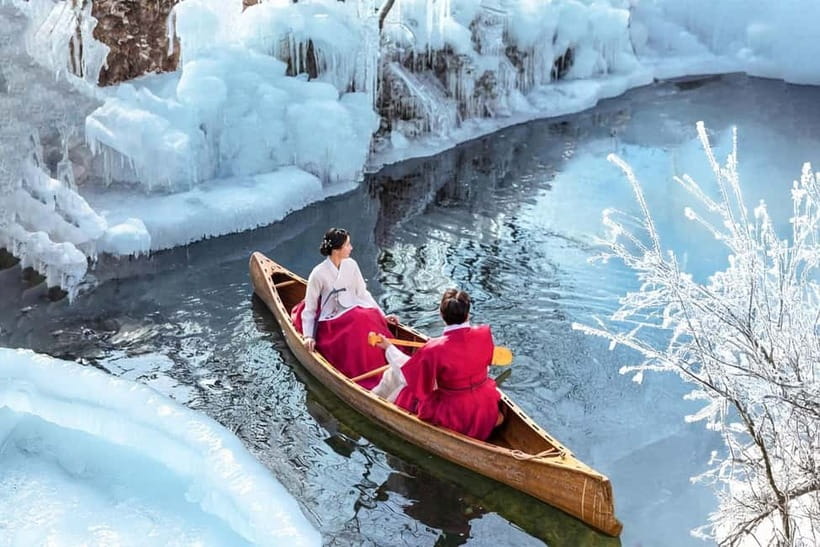
- Canoeing costs extra: The fee is paid in cash on site, KRW 30,000 for one to four seats or KRW 50,000 for five to eight seats.
- The guides add personal help: Amy, Sophie, and Lee are named guides associated with recent departures, with help available in English, Chinese, and Korean.
- Plan for a long day: The advertised duration is 810 minutes, or 11 hours, with the meeting point depending on your selected route.
Why the winter park is the main event
Many day trips from Busan rely only on monuments or shopping streets. This one begins with a change of pace at Kookmin Healing Park. Snow, ice, sledding, and canoeing give the morning a playful feel before the cultural stops later in the day.
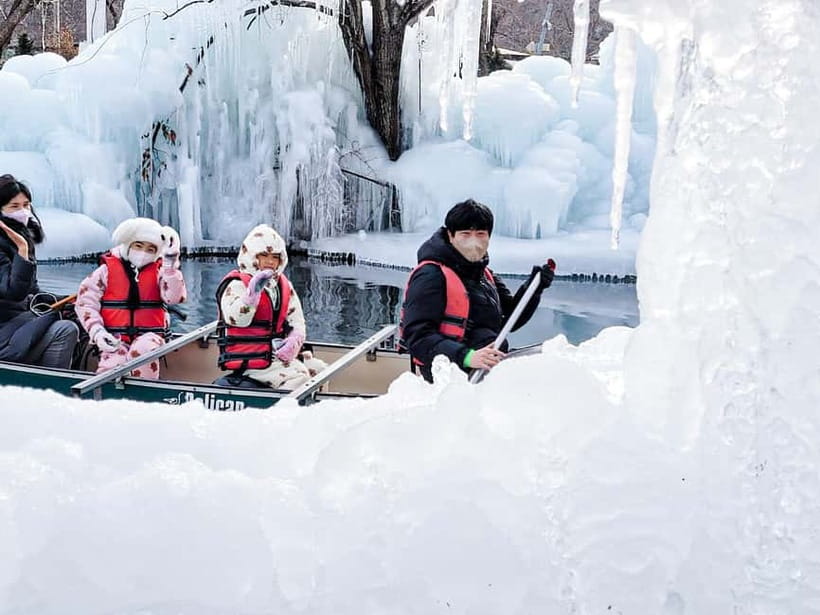
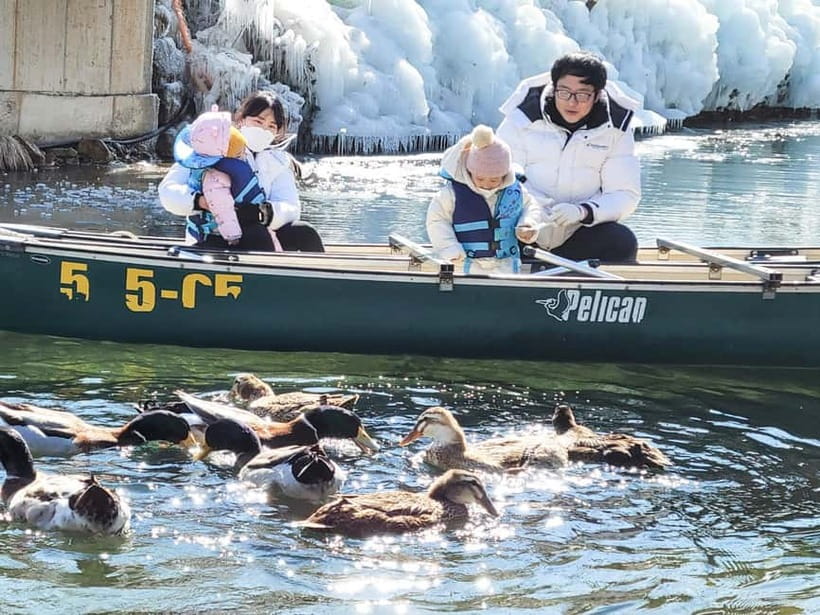
The park is presented as a winter wonderland, but keep your expectations sensible. Weather controls the look and feel of the visit. If conditions are right, you can walk beside frozen water, enjoy icy scenery, and take a sled ride. The canoe experience is optional, so you can decide if it suits your budget and comfort level on the day.
I would pay close attention to the canoe fee before booking. It is not included in the tour price, and payment is cash only. A one to four seat canoe costs KRW 30,000, while a five to eight seat canoe costs KRW 50,000. This can be a highlight, especially if you want an activity rather than a quick photo stop, but it should not come as a surprise when you arrive.
The park works well for families and anyone who enjoys a bit of movement. An infant can join free of charge, but no seat is provided. If you plan to bring a stroller, notify the operator in advance. Snow, ice, and outdoor paths can also make the park less convenient for anyone who needs very easy walking conditions.
More Winter Trips in Gyeongju:
- Jisan Ski Resort from Seoul by Shuttle(Opt Winter Skiing Package)
★ 5.0 · 194 reviews - Seoul: Elysian Gangchon Winter Ski Resort Fun Day Tour
★ 4.6 · 25 reviews - Seoul: Full-Day Winter Trip Ski Resort, Ice Valley, Namiseom
★ 5.0 · 12 reviews
Choosing between Gyeongju and Daegu
The choice is not simply two versions of the same tour. Gyeongju is the culture-heavy route, with temples, traditional buildings, local stories, cafes, and a famous bridge. Daegu is the food-and-nature route, with market browsing followed by a winter site selected according to ice conditions.
I would choose Gyeongju if this is your first visit to the area or if Korean history is a major reason for your trip. Choose Daegu if you prefer a market meal, street food, crafts, and a quieter outdoor stop after the park.
Both routes include the same Kookmin Healing Park visit. Both are built around a long day from Busan, so the decision comes down to what you want during the second half.
Bulguksa Temple and the story of Gyeongju
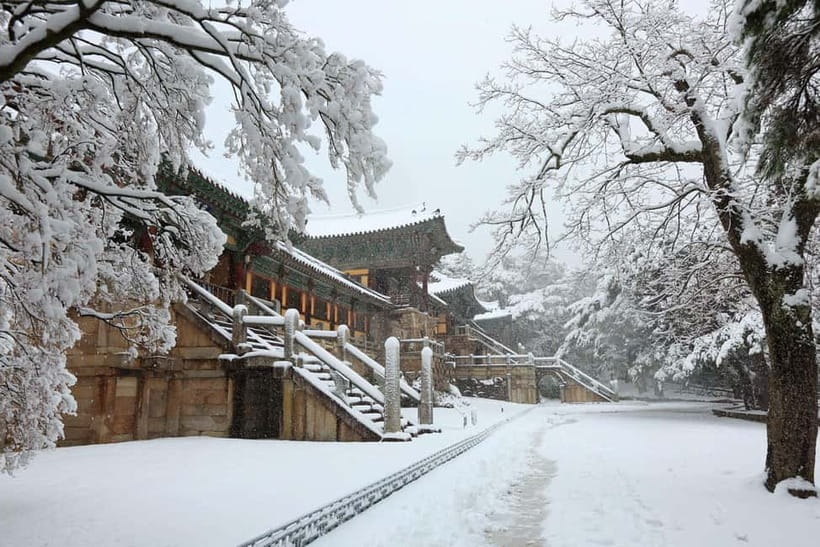
On the Gyeongju route, Bulguksa Temple provides the strongest historical stop. It is one of Gyeongju’s best-known sites and was designated a UNESCO World Cultural Asset in 1995. The temple is valued not only for its buildings but also for the stone work and decorative details that surround them.
A guide matters here. Without context, you can admire roofs, stairs, courtyards, and carved stone pieces without understanding why the site matters. A guide can connect the temple to the wider story of Gyeongju and point out details you might otherwise pass.
The visit is not just a quick look at an old building. The artistic treatment of the stone relics is a central part of Bulguksa’s appeal. Allow yourself time to notice proportions, materials, and the way the temple setting frames the surrounding winter scenery.
The main limitation is time. This is one stop on a day that also includes a winter park, village, shopping street, and bridge. You should expect an introduction rather than a slow, specialist visit to every corner of the temple complex.
Gyochon Village and the Choi family story
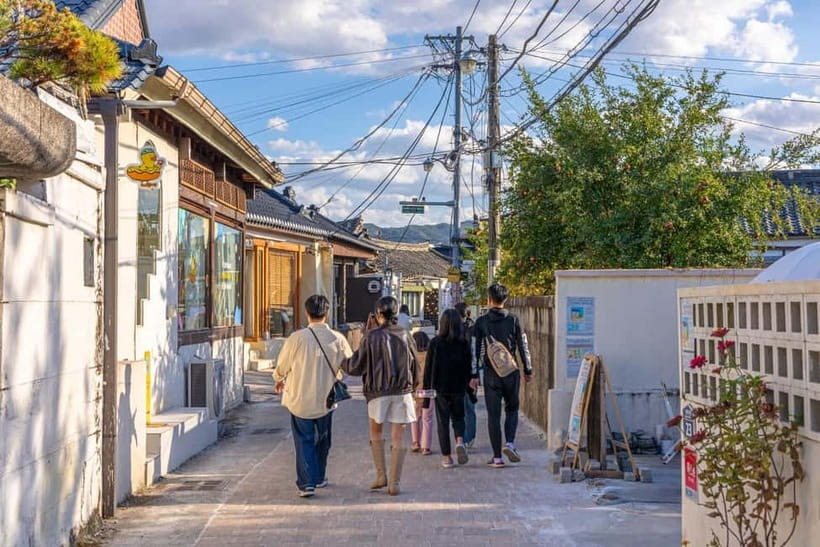
Gyochon Traditional Village shifts the mood from temple history to local family history. The village centers on the Gyeongju Choi Clan, a family known for maintaining its wealth over 12 generations and producing influential figures.
That detail gives the stop a clear human focus. Instead of hearing only about kings, temples, and monuments, you get a look at how one prominent Korean family shaped its place in the community. Traditional village settings also provide a useful contrast with the modern cafes and shops later in the day.
I would treat Gyochon as a place for a calm walk and explanation rather than a major attraction packed with activities. Its value comes from the story and setting. If you enjoy old houses and social history, it may be one of the more rewarding stops. If you mainly want dramatic monuments, Bulguksa and Woljeong Bridge will likely make the bigger impression.
More Day Trips in Gyeongju:
- Busan: Gyeongju Guided Day Trip to Three Kingdoms Capital
★ 4.8 · 1,925 reviews - Busan: 7 Highlights Gyeongju City One Day Tour
★ 4.9 · 10 reviews - From Busan: Busan & Gyeongju One Day Tour
★ 5.0 · 5 reviews - Mt. Seorak+Nami Island+Garden of Morning Calm Day Trip from Seoul
★ 5.0 · 959 reviews
Hwangnidan Street for food and cafe time
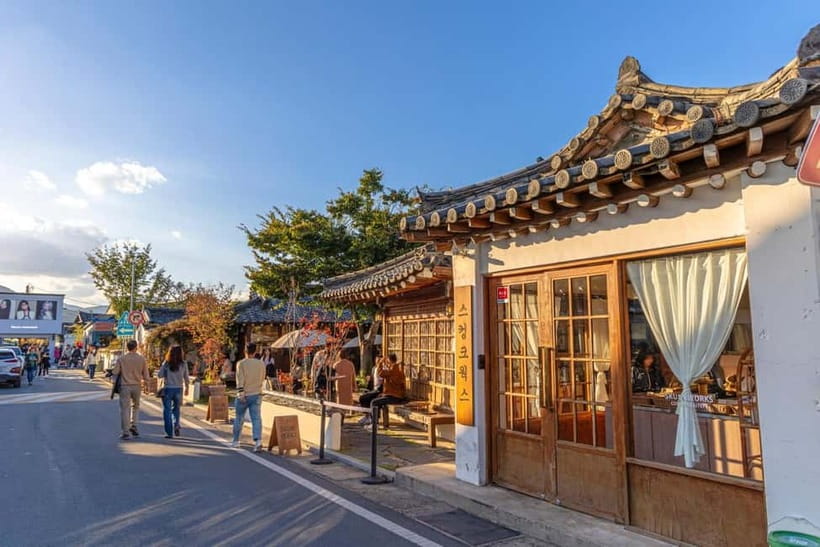
Hwangnidan Street brings the day into the present. The area is known for street food, trendy cafes, and a range of small shops. After the formal architecture of Bulguksa and the traditional setting of Gyochon, this stop gives you room to choose your own pace.
You can use the visit to sample snacks, browse, or sit with a drink. Meals are not included, so this is also a practical chance to buy food. Bring your own spending money and remember that the tour price covers admission and transport, not personal purchases.
Hwangnidan Street is a good fit if you want a bit of modern Korea alongside the historical material. It is less useful if you prefer a tightly guided cultural visit with no free time. The appeal is the freedom to pick what interests you, though your available time will depend on the day’s traffic and schedule.
Woljeong Bridge after dark or winter light
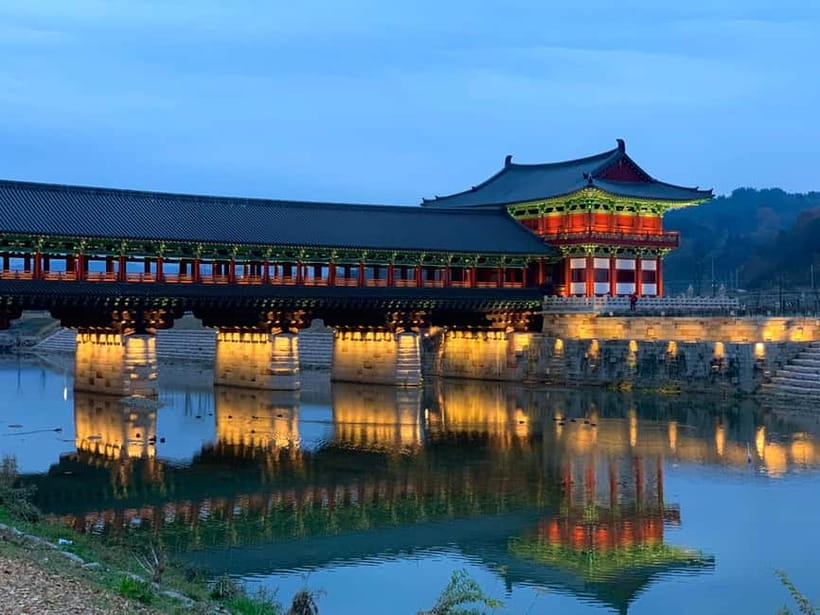
The Gyeongju route ends at Woljeong Bridge before the return to Busan. The bridge has a long history and is associated with sturdy stone arches and old engineering methods. Its shape makes it a strong final photo stop, especially after seeing the temple and village earlier in the day.
Ending here gives the route a clean visual finish. You move from sacred architecture to a traditional village, then modern food streets, and finally a historic bridge. It is a varied introduction to Gyeongju rather than a single-site excursion.
Do not expect the bridge visit to replace a full architectural tour. It is a final stop within a packed itinerary. Its strength is the setting and the chance to see one more part of Gyeongju before the drive home.
Seomun Market and the Daegu route
The Daegu option starts its second half at Seomun Market. This is the practical choice for anyone who likes to eat as part of sightseeing. The market has street food, crafts, and local goods, and lunch is at your own expense.
I like this arrangement because it lets you choose your meal instead of locking the group into one restaurant. It also means you need to watch the time and budget. Meals are not covered, and the market may tempt you to spend on more than lunch.
Seomun Market changes the rhythm of the day. After the outdoor winter park, you get a warmer, more active indoor and street-level experience before heading back into nature. It is a better fit than the Gyeongju route if food stalls and local shopping interest you more than temples and traditional villages.
Songhae Park or Biseulsan, depending on the ice
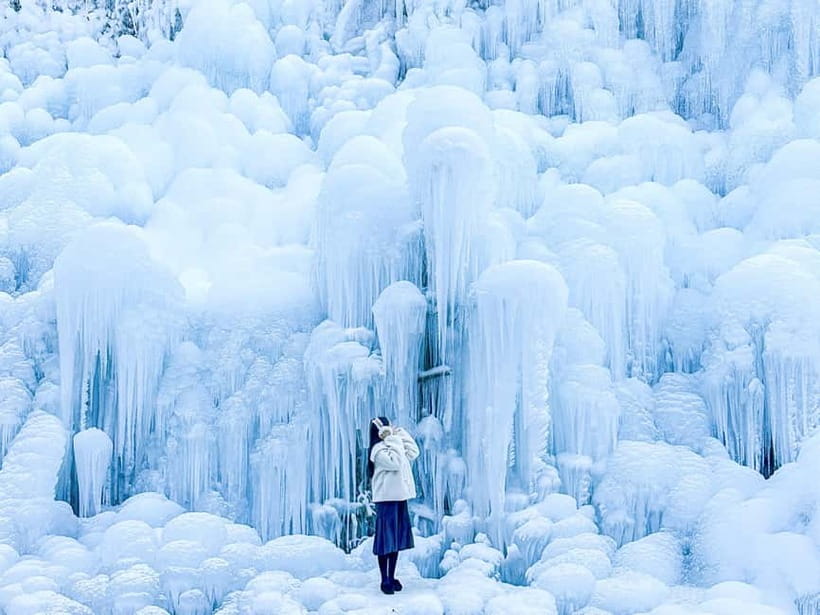
The final Daegu-area stop is not fixed. You may visit the ice wall at Songhae Park near Okyeon Reservoir, or Biseulsan Recreational Forest. The choice depends on ice conditions, so you should think of this as a weather-led part of the trip.
At Songhae Park, the focus is the frozen wall and winter scenery around the reservoir. At Biseulsan, you can expect icy paths, mountain air, and a frozen stream setting. The exact experience will vary with conditions, but both options are intended to show a quieter side of winter in the region.
This flexibility is sensible. Ice attractions can change quickly with temperature, and a fixed promise would be less reliable. The drawback is that you cannot know the final nature stop in advance. If you have your heart set on one exact location, the Daegu route may frustrate you.
What $65 covers, and what it does not
At $65 per person, the tour offers a useful amount of structure for a long day from Busan. Round-trip transportation, admission fees, and tour staff are included. That matters when the route reaches several places outside Busan and involves two different regional destinations.
The price is less all-inclusive than it may first appear. You pay for your meals, insurance, personal purchases, and the optional canoe. The canoe fee is the only listed activity charge, but it is important because many people will see it as one of the park’s main attractions.
I see the value mainly in the transport and planning. Getting from Busan to the winter park, then to Gyeongju or Daegu, would take more effort by yourself. The guide also adds historical context and can help with photos and recommendations. Recent guide names include Amy, Sophie, and Lee. Amy is noted for good recommendations and photos, while Sophie is described as caring and attentive. Lee is associated with clear explanations, kindness, and strong photo help.
The value drops if you want a slow, flexible day. This is a multi-stop excursion with a fixed general structure. Traffic, weather, and ice conditions can affect the timing, so you should not book it expecting every stop to run exactly to the minute.
Guides, languages, and the pace of the day
Live guidance is available in English, Chinese, and Korean. That makes the tour practical for visitors who want more than a driver and a list of place names. The guide can explain historical sites, give recommendations, and help with photos, all of which matter on a busy day.
The 11-hour duration deserves serious attention. You will spend a large part of the day moving between Busan and the regional sites. That is the cost of seeing several destinations in one outing, and it can be worthwhile if your Busan stay is short.
I would wear comfortable shoes and prepare for both indoor and outdoor time. The information provided does not specify exact temperatures, group size, or meal breaks, so dress for winter conditions and keep your plans afterward light. The itinerary is subject to traffic and weather, and the Daegu nature stop can change with ice conditions.
Free cancellation is available up to 24 hours before departure, and you can reserve now and pay later. Meeting points vary by the option booked, so check the exact pickup details before setting out.
Who should book this day trip?
I would recommend this tour to you if you want one organized winter day outside Busan and enjoy variety. It suits first-time visitors who want an introduction to Gyeongju, families interested in sledding and canoeing, and anyone who prefers having transport arranged.
Pick Gyeongju for temples, village history, and a more cultural route. Pick Daegu for market food and a winter nature stop that changes with the weather.
I would hesitate if you dislike long coach days, need a highly predictable schedule, or want to spend several hours at just one attraction. The tour covers a lot, but it does so at a brisk pace. For most people, the best reason to book is the combination of Kookmin Healing Park with a second destination. You get winter fun first, then a choice between Korea’s historical center in Gyeongju and Daegu’s food-and-ice alternative.
FAQ
How long does the tour last?
The tour lasts 11 hours, listed as 810 minutes. Starting times depend on availability.
What are the two tour options?
You can choose Healing Park plus Gyeongju Winter, or Healing Park plus Daegu Winter.
What is included in the price?
Round-trip transportation from Busan, English and Chinese speaking staff, and admission fees are included.
Is lunch included?
No. Meals are not included, so you should budget for lunch and other food purchases.
How much does the canoe cost?
The canoe is optional and paid in cash on site. One to four seats cost KRW 30,000, while five to eight seats cost KRW 50,000.
Which languages are available?
Live tour guidance is available in Chinese, English, and Korean.
Can an infant join the tour?
An infant can join free of charge, but no seat is available.
Can I bring a stroller?
You should inform the tour provider if you plan to bring a baby stroller.
Will the Daegu tour always visit the same final location?
No. The final spot may be Songhae Park at Okyeon Reservoir or Biseulsan Recreational Forest, depending on ice conditions.
Newest Gyeongju trips on the site
- Gyeongju: Private Car Charter Taxi Tour★ 5.0 · 37 reviews
- From Daegu: Gyeongju UNESCO Tour 7 Highlights with Bulguksa★ 4.6 · 5 reviews
- From Busan: Echoes of Silla Gyeongju Historical Day Tour★ 4.8 · 55 reviews
- From Busan: Gyeongju Small Group Photo Tour & Hotel Pick-up★ 5.0 · 3 reviews
- From Busan: Gyeongju Historical Day Tour with Sky Capsule★ 4.7 · 17 reviews
- From Busan: Gyeongju Full-Day Historical Tour★ 4.1 · 6 reviews
- From Busan: Busan & Gyeongju One Day Tour★ 5.0 · 5 reviews
- Busan: 7 Highlights Gyeongju City One Day Tour★ 4.9 · 10 reviews
Gyeongju Tours, compared.
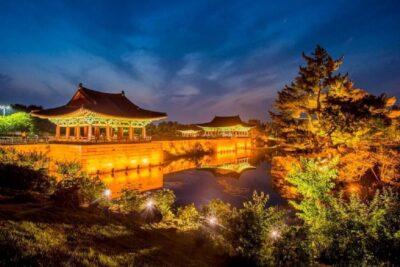
Gyeongju Guided Day Trip to Three Kingdoms Capital
Read our review →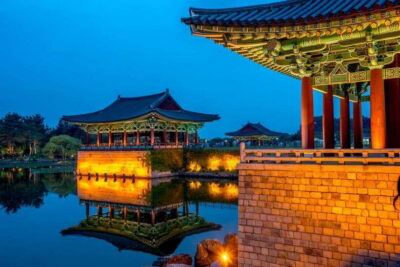
Gyeongju UNESCO World Heritage Guided Day Tour
Read our review →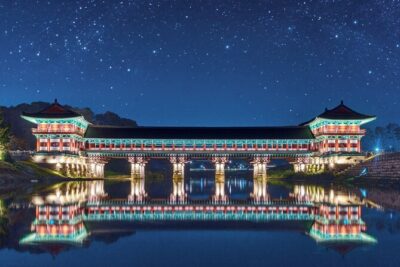
Gyeongju UNESCO World Heritage Guided Day Tour from Busan
Read our review →
Old Korea Thousand History Tour of Gyeongju from Busan
Read our review →
Gyeongju UNESCO sites Private tour with licensed tour guide
Read our review →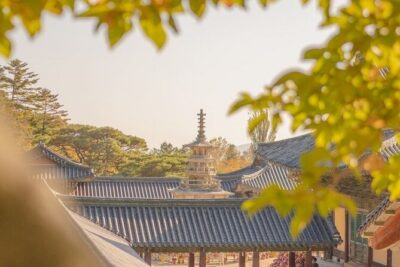
Private Gyeongju Tour – Explore Gyeongju UNESCO Sites
Read our review →
Gyeongju UNESCO Legacy Tour with National Museum
Read our review →
UNESCO Heritage Tour Including Bulguksa Temple
Read our review →Browse the lists this tour appears in