
Reviewed · GYEONGJU TOURS
Gyeongju UNESCO sites Private tour with licensed tour guide
Gyeongju is spread across a wide area, with eighth-century temples, royal tombs, museums, and traditional streets separated by real driving time. This private tour lets you cover the main sights without wrestling with bus connections, and guides such as Jino, Joy, Sang, Cynthia, and Jake have helped visitors shape the day around their interests. The private car is the big advantage, especially from Busan.
I like the way the tour joins the major Silla sites into one sensible day, and I like the option of ending in Gyeongju instead of returning to Busan. The drawback is pace: seeing everything listed can create a long, walking-heavy day, and entrance fees and lunch are extra.
Key points to know before booking
- Bulguksa and Seokguram together: These two UNESCO sites offer the strongest look at Silla Buddhist art and architecture.
- A private car saves time: Parking, tolls, and private transport are included, which matters when sights are spread around Gyeongju.
- Flexible from 4 to 9 hours: You can take a shorter visit from Gyeongju or plan a fuller day from Busan.
- Guides shape the experience: English or Chinese speaking licensed guides can adjust the pace, explain local history, help with photographs, and suggest lunch.
- The day covers more than temples: Royal tombs, the National Museum, Cheomseongdae, Gyochon Village, and Woljeonggyo Bridge add variety.
- Expect some walking: The tour requires moderate fitness, and the full route may be tiring for young children or anyone with limited mobility.
Why a private tour makes sense in Gyeongju
Gyeongju was the capital of the Silla Kingdom from 57 BC to 935 AD. Its important sites do not sit in one compact old town. Bulguksa and Seokguram are southeast of the central sights, while Daereungwon, the museum, Cheomseongdae, Gyochon Village, and Woljeonggyo are grouped in and around the historic center.
That layout makes a private vehicle useful. You are not spending the day checking bus routes or waiting between distant stops. Your guide handles the driving, parking, and road connections while you focus on the sites. Parking fees and tolls are included, as is private transportation in an air-conditioned vehicle.
The tour is available from either Busan or Gyeongju. A Busan departure makes this a practical day trip, with some driving time built into the day. A Gyeongju pickup gives you more time at the sights and makes the shorter four-hour option more realistic.
The one-way choice is especially useful. You can start in Busan, see Gyeongju, and finish at your Gyeongju hotel, or make the reverse arrangement when it suits your plans. Several families also used the car for a hotel transfer with sightseeing along the way. Confirm your pickup and drop-off details carefully when booking, since the route and available time affect how much you can see.
More UNESCO Sites in Gyeongju
- From Busan: Gyeongju UNESCO World Heritage Guided Day Tour
★ 4.8 · 1,250 reviews - Gyeongju UNESCO World Heritage Guided Day Tour from Busan
★ 5.0 · 660 reviews - Private Gyeongju Tour – Explore Gyeongju UNESCO Sites
★ 5.0 · 272 reviews
Bulguksa Temple: the essential first stop
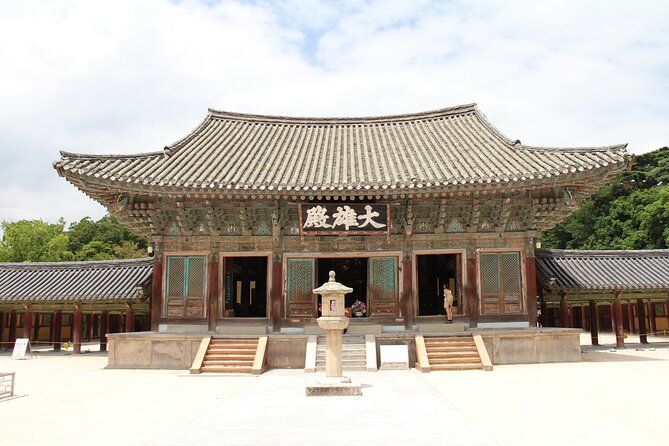
Bulguksa is the architectural heart of the tour. Built in the eighth century during the Silla period, it combines wooden halls, stone stairways, and carefully built pagodas in a temple complex that rewards a slow look.
Your guide can point out how Buddhist ideas appear in the design instead of leaving you to see only attractive roofs and stonework. The temple is also a good place to begin because it sets up the artistic and religious themes that continue at Seokguram and the museum.
The planned visit is about one hour. That is enough for a focused visit, though you may want more time if you enjoy architecture or photography. The admission is listed as free. Wear comfortable shoes, since the site includes walking and steps.
Seokguram Grotto and the mountain road
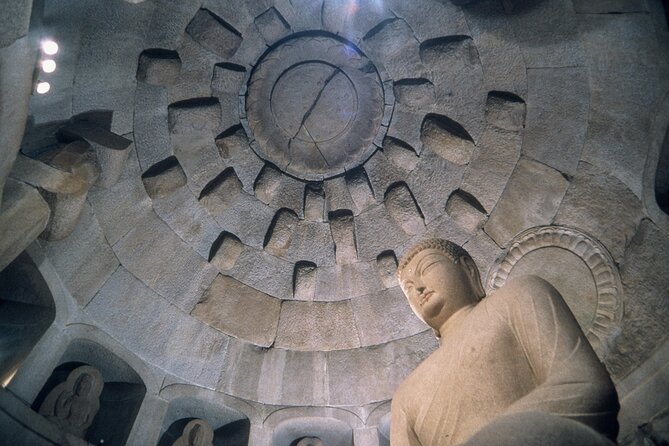
Seokguram is a shorter stop, listed at about 40 minutes, but it carries enormous artistic importance. The grotto contains a serene granite Buddha created in the eighth century, and the site is another UNESCO World Heritage location connected with Bulguksa.
The mountain setting gives this stop a different mood from the broad temple grounds. Your guide can explain the relationship between the grotto and Silla Buddhist culture, helping you understand why this carefully planned chamber matters.
The visit is brief by design. If you want a long, unhurried look, the full nine-hour version may suit you better than the four-hour option. Admission is listed as free, though the tour terms note that some entrance fees may apply. The route also involves walking, so this is not the easiest stop for anyone who tires quickly.
Daereungwon and the royal tombs
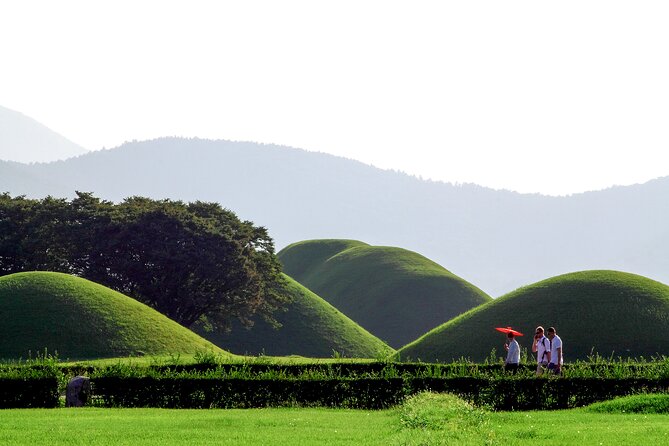
Daereungwon Tomb Complex brings you into the world of Silla royalty. The large grassy burial mounds are easy to recognize, but their scale can be misleading. Beneath them are royal burials and valuable objects that help explain the power and craftsmanship of the Silla court.
Cheonmachong, or Heavenly Horse Tomb, is the main draw within the complex. It was excavated, and artifacts from the tomb include objects associated with Silla burial customs and royal status. The visit usually takes about 40 minutes.
This stop works particularly well with a guide. Without context, the mounds can look like simple hills. With an explanation of who was buried there and what was found, the site becomes a clear link between the outdoor setting and the objects displayed later at the National Museum.
Admission to Daereungwon is not included. The tour terms also say entrance fees are not generally included, with free admission for people over 65 noted. Bring identification if that exemption may apply.
Same base, a completely different sort of day:
- Busan: Gyeongju Guided Day Trip to Three Kingdoms Capital
★ 4.8 · 1,925 reviews - Old Korea Thousand History Tour of Gyeongju from Busan
★ 5.0 · 518 reviews - Busan: Gyeongju UNESCO Legacy Tour with National Museum
★ 5.0 · 172 reviews - Gyeongju UNESCO World Heritage Sites and History Full-Day Tour with Lunch
★ 5.0 · 104 reviews
Gyeongju National Museum and Silla craftsmanship
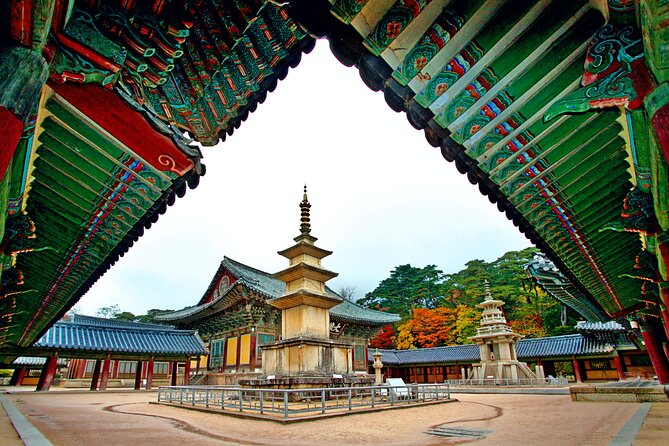
The Gyeongju National Museum is the place to connect the ruins and tombs with the objects they produced. Its collection includes more than 100,000 artifacts from the Silla Kingdom, including golden crowns and the famous 20-ton bell.
The planned visit is about 40 minutes, which gives you a useful introduction but not enough time to inspect every gallery. If you are interested in archaeology, metalwork, or Buddhist art, ask your guide to focus the visit around the exhibits that matter most to you.
I especially like having the museum in the same day as Daereungwon. You first see the burial mounds, then encounter the objects recovered from Silla tombs. That pairing makes the museum feel less like a separate indoor stop and more like the evidence for what you have already seen outside.
Admission is listed as free. The museum also gives you a break from the sun, rain, or cold, depending on the season.
Cheomseongdae, an ancient stone observatory
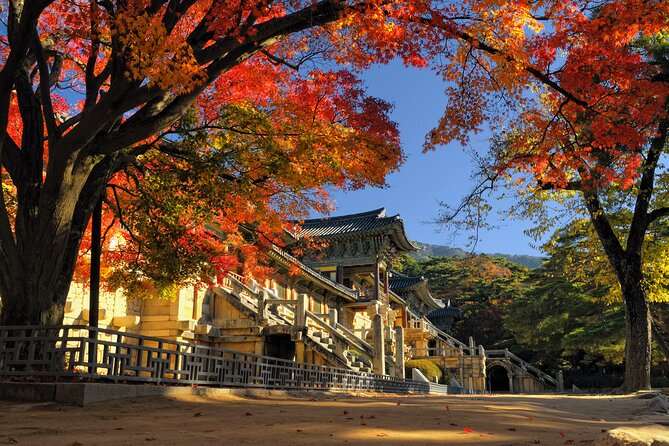
Cheomseongdae is a compact stop with an outsized place in Korean history. Built during the reign of Queen Seondeok from 632 to 647, the stone tower is described as the oldest surviving astronomical observatory in Asia.
It rises 9.17 meters and uses a cylindrical arrangement of stones. A guide can explain the tower’s setting within Silla science and royal life, rather than treating it as just another photo stop.
You may spend less time here than at Bulguksa or the museum. The surrounding area is open, so it is a pleasant place to stretch your legs between longer visits. It also adds an important scientific side to a day that otherwise leans toward religion, royalty, and art.
Gyochon Village and the Choi family legacy
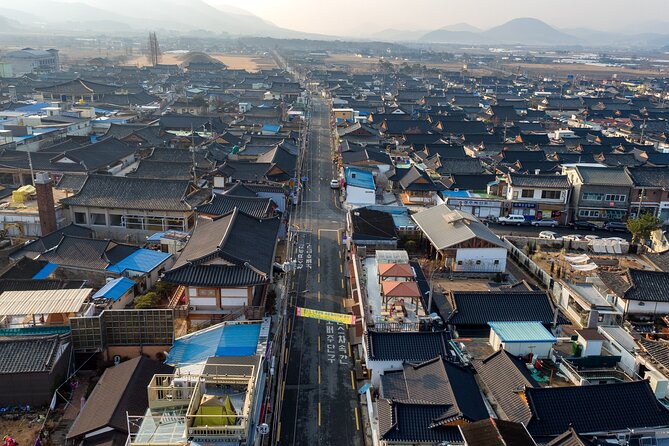
Gyeongju Gyochon Traditional Village offers a change of scale. Instead of grand temples and royal tombs, you see a historic neighborhood linked with the Gyeongju Choi Clan, known for a 12-generation legacy.
The village includes the historic House of the Gyeongju Choi Clan and provides a more domestic view of Korean heritage. The planned stop lasts about 40 minutes and admission is listed as free.
This is a useful place to slow down. You are not simply moving from one major monument to another. The village gives your guide room to discuss family traditions, local customs, and the way heritage continues in ordinary buildings and streets. Depending on the day’s pace, you might also use this area for a meal recommendation. Food is not included, but guides have helped visitors find traditional restaurants and local cafes.
Woljeonggyo Bridge at the end of the day
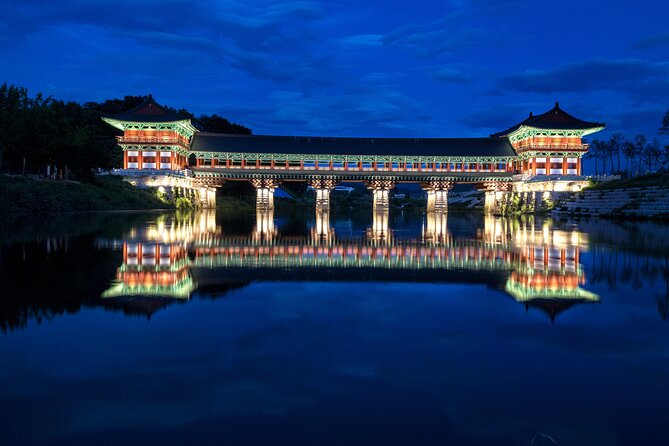
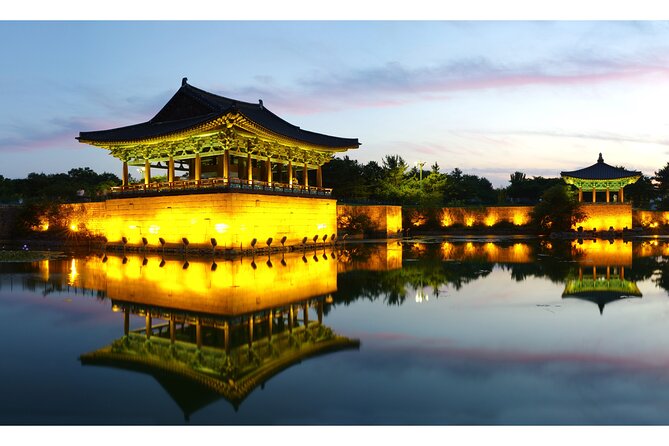
Woljeonggyo Bridge is a reconstructed wooden bridge first built in 760 during the Unified Silla period. It was destroyed during the Joseon dynasty and rebuilt between 2008 and 2018.
The planned visit is about 20 minutes, making it the shortest stop. It is a good final sight because it gives you a strong visual finish: timber construction, water, and the remains of an old route through the historic capital.
Do not expect a preserved eighth-century bridge in its original form. What you see is a modern reconstruction based on the historic structure. That does not make the stop unimportant, but it is worth understanding the difference between original remains and later rebuilding.
What the guides add to the day
The guide is the part of this experience that can change the day from transportation with stops into a real history visit. The listed guides include English or Chinese speakers, and the guide is licensed.
Names associated with past bookings include Jino, Joy, Sang, Cynthia, Jake, William, Lily, CK, Finn, and Soo-Hyeon Kim. You are not guaranteed a particular person unless the operator confirms it, but the range of feedback points to a useful pattern: guides have adjusted the order, shortened walks, helped with photographs, and explained both ancient Silla and modern Korea.
Jino has been noted for giving clear explanations without overloading the day. Joy has arranged larger transport for a group of eight and helped keep the route comfortable. Sang has worked well with families, including children, and has offered recommendations for restaurants and cafes. Jake has combined site explanations with background on Korean culture and politics.
These personal touches matter on a private tour. You can ask for more detail at Bulguksa, less walking at Daereungwon, a longer museum visit, or a family-friendly pace. Some guides have also helped with luggage, child seats, stroller steps, and family photos. Those services are not guaranteed, but they show why a private format can be more forgiving than a fixed group schedule.
Time, price, and overall value
The price is $186.50 per person. That is a serious cost for one person or a couple, but the value improves as your group grows because you are paying for a private vehicle, driver, guide, parking, tolls, and a route that may last up to nine hours.
The price includes the air-conditioned vehicle, private transportation, an English or Chinese speaking licensed guide, parking, and tolls. Meals are not included, and entrance fees may apply. The group discount can also change the calculation, so check the final price for your party rather than judging the per-person figure alone.
Compared with arranging several taxis or public transport connections, this option buys time and ease. It is most useful when you are coming from Busan, carrying luggage, traveling with children, or visiting with older relatives. It is less compelling if you are already staying in central Gyeongju and prefer to explore slowly on your own.
Walking, families, and the 4 to 9 hour range
The shorter four-hour version works best for a focused selection, especially if you are staying in Gyeongju. You could prioritize the major temples and one or two central sites, but you should not assume the full list will fit comfortably.
The longer version is better for the full collection of stops, particularly from Busan. Still, a nine-hour day with driving, temple grounds, museum galleries, tomb paths, and village streets can feel packed. Build in time for water, meals, and restroom stops.
The activity calls for moderate physical fitness. Several stops involve walking, stairs, or uneven ground. Families with small children have appreciated the private pacing, and guides have adjusted for infants, strollers, bathroom breaks, and snacks. Older adults can also benefit from a slower route, but tell the operator about mobility needs before the day begins.
Service animals are allowed. The tour is private, so only your group participates, which makes it easier to pause, change the order, or leave out a stop that is not working for you.
Who should book this Gyeongju tour?
I would choose this tour if you have one day for Gyeongju and want the main Silla sights explained in clear English or Chinese. It is a strong match for first-time visitors, families, small groups, cruise passengers, and anyone staying in Busan who does not want to manage the transport alone.
I would also consider it for a group with mixed interests. One person can ask about Buddhist art, another about royal tombs, and someone else about modern Korean life. The private guide can connect those subjects instead of forcing everyone through a fixed script.
I would hesitate if you want long, quiet museum visits or extensive time at each temple. The listed route covers a lot, and the full day can become a checklist if you do not agree on priorities at the start. Tell the guide your top three stops, then let the remaining time fill in around them.
Should you book it?
Book this tour if your priority is seeing a large portion of Gyeongju in one well-organized day, with a private car and a guide who can explain what you are seeing. The strongest reasons are the wide route, flexible pickup and drop-off, and the chance to pair Bulguksa and Seokguram with tombs, museum objects, village life, and the bridge.
Skip it if you are already based in Gyeongju, have several days, and enjoy arranging your own buses and walks. For everyone else, especially a group splitting the cost, $186.50 per person can be fair value for a long day that removes much of the transport hassle. Free cancellation is available up to 24 hours before the start time, but changes or cancellations within 24 hours are not refundable.
FAQ
Where does the tour start?
Pickup is offered from Busan or Gyeongju. The tour can be arranged as a round trip or as a one-way experience, depending on the selected plan.
How long does the tour last?
The experience lasts approximately 4 to 9 hours. The exact length depends on the route and the amount of time your group spends at each stop.
Which language does the guide speak?
The tour includes an English or Chinese speaking licensed tour guide.
Is the tour private?
Yes. Only your group participates in the private activity.
What transportation is included?
The tour includes private transportation in an air-conditioned vehicle. Parking fees and tolls are also included.
Are meals included?
No. Meals are not included in the tour price.
Are entrance fees included?
Entrance fees are not generally included. The listed information notes free admission for people over 65 in applicable cases, and several of the scheduled stops are listed as free admission.
Is the tour suitable for people with limited mobility?
The tour requires moderate physical fitness, and there is considerable walking at many stops. Guides may adjust the pace and route, but you should discuss mobility needs before booking.
Can I cancel for a full refund?
Yes. You can cancel at least 24 hours before the experience start time for a full refund. Cancellations or changes made less than 24 hours before the start time are not accepted for a refund.
Newest Gyeongju trips on the site
- Gyeongju: Private Car Charter Taxi Tour★ 5.0 · 37 reviews
- From Daegu: Gyeongju UNESCO Tour 7 Highlights with Bulguksa★ 4.6 · 5 reviews
- From Busan: Echoes of Silla Gyeongju Historical Day Tour★ 4.8 · 55 reviews
- From Busan: Gyeongju Small Group Photo Tour & Hotel Pick-up★ 5.0 · 3 reviews
- From Busan: Gyeongju Historical Day Tour with Sky Capsule★ 4.7 · 17 reviews
- From Busan: Gyeongju Full-Day Historical Tour★ 4.1 · 6 reviews
- From Busan: Busan & Gyeongju One Day Tour★ 5.0 · 5 reviews
- Busan: Winter Healing Park and (Gyeongju/Daegu) One Day Tour★ 5.0 · 5 reviews
Gyeongju Tours, compared.
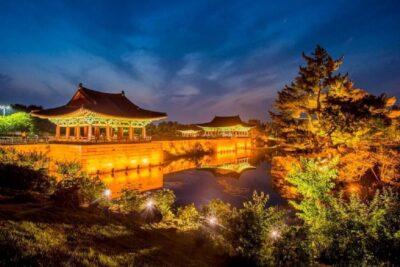
Gyeongju Guided Day Trip to Three Kingdoms Capital
Read our review →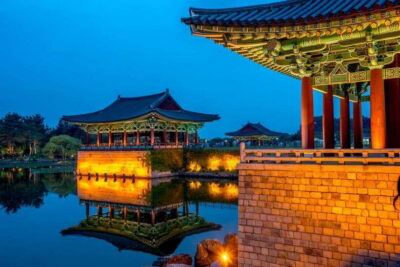
Gyeongju UNESCO World Heritage Guided Day Tour
Read our review →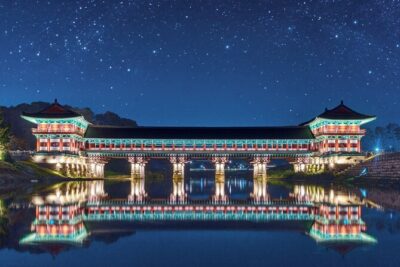
Gyeongju UNESCO World Heritage Guided Day Tour from Busan
Read our review →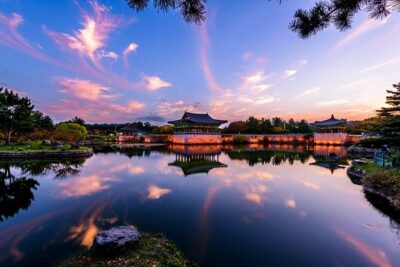
Old Korea Thousand History Tour of Gyeongju from Busan
Read our review →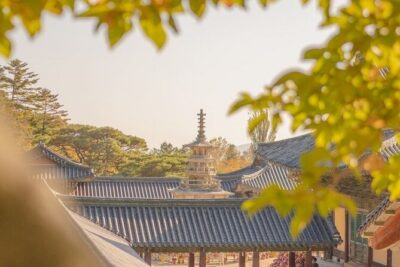
Private Gyeongju Tour – Explore Gyeongju UNESCO Sites
Read our review →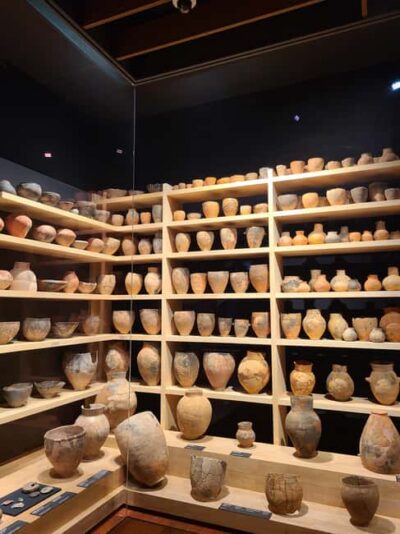
Gyeongju UNESCO Legacy Tour with National Museum
Read our review →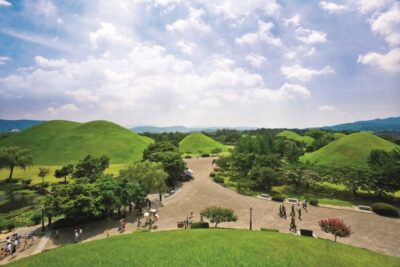
UNESCO Heritage Tour Including Bulguksa Temple
Read our review →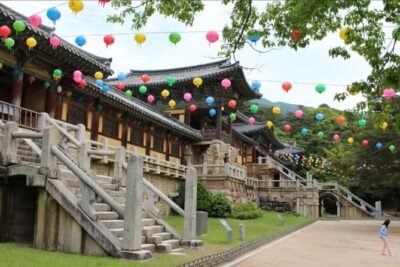
Gyeongju UNESCO World Heritage Sites and History Full-Day Tour with Lunch
Read our review →Browse the lists this tour appears in