
Reviewed · GYEONGJU TOURS
From Busan: Gyeongju UNESCO World Heritage Guided Day Tour
Gyeongju is South Korea’s ancient Silla capital, and this full-day trip gives you a lot more than a quick look at one temple. You can walk among royal tombs, see Bulguksa’s stone terraces, browse old-town cafes, and finish beneath the lights at Donggung Palace and Wolji Pond. The evening views are the grand finale.
I like the easy transport from Busan and the way the guides turn scattered historic sites into one understandable story. I also like the choice of three routes, plus the useful free time for photos, snacks, and wandering. The trade-off is simple: this is a long day, often 8 to 12 hours, with plenty of walking and a packed schedule.
Key points at a glance
- Three ways to see Gyeongju: Choose Yangdong Village, Gyochon Traditional Village, or Gyeongju National Museum.
- Bulguksa sets the tone: Spend about 70 minutes at one of Korea’s most important Buddhist temple complexes.
- Silla tombs feel surprisingly immediate: Daereungwon lets you walk among large royal burial mounds and enter Cheonmachong Tomb on Packages A and B.
- Hwangnidan-gil adds a modern pause: Cafes, small shops, snacks, and free time break up the history.
- Night photography is a highlight: Woljeong Bridge and Donggung Palace with Wolji Pond are especially memorable after dark.
- The guides are hands-on: Guides including Bobby Kim, Jun-a, Brian, Olivia, Song, and others are often praised for clear explanations and help with group photos.
Why Gyeongju makes a worthwhile day from Busan
Busan is Korea’s energetic port city, but Gyeongju offers a different pace and a much older story. For centuries, it was the capital of the Silla Kingdom. The city’s key sights are spread out, so getting between them by local transport can take planning. This tour handles the long transfers by coach and gives you a guide to explain what you are seeing.
That matters at places such as Bulguksa and Daereungwon. Without context, a temple roof or grassy mound can be pleasant but easy to pass over. With a guide, you learn how each place fits into Silla’s religious, royal, and artistic world.
The trip costs about $52 per person. For that price, transportation, guiding, and several entry fees are included, though the exact inclusions depend on your chosen package. Meals and personal spending are extra. I consider it good value if you want to cover several parts of Gyeongju in one day without arranging a vehicle or piecing together separate tickets.
The price is less attractive if you prefer a slow visit to just one or two sites. This is a sightseeing sweep, not a leisurely day in one neighborhood.
More History Tours in Gyeongju
- Gyeongju UNESCO World Heritage Guided Day Tour from Busan
★ 5.0 · 660 reviews - Old Korea Thousand History Tour of Gyeongju from Busan
★ 5.0 · 518 reviews - Gyeongju UNESCO World Heritage Sites and History Full-Day Tour with Lunch
★ 5.0 · 104 reviews
Choosing among the three Gyeongju routes
Your package choice changes the middle and final part of the day, so read the options carefully before booking.
Package A, Gyeongju UNESCO Tour, includes Yangdong Folk Village, Bulguksa Temple, Daereungwon and Hwangnidan-gil, Woljeong Bridge, and Donggung Palace and Wolji Pond. Yangdong entry, Cheonmachong Tomb entry, and Donggung and Wolji entry are included with this option.
Package B, Echoes of Silla Tour, swaps Yangdong for Gyeongju Gyochon Traditional Village. You still visit Bulguksa, Daereungwon, Hwangnidan-gil, Woljeong Bridge, and Donggung and Wolji. This is a good pick if you want a more central traditional village experience.
Package C, Gyeongju Museum Tour, includes Bulguksa, Hwangnidan-gil with the Daereungwon and Cheomseongdae area, and Gyeongju National Museum. The museum route ends differently from Packages A and B, so you do not get the same evening palace-and-pond visit.
I would choose Package A if historic villages matter most, Package B if you want a traditional neighborhood closer to Gyeongju’s central sights, and Package C if you prefer objects, crowns, and Buddhist art to evening architecture.
Bulguksa Temple and its raised stone terraces
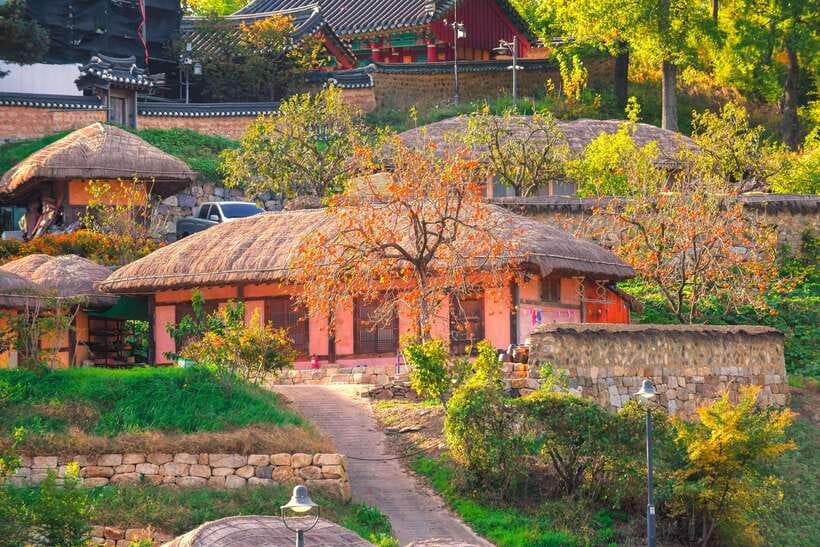
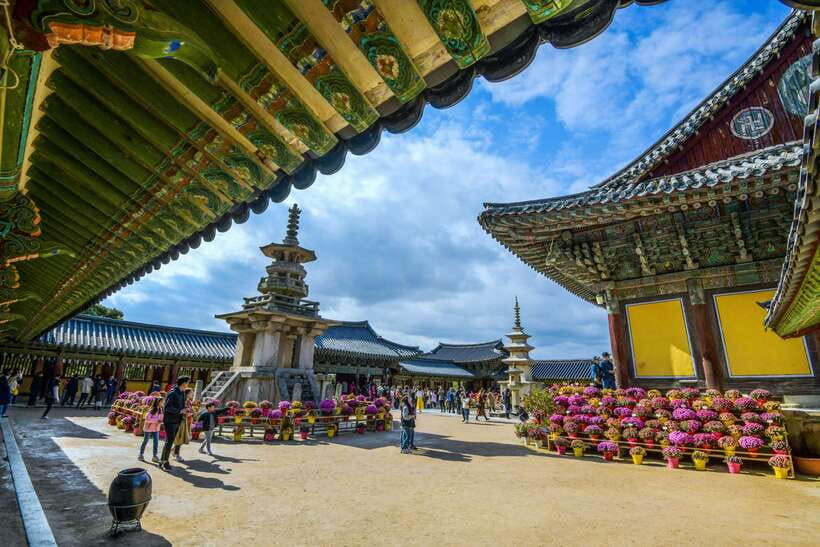
Bulguksa is usually the first major stop after roughly 100 minutes on the coach from Busan. You get around 70 minutes here, enough for a guided walk and independent photos, though not enough to inspect every corner.
The temple is known for its carefully built wooden halls and stone platforms. The raised terraces give the complex a sense of ceremony, and the stone stairways and gateways are among the details your guide can help you notice. The site also gives you an early lesson in how Buddhism shaped Silla culture.
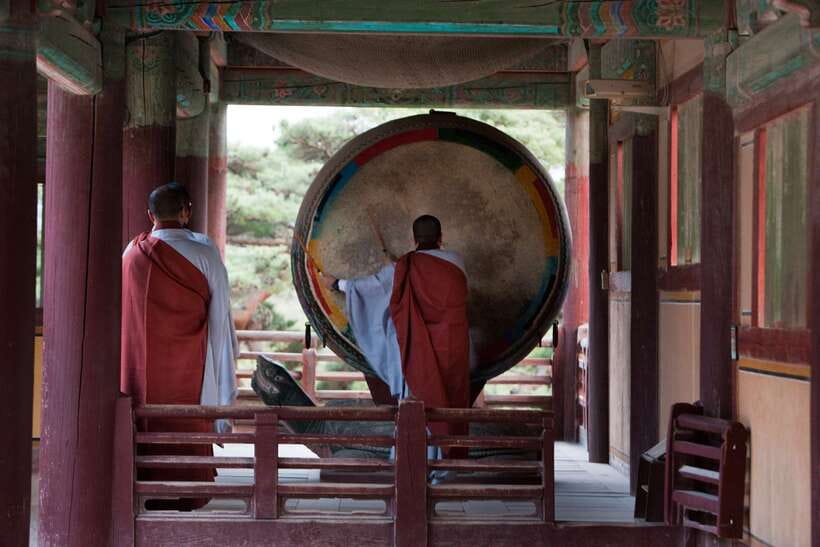
This is one of the places where a guide adds real value. Names, dates, and religious symbolism can blur together during a busy day. Guides such as Song, Olivia, Jun-a, and Bobby Kim are frequently praised for explaining the important points clearly and then giving people time to look around.
Wear shoes with good grip. The day includes stairs, uneven paths, and extended periods on your feet.
Yangdong Village or Gyochon Traditional Village
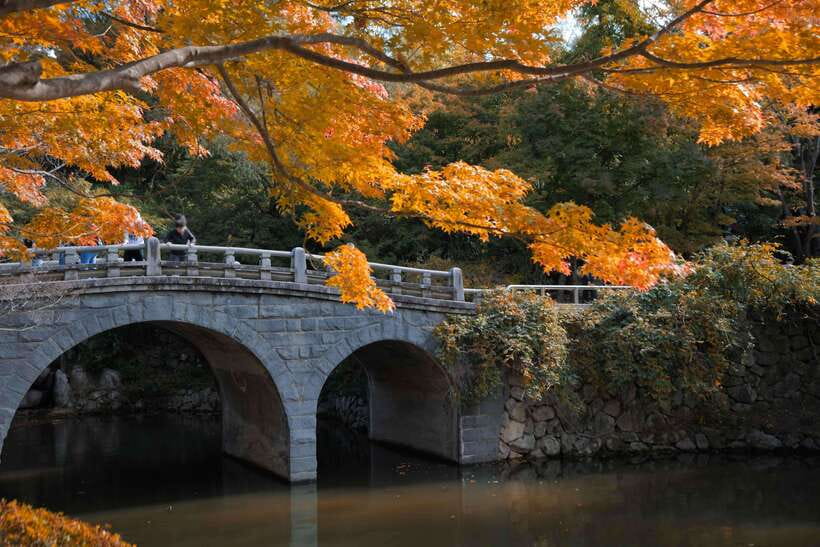
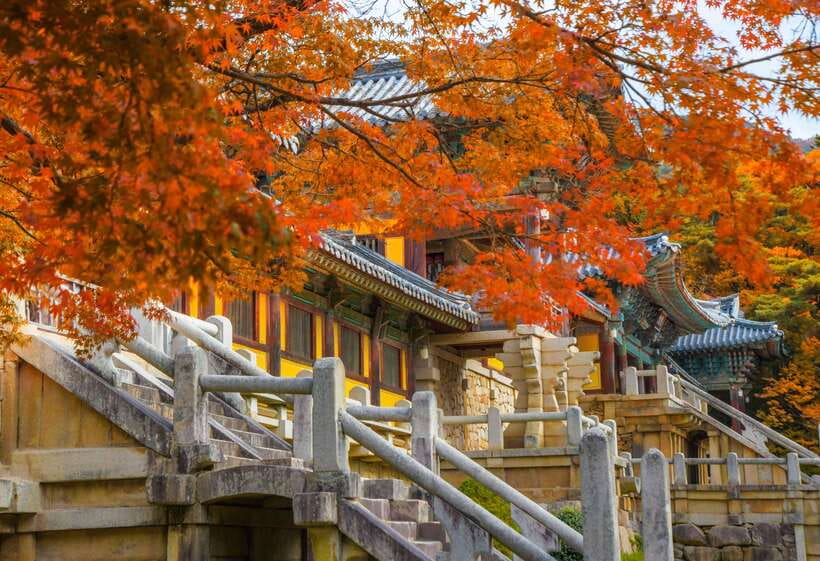
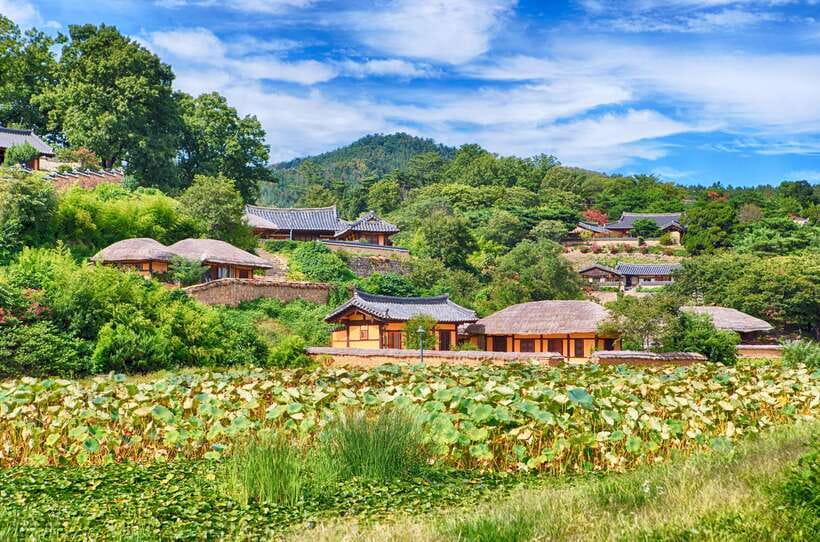
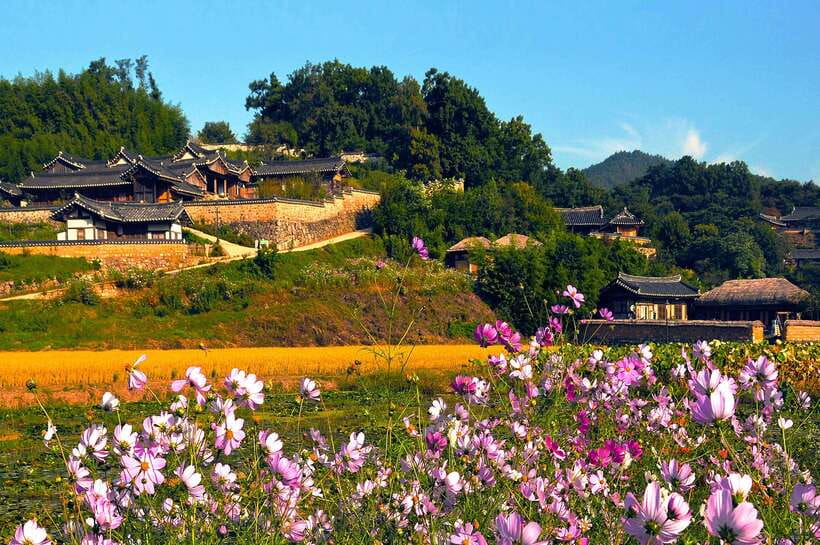
Package A takes you to Yangdong Folk Village for about 90 minutes. This UNESCO World Heritage site is known for traditional hanok houses connected with the Joseon dynasty. It offers a change of mood from the Buddhist architecture at Bulguksa, with homes and village paths giving you a look at Korean family and community life.
The visit involves walking, and the time is focused rather than leisurely. You will get an introduction from the guide before exploring, but you should not expect to inspect every home in detail.
Package B visits Gyeongju Gyochon Traditional Village for about 100 minutes instead. Here, ancestral homes linked with the Gyeongju Choi clan provide the central story. The village is also near other historic areas, making it a useful stop for connecting old family traditions with the wider story of Gyeongju.
The two villages are not interchangeable. Yangdong feels like a larger heritage village visit, while Gyochon works well if you want a traditional setting combined with central Gyeongju sights later in the day.
More UNESCO Sites in Gyeongju
- Gyeongju UNESCO sites Private tour with licensed tour guide
★ 5.0 · 275 reviews - Private Gyeongju Tour – Explore Gyeongju UNESCO Sites
★ 5.0 · 272 reviews - Busan: Gyeongju UNESCO Legacy Tour with National Museum
★ 5.0 · 172 reviews - Gyeongju: UNESCO Heritage Tour Including Bulguksa Temple
★ 4.8 · 104 reviews
Daereungwon and the Silla royal tombs
Daereungwon Royal Tomb Complex gives you about 75 minutes to walk among the large burial mounds of Silla rulers. The rounded green mounds are simple in shape, but their scale and number make the royal cemetery memorable.
On Packages A and B, the Cheonmachong Tomb entry fee is included. Entering a tomb makes the burial customs more tangible than viewing the mounds from outside. Your guide can explain why these tombs were built and how the site fits into Silla’s royal story.
This stop also works well for photographs. The open grounds provide a break from enclosed buildings, but there is little shade described in the tour details, so weather can affect your comfort. In summer, bring water. In cooler months, a light layer is sensible.
Hwangnidan-gil brings old Gyeongju into the present
Hwangnidan-gil is the tour’s short modern break. You get about 30 minutes of free time among cafes, boutiques, and street food sellers. The area keeps its older visual character while offering a place to grab a snack or drink.
Thirty minutes is enough for a quick look, but not enough for a long cafe stop and serious shopping. Treat it as a chance to reset before the evening sights. If lunch is arranged during the day, food may be available at an additional cost, and one route allows meal choices to be made in advance on the bus.
Meals are not included in the tour price. One useful detail from the day’s organization is that guides may lead the group to an affordable Korean restaurant, but you should still plan for the meal to cost extra. Vegetarian choices may be more limited, so raise that need with the operator in advance.
Woljeong Bridge and the best evening photographs
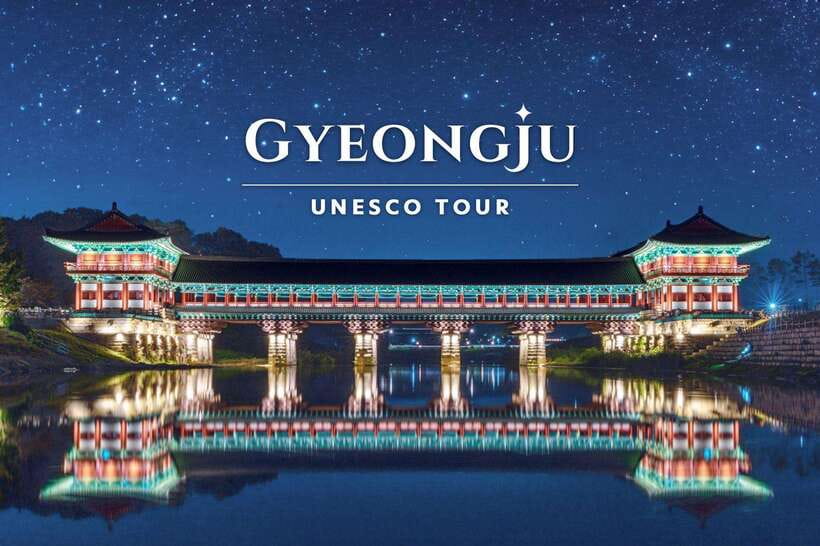
Woljeong Bridge is a short photo stop of about 20 minutes. The wooden bridge has been reconstructed, and its lights make it especially attractive in the evening. You will not have a long time here, so listen for the meeting instructions and take your main photos promptly.
This is where the packed schedule pays off. Earlier stops explain the old capital, while the bridge gives you a clean, visual memory of Gyeongju. Guides often point out good angles and help with group or solo photographs. If you are traveling alone, that small service can make a real difference.
The stop is brief, and the tour cannot control crowds or traffic. Keep your expectations practical: this is a well-timed photo visit, not an extended night walk.
Donggung Palace and Wolji Pond after dark
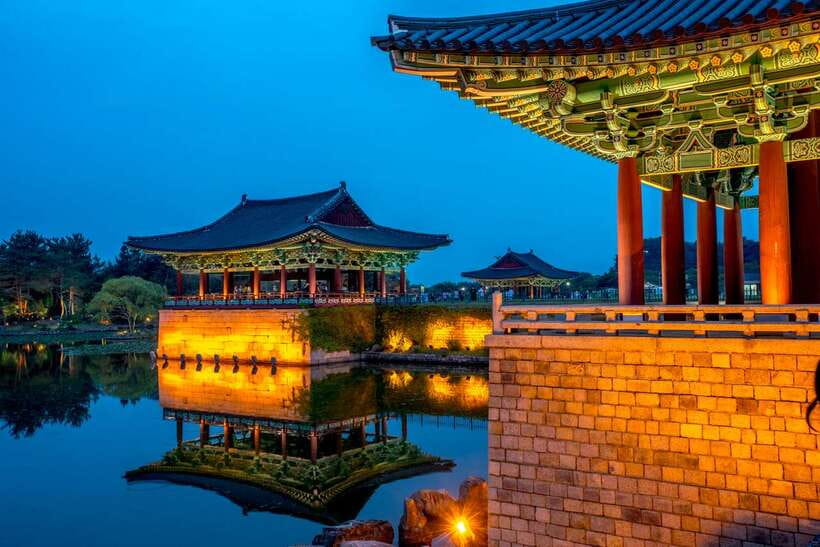
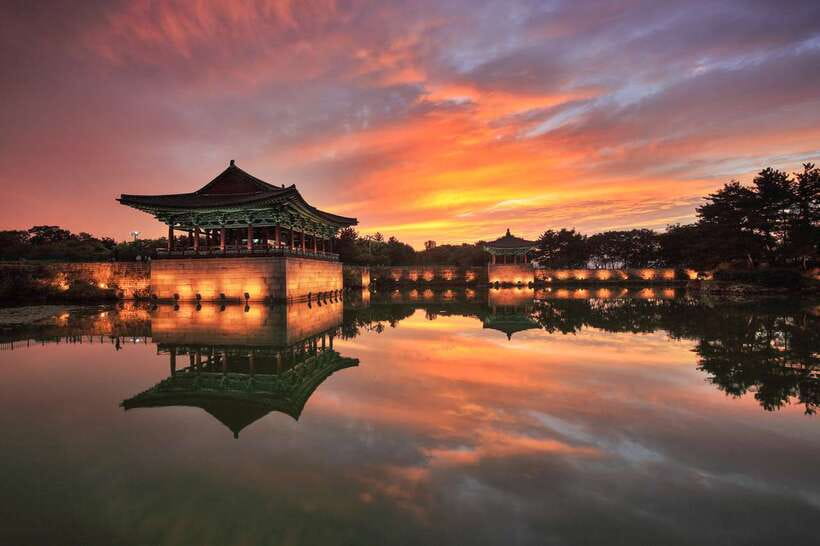
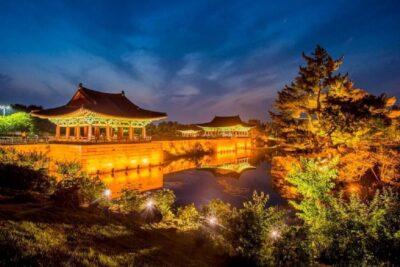
Packages A and B finish their main sightseeing at Donggung Palace and Wolji Pond, with about an hour to explore. The pond was part of the Silla palace complex, and the illuminated buildings reflected in the water create one of Gyeongju’s most striking scenes.
This is the strongest reason to choose A or B over the museum route if you want atmosphere and evening photography. The reflection of the moon and lights on the pond gives the final stop a calm, almost theatrical quality after a busy day.
You may find this stop crowded, especially during popular holiday periods. A guide helps by setting a clear meeting point, but you still need to stay aware of the clock. The path around the pond also adds more walking at the end of an already active day.
What Package C gives you instead
Package C finishes at Gyeongju National Museum, with about an hour of free time. The museum holds Silla artifacts, including golden crowns and Buddhist relics. This option is better for you if you want a closer look at the objects and craftsmanship behind the monuments.
The museum route does not include the Yangdong or Gyochon village visit, and it does not finish at Donggung Palace and Wolji Pond according to the route details. In return, you get time with original artifacts rather than relying only on outdoor sites.
I would choose C on a very hot, wet, or cold day if museum collections appeal to you. The itinerary remains long, but an indoor final stop can be more comfortable than another outdoor evening visit.
Transport, group size, and the pace of the day
The coach ride from Busan takes about 100 minutes each way. Pickup and drop-off options include Seomyeon Station Exit 12, Haeundae Station or Exit 5, and KTX Busan Station Exit 1. Your exact meeting point depends on the option you book, so check it carefully.
Groups can range from one person to as many as 43 people. A larger group can mean more waiting at meeting points, but the tour uses several guides when language groups require it. English, Chinese, and Korean support is available.
The day can last 8 to 12 hours because traffic and weather affect the schedule. Guides are often praised for keeping the route moving, and some groups arrive back in Busan earlier than expected. Still, do not schedule a tight evening reservation after the tour.
The coach is described as comfortable, but comfort cannot remove the length of the day. Bring water, wear comfortable shoes, and keep your day bag light.
Who should book this Gyeongju tour?
I would recommend it to a first-time visitor staying in Busan who wants to see the major Gyeongju sights without renting a car or working out regional transport. It also suits solo visitors, couples, families with older children, and anyone who wants historical explanations rather than silent sightseeing.
It is a particularly good match if you value practical help. Guides such as Bobby Kim, Jun-a, Brian, Angela, Olivia, Victoria, and Song are praised for clear explanations, humor, careful timing, and taking photos. The exact guide varies, so do not book based on one individual alone, but the guiding style appears to be a central part of the experience.
I would hesitate if you dislike group schedules, need long meal breaks, or want to linger at one temple. The itinerary covers many sites, and several stops allow only 20 to 30 minutes. People with mobility concerns should also consider the stairs, uneven ground, and amount of walking.
Cancellation is flexible up to 24 hours before departure, and you can reserve now and pay later. Infants aged 0 to 2 can go free if they do not occupy a seat. If you need a stroller, tell the provider at least 48 hours ahead.
Should you book it?
Book this tour if you want maximum coverage in one Busan day and prefer having history explained as you go. Package A gives the broadest village-and-evening experience, Package B offers a central traditional village alternative, and Package C is the choice for museum time and Silla artifacts.
Skip it if your ideal Gyeongju visit means slow wandering, long cafe stops, or several hours at a single site. For most first-time visitors, though, the $52 price, coach transport, multilingual support, and strong route make this a sensible way to meet Gyeongju in one ambitious day.
FAQ
How long does the tour last?
The tour lasts about 8 to 12 hours. The exact duration depends on the selected option, starting time, traffic, and weather.
Where can I meet the tour?
Meeting points include Seomyeon Station Exit 12, Haeundae Station or Exit 5, and KTX Busan Station Exit 1. The exact point depends on the option booked.
Which languages are available?
Live guiding is available in English, Chinese, and Korean.
Are meals included?
No. Meals are not included, and personal expenses are extra. An affordable Korean restaurant stop may be offered, with meal choices sometimes arranged in advance.
Which package includes Yangdong Village?
Package A includes Yangdong Folk Village. Package B visits Gyeongju Gyochon Traditional Village instead, while Package C visits Gyeongju National Museum.
Does every package include Donggung Palace and Wolji Pond?
No. Packages A and B include Donggung Palace and Wolji Pond. Package C ends at Gyeongju National Museum.
What should I bring?
Bring comfortable shoes. You should also allow for changing weather and traffic, since the itinerary can be adjusted for those conditions.
Newest Gyeongju trips on the site
- Gyeongju: Private Car Charter Taxi Tour★ 5.0 · 37 reviews
- From Daegu: Gyeongju UNESCO Tour 7 Highlights with Bulguksa★ 4.6 · 5 reviews
- From Busan: Echoes of Silla Gyeongju Historical Day Tour★ 4.8 · 55 reviews
- From Busan: Gyeongju Historical Day Tour with Sky Capsule★ 4.7 · 17 reviews
- From Busan: Gyeongju Full-Day Historical Tour★ 4.1 · 6 reviews
- From Busan: Gyeongju Small Group Photo Tour & Hotel Pick-up★ 5.0 · 3 reviews
- From Busan: Busan & Gyeongju One Day Tour★ 5.0 · 5 reviews
- Busan: Winter Healing Park and (Gyeongju/Daegu) One Day Tour★ 5.0 · 5 reviews
Gyeongju Tours, compared.
Gyeongju Guided Day Trip to Three Kingdoms Capital
Read our review →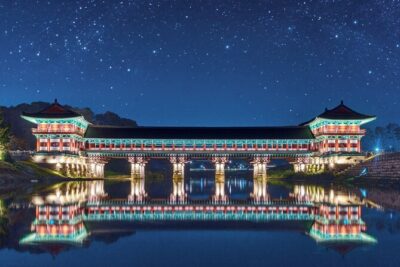
Gyeongju UNESCO World Heritage Guided Day Tour from Busan
Read our review →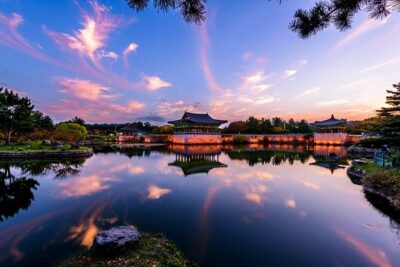
Old Korea Thousand History Tour of Gyeongju from Busan
Read our review →
Gyeongju UNESCO sites Private tour with licensed tour guide
Read our review →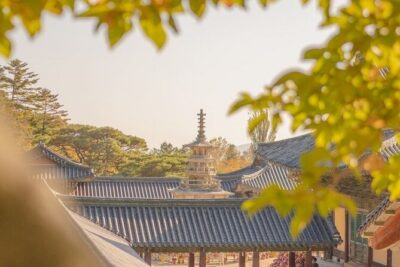
Private Gyeongju Tour – Explore Gyeongju UNESCO Sites
Read our review →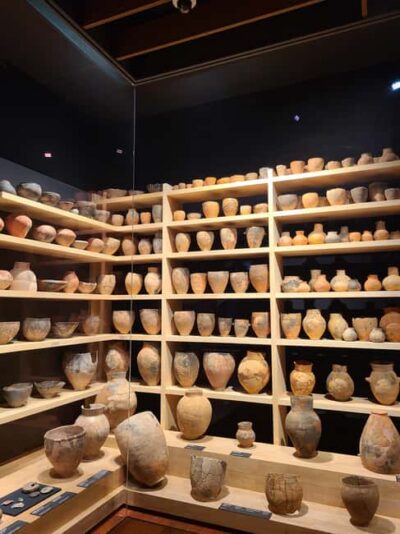
Gyeongju UNESCO Legacy Tour with National Museum
Read our review →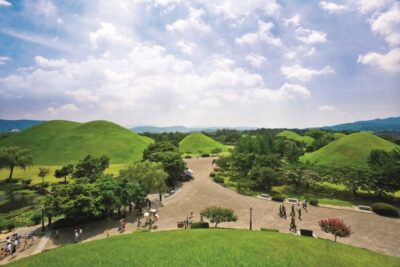
UNESCO Heritage Tour Including Bulguksa Temple
Read our review →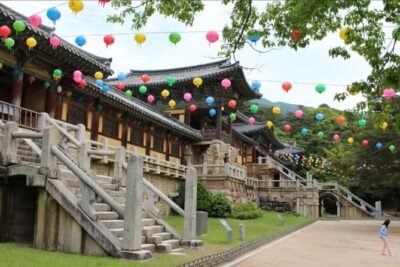
Gyeongju UNESCO World Heritage Sites and History Full-Day Tour with Lunch
Read our review →Browse the lists this tour appears in