
Reviewed · GYEONGJU TOURS
From Daegu: Gyeongju UNESCO Tour 7 Highlights with Bulguksa
Gyeongju packs Korea’s ancient capital into a surprisingly manageable day. This tour links Bulguksa Temple, royal tombs, an old village, a palace pond, and a beautifully lit bridge without asking you to sort out several separate bus routes.
I like the door-to-door transport from Daegu and the option to finish in Busan, which can save a hotel change or a separate train ride. I also like the balance of major sights and street time at Hwangnidan-gil, where you can eat and get a feel for modern Gyeongju.
The main caution is the guide service. One recent English-language booking praised the careful driver but found the guide’s English and explanations limited. If detailed historical commentary matters most to you, confirm the guide arrangement before booking.
Key points to know before booking
- Seven contrasting stops: Buddhist architecture, royal burial mounds, a traditional village, a palace pond, and a lively food street all fit into one day.
- Bulguksa gets 80 minutes: Enough for a focused visit, though not a slow, independent exploration.
- Hwangnidan-gil includes dinner time: Food is not included, so plan to pay for your own meal and ask for help if Korean dining customs are unfamiliar.
- Pickup is in Daegu: Choose from Banwoldang Station, Dongdaegu first parking area, or another stated Daegu pickup option when booking.
- Busan drop-off is available: This is useful if your trip continues south, but you must select the drop-off location and time.
- The tour costs $80 per person: Entrance fees and transportation are included, making it most useful when you value convenience and a full schedule.
Why Gyeongju works so well as a day trip from Daegu
Gyeongju is different from Korea’s larger modern cities. Its main appeal comes from the way historic sites are spread through ordinary streets and open public spaces. You are not visiting one isolated monument and going home. You are moving through several parts of an old royal center, each with a different mood.
This 10-hour outing is built for people who want the broad picture in one day. You get a major Buddhist temple in the morning, then traditional streets, a bridge, royal tombs, food time, and a palace pond after dark or near evening, depending on the day’s timing.
I would choose this format if you are staying in Daegu and do not want to organize local transport in Gyeongju. It also makes sense if Busan is your next base. The optional Busan drop-off turns the tour into part sightseeing trip, part transfer day.
The tradeoff is a fixed schedule. Gyeongju rewards wandering, but this tour keeps moving. You will see many important places, yet you will not have unlimited time at any of them.
More UNESCO Sites in Gyeongju
- From Busan: Gyeongju UNESCO World Heritage Guided Day Tour
★ 4.8 · 1,250 reviews - Gyeongju UNESCO World Heritage Guided Day Tour from Busan
★ 5.0 · 660 reviews - Gyeongju UNESCO sites Private tour with licensed tour guide
★ 5.0 · 275 reviews
Bulguksa Temple: the day’s major architectural stop
The tour begins with Bulguksa Temple, a UNESCO-listed site and one of Korea’s best-known Buddhist monuments. The scheduled visit lasts about 80 minutes, with guided sightseeing and entrance included.
This is the place where the tour carries the most cultural weight. Bulguksa is presented as a major work of Buddhist art and architecture, so your guide’s explanations matter here. A good guide can help you notice the design, religious purpose, and careful details that are easy to pass without context.
Eighty minutes is a sensible amount of time for a first visit. You can see the main areas without spending half the day at one complex. Still, it is not a leisurely length for someone who likes to photograph every roofline or read every sign.
Wear shoes you can walk in comfortably. The overall program includes several outdoor stops, and the day is long. The tour includes entry fees, so you do not need to budget separately for Bulguksa admission.
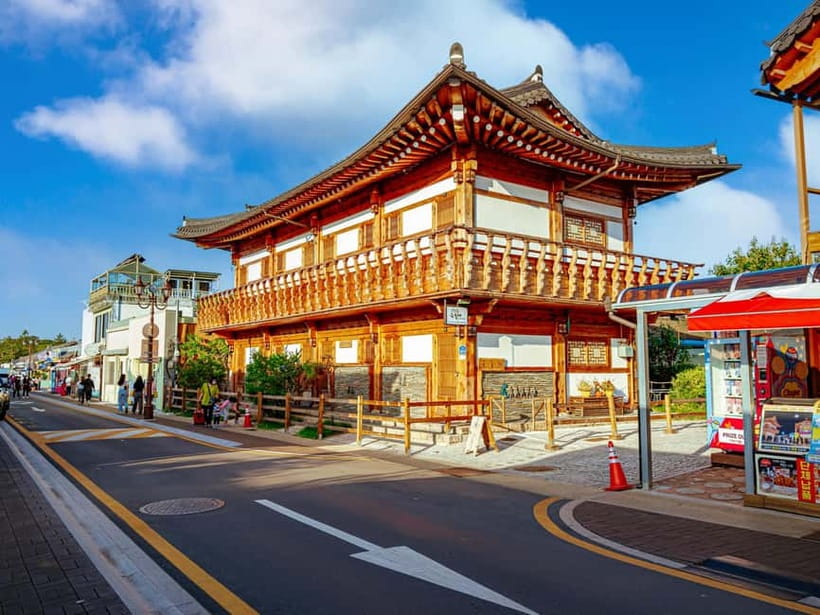
Gyochon Village brings the old city down to street level
Next comes Gyeongju Gyochon Traditional Village, with about an hour for guided sightseeing. This stop changes the pace after the temple.
A village visit lets you experience Gyeongju as a lived-in place rather than a chain of formal monuments. Traditional buildings, lanes, and local surroundings make the history feel closer to daily life. The point is not only to look at an old structure, but to see how traditional architecture fits into a neighborhood.
Because this is a guided stop, you can ask your guide what you are looking at and how the village connects to Gyeongju’s past. The quality of that conversation will depend on the language ability of the guide assigned to your group. English and Chinese guiding are offered, but one English-language booking found the explanations too brief and relied on Google for more information.
That is a useful warning, not a reason to dismiss the stop. If your main goal is seeing the village and taking in the setting, an hour should work well. If you want detailed cultural interpretation, prepare a few questions in advance.
Woljeonggyo Bridge is made for photographs
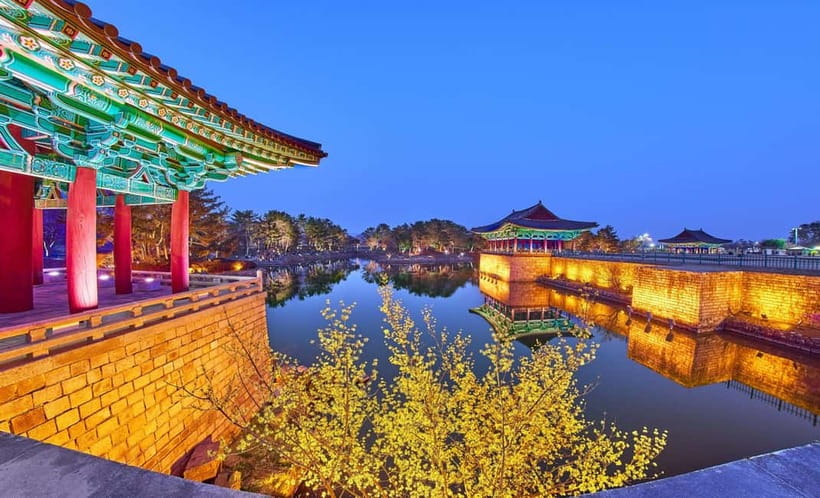
The stop at Woljeonggyo Bridge lasts about an hour. This traditional-style bridge is one of the tour’s most photogenic places, and the visit gives you time to admire it rather than treating it as a quick roadside picture.
The bridge offers a welcome visual change. Bulguksa is a temple complex, Gyochon is a traditional neighborhood, and Woljeonggyo gives you a strong architectural subject in an open setting. You can focus on its lines, roof detail, and position over the water.
I would especially value this stop if you enjoy photography but do not want to build a whole day around it. The hour should allow time for different views. As with every stop on a group schedule, though, you will need to return when the guide calls the group together.
More Temple Tours in Gyeongju:
- Gyeongju: UNESCO Heritage Tour Including Bulguksa Temple
★ 4.8 · 104 reviews - Seoul: Mt Seorak + Naksansa Temple or Nami Island Group Tour
★ 4.7 · 422 reviews - Best Things to Do – Half Day Seoul Trip (Seoul Palace & Temple)
★ 5.0 · 190 reviews - Mount Seorak and Naksansa Temple One Day Tour from Seoul
★ 4.5 · 167 reviews
Daereungwon shows Gyeongju’s royal past in grassy mounds
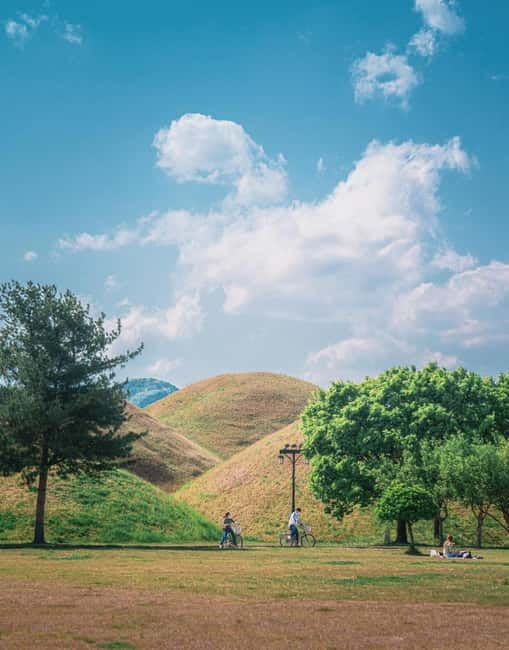
At Daereungwon Tomb Complex, ancient royal tombs rise as rounded grassy mounds. The scheduled visit is one hour, with guided sightseeing.
This is one of the most distinctive sights in Gyeongju. The tombs do not look like grand stone mausoleums. Their simple green forms spread through the city and make the royal past feel both monumental and quiet.
The value of a guide is clear here. Without context, you may see a series of hills. With an explanation of who was buried here and why the tombs were built in this form, the site becomes much easier to understand.
One hour gives you time to walk among the tombs and take photographs without turning the visit into a long archaeological study. Keep the broader schedule in mind, however. The tour gives you an introduction, not an extended research visit.
Hwangnidan-gil adds food and modern Gyeongju
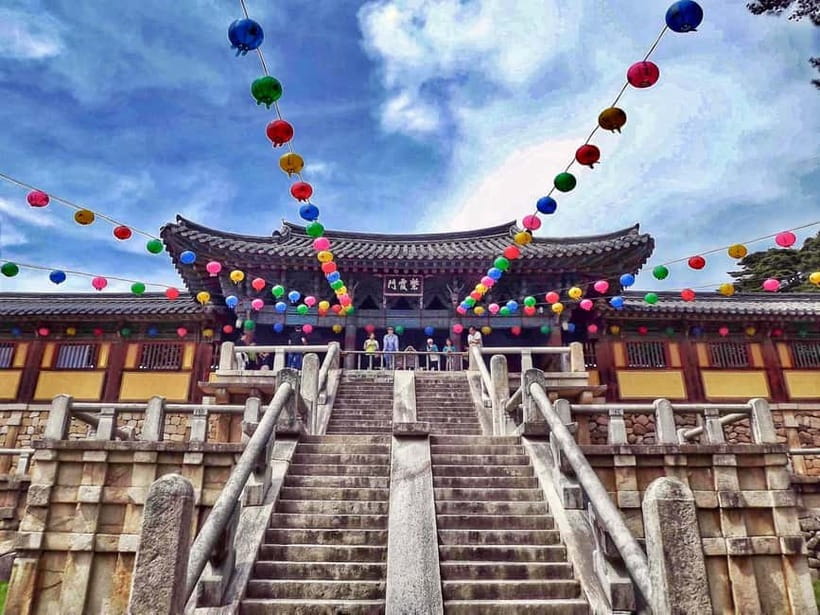
The longest stop is Hwangnidan-gil, scheduled for about 90 minutes and including dinner time. This is where the day moves from monuments to restaurants, cafés, shops, and street life.
Meals are not included, so bring money for your own food. The food portion is a real part of the cultural experience, not just a break between sights. If you have never eaten bulgogi in Korea, you may want to ask the guide how the dish is prepared and how to handle the meal.
One recent booking found the dining arrangement confusing because the group joined another group and seemed to have lower priority, even after arriving first. That suggests you should treat this stop as flexible rather than expecting a perfectly managed restaurant experience. Ask clearly where and when to meet after eating.
The 90-minute slot is useful, but it is not a long restaurant evening. You will need to choose food efficiently and leave enough time to regroup. If you prefer a slow meal, you may find this portion rushed.
Still, I like that Hwangnidan-gil is included. A day made only of temples and tombs can feel formal. This stop gives you a chance to see how Gyeongju works today.
Donggung Palace and Wolji Pond close the day quietly
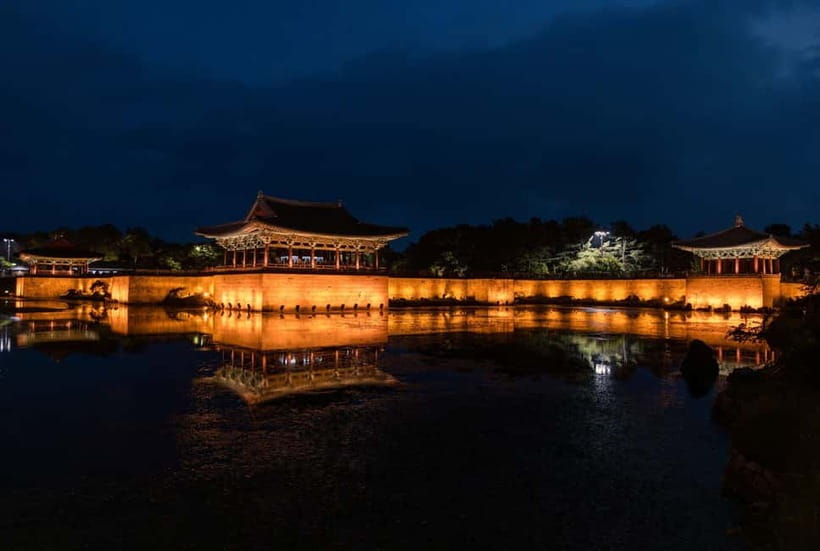
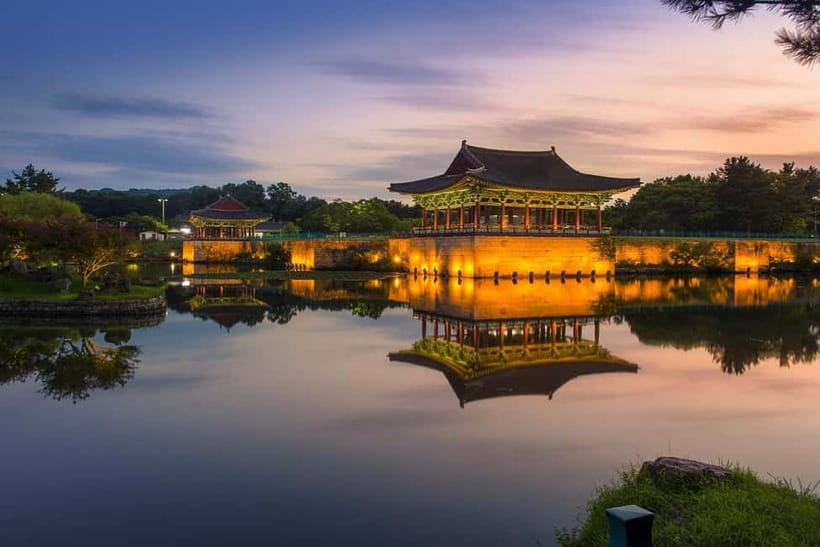
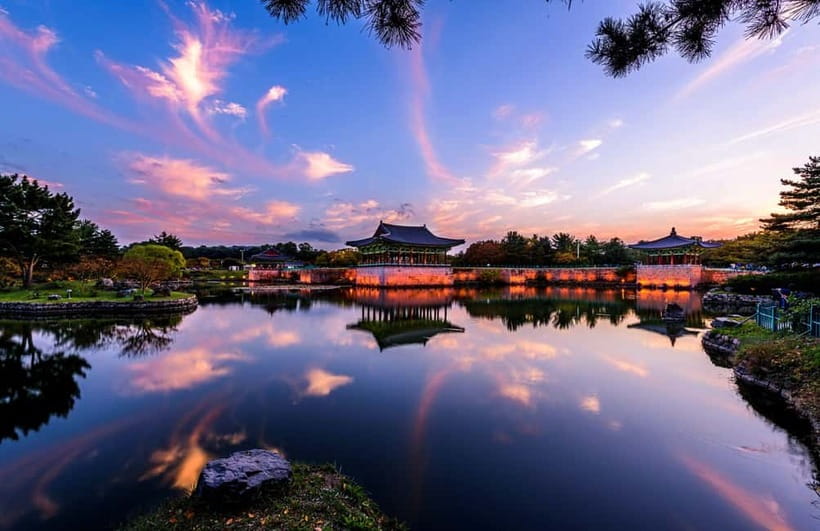
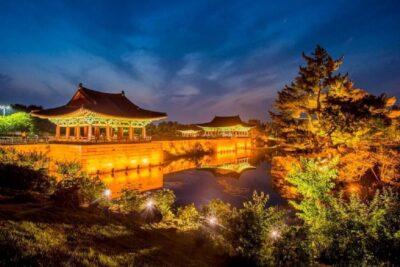
The final sightseeing stop is Donggung Palace and Wolji Pond, with about 40 minutes for a guided visit. This was once a royal villa, and the pond gives the tour a calmer finish after the street activity of Hwangnidan-gil.
The site is especially attractive for evening viewing, when the water and palace structures can take on a reflective, atmospheric quality. The exact light will depend on the season and the day’s timing, so do not assume you will always see the same evening scene shown in promotional photos.
Forty minutes is enough for an overview and photographs. It is short if you want to read every sign or walk slowly around the entire area. I would treat this as a final highlight rather than a full museum-style visit.
The order also makes practical sense. After a long day, a compact final stop is easier than another large complex requiring extensive walking.
How the transport and timing affect the day
Pickup is scheduled between 10:30 AM and 11:00 AM. You can choose among stated Daegu pickup points, including Banwoldang Station and the Dongdaegu first parking area. Select your preferred departure point carefully, since the guide uses the booking details to arrange the day.
The guide contacts you the day before through a messaging app such as KakaoTalk, WeChat, WhatsApp, or Viber. Check your messages. This is particularly important because the pickup window covers 30 minutes rather than one exact departure time.
The tour offers shared, small-group, and private formats. The smaller the group, the easier it should be to ask questions and keep the schedule moving, though the exact group size is not stated. A private option is worth considering if you care about setting your own pace.
There are five stated drop-off choices, including Daegu, Banwoldang Station, Dongdaegu first parking, Busan, and Busan Station. The Busan option is a strong practical feature. You can see Gyeongju during the day and continue south without returning to Daegu, but make sure you select the location and time that fit your plans.
Is $80 a fair price?
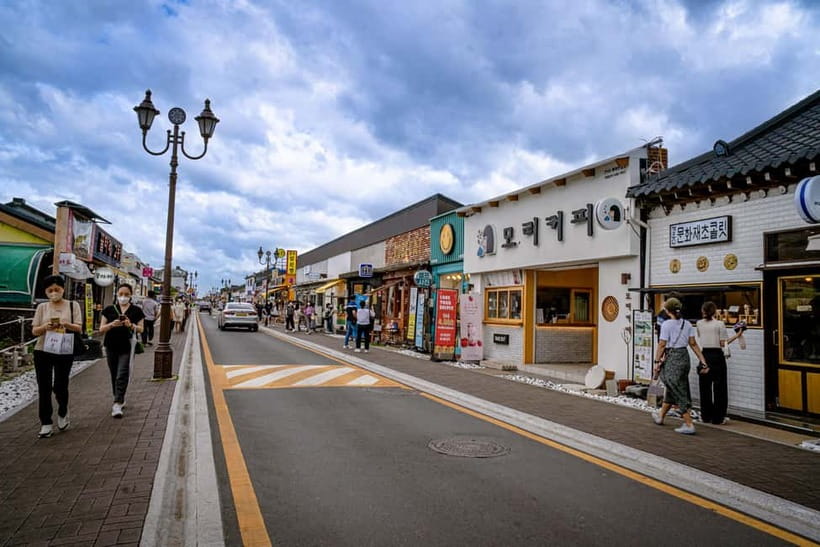
At $80 per person, the price is reasonable for a full-day organized outing if you want transport, admission, and several major sites handled together. Bulguksa, Daereungwon, Donggung Palace and Wolji Pond, and Woljeonggyo Bridge are included, along with transportation from Daegu.
The value is strongest for first-time visitors who do not want to compare local buses, arrange entrance tickets, or work out a Daegu to Gyeongju route. It is also useful when the Busan drop-off replaces a separate transfer.
The price does not include meals or personal spending. Budget extra for dinner at Hwangnidan-gil. You should also weigh how much you value the guide’s commentary. A recent English-language booking praised the driver for being punctual and caring, but found the guide less professional and not fluent enough to offer detailed explanations.
That makes the tour a better buy for transport and coverage than for guaranteed expert interpretation. If you mainly want to reach the sights efficiently, $80 is easier to justify. If your priority is in-depth history, ask about the assigned guide before paying.
Who should book this Gyeongju tour?
I would recommend it to someone based in Daegu who has only one day for Gyeongju. It is also a smart choice if you are moving on to Busan and want sightseeing built into the transfer day.
It suits first-time visitors who want the major landmarks without planning every connection. The private or small-group choices may appeal to couples, families, or anyone who prefers less waiting.
I would be more cautious if you want long, unhurried visits, a slow dinner, or a lecture-style guide. The schedule is full, and the quality of English explanation may vary. Independent visitors who are comfortable using local transport could spend more time at fewer sites.
The cancellation policy is flexible, with a full refund available when you cancel at least 24 hours ahead. You can also reserve and pay later, which helps if your Daegu plans are still changing.
FAQ
How long does the Gyeongju tour from Daegu last?
The tour lasts 10 hours, with pickup scheduled between 10:30 AM and 11:00 AM.
Where can I be picked up in Daegu?
Pickup options include Banwoldang Station, the Dongdaegu first parking area, and Daegu. Choose your preferred point when booking.
Can I be dropped off in Busan?
Yes. Busan and Busan Station are among the available drop-off choices. You must select the drop-off location and time when booking.
Which languages are available?
Live guiding is available in English and Chinese.
Is the tour private or shared?
You can choose a private or small-group option. A shared tour option is also available.
Are entrance fees included?
Yes. Entrance fees are included, along with visits to Bulguksa Temple, Daereungwon Tomb Complex, Donggung Palace and Wolji Pond, and Woljeonggyo Bridge.
Is dinner included?
No. The Hwangnidan-gil stop includes dinner time, but meals and personal expenses are not included in the price.
Can I cancel the booking?
You can cancel up to 24 hours in advance for a full refund. A reserve-now, pay-later option is also available.
Should you book it?
Book this tour if you want to see the main face of Gyeongju in one organized day, especially from Daegu or on the way to Busan. The range of stops is excellent: Bulguksa for Buddhist architecture, Gyochon for traditional streets, Woljeonggyo for photographs, Daereungwon for royal tombs, Hwangnidan-gil for food, and Wolji Pond for a peaceful finish.
Go in with realistic expectations about the guide. The driver service has been praised for being punctual and attentive, while English explanations may be limited. For convenience, coverage, and the useful Busan drop-off, this is a solid choice. For slow exploration and detailed history, build your own Gyeongju day instead.
Newest Gyeongju trips on the site
- Gyeongju: Private Car Charter Taxi Tour★ 5.0 · 37 reviews
- From Busan: Echoes of Silla Gyeongju Historical Day Tour★ 4.8 · 55 reviews
- From Busan: Gyeongju Small Group Photo Tour & Hotel Pick-up★ 5.0 · 3 reviews
- From Busan: Gyeongju Historical Day Tour with Sky Capsule★ 4.7 · 17 reviews
- From Busan: Gyeongju Full-Day Historical Tour★ 4.1 · 6 reviews
- From Busan: Busan & Gyeongju One Day Tour★ 5.0 · 5 reviews
- Busan: Winter Healing Park and (Gyeongju/Daegu) One Day Tour★ 5.0 · 5 reviews
- Busan: 7 Highlights Gyeongju City One Day Tour★ 4.9 · 10 reviews
Gyeongju Tours, compared.
Gyeongju Guided Day Trip to Three Kingdoms Capital
Read our review →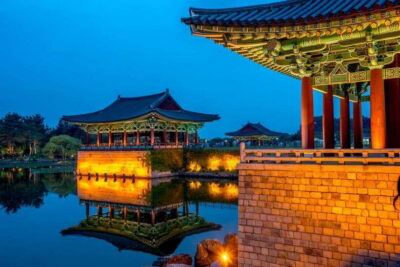
Gyeongju UNESCO World Heritage Guided Day Tour
Read our review →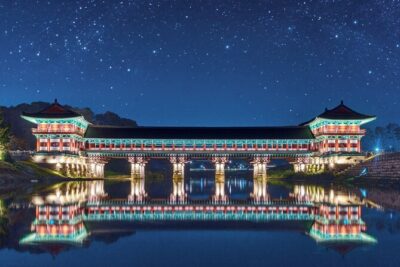
Gyeongju UNESCO World Heritage Guided Day Tour from Busan
Read our review →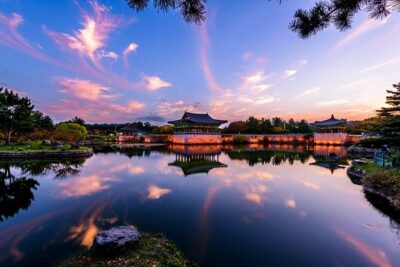
Old Korea Thousand History Tour of Gyeongju from Busan
Read our review →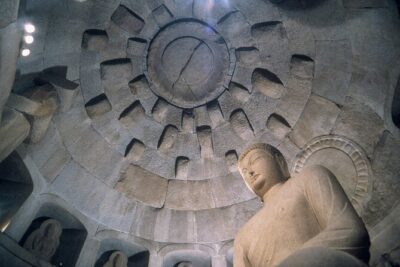
Gyeongju UNESCO sites Private tour with licensed tour guide
Read our review →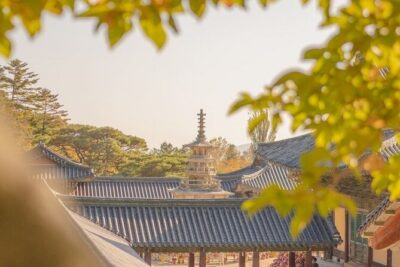
Private Gyeongju Tour – Explore Gyeongju UNESCO Sites
Read our review →
Gyeongju UNESCO Legacy Tour with National Museum
Read our review →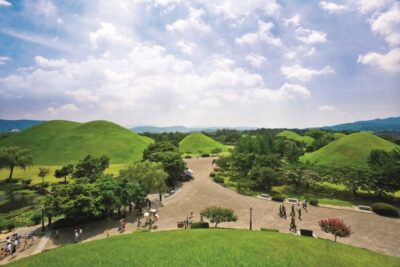
UNESCO Heritage Tour Including Bulguksa Temple
Read our review →Browse the lists this tour appears in