
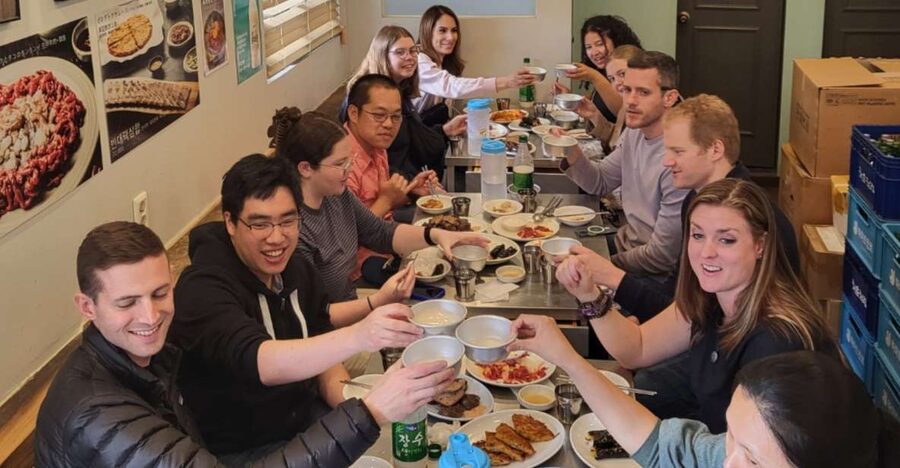
Reviewed · SEOUL TOURS
Seoul: Gwangjang Market Netflix Food Tour
Gwangjang Market is the payoff here: a noisy, colorful food hall where you can try several Korean specialties without guessing what to order. The route gets there by way of Insa-dong and Ikseon-dong, so you see traditional art shops, old hanok houses, and modern Seoul in one compact walk.
I like the smart neighborhood-to-market route, and I like that guides such as Peter, Sally, Alan, Sam, and Charlie explain the customs and stories behind the food. The main drawback is simple: this is a tasting tour, not a full meal, and the biggest servings come late. Eat a light breakfast or lunch first.
Key points to know before you book
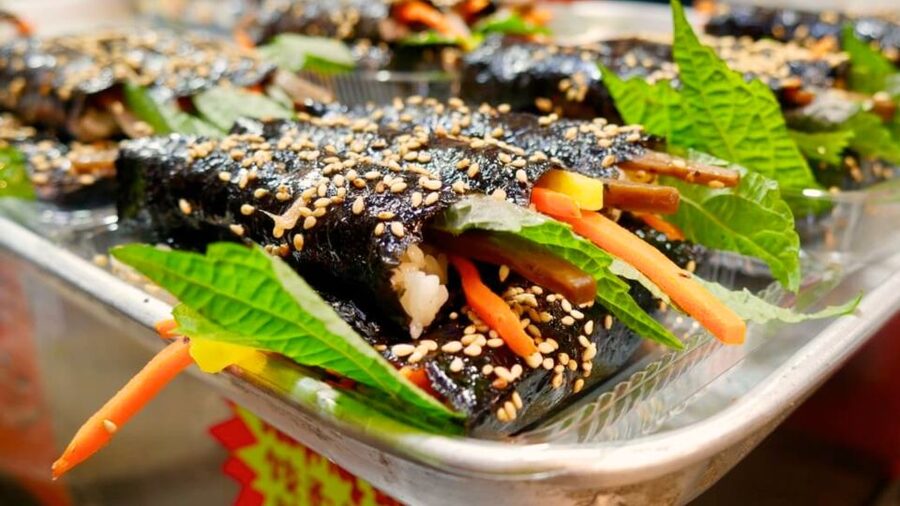
- The walk links three different sides of Seoul: Insa-dong’s art shops, Ikseon-dong’s hanok lanes, and Gwangjang Market’s food stalls.
- You get 3 to 5 street-food tastings: The exact number depends on the option you choose.
- The tour lasts about three hours: It begins at Anguk Station Exit 6 and ends inside Gwangjang Market.
- Food is included, but not a full meal: The larger portions arrive near the end, so do not skip your earlier meal.
- Guides add cultural context: Peter, Alan, Sally, Sam, and Charlie have all led tours, with food customs and Korean history forming a large part of the walk.
- Private and small-group choices are available: That can make a difference if you want more time for questions or help choosing unfamiliar dishes.
Starting at Anguk Station and entering Insa-dong
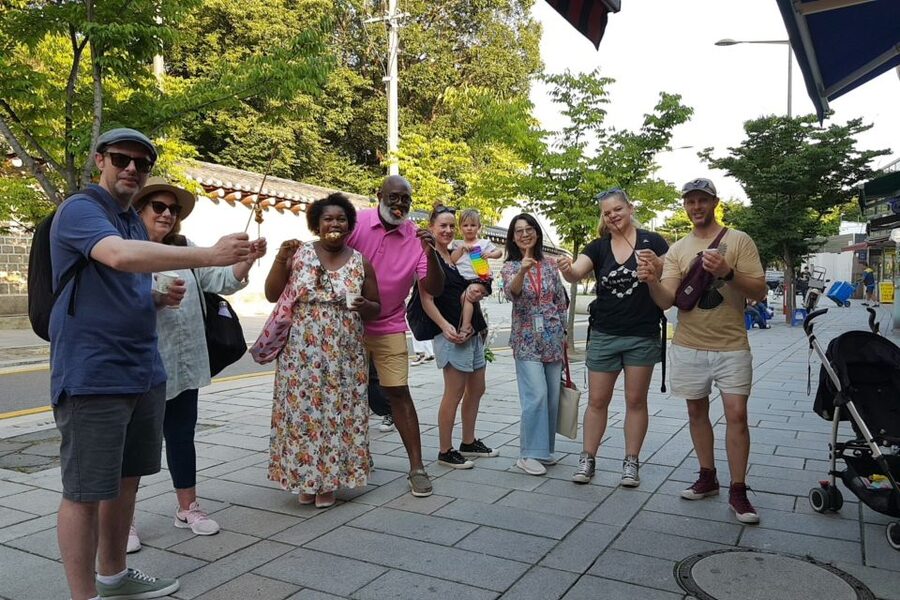
The meeting point is in front of Exit 6 at Anguk Station on Subway Line 3. Arrive 10 to 15 minutes early. That gives you time to find the exit and meet your guide without starting the walk in a rush.
From there, the tour heads into Insa-dong Culture Avenue. This district is one of Seoul’s better places to see traditional Korean arts in a setting that still feels tied to everyday city life. You pass art galleries, antique shops, craft stores, and small boutiques. The streets give you a useful first look at how Seoul mixes old customs with current style.
Your guide explains how Insa-dong developed from an older center for Korean art and antiques into a popular shopping and walking area. That context helps you see more than shop windows. You begin to understand why certain objects, buildings, and storefronts matter in Korean culture.
I like this opening because it is not just a food crawl. If you went straight to Gwangjang Market, you would get plenty to eat, but less background for understanding the city. Insa-dong gives the tour a cultural frame before the food begins.
There is also a practical benefit. You are introduced to Korean streets, shops, and local customs before facing the market’s packed food alleys. If you are new to Seoul, that gradual start can make the rest of the afternoon easier.
More Market Tours in Seoul
- Seoul Street Food Market Tour
★ 5.0 · 1,226 reviews - Local Home Korean Cooking Class & Market Adventure in Seoul
★ 5.0 · 1,024 reviews - Seoul: Night Market Food Tour with Local Guide
★ 4.9 · 943 reviews
Insa-dong’s art shops and older Seoul character
Insa-dong works best when you treat it as a place to look closely rather than simply pass through. The tour includes a guided walk, so you can ask about the objects and buildings you see instead of trying to interpret everything alone.
The area is known for Korean artwork, antiques, and handmade goods. Some shops feel polished and modern, while others focus on older forms and traditional materials. The contrast is part of the appeal. Seoul is not presented here as a museum frozen in time. You see a living neighborhood where the past remains useful, decorative, and commercially active.
Guide quality matters at this point. Past guides named Peter, Alan, Sally, Sam, and Charlie received especially strong praise for explaining Korean culture in a clear and friendly way. The best version of this tour will depend on how well your guide connects the street scenes to wider ideas about Korean food, customs, and daily life.
Do not expect a long shopping stop unless your guide and group have time for it. The tour continues on foot, and the food market is a major part of the three-hour schedule. If you want to buy art or antiques, you may need to return to Insa-dong on your own later.
Ikseon-dong and the hanok lanes
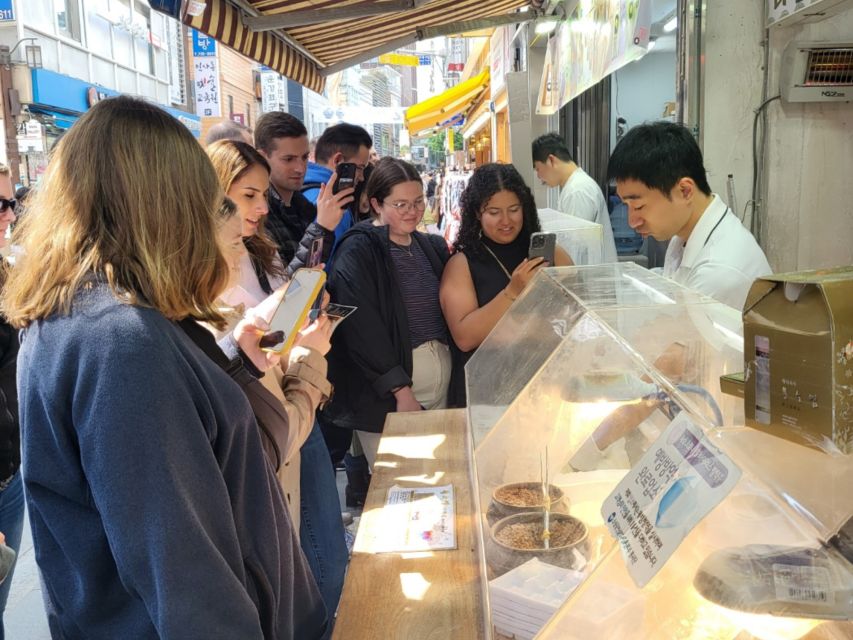
The route continues toward Ikseon-dong, a small district known for its traditional hanok buildings. These homes have been adapted into cafes, shops, and other businesses, creating a meeting point between old Seoul architecture and current city life.
The narrow lanes are a pleasant change from the wider streets around Insa-dong. You walk between older structures, look at the rooflines and wooden details, and see how traditional buildings have been given new uses. It is a short but meaningful stop because it shows another way Seoul preserves its older character.
I find Ikseon-dong especially useful for visitors who want more than famous palaces and large monuments. The experience is closer to strolling through a neighborhood. You get a sense of scale, texture, and street life that a single grand building cannot provide.
The limitation is space. The lanes are narrow, and the tour is shared with other people moving through the district. The route is still a walking tour, so comfortable shoes are a good idea. The supplied information does not give a precise walking distance, but the experience connects several districts on foot within three hours.
Arriving at Gwangjang Market
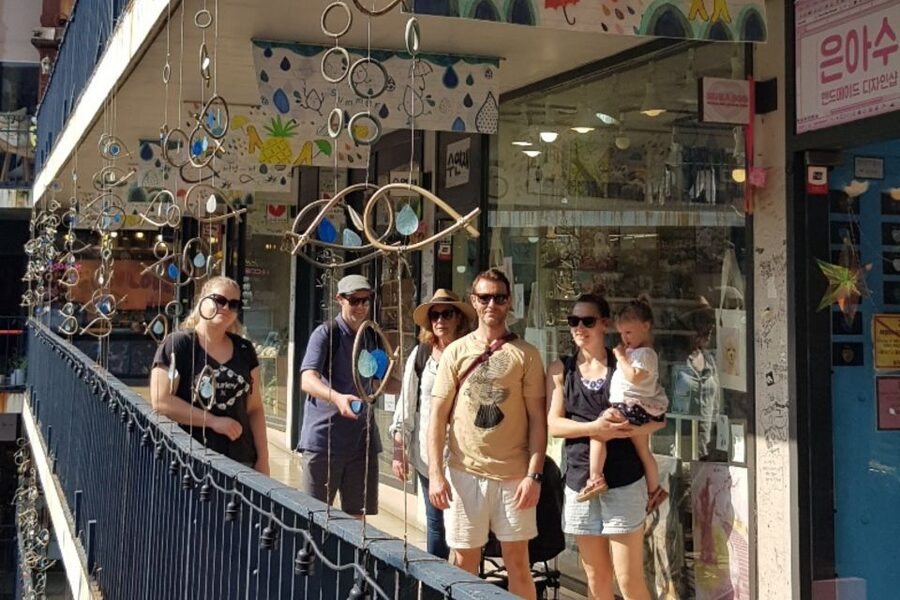
Gwangjang Market is the food center of the tour and the final stop. Founded in the early 1900s, it is one of Seoul’s traditional markets, with food stalls alongside textiles and handmade goods. This is where the tour shifts from looking and listening to choosing, tasting, and watching food being prepared.
The market can feel intense. There are many stalls, strong smells, close seating areas, and plenty to look at. That is useful if you want a direct encounter with Korean market culture, but it may feel crowded if you prefer quiet restaurants.
A guide is valuable here because Korean street food can be unfamiliar at first glance. You may recognize some dishes, while others may need an explanation. Your guide can describe what you are eating, how it is usually served, and how to approach the stall or shared table.
The market also gives you a chance to see Korean food as part of daily life rather than as a formal restaurant experience. Textiles and handmade goods share space with dishes prepared for quick eating. The setting is practical, social, and very different from a carefully staged tasting menu.
More Street Food Tours in Seoul
- Seoul: Gyeongbok Palace, Bukchon Village, and Gwangjang Tour
★ 4.9 · 2,321 reviews - Seoul: Gyeongbok Palace, Bukchon Village, and Gwangjang Tour
★ 5.0 · 1,044 reviews - Seoul Night Palace & Market Food Tour with Vehicle
★ 5.0 · 275 reviews - Seoul Night Tour (Gwangjang Market, Royal Palace and Naksan Park)
★ 5.0 · 92 reviews
What you actually eat on the tour
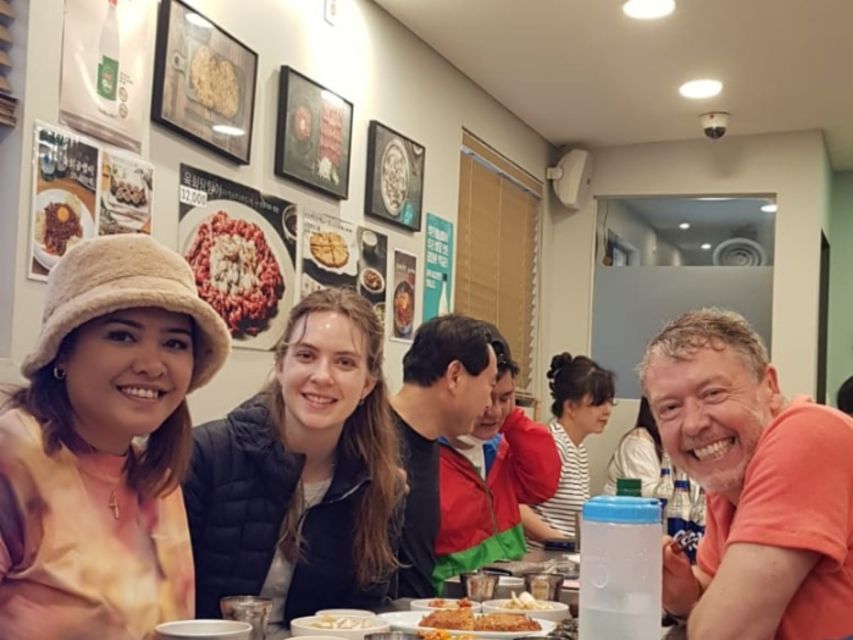
The experience includes 3 to 5 kinds of street food, depending on the option you select. Entrance fees and the guide are included, and you do not pay extra for the listed tastings. Personal expenses are not included, so bring money if you want additional food, drinks, shopping, or anything beyond the included selection.
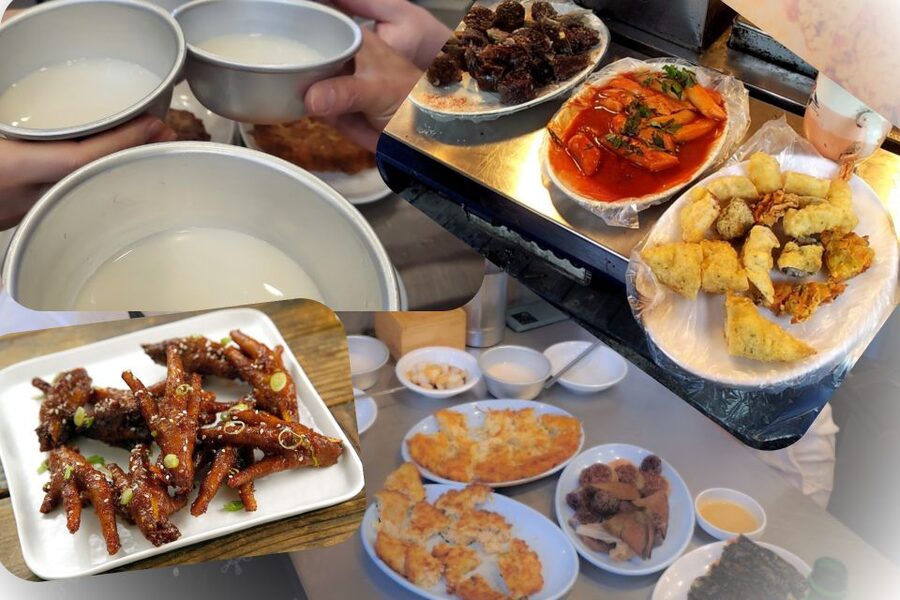
The exact dishes are not fixed in the information provided, but the tour is built around local Korean street food. Past outings have included several foods along the route and a larger market serving near the end. One particularly memorable dish for some groups was octopus, which became a highlight of the final food stop.
That late timing matters. The tour does not provide a complete meal, and the largest portions arrive at the end. I would eat something light beforehand. Skipping breakfast or lunch in the hope of making the tastings your main meal is a poor plan.
The food format has two advantages. First, you can sample several items without ordering a full portion of everything. Second, you have a guide to help explain dishes and local eating habits. This is useful if you are cautious with unfamiliar foods or want to understand what makes each dish part of Korean food culture.
There is one tradeoff: three to five tastings may not satisfy a large appetite. If you want a substantial dinner, plan to eat again after the tour or budget for extra purchases inside the market.
The guide can make or break the experience
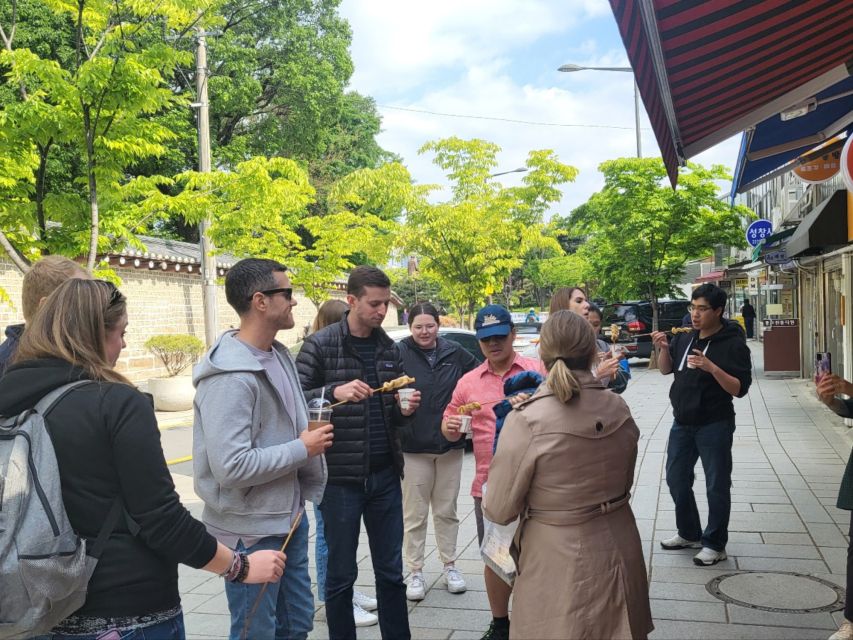
The tour is sold with an English or Korean-speaking live guide, and private or small-group formats are available. The strong feedback about Peter, Alan, Sally, Sam, and Charlie points to the importance of the human side of this experience.
Peter has been praised for explaining food and history, including helping groups choose dishes. Alan has been described as friendly, clear, and helpful with customs and local meals. Sally’s approach has included flexibility, which can be useful when a family or small group wants to pause for photos or adjust the pace. Sam and Charlie have also been singled out for making the cultural material engaging without turning the walk into a lecture.
No guide can control every part of a market visit. Stall conditions, crowds, weather, and group preferences can shape the day. Still, a good guide helps you get more from the same streets and food counters.
If you choose a private or small-group option, the main benefit is likely the chance to ask more questions and spend a little longer on points that interest you. A larger group may cost less or have a livelier feel, but it can make conversation and food ordering less personal.
Is $64 a fair price?
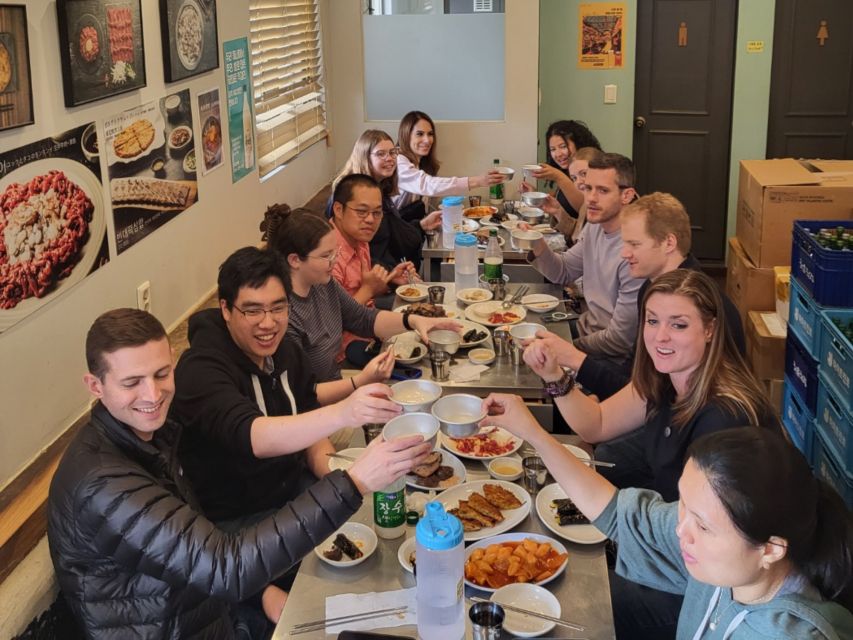
At $64 per person, this is not the cheapest way to eat at Gwangjang Market. You could enter the market on your own and buy individual dishes for less.
The price makes more sense when you value the full route and the guidance. You are paying for about three hours with a live guide, a walk through Insa-dong and Ikseon-dong, an introduction to local history and customs, entrance fees, and 3 to 5 food tastings. You also avoid the uncertainty of choosing your first dishes alone.
The value is strongest for a first visit to Seoul, especially if you want food and culture in the same outing. It is less compelling for an experienced Seoul visitor who already knows Gwangjang Market and feels comfortable ordering there.
I would also compare the price with your appetite. Since the tour is not a full meal, you are paying for variety and explanation rather than quantity. If you want several large portions, the $64 price will feel less generous unless you make full use of the guide’s advice and the included tastings.
Timing, pace, and practical comfort
The tour lasts three hours and ends at Gwangjang Market. That makes it easy to continue eating or shopping after the official tour finishes.
Because the route links multiple neighborhoods, expect a steady walking pace. Wear shoes that are comfortable on narrow streets and market floors. The meeting point is central and easy to identify if you follow the instructions for Anguk Station Exit 6.
Weather can affect the mood of the walk, especially between Insa-dong, Ikseon-dong, and the market. One group completed the experience in poor weather and still found the guide and food worthwhile, but rain can make any walking tour less comfortable. Check the forecast and dress for several hours outside.
The tour requires a minimum number of participants. If that number is not met, the provider offers another date or experience, or a full refund. You can also cancel up to 24 hours before the start for a full refund, and the reserve-now, pay-later option keeps payment flexible.
Who should book this Seoul food tour?
I would recommend it to first-time visitors who want an easy introduction to Seoul’s food and traditional neighborhoods. It also suits families, couples, and small groups who would rather have someone explain unfamiliar dishes than make every choice alone.
It is a good fit if you want:
- A guided walk before eating
- Korean street food without paying separately for each included tasting
- Help understanding local customs and dishes
- A route that combines art, architecture, and food
- A small-group or private format
- A final stop with time to continue exploring Gwangjang Market
I would be more cautious if your main goal is a long market meal. The food comes in tasting portions, and the largest serving is near the end. I would also think twice if you dislike crowded markets or prefer to set your own pace in shops.
My verdict on the Gwangjang Market food walk
Book this tour if you want a guided introduction to several Seoul neighborhoods, with Korean street food as the reward at the end. The route is well judged: Insa-dong gives you art and cultural background, Ikseon-dong adds traditional architecture, and Gwangjang Market brings the food into focus.
The strongest reason to go is the guide. Names such as Peter, Alan, Sally, Sam, and Charlie come up in connection with clear explanations, friendly pacing, and useful food choices. The main caution is portion size. Treat the tour as a cultural walk with tastings, not as your only meal of the day.
For a first day or early evening in Seoul, $64 is a reasonable price if you want someone to lead you through the choices. If you already know the market and only want the lowest-cost meal, go independently instead.
FAQ
Where does the tour begin?
It begins in front of Exit 6 of Anguk Station on Subway Line 3.
Where does the tour finish?
The tour finishes at Gwangjang Market.
How long does the experience last?
The walking tour lasts about three hours.
How many food tastings are included?
The tour includes 3 to 5 kinds of Korean street food, depending on the option selected.
Is this a full meal?
No. It includes several tastings, but not a complete meal. The largest portions are served near the end, so you should not skip your meal beforehand.
What languages are available?
The live tour guide service is available in English and Korean.
More Shopping Tours in Seoul
- Seoul: Korean Cooking Class at a Local Home and Market Tour
★ 5.0 · 348 reviews - Cook 3 Authentic Korean Dishes with Local Market Tour
★ 5.0 · 231 reviews - Korean Palace and Market Tour in Seoul Including Insadong and Gyeongbokgung Palace
★ 4.0 · 174 reviews - Seoul: Nighttime Tour of Palace, Market, Naksan Park & More
★ 4.9 · 143 reviews
More Food Tours in Seoul
- Downtown Seoul Guided Food & Market Tour with 8+ Local Tastings
★ 5.0 · 580 reviews - Seoul Fun Food Tour: 12 different food tastings
★ 5.0 · 266 reviews - Soju Tasting at Distillery – story of 3 pigs
★ 5.0 · 166 reviews - The Award-Winning PRIVATE Food Tour of Seoul: The 10 Tastings
★ 4.5 · 128 reviews
Newest Seoul trips on the site
- Seoul : Must-see & Hidden Gems Private Walking Tour★ 4.9 · 8 reviews
- Seoul: Lotte World Aquarium Ticket★ 4.5 · 10 reviews
- Seoul: Max Out Must Visit City Highlights Panoramic Day Tour★ 5.0 · 7 reviews
- Seoul: K-Fashion Shopping Tour with a Professional Stylist★ 5.0 · 5 reviews
- From Seoul: Korea Spring Cherry Blossom Day Tour★ 4.8 · 6 reviews
- Seoul: Guided Street Food Tour at Namdaemun Market★ 5.0 · 10 reviews
- Seoul: Jisan Forest Winter Ski Day Tour with Basic Lesson★ 4.4 · 6 reviews
- Jisan Forest Resort: Ski Full-Day Tour or Shuttle from Seoul★ 5.0 · 4 reviews
Seoul Tours, compared.
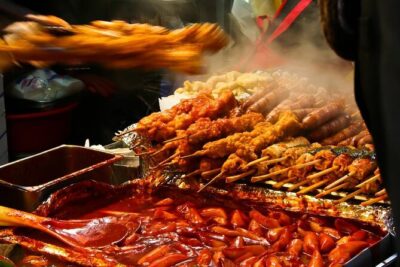
Gyeongbok Palace, Bukchon Village, and Gwangjang Tour
Read our review →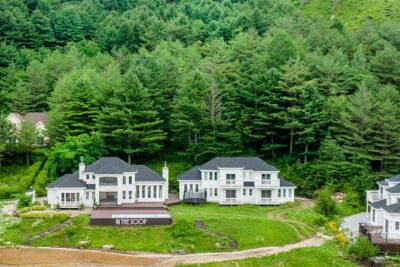
Full Day Tour In The Soop BTS Ver in PyeongChang Filming Location
Read our review →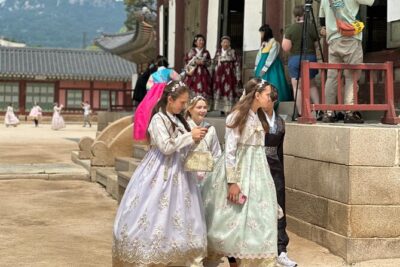
Best Seoul City Tour (Gyeongbokgung Palace,Insadong,Namsan Tower)
Read our review →
Small-Group Royal Palace and Seoul City Tour (hotel pick-up)
Read our review →
Seoul City Sightseeing Tour Including Gyeongbokgung Palace, N Seoul Tower, and Namsangol Hanok Village
Read our review →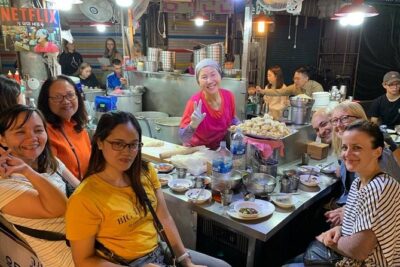
Gyeongbok Palace, Bukchon Village, and Gwangjang Tour
Read our review →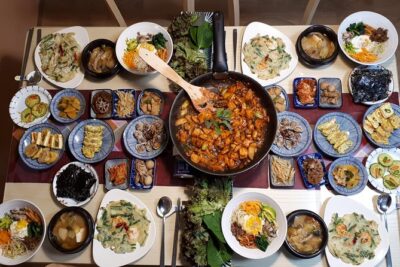
Local Home Korean Cooking Class & Market Adventure in Seoul
Read our review →Browse the lists this tour appears in