
Reviewed · SEOUL TOURS
Soju Tasting at Distillery – story of 3 pigs
The most interesting part of this Seoul tasting is the chance to compare traditional distilled soju with the familiar green bottle sold everywhere in Korea. At Samhae Soju, Sam Lee explains why real craft soju is a very different drink, then pours at least seven Korean alcohols inside a distillery not normally open to the public.
I like the strong historical thread, from Samhae soju’s place at the Joseon court to the family recipe preserved by master Taeksang Kim. I also like the small-group setting, where Sam can answer questions and share restaurant tips. The main drawback is simple: the tasting is only about 90 minutes, and seven high-proof pours can leave you pleasantly tipsy before you have fully taken in everything.
Key points to know before booking
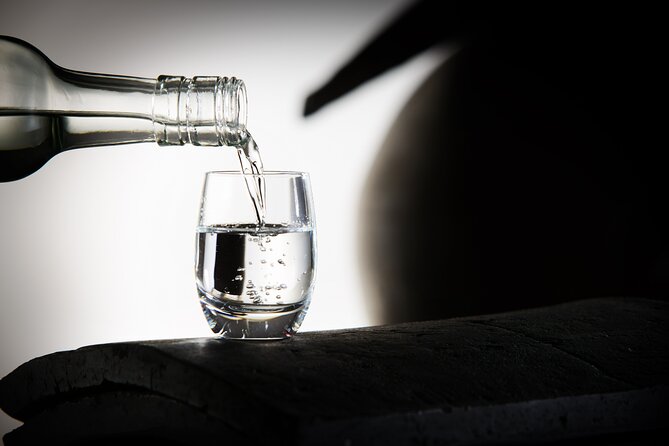
- Seven or more Korean alcohols: Taste several styles, including traditional soju and flavored varieties made at the distillery.
- Premium-strength pours: Some soju reaches 45% alcohol or more, far above standard green-bottle soju.
- Samhae soju’s Joseon connection: Learn why this rice-heavy spirit was once linked with the noble class.
- A real working distillery: You enter a production space that is not generally open to the public.
- Small social group: The maximum is 10 people, giving Sam Lee room to explain the drinks and answer questions.
- Eat before you arrive: Seven tastings, especially at high proof, are more than enough to catch up with you.
Why this is not a standard green-bottle soju tasting
Korea’s best-known alcohol is the little green bottle of soju found in restaurants, convenience stores, and supermarkets. It is cheap, mild, and easy to drink with a meal. But the soju served here belongs to a different tradition.
The tasting introduces you to three broad Korean alcohol categories. Takju is an unfiltered rice wine. Cheongju is a clearer, filtered rice wine. Soju is distilled, which gives it greater strength and a cleaner, more concentrated character.
The difference matters because the common commercial bottle is generally diluted and sweetened for mass production. At Samhae Soju, you taste spirits made with more attention to rice, fermentation, distillation, and aroma. The result is stronger and more individual. You might find fruit, grain, floral, or herbal notes depending on the pour, rather than one uniform sweet burn.
I would not book this expecting a long formal lecture. The appeal is closer to a conversation at a distillery, with Sam moving between production methods, Korean drinking customs, history, and the bottles in front of you. That informal tone suits the subject. Soju is closely tied to meals, manners, friendship, and late-night conversation, so a relaxed host can tell you more than a rigid script.
More Soju and Makgeolli Tastings in Seoul:
- Learn and Make Your Very Own Craft Makgeolli
★ 5.0 · 94 reviews - Traditional Soju Class and Makgeolli Tasting in Seoul
★ 5.0 · 35 reviews - Makgeolli Brewing Class
★ 5.0 · 21 reviews
Inside Samhae Soju in Mapo-gu
The meeting point is Samhae Soju at World Cup buk-ro 109, basement level, unit 1, in Seoul’s Mapo-gu. The activity begins and ends at the distillery, and it is near public transportation. You receive a mobile ticket and booking confirmation at the time of purchase.
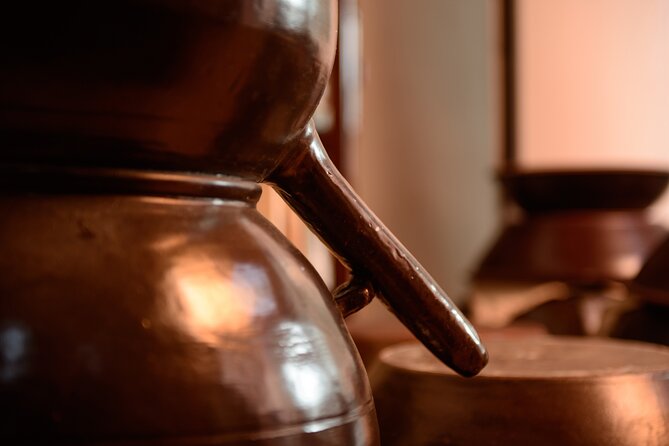
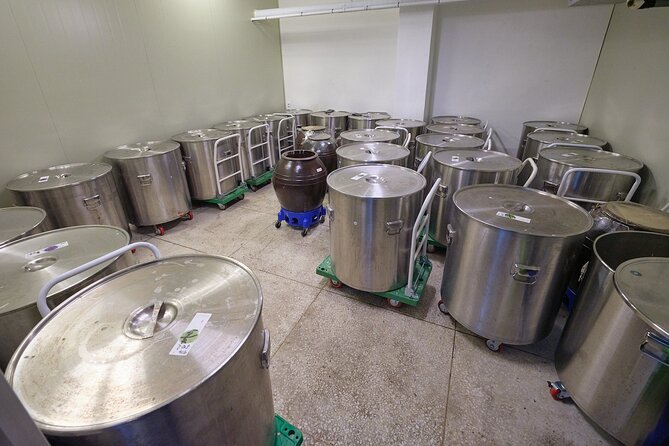
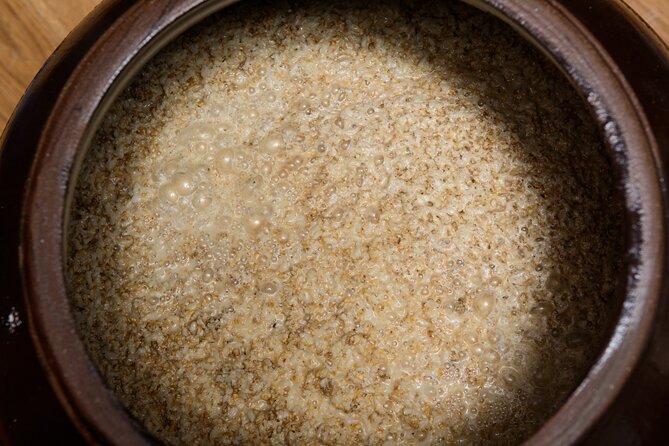
The basement setting is part of the charm. You are not simply sitting in a polished bar with bottles lined up for display. You are inside a place connected to the making of the alcohol itself. You may see fermentation in progress and get a closer sense of how the drink moves from raw ingredients to finished spirit.
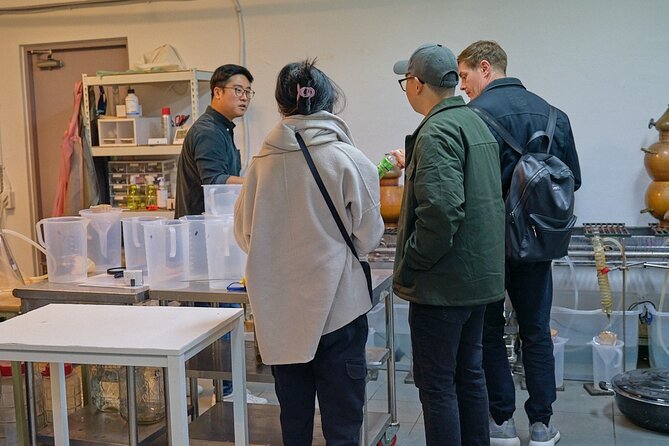
That setting also tells you what not to expect. This is not a grand museum or a large commercial visitor center. The atmosphere is practical and local, with the production space providing the backdrop. If you want glossy interiors and a formal tasting room, this may feel modest. If you prefer seeing where a drink is actually made, the setting works well.
The group limit is 10 people. That is small enough for questions, but the social side depends on who books that day. Most of the appeal comes from conversation among the group and with Sam. A solo visitor can certainly attend, but you should know that a group tasting may not guarantee constant one-to-one attention.
The story of Samhae soju and three generations of craft
Samhae soju was prized by members of the Joseon dynasty, which lasted from 1392 to 1894. Its production used a great deal of rice, making it expensive and difficult to sustain during famine. At times, production had to stop because rice was needed for food.
That detail helps explain why this is not simply another flavored alcohol tasting. A bottle of Samhae soju carries a connection to a recipe that was once associated with the upper class, but also to the practical limits of Korean food history. Rice was not an abstract ingredient. It was essential food, and using large amounts for alcohol was a serious choice.
The current master, Hyeonjong Kim, trained for more than 10 years under master Taeksang Kim. Taeksang Kim inherited the family recipe and maintained it until his death in 2021. During the tasting, this story gives you a useful way to think about tradition. The recipe survives not because it was frozen in a museum, but because someone spent years learning how to make it.
The phrase story of 3 pigs appears in the experience title, but the available details do not explain the full meaning behind it. I would treat that as a topic to ask Sam about rather than assume the title tells you everything. The more clearly documented story is Samhae soju’s connection to Joseon, rice production, and the master-to-apprentice chain.
What the 90-minute tasting feels like
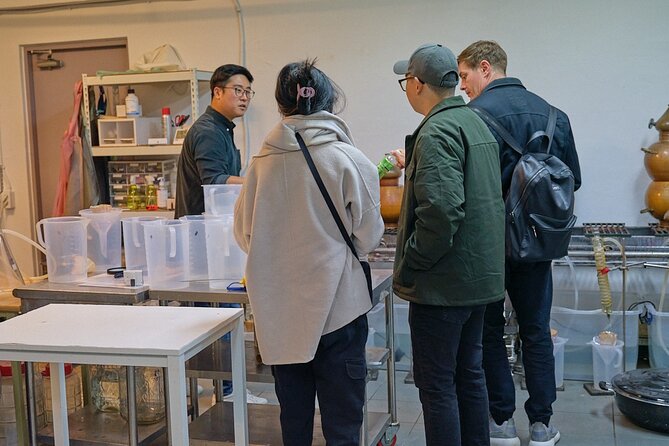
The session begins with an introduction to Korean alcohol and the distillery. Sam explains the basic difference between takju, cheongju, and soju, then connects those categories to the drinks you will taste.
You also learn about the soju-making process. The tasting can include an explanation of how takju and cheongju are made before the spirit is distilled into soju. This gives you a useful foundation: instead of treating each drink as a separate mystery, you see how Korean alcohols can begin with related ingredients and methods but end with very different textures and strengths.
The group then tastes at least seven Korean alcohols made by a master distiller. The exact lineup can vary, but the tasting includes different soju styles and special aromas. Some pours are premium soju at 45% alcohol or higher, equal to 90 proof or above.
That strength is the practical issue to keep in mind. Seven samples can sound modest when you picture tiny tasting glasses, but 45% alcohol adds up quickly. You should eat before arriving, drink slowly, and avoid treating every pour like a shot. The tasting is built for comparison, not speed.
The session also includes stories about Korean manners, drinking customs, and everyday culture. Sam has a reputation for explaining clearly, keeping the mood light, and answering questions carefully. The conversation may also move beyond alcohol, with Seoul restaurant and food suggestions shared at the end.
The final part returns you to the group setting. By then, you should have a better idea of which soju style you prefer, how traditional soju differs from mass-market bottles, and how Korean drinking culture fits around food and conversation.
More Food Tours in Seoul:
- Seoul Street Food Market Tour
★ 5.0 · 1,226 reviews - Seoul: Night Market Food Tour with Local Guide
★ 4.9 · 943 reviews - Downtown Seoul Guided Food & Market Tour with 8+ Local Tastings
★ 5.0 · 580 reviews - Seoul Night Palace & Market Food Tour with Vehicle
★ 5.0 · 275 reviews
What makes the alcohol worth tasting
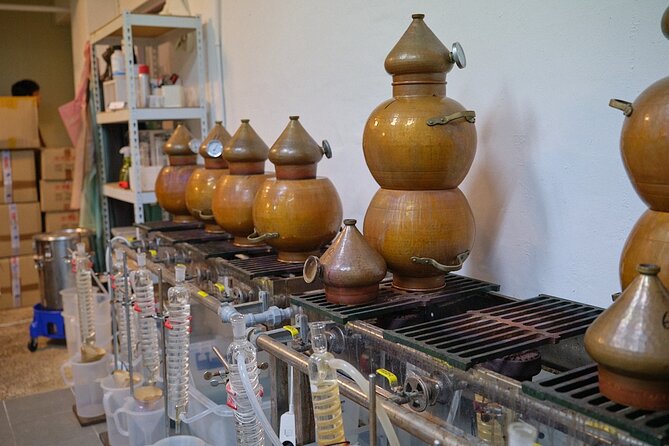
The main value is contrast. A standard green-bottle soju is familiar, inexpensive, and designed for broad appeal. Traditional soju is stronger, more distinctive, and tied to the choices made during fermentation and distillation.
You might notice that the premium pours have more weight and character. The high alcohol level can bring out warmth and aroma, but it can also overwhelm your palate if you drink too fast. I would pay attention to the order of the tasting and use the explanations to compare each sample rather than decide that stronger automatically means better.
The flavored or aromatic soju adds another layer. These pours show how a traditional base can be changed with added aromas, producing drinks that may be easier for someone who does not enjoy plain spirits. Still, you should not expect a sweet cocktail tasting. The focus remains Korean alcohol made at or connected to the distillery.
The educational value is especially good for anyone who has only encountered commercial soju in a restaurant. You learn why the cheap bottle and the traditional spirit share a name but can taste so different. That knowledge can help you choose bottles in Seoul later, rather than grabbing the first green bottle from a convenience store.
Sam Lee as the host
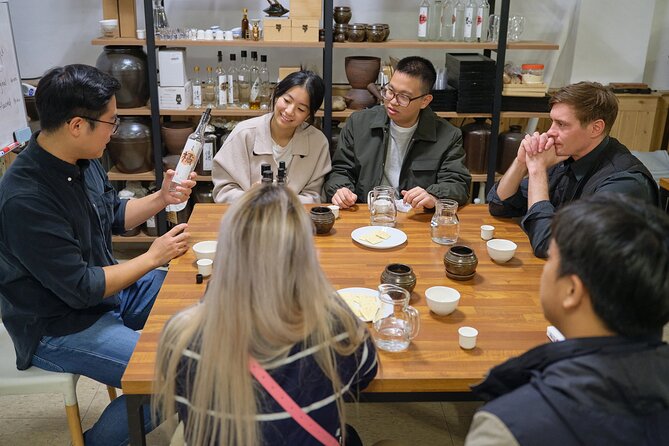
Sam Lee is central to the experience. The strongest parts of the session depend on his ability to explain technical subjects without making them dry. He covers the production process, Korean history, drinking etiquette, and local food suggestions in a conversational way.
I like that this is not limited to memorizing dates or distillation terms. You can ask questions, compare impressions with the group, and connect the alcohol to Korean customs. Sam is also known for offering practical Seoul suggestions after the tasting, particularly places to eat.
His humor helps keep the high-proof tasting from feeling too serious. That matters because a formal presentation about fermentation followed by seven samples could become stiff. Here, the social tone is part of the design.
There is one fair limitation. A small group does not mean a private tasting. If the other people are talkative, the session may feel lively and communal. If the group does not mix well, a solo visitor might feel less included. The activity is best for someone comfortable sharing a table and conversation with people they have just met.
Is $43.83 a fair price?
At $43.83 per person, this costs more than buying several bottles of ordinary soju. That comparison is not quite fair, since you are paying for more than alcohol.
The price includes access to a working distillery, an explanation of Korean alcohol traditions, a guided tasting of at least seven drinks, and the chance to try premium-strength soju that may be difficult to understand from a store label alone. You also get Sam’s advice about food and Seoul, which can be useful if this is early in your trip.
I see the strongest value for curious drinkers who want context. If all you want is a cheap night of drinking, you can spend less at a Korean barbecue restaurant. If you want to understand what traditional soju is, compare styles, and learn why rice and technique matter, the price is reasonable.
The short length keeps the activity easy to fit into a Seoul itinerary, but it also limits the amount of time available. At least seven samples, cultural background, production details, and group conversation all have to fit into 90 minutes. I would rather see a focused tasting than a rushed attempt to cover every Korean alcohol, but you should not expect a full-day distillery workshop.
Who should book this tasting
I recommend it most strongly for:
- First-time soju drinkers who want an explanation before ordering more bottles.
- Spirit fans who enjoy high-proof alcohol and want something beyond standard commercial brands.
- Food-focused visitors who like learning how drinks fit with meals and local customs.
- History-minded visitors interested in Joseon culture and the survival of family recipes.
- Solo visitors and couples who are comfortable joining a small social group.
- People staying in Seoul for several days who can use Sam’s restaurant suggestions later.
You do not need to be a serious soju fan. The session is designed to explain the differences, so even someone who dislikes the green bottle may find a traditional or aromatic style more appealing.
I would hesitate if you dislike strong spirits, cannot drink alcohol, or want a private, quiet tasting. I would also avoid scheduling this immediately before an important evening reservation. The 45% pours are not casual soft drinks, and the relaxed atmosphere can make it easy to drink more than planned.
Practical details that affect your choice
The activity lasts approximately one hour and 30 minutes. It starts and ends at Samhae Soju, and the location is near public transportation. The maximum group size is 10 people.
The experience is non-refundable and cannot be changed for any reason after booking. If poor weather causes the activity to be canceled, you are offered another date or a full refund.
The tasting requires good weather, so check the forecast around your booking date. You should also arrive having eaten, especially if you are not used to spirits at 90 proof or higher.
Since the activity is in a distillery not generally open to the public, follow the meeting instructions carefully. The mobile ticket makes the booking simple, but it does not turn the visit into a flexible drop-in stop. Plan around the fixed start time.
Should you book the story of 3 pigs soju tasting?
Book it if you want more than a green bottle and a quick toast. The combination of a working distillery, Sam Lee’s easy teaching style, the Joseon-era background, and seven or more tastings gives you a useful introduction to Korean alcohol.
The best reason to go is the comparison. You can taste premium soju at 45% alcohol or higher, learn how it relates to takju and cheongju, and leave with a clearer idea of what traditional Korean spirits can be.
Skip it if your main goal is a cheap drinking session, if strong alcohol is not for you, or if you need a private format. For everyone else, eat first, pace yourself, and leave room for conversation. At $43.83, it is a fair introduction to a side of Korean drinking culture that most casual restaurant meals never show you.
FAQ
Where does the soju tasting take place?
The tasting takes place at Samhae Soju, at World Cup buk-ro 109, basement level, unit 1, in Mapo-gu, Seoul.
How long does the activity last?
The tasting lasts approximately one hour and 30 minutes.
How many Korean alcohols will I taste?
You will taste at least seven different types of Korean alcohol made by a master distiller. The selection includes different soju styles and special aromas.
Is the soju very strong?
Yes. The premium soju served during the tasting is 45% alcohol or higher, equal to 90 proof or above.
Who leads the tasting?
Sam Lee leads the experience. He explains the production process, Korean alcohol traditions, history, manners, and related cultural details.
How large is the group?
The activity has a maximum of 10 travelers.
Does the tasting include other Korean alcohol besides soju?
Yes. The introduction covers takju and cheongju, and the tasting can include other Korean alcohols as well as soju.
Can I cancel or change my booking?
The experience is non-refundable and cannot be changed for any reason. If poor weather causes the activity to be canceled, you are offered a different date or a full refund.
Newest Seoul trips on the site
- Seoul : Must-see & Hidden Gems Private Walking Tour★ 4.9 · 8 reviews
- Seoul: Lotte World Aquarium Ticket★ 4.5 · 10 reviews
- Seoul: Max Out Must Visit City Highlights Panoramic Day Tour★ 5.0 · 7 reviews
- Seoul: K-Fashion Shopping Tour with a Professional Stylist★ 5.0 · 5 reviews
- From Seoul: Korea Spring Cherry Blossom Day Tour★ 4.8 · 6 reviews
- Jisan Forest Resort: Ski Full-Day Tour or Shuttle from Seoul★ 5.0 · 4 reviews
- Seoul: Guided Street Food Tour at Namdaemun Market★ 5.0 · 10 reviews
- Seoul: Jisan Forest Winter Ski Day Tour with Basic Lesson★ 4.4 · 6 reviews
Seoul Tours, compared.
Gyeongbok Palace, Bukchon Village, and Gwangjang Tour
Read our review →
Full Day Tour In The Soop BTS Ver in PyeongChang Filming Location
Read our review →
Best Seoul City Tour (Gyeongbokgung Palace,Insadong,Namsan Tower)
Read our review →
Small-Group Royal Palace and Seoul City Tour (hotel pick-up)
Read our review →
Seoul City Sightseeing Tour Including Gyeongbokgung Palace, N Seoul Tower, and Namsangol Hanok Village
Read our review →
Gyeongbok Palace, Bukchon Village, and Gwangjang Tour
Read our review →
Local Home Korean Cooking Class & Market Adventure in Seoul
Read our review →Browse the lists this tour appears in